Baroque Art · 1604
Triptych (안니발레 카라치, 1604)
안니발레 카라치 (1560–1609) 작가의 Triptych 1604년에 제작되었습니다. Baroque Art 운동에 속합니다. 로마, 이탈리아에 위치한 갤러리아 나자날 드 아트 안티카에 소장되어 있습니다. 크기는 37 × 24 cm입니다.
- 1604
- 37 × 24 cm
- 갤러리아 나자날 드 아트 안티카, 로마

 미리보기

 수작업 유화 작품
 공유하기
 공유하기
 학습용 요약본


 다운로드
 유사 작품 더 보기
 X-레이
 슬라이드 쇼 보기
 질의응답

 통계 정보
Triptych 요약
- 제목
- Triptych
- 작가
- 안니발레 카라치 (1560–1609)
- 작가 출생지
- 볼로냐, 이탈리아
- 제작 연도
- 1604
- 크기
- 37 × 24 cm
- 전시 장소
- 갤러리아 나자날 드 아트 안티카, 로마, 이탈리아
- 운동성
- Baroque Art
- 주제
- triptych, annibale carracci, baroque, angels, allegory, copper
Triptych은(는) 무엇을 묘사하고 있나요?
Annibale Carracci’s Triptych: A Baroque Masterpiece of Light, Faith, and Divine Order
Annibale Carracci's 1604 Triptych, currently housed within the Galleria Nazionale d'Arte Antica in Rome, stands as a pivotal example of the burgeoning Baroque style. More than simply a religious depiction, it’s a carefully orchestrated symphony of light, color, and symbolism—a testament to the artist’s mastery of composition and his deep understanding of both classical ideals and emerging emotional expression. This oil-on-copper painting, measuring 37 x 24 cm, invites viewers into a world where earthly beauty intertwines with divine grace, offering a profound meditation on faith, knowledge, and the very nature of existence.
Composition and Symbolism: A Dance of Allegory and Divine Presence
The triptych format itself is deeply rooted in religious tradition, allowing for a layered narrative to unfold. The central panel immediately draws the eye to an angelic figure, radiating serenity and holding aloft a book—a potent symbol of both Holy Scripture and the pursuit of divine knowledge. Surrounding this central emblem are cherubs, their youthful innocence adding a touch of ethereal joy to the scene. The left and right panels introduce allegorical figures engaged in distinct activities: one grasping a scroll or document, representing wisdom and law, while the other holds an object suggestive of power and authority. These flanking scenes aren’t merely decorative; they serve as crucial contextual elements, enriching the central theme with layers of meaning and inviting contemplation on the foundations of faith and governance.
Technique and Artistic Innovation: A Synthesis of Renaissance and Baroque
Carracci's skill is evident in every meticulously rendered detail. The use of light and shadow—a hallmark of Baroque art—is particularly striking, creating a dynamic sense of movement and emotion within the painted space. Notice how the light seems to emanate from an unseen source, illuminating the figures with a radiant glow while simultaneously casting deep shadows that heighten their three-dimensionality. The artist’s mastery extends beyond mere technique; he seamlessly blends elements of Florentine linear draftsmanship—inherited from his artistic lineage—with Venetian color and atmospheric effects, creating a unique style that revitalized Italian painting. The copper panel itself contributes to the work's luminosity, reflecting light in subtle ways that enhance its visual impact. The intricate details – the folds of the garments, the texture of hair, the play of light on skin – demonstrate an extraordinary level of observation and artistic control.
Historical Context and Artistic Legacy: A Bridge Between Eras
Annibale Carracci emerged from a vibrant artistic community in Bologna during the late 16th century, a period marked by a desire to move beyond the constraints of Mannerism. Alongside his brother Agostino and cousin Ludovico, he spearheaded the Accademia degli Incamminati, an institution dedicated to reviving High Renaissance ideals while embracing a more naturalistic approach. This ambitious project aimed to re-establish Italy as a leading force in European art. Carracci’s Triptych exemplifies this spirit of innovation, bridging the gap between the classical past and the emerging Baroque style. His work profoundly influenced subsequent generations of artists, shaping the course of Italian painting for decades to come, and continues to inspire awe and admiration today. As a masterpiece of Italian art, it stands as a powerful reminder of the enduring beauty and spiritual depth that can be achieved through masterful artistic skill.
Further Information: Explore more works by Annibale Carracci on OriginalUniqueArt.com, delve into the history of the Galleria Nazionale d'Arte Antica at OriginalUniqueArt.com, and discover other Baroque masterpieces such as Caravaggio’s *Crucifixion of Saint Peter* on WGA.hu.
Triptych은(는) 어느 미술관에 소장되어 있나요?
갤러리아 나자날 드 아트 안티카
로마, 이탈리아
갤러리아 나자날 드 아트 안티카의 역사 1893년 이탈리아 로마에서 그 위대한 여정을 시작한 갤러리아 나자날 드 아트 안티카는 팔라초 바르베리니와 팔라초 코르시니라는 두 개의 매혹적인 공간을 통해 그 숨결을 이어오고 있습니다. 이 경이로운 공간들은 이탈리아 르네상스의 찬란한 빛부터 바로크 시대의 역동적인 에너지에 이르기까지, 예술사의 황금기를 관통하는 방대한 컬렉션을 품고 있습니다. 박물관의 역사는 이 두 로마 저택이 간직해 온 고귀한 역사 및 그곳을 거쳐 간 수많은 예술적 유산들과 깊이 맞닿아 있습니다.


Triptych의 고해상도 이미지

안니발레 카라치, Triptych (1604), 갤러리아 나자날 드 아트 안티카. 퍼블릭 도메인
Triptych에 관한 질문과 답변
안니발레 카라치의 "Triptych"의 원화는 어디에서 감상할 수 있나요?
Triptych의 원작은 갤러리아 나자날 드 아트 안티카, 로마, 이탈리아에서 만나보실 수 있습니다.
안니발레 카라치의 "Triptych"은(는) 언제 제작되었나요?
안니발레 카라치의 "Triptych"의 실제 크기는 어떻게 되나요?
"Triptych"은(는) 어떤 내용을 담고 있나요?
안니발레 카라치의 "Triptych"은(는) 퍼블릭 도메인인가요?
"Triptych"은(는) 어떤 화풍에 속하나요?
"Triptych"은(는) 안니발레 카라치의 예술적 발전 단계 중 어느 시기를 나타냅니까?
아티스트 안니발레 카라치 소개
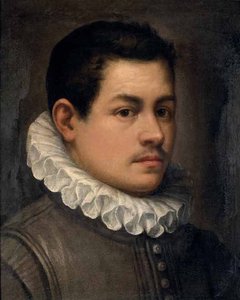
1560–1609, 이탈리아
안니발레 카라치
초기 생애와 볼로냐의 뿌리 1560년 11월 3일 볼로냐에서 태어난 안니발레 카라치는 예술적 전통이 깊게 뿌리내린 가문 출신이었다. 그의 초기 훈련은 가족 공방이라는 포근한 환경 속에서 이루어졌을 가능성이 높으며, 이는 이탈리아 회화의 지형을 근본적으로 바꾸는 경력을 위한 토대를 마련했다. 당시 볼로냐는 지적 및 예술적 발효가 활발한 도시였지만, 로마와 베네치아에서 흘러나오는 주요 흐름과는 다소 거리가 있었다. 이러한 변방적인 느낌은 안니발레를 비롯한 젊은 예술가 그룹에게 새로운 길을 개척하려는 열망을 불러일으켰다.
안니발레 카라치의 다른 작품들
 콩 먹는 사람 태양
 헤라클레스의 선택
 강가 풍경1589
 그리스도를 조롱함1596
Triptych 관련 에세이
 The Architecture of Divinity: Tracing the Evolution of Angelic Iconography in Renaissance ArtExplore the evolution of angelic iconography from early Christian art to the Baroque. Trace the divine history with our expert analysis.
 25 Masterpieces by Sir Anthony van Dyck: The King of Baroque PortraitureStep into the elegance of the Baroque era with our curated guide to Sir Anthony van Dyck's top 25 masterpieces. Explore royal portraits and…
 Caravaggism and Bolognese Classicism: Two Paths of the BaroqueMaster the differences between Caravaggism and Bolognese Classicism. Explore the dramatic tension of the Baroque era now.