Baroque · 1592
Pan (안니발레 카라치, 1592)
안니발레 카라치 (1560–1609) 작가의 Pan 1592년에 제작되었습니다. Baroque 운동에 속합니다. Oil On Canvas(으)로 제작되었습니다. 멜버른, 호주에 위치한 국립 미술관 빅토리아에 소장되어 있습니다. 크기는 109 × 135 cm입니다.
- 1592
- Oil On Canvas
- 109 × 135 cm
- 국립 미술관 빅토리아, 멜버른

 미리보기

 수작업 유화 작품
 공유하기
 공유하기
 학습용 요약본


 다운로드
 유사 작품 더 보기
 X-레이
 슬라이드 쇼 보기
 질의응답

 통계 정보
Pan 요약
- 제목
- Pan
- 작가
- 안니발레 카라치 (1560–1609)
- 작가 출생지
- 볼로냐, 이탈리아
- 제작 연도
- 1592
- 매체
- Oil On Canvas
- 크기
- 109 × 135 cm
- 전시 장소
- 국립 미술관 빅토리아, 멜버른, 호주
- 운동성
- Baroque
- 주제
- pan, greek god, mythology, carracci, foreshortening, renaissance
Pan은(는) 무엇을 묘사하고 있나요?
A Vision of Rustic Divinity: Annibale Carracci’s Pan
Annibale Carracci's "Pan," painted circa 1592, is not merely a depiction of the Greek god; it’s an embodiment of primal nature, a vibrant assertion of earthly delight rendered with breathtaking technical skill and imbued with the burgeoning spirit of the Bolognese school. This painting transcends simple portraiture, offering instead a glimpse into a world teeming with instinct, fertility, and the intoxicating allure of the wild. Commissioned by Cesare d'Este for his opulent Palazzo dei Diamanti in Ferrara – a palace itself reflecting the lavish tastes of the Renaissance court – “Pan” was intended to be part of a larger decorative scheme, a carefully orchestrated symphony of classical mythology designed to evoke grandeur and celebrate the power of the Este family.
Carracci’s genius lies in his masterful manipulation of perspective and color. The scene unfolds with a dramatic *di sotto in sù* foreshortening – a technique borrowed from earlier Renaissance masters but perfected by Carracci – that draws the viewer into the god's immediate presence. Pan, seated atop a ram or goat (the animal’s identity deliberately ambiguous), is presented not as an imposing deity, but as a youthful, almost mischievous figure. His pose is relaxed, his expression playful, and his limbs are rendered with a remarkable sense of naturalism that distinguishes this work from the more idealized depictions prevalent at the time. The rich palette – dominated by earthy reds, ochres, and greens – creates a tactile quality, inviting the viewer to almost feel the warmth of the Italian sun on Pan’s skin and the rough texture of his attire.
The Language of Symbolism
Pan, in Greek mythology, is the god of shepherds, flocks, wild animals, music, and revelry. He embodies the untamed spirit of nature, a force both alluring and potentially dangerous. Carracci’s portrayal captures this duality perfectly. The ram or goat beneath Pan isn't simply an animal; it represents fertility, abundance, and the cyclical rhythms of life and death – essential themes within the context of the Renaissance fascination with classical antiquity. The inclusion of the pipe, a traditional instrument associated with Pan, further reinforces his role as the patron of music and dance, suggesting a celebration of earthly pleasures.
Notably, the presence of the book or scroll in Pan’s hand hints at a deeper layer of meaning. While often depicted as a wild god, Pan was also associated with prophecy and knowledge – a connection that aligns with the intellectual climate of Renaissance Italy. The object could represent his ability to interpret the signs of nature, offering a glimpse into the mysteries of the world.
A Bridge Between Eras
“Pan” stands as a pivotal work in the transition from the High Renaissance to the Baroque period. Carracci’s embrace of naturalism and dramatic perspective – hallmarks of the Bolognese school – paved the way for the heightened emotional intensity and dynamic compositions that would characterize the Baroque style. His meticulous attention to detail, combined with his innovative use of *di sotto in sù* foreshortening, demonstrates a profound understanding of both classical principles and contemporary artistic trends. The painting’s placement within a larger decorative scheme further highlights its significance as a key element in the revival of classical art during the late 16th century.
A Timeless Appeal
More than four centuries after its creation, “Pan” continues to captivate viewers with its vibrant energy and evocative imagery. It’s a painting that speaks to our enduring fascination with nature, mythology, and the primal instincts that lie at the heart of human experience. Reproductions of this masterpiece offer an opportunity to bring this extraordinary vision into any setting, adding a touch of rustic divinity and timeless beauty to your home or office.
Pan은(는) 어느 미술관에 소장되어 있나요?
국립 미술관 빅토리아
멜버른, 호주
국립 미술관 빅토리아의 기원과 역사 1861년, 빅토리아의 국립 미술관은 그 위대한 여정을 시작했습니다. 식민지가 급격한 성장을 거듭하던 골드러시 시대의 뜨거운 열기 속에서 탄생한 이 기관은, 본래 유럽의 유구한 예술적 전통과 교감하고자 했던 소박한 석고 모형 저장소에서 출발했습니다. 당시의 초기 컬렉션은 기존의 문화 강국들과 어깨를 나란히 하고자 했던 식민지 시대의 갈망과 문화적 동등성을 향한 실용적인 응답이기도 했습니다.


Pan의 고해상도 이미지

안니발레 카라치, Pan (1592), 국립 미술관 빅토리아. 퍼블릭 도메인
Pan에 관한 질문과 답변
현재 안니발레 카라치의 "Pan"은(는) 어디에서 관람할 수 있나요?
안니발레 카라치의 "Pan"의 원작은 국립 미술관 빅토리아, 멜버른, 호주에 소장되어 있습니다. 복제화를 통해 이 작품을 집에서도 감상하실 수 있습니다.
안니발레 카라치의 "Pan"에는 어떤 기법이 사용되었나요?
"Pan"은(는) 어떤 내용을 담고 있나요?
"Pan"에 담긴 소재는 pan, greek god, mythology, carracci, foreshortening, renaissance, baroque, deity입니다.
안니발레 카라치의 "Pan"의 이미지를 자유롭게 복제할 수 있나요?
"Pan"은(는) 어떤 화풍에 속하나요?
"Pan"은(는) Baroque 양식의 작품입니다. 이 사조는 해당 작품이 속한 예술적 전통을 나타냅니다.
아티스트 안니발레 카라치 소개
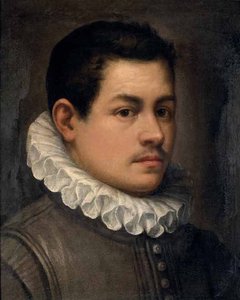
1560–1609, 이탈리아
안니발레 카라치
초기 생애와 볼로냐의 뿌리 1560년 11월 3일 볼로냐에서 태어난 안니발레 카라치는 예술적 전통이 깊게 뿌리내린 가문 출신이었다. 그의 초기 훈련은 가족 공방이라는 포근한 환경 속에서 이루어졌을 가능성이 높으며, 이는 이탈리아 회화의 지형을 근본적으로 바꾸는 경력을 위한 토대를 마련했다. 당시 볼로냐는 지적 및 예술적 발효가 활발한 도시였지만, 로마와 베네치아에서 흘러나오는 주요 흐름과는 다소 거리가 있었다. 이러한 변방적인 느낌은 안니발레를 비롯한 젊은 예술가 그룹에게 새로운 길을 개척하려는 열망을 불러일으켰다.
안니발레 카라치의 다른 작품들
 콩 먹는 사람 태양
 헤라클레스의 선택
 강가 풍경1589
 그리스도를 조롱함1596

Pan 관련 에세이
 The Language of Animals in Art: From Ancient Egypt to the RenaissanceExplore the profound history of animal symbolism from Egypt to the Renaissance. Trace these ancient motifs through art history now.
 Annibale Carracci: Bridging Renaissance Ideals & Baroque InnovationExplore the life & art of Annibale Carracci, a pivotal figure bridging Renaissance ideals with Baroque innovation. Discover his masterpiece…
 Divine Beauty: The 25 Most Iconic Masterpieces by Fra AngelicoJourney through the divine beauty of Fra Angelico's finest works. Explore 25 iconic Renaissance masterpieces, from ethereal frescoes to sac…