미리보기
미리보기
 프린트 구매
 공유하기
공유하기 공유하기
공유하기
 상세 정보
상세 정보

 다운로드
다운로드
 유사 작품
유사 작품 X-레이
X-레이 슬라이드 쇼
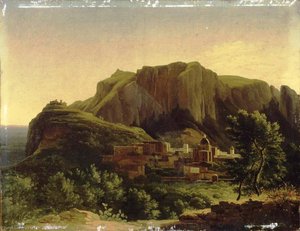
Self-Portrait
 Oil On Canvas
- WallArt
- Neoclassicism
 1800
1800 59.0 x 46.0 cm
 에르미타주 박물관
 더 보기
더 보기




































작품의 원본 비율을 유지하는 미리 설정된 크기 중에서 선택하세요.

특정 프레임이나 공간에 맞도록 직접 크기를 입력할 수 있습니다. 선택하신 크기가 원본 이미지의 비율과 일치하지 않는 경우, 작품을 자르거나 추가적인 손으로 그린 요소를 사용하여 그림을 확장합니다. 제작 시작 전 승인을 위해 디지털 목업을 보내드립니다.
화면 미리 보기는 실제 자르기 또는 확장을 반영하지 않습니다. 최종 구성은 목업을 통해서만 정확하게 확인하실 수 있습니다.
맞춤 크기 제작도 가능하지만, 원본 비율을 유지하기 위해 사전 정의된 목록에서 크기를 선택하시는 것을 권장합니다.
주문 후 OriginalUniqueArt.com 팀에서 상세 안내를 위해 고객님께 이메일을 보내드리며, 미리보기 시안을 제공해 드립니다.


 유리 옵션은 110cm 미만 크기에서만 선택 가능합니다.

Self-Portrait
재현 기법
복제본 크기
-


최종 결제 금액
$ 300
작품 상세 설명
A Bridge Between Worlds: The Life and Art of Anne-Louis Girodet
Anne-Louis Girodet de Roussy-Trioson, a name perhaps less instantly recognizable than his teacher Jacques-Louis David, nevertheless occupies a pivotal position in the transition from Neoclassicism to Romanticism. Born in Montargis, France, in 1767, Girodet’s artistic journey was one of both rigorous academic training and burgeoning emotional expression—a delicate balance that defined his unique style and secured his place as a significant figure in French art. His early life was marked by loss; the deaths of both parents left his upbringing to a guardian, Benoît-François Trioson, a physician who would later become his adoptive father and whose influence remained constant throughout Girodet’s career. This familial connection ultimately led to the artist adopting “Trioson” as part of his name in 1806, signifying a deep personal bond alongside his artistic identity. Initially drawn to architecture, Girodet soon found himself captivated by painting, recognizing its capacity for conveying profound emotion and capturing fleeting moments of beauty—a fascination that would shape his entire oeuvre. David’s mentorship proved invaluable, grounding Girodet in the principles of Neoclassicism while simultaneously nurturing his burgeoning Romantic sensibilities. Girodet absorbed David's mastery of form and composition, diligently studying classical sculpture and striving for idealized representations of human figures. However, unlike David’s unwavering adherence to strict stylistic conventions, Girodet embraced a looser approach, experimenting with expressive brushstrokes and incorporating dramatic lighting—techniques that would herald the arrival of Romanticism on French artistic horizons. This duality is palpable in his work, where meticulous anatomical accuracy coexists with palpable emotional intensity. The painting under scrutiny, “Self-Portrait,” exemplifies this masterful synthesis. Executed around 1800, it’s a striking testament to Girodet's ability to distill the complexities of human experience into a single visual image. Presented against a dark background—a deliberate choice that underscores the subject’s introspection—the portrait depicts a young man in a three-quarter pose, bathed in the warm glow of candlelight. The artist meticulously rendered his facial features with remarkable precision, utilizing chiaroscuro to sculpt volume and create an illusion of depth. Lines define the contours of his face, highlighting the subtle musculature beneath the skin, while carefully placed folds in his clothing emphasize texture and contribute to the overall sense of realism. Beyond its technical brilliance, “Self-Portrait” resonates with symbolic significance. The darkened backdrop serves as a metaphor for the inner landscape of consciousness—the realm of thoughts, feelings, and memories that lie hidden beneath the surface of outward appearance. Girodet’s gaze is direct yet melancholic, conveying a profound awareness of mortality and an acceptance of life's inevitable sorrows. The artist’s meticulous attention to detail—from the delicate curls of his hair to the intricate folds of his ruffled collar—reflects a desire for control and order amidst the chaos of emotion. Yet, simultaneously, there is a palpable vulnerability, hinting at the artist’s recognition of his own limitations as a human being. The painting's style – Romanticism – distinguishes itself from its predecessor through an emphasis on subjective experience and emotional expression. Girodet skillfully employs dramatic lighting to heighten the mood, creating a sense of drama and capturing the ephemeral beauty of candlelight. The textured surface of the canvas—likely oil paint—further enhances the visual impact, conveying a palpable physicality that contrasts with the idealized forms favored by Neoclassicism. “Self-Portrait” stands as a cornerstone of Romantic art, demonstrating how artists can transform observation into profound contemplation and imbue their creations with enduring emotional resonance. It remains an inspiring example for interior designers seeking to evoke atmosphere and convey sophistication—a timeless masterpiece capturing the essence of human emotion and artistic innovation.작가 약력
몽타르지에서 태어난 예술가: 안느 루이 지로데의 삶과 시대
안느 루이 지로데 드 루시 트리오송(Anne-Louis Girodet de Roussy-Trioson)은 자크 루이 다비드의 즉각적인 명성을 누리지 못했지만, 신고전주의에서 낭만주의로 전환되는 중요한 위치를 차지합니다. 1767년 프랑스 몽타르지에서 태어난 지로데의 예술 여정은 엄격한 학문적 훈련과 싹트는 감정 표현이 결합된 것이었습니다. 이러한 섬세한 균형은 그의 독특한 스타일을 정의하고 프랑스 미술계에서 중요한 인물로서의 입지를 확고히 했습니다. 그의 초기 삶은 부모님의 죽음으로 인해 슬픔으로 가득했습니다. 양육은 의사이자 나중에 그의 입양 아버지이자 경력 내내 끊임없이 영향을 미친 베누아-프랑수아 트리오송에게 맡겨졌습니다. 이 가족 관계는 결국 1806년에 지로데가 “트리오송”을 이름에 추가하게 되었고, 예술적 정체성뿐만 아니라 깊은 개인적인 유대감을 상징했습니다. 처음에는 건축에 매료되었지만 곧 회화에 사로잡혀 다비드의 작업실에 들어가 당시 널리 퍼져 있던 신고전주의 미학에 몰두했습니다. 명확성, 정확성, 도덕적 엄중함을 강조하는 이 기초는 그의 형태와 구성을 마스터하는 데 매우 중요했으며, 심지어 그의 작품이 엄격한 고전 원칙에서 벗어나기 시작했을 때도 분명하게 드러났습니다. 22세의 어린 나이에 요셉과 형제들의 이야기를 묘사하여 Prix de Rome에서 승리하면서 유망한 미래를 예고했고, 이탈리아에서의 다음 몇 년(1789-1793)은 *히포크라테스가 아르탁세르크스의 선물을 거절하는 장면*과 *잠자는 엔디미온*과 같은 찬사를 받은 작품을 탄생시키며 중요한 시기였습니다.신고전주의의 엄격함에서 낭만주의적 감성으로
지로데의 예술적 진화는 과거와의 갑작스러운 단절이 아니라 기존 신고전주의 틀에 새로운 감성을 점진적으로 불어넣는 것이었습니다. 그는 다비드 학파의 명확성과 정확성을 유지하면서도 그의 작품은 점점 더 강렬한 감정을 포용하고 이전에는 관례로 여겨지지 않았던 주제를 탐구했습니다. 이러한 변화는 *홍수 장면*과 같은 기념비적인 캔버스에서 특히 두드러지며, 극적인 행동과 원초적인 감정을 보여줍니다. 또한 샤토브리앙의 작품에 깊이 공감하며 비극적 아름다움을 표현한 *무덤가의 아탈라*도 낭만주의자들이 열광했던 병통과 이국주의를 반영했습니다. 그러나 그의 예술적 비전을 가장 잘 보여주는 것은 8년 동안 몰두했던 야심찬 프로젝트인 *피그말리온과 갈라테아*였습니다. 현재 루브르 박물관에 소장되어 있는 이 작품은 세부적인 주의뿐만 아니라 심리적 복잡성과 관능을 신화적 주제로 탐구하려는 의지를 보여줍니다. 그의 재능은 신화 및 문학적 주제를 넘어 보나파르트 가족 구성원의 초상화에도 확장되었으며, 그는 신고전주의적 형식과 개인의 성격을 포착하려는 시도를 능숙하게 균형을 맞췄습니다. *카이로 반란*은 역사적 사건을 묘사하며 역동적인 행동과 감정적 깊이를 전달하는 그의 능력을 더욱 보여줍니다.에로틱한 암시와 문학적 영감의 선구자
지로데를 동시대 작가들과 차별화시킨 진정한 특징은 그림에 에로티즘 요소를 통합하려는 의지였습니다. 이는 단순한 선정주의가 아니라 열정, 욕망, 인간 경험의 복잡성에 대한 낭만주의적 관심사를 반영하는 대담한 시도였습니다. 그의 문학에 대한 매혹 또한 그의 예술에 심오한 영향을 미쳤습니다. 그는 단순히 이야기를 설명하지 않았고, 종종 극적인 표현과 심리적 탐구를 허용하는 주제를 선택하여 그들의 감정적 핵심을 포착하려고 노력했습니다. 샤토브리앙의 영향은 특히 그의 작품에서 두드러지며, 작가의 작품에서 영감을 얻은 초상화와 장면에서 볼 수 있습니다. 이 문학적 성향은 역사적이거나 신화적인 내러티브에만 집중하는 예술가들과 그를 차별화하여 창작물에 지적인 깊이를 더했습니다. *오시안과 프랑스 장군들*은 문학과 예술의 융합을 보여주는 증거로, 맥퍼슨의 오시안 시에서 가져온 이미지와 전사한 영웅들의 초상화를 결합한 독특하고 감동적인 구성을 보여줍니다.유산과 지속적인 영향
정치적으로 두드러진 동시대 작가인 다비드의 그늘에 가려지는 경우가 많았지만, 안느 루이 지로데는 미술계에 지울 수 없는 족적을 남겼습니다. 초기 낭만주의 운동에 대한 그의 기여는 부인할 수 없으며, 그는 신고전주의의 합리적인 질서와 낭만주의의 감정적 강렬함 사이의 격차를 해소하는 데 도움을 주었습니다. 그는 회화 아카데미와 프랑스 연구소의 존경받는 회원이었고, 레지옹 도뇌르 훈장을 받는 등 그의 예술적 업적과 사회적 지위를 인정받았습니다. 그의 작품은 기술적인 뛰어남, 극적인 힘, 심리적 통찰력으로 인해 계속해서 감탄을 받고 있습니다. 그의 고향인 몽타르지에 있는 지로데 박물관과 파리의 루브르 박물관에서 볼 수 있으며, 그의 유산은 미래 세대를 위해 보존됩니다. 지로데의 관례에 도전하고 새로운 예술적 영역을 탐구하려는 의지는 그를 설득력 있는 인물이자 미술사에서 두 가지 중요한 운동 사이의 진정한 선구자로 만듭니다. 그는 전통과 실험의 사려 깊은 종합을 보여주며 혁신이 종종 발생한다는 것을 입증합니다.
안느 루이 지로데
1767 - 1824 , 프랑스
주요 정보
- Artistic Movement Or Style: 신고전주의 & 낭만주의
- Artists Or Movements Influenced By This Artist: ['초기 낭만주의']
- Artists Who Influenced This Artist: ['Jacques-Louis David']
- Date Of Birth: 1767년
- Date Of Death: 1824년
- Full Name: Anne-Louis Girodet de Roussy-Trioson
- Nationality: 프랑스인
- Notable Artworks (List Of Titles):
- Scène de déluge
- Atala au tombeau
- Pygmalion et Galatée
- Place Of Birth (City And Country): 프랑스 몽타르기
관련 기사 더 보기

The Enduring Legacy of Oil on Canvas: Technique, History & Aesthetic Impact
Explore the rich history & techniques of oil painting – from Renaissance masters to Impressionism. Discover pigments, layering methods, and why this timeless medium endures. Expert insights for artists & art enthusiasts.

Oil on Canvas: A Historical & Technical Exploration of a Timeless Artistic Medium
Explore the rich history & enduring techniques of oil painting on canvas. Discover the science behind its longevity, conservation practices, and contemporary relevance. Expert insights for art enthusiasts.

캔버스의 유산: 기법, 역사 그리고 현대적 실천
유화의 역사와 기법부터 현대적 실천까지, 캔버스의 모든 것을 심도 있게 다룹니다. 주요 화가들의 작품 분석과 유화 제작 과정을 상세히 안내하며, 아트 컬렉션을 위한 최고의 정보를 제공합니다.
The Soul of Impressionism: Why Oil on Canvas Captures Eternal Light and Timeless Emotion
Discover the enchanting alchemy of Impressionism. Explore how the mastery of oil on canvas, through glazing and impasto, captures eternal light and emotion. Perfect for lovers of Monet and Van Gogh seeking the profound depth of hand-painted fine art.
Oil on Canvas Masters: 10 Paintings That Redefined Art History |
Journey through art history with our guide to 10 legendary oil on canvas masterpieces! Explore iconic works by Van Gogh, Monet & Rembrandt. Find museum-quality reproductions and elevate your home decor at . Discover all masterpieces online.