 미리보기
미리보기
 공유하기
공유하기 공유하기
공유하기
 상세 정보
상세 정보 가이드 보기

 다운로드
다운로드
 유사 작품 더 보기
 X-레이
X-레이 슬라이드 쇼 보기
 질의응답
질의응답 통계 정보
통계 정보Warren de la Rue

- 106.0 x 80.0 cm


 더 보기
더 보기
웹 미리보기 화면을 훨씬 뛰어넘는 인쇄용 파일을 만나보세요. 저희가 판매하는 모든 디지털 이미지는 스톡 데이터베이스 내의 고해상도 마스터 파일(일반적으로 가로 5,000~15,000픽셀)을 기반으로 합니다. 따라서 대형 인쇄나 정밀한 크롭 작업 시에도 세밀한 디테일을 자신 있게 구현할 수 있습니다.
저희 스튜디오를 거치는 모든 파일은 정교한 손길을 거칩니다. 디지털 전문가가 원작과 대조하여 색상을 점검하고 필요 시 보정하며, 전문 리터칭 도구를 사용하여 선명도와 디테일을 높입니다. 이 과정에서 작가의 붓 터치와 화풍을 충실히 유지하는 것을 원칙으로 합니다. 그 결과, 단순한 스캔본에 필터를 입힌 듯한 느낌이 아닌, 마치 실제 회화 작품을 보는 듯한 이미지를 구현해냅니다.
최종 완료 전 확인 단계가 있습니다. 전문가가 검토하실 수 있도록 72시간 이내에 이미지를 이메일로 보내드립니다. 결과물이 만족스럽지 않으신가요? 수정이나 보완을 요청하시거나, 품질이 기대에 미치지 못할 경우 환불을 요청하실 수 있습니다.
출판사, 디자인 스튜디오, 갤러리 및 인쇄소가 신뢰하는 바로 그 품질입니다.
디지털 이미지
개인 소장 및 전시, 인쇄, 창작 프로젝트를 위한 고해상도 파일을 다운로드하세요. ( 프린트 판매로 전환 수작업 채색 복제본 주문하기)
모든 디지털 이미지 주문 시 포함되는 혜택
전문적인 디지털 이미지 전송 보장
OriginalUniqueArt.com를 선택하시면 단순히 이미지를 받는 것을 넘어, 정밀한 보정 과정을 거쳐 완성된 전문적인 디지털 예술 작품을 만나보실 수 있습니다. 모든 주문에는 만족 보장 서비스가 포함되어 있으며, 다음과 같은 사항들이 자동으로 제공됩니다:

빠른 이메일 전송
주문 후 72시간 이내에 고해상도 디지털 이미지 파일이 이메일로 발송되며, 즉시 사용하실 수 있습니다.

AI 기술로 최적화된 디지털 파일
귀하의 작품은 첨단 AI 기술과 정교한 수동 편집 과정을 거쳐 전문적으로 최적화되며, 이를 통해 디테일과 선명도, 색상의 정확도를 극대화합니다.

평생 무료 재전송 서비스
파일을 실수로 삭제하거나 분실하셨나요? 걱정 마세요. 언제든 무료로 다시 보내드립니다.

추가 수입 비용 없음 - 언제나
관세, 부가세, 배송비 부담 없이 작품을 즉시 소장하세요 - 디지털 다운로드는 언제나 면세 혜택이 적용됩니다.

정확한 색상 보장
전문적인 도구와 색상 관리 시스템을 통해 디지털 이미지가 원본의 색상을 최대한 정확하게 구현하도록 보장합니다.

100일 만족 보장제
구매하신 디지털 이미지에 만족하지 못하실 경우, 100일 이내에 별도의 조건 없이 수정 또는 100% 환불을 진행해 드립니다.

100% 환불 보장
만족스럽지 않으신가요? 디지털 파일을 받으신 후 100일 이내라면 어떤 이유로든 조건 없이 전액 환불해 드립니다.

대량 주문 할인
이미지 3매 구매 시 10% 할인 - 5매 구매 시 15% 할인 - 10매 이상 구매 시 20% 할인. 크리에이티브 프로젝트, 갤러리, 에이전시에 매우 유용합니다.
A Glimpse into Victorian Dignity
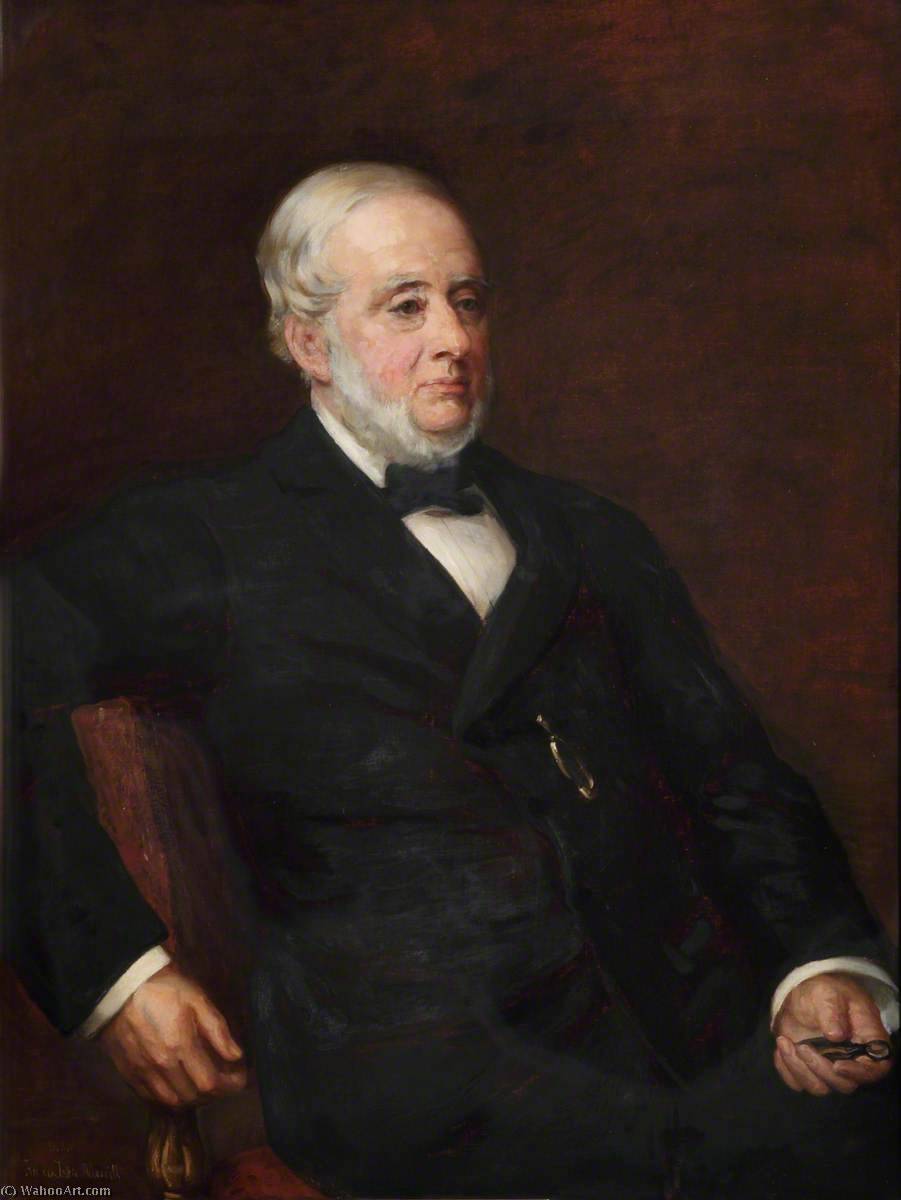
In the quiet, somber depths of Anna Lea Merritt’s 1886 masterpiece, Warren de la Rue, we encounter more than just a portrait; we enter a profound meditation on character and time. This exquisite oil on canvas captures an elderly gentleman seated with a composed, contemplative stillness that commands the viewer's respect. As he sits in his chair, hands clasped in a gesture of quiet reflection, the painting transcends simple representation to become a study of a life lived with purpose. The subject, dressed in the formal attire of the late 19th century—a meticulously rendered suit and tie—serves as an anchor for a composition that feels both intimate and monumental.
The atmosphere of the piece is thick with the weight of history and the dignity of age. Merritt, an artist whose American roots and European training allowed her to bridge different artistic sensibilities, utilizes a dark, indistinct background to push the subject toward the foreground. This technique creates a dramatic chiaroscroll effect, where light seems to emerge from the shadows to illuminate the textures of the man's weathered skin and the fine weave of his clothing. For the collector or interior designer, this painting offers a sense of grounded permanence, making it an ideal centerpiece for spaces that value tradition, intellectual depth, and a touch of Victorian gravitas.
Mastery of Light and Texture
Technically, Warren de la Rue is a triumph of the realistic style, showcasing Merritt’s exceptional ability to manipulate oil paint to mimic the physical world. The artist employs a sophisticated layering technique, building up colors to create a palpable sense of three-dimensionality. One cannot help but notice the way the light, seemingly emanating from a single source above and to the side, catches the subtle highlights on the subject's face and the structural lines of his chair. This careful management of light does more than define shape; it breathes life into the inanimate, lending a soft glow to the fabric and a rugged authenticity to the wood grain.
The color palette is intentionally restrained, dominated by deep browns, blacks, and charcoal tones, which are punctuated by the stark, honest whites and greys of the subject's features. This monochromatic leaning enhances the somber, serious tone of the work, ensuring that the viewer's focus remains entirely on the psychological depth of the sitter. The brushwork, while precise enough to capture the intricate details of a collar or a button, retains a painterly texture that reminds us of the artist's hand, adding an organic warmth to the formal composition.
Symbolism and Emotional Resonance
Beyond its technical brilliance, the painting serves as a powerful symbol of status and the enduring nature of the human spirit. In the context of the late 19th century, such a portrait was a declaration of wealth and social standing, yet Merritt imbues it with a much more personal, emotional resonance. The clasped hands and the steady, serious gaze suggest a man lost in thought, perhaps reflecting on the triumphs and tribulations of his long journey. There is a quiet melancholy present in the shadows, a reminder of the passage of time that invites the viewer to reflect on their own experiences.
For those looking to adorn a home or gallery with a high-quality reproduction, this work offers an unparalleled opportunity to introduce a sense of narrative and soul into a room. It is not merely a decorative object but a window into a bygone era of elegance and introspection. Whether placed in a study, a library, or a formal dining area, Warren de la Rue acts as a silent interlocutor, sparking conversation and providing a sophisticated focal point that celebrates the beauty of realism and the profound dignity of the human condition.
질의응답
"Warren de la Rue"을(를) 전체 화면 슬라이드쇼로 감상할 수 있나요?
슬라이드쇼로 감상하기: Anna Lea Merritt의 "Warren de la Rue"의 슬라이드쇼 페이지.
Anna Lea Merritt의 "Warren de la Rue"의 복제화가 공간에 어떤 분위기를 선사할까요?
Anna Lea Merritt의 "Warren de la Rue"은(는) Elegant 분위기를 자아내며, Living Room에 추천하는 작품입니다. 무드란 작품이 주변 공간에 선사하는 정취를 의미합니다.
"Warren de la Rue"의 색상들은 빛을 어느 정도나 반사하는 것처럼 보이나요?
"Warren de la Rue"의 색상은 Dark 정도의 휘도를 나타냅니다.
작가 소개
A Transatlantic Life in Art: The Story of Anna Lea Merritt
Anna Lea Merritt, born in Philadelphia in 1844, embodies a fascinating intersection of American origins and British artistic flourishing. Her life was one of dedicated study, personal tragedy, and ultimately, significant achievement within the Victorian art world. Coming from an affluent Quaker family, she benefited from opportunities for education uncommon for women of her time, initially pursuing studies that even touched upon medicine – a testament to her intellectual curiosity and keen observation of the human form, qualities that would later deeply inform her portraiture. The family’s relocation to Europe in 1865 proved pivotal, exposing Merritt to the artistic currents of the continent and providing access to instruction from esteemed artists like Stefano Ussi, Heinrich Hoffman, Léon Cogniet, and Alphonse Legros. This period was formative, broadening her technical skills and aesthetic sensibilities as she absorbed diverse influences that would shape her unique style. The move to London in 1870, prompted by the shadow of the Franco-Prussian War, marked a decisive shift, setting the stage for her mature artistic career and integration into the British art scene.Love, Loss, and Artistic Resilience
Merritt’s personal life was dramatically altered by her marriage in 1877 to Henry Merritt, an accomplished art critic and conservator who became both her mentor and husband. This union, tragically brief – lasting only three months before his untimely death – profoundly impacted her artistic trajectory. The grief she experienced found its most poignant expression in Love Locked Out, a deeply symbolic work created as a memorial to Henry. Depicting Cupid poised before a locked door, the painting speaks of longing and unattainable reunion. Merritt was initially hesitant to allow reproductions of this intensely personal piece, fearing misinterpretations of its delicate symbolism. Despite numerous requests, she guarded its meaning closely, recognizing the vulnerability inherent in sharing such raw emotion through her art. Yet, from this profound loss emerged a renewed dedication to her craft. She resolutely returned to painting, demonstrating remarkable resilience and a commitment to honoring her husband’s memory through continued artistic creation.A Multifaceted Artistic Practice
Anna Lea Merritt's artistic range was remarkably diverse. While celebrated for her evocative portraits – capturing the likenesses of notable figures like James Russell Lowell and Dr. Oliver Wendell Holmes with sensitivity and skill – she also excelled in landscapes and religious scenes. Her work often reveals a distinct Pre-Raphaelite influence, characterized by meticulous detail, rich symbolism, and a narrative quality that draws the viewer into the scene. This is particularly evident in her ambitious decorative projects, most notably the murals at St. Martin’s Church in Blackheath Village. These depictions of scenes from the life of Christ were executed using an innovative technique – painting on dry plaster with silicone-based paints – designed to combat the damp conditions prevalent in English churches. Beyond these grander undertakings, Merritt explored a unique niche combining floral symbolism with representations of women. These paintings often portray women embodying qualities associated with flowers—grace, beauty, and a certain languor—reflecting emerging feminist perspectives within the artistic landscape of the late 19th century.Legacy and Breaking Barriers
Despite her American birth, Anna Lea Merritt achieved considerable recognition in England during her lifetime. She exhibited regularly at prestigious venues like the Royal Academy, establishing herself as a respected artist within the British art establishment. Her most significant achievement came with Love Locked Out, which became the first painting by a woman artist to be acquired for the British national collection through the Chantrey Bequest – a landmark moment in recognizing female artistic talent. Merritt was also a thoughtful commentator on the challenges faced by women artists, acknowledging the societal pressures and the often-unacknowledged support roles played by husbands or family members in enabling their creative pursuits. Her writings offer valuable insights into the realities of navigating a male-dominated art world. Anna Lea Merritt’s career stands as a testament to her talent, perseverance, and contribution to a broader understanding of artistic expression beyond traditional boundaries. She died in 1930, leaving behind a legacy that continues to inspire and resonate with those who appreciate the beauty and depth of her work.
Anna Lea Merritt
1844 - 1930 , United States of America
주요 정보
- Full Name: Anna Lea Merritt
- Nationality: American/British
- Date Of Birth: 1844
- Date Of Death: 1930
- Place Of Birth: Philadelphia, United States of America
- Notable Artworks:
- Love Locked Out
- Warren de la Rue
- Henry Merritt
- Artistic Movement Or Style: Pre-Raphaelite
- Artists Who Influenced This Artist:
- Stefano Ussi
- Heinrich Hoffman
- Léon Cogniet
- Alphonse Legros