프린트 판매로 전환
 더 보기
더 보기







































 가로 또는 세로 중 어느 한 면이라도 105cm(약 41인치)를 초과하는 작품이나 복제화의 경우, 프레임은 분해된 키트 형태로 배송됩니다. 이는 안전한 배송을 보장하고 운송 중 발생할 수 있는 손상을 방지하기 위함입니다.


A Symphony of Petals and Light
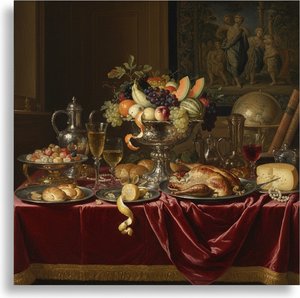
In the quiet splendor of Still Life (2), Anna Elisabeth Ruysch invites us into a world where time seems to suspend itself amidst the delicate arrangement of nature's finest offerings. Created around 1690, this masterpiece serves as a breathtaking testament to the Dutch Golden Age, a period when the mastery of light and texture reached unparalleled heights. The composition centers on a lush bouquet, where roses and carnations emerge from a stately vase with such vitality that one can almost sense the faint fragrance lingering in the air. Each petal is rendered with a meticulous devotion to reality, capturing the soft velvet of a blooming rose alongside the crisp, intricate edges of a carnation. This is not merely a depiction of flora; it is an immersive experience of botanical elegance.
The artist’s technique reveals a profound connection to the scientific precision of her era. Growing up in the household of the renowned botanist Frederik Ruysseb, Anna Elisabeth possessed an eye trained by both art and anatomy. This dual heritage is evident in the way she handles the interplay of light and shadow. The vibrant, rich colors of the flowers are balanced by the subtle, grounded presence of an apple and an orange resting upon the table, adding a sense of weight and earthly permanence to the ephemeral beauty of the blossoms. The brushwork, though incredibly fine, possesses a fluid grace that allows the light to dance across the surfaces, creating a luminous quality that breathes life into every element of the still life.
Symbolism and the Elegance of Permanence
Beyond its surface beauty, the painting carries a profound symbolic weight characteristic of seventeenth-century Dutch art. The arrangement of seasonal flowers, often blooming at different times, serves as a memento mori—a gentle reminder of the fleeting nature of life and the transient beauty of the natural world. Yet, through Ruysch’s masterful hand, this transience is captured and made eternal. The inclusion of ripe fruit suggests abundance and the bounty of the earth, while the opulent gold frame that surrounds the work elevates the subject matter from a simple domestic scene to an object of high prestige and contemplation.
For the discerning collector or interior designer, this artwork offers more than just visual delight; it provides a focal point of sophisticated character. The deep, saturated tones and the classical arrangement make it an ideal centerpiece for spaces that demand a sense of history and luxury. Whether placed in a sunlit morning room to evoke freshness or in a formal study to add a layer of academic depth, Still Life (2) brings with it an atmosphere of quiet dignity. It is a piece that does not merely decorate a wall but enriches the very soul of a room, offering a timeless window into a vanished era of botanical wonder.
질의응답
"Still Life (2)"을(를) 선물로 전할 때 어떤 느낌을 줄까요?
"Still Life (2)"은(는) Calm 분위기를 자아내며, Anniversary에게 선물하기 좋습니다.
1690년에 제작된 "Still Life (2)"은(는) Anna Elisabeth Ruysch의 커리어 중 어느 시기에 해당하나요?
1690년에 제작된 "Still Life (2)"은(는) Anna Elisabeth Ruysch의 Mature Period 시기에 해당합니다.
Anna Elisabeth Ruysch의 "Still Life (2)"의 디지털 이미지는 어디에서 구매할 수 있나요?
Anna Elisabeth Ruysch의 "Still Life (2)"의 디지털 이미지는 다음의 디지털 이미지 파일 페이지에서 구매하실 수 있습니다: 고해상도 디지털 이미지 다운로드.
이 작품에 대해 더 알아보기
 미리보기
미리보기
 공유하기
공유하기 공유하기
공유하기
 상세 정보
상세 정보 가이드 보기

 다운로드
다운로드
 유사 작품 더 보기
 X-레이
X-레이 슬라이드 쇼 보기
 질의응답
질의응답 통계 정보
통계 정보