프린트 판매로 전환
 더 보기
더 보기







































 가로 또는 세로 중 어느 한 면이라도 105cm(약 41인치)를 초과하는 작품이나 복제화의 경우, 프레임은 분해된 키트 형태로 배송됩니다. 이는 안전한 배송을 보장하고 운송 중 발생할 수 있는 손상을 방지하기 위함입니다.


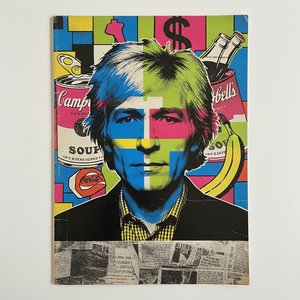
A Dance of Image and Illusion: Examining Warhol’s Untitled (3299)
Andy Warhol's "untitled (3299)" isn’t merely a depiction of a dance studio; it’s an encapsulation of the pervasive influence of celebrity culture within Pop Art, rendered with Warhol’s signature silkscreen technique. Created sometime in the late 1960s – though precise dating remains elusive – this piece exemplifies Warhol's fascination with repetition and mass production, transforming a seemingly mundane scene into a monumental statement about artistic process and visual perception. The photograph captures a ballet studio bathed in soft light, populated by women engaged in movement—a deliberate choice reflecting the artist’s preoccupation with performance and spectacle.- Subject Matter: The image focuses on a ballet rehearsal, highlighting the physicality of dance alongside its aesthetic qualities.
- Style: Warhol's distinctive Pop Art style prioritizes bold color palettes and simplified forms, rejecting traditional artistic conventions in favor of mirroring the visual language of advertising and popular culture.
- Technique: Warhol employed a silkscreen printing process—a method perfected during his time as a commercial illustrator—allowing for rapid replication and emphasizing the concept of mechanical reproduction. This technique deliberately undermines notions of originality, presenting an image as multiple copies rather than a singular artistic creation.
Historical Context: Warhol’s Engagement with Celebrity
Warhol's oeuvre is inextricably linked to the burgeoning fascination with celebrity during the mid-century American Dream era. He drew inspiration from figures like Marilyn Monroe and Elvis Presley, elevating them to iconographic status through his repeated silkscreen prints. “untitled (3299)” participates in this broader trend, mirroring Warhol’s broader exploration of fame and its impact on identity—a theme that resonates powerfully with the anxieties and aspirations of the time. The studio setting itself serves as a visual shorthand for aspiration and disciplined practice – elements Warhol skillfully distilled into his artistic vision.Symbolism Beyond Representation: Layers of Meaning
While superficially appearing straightforward, "untitled (3299)" harbors deeper symbolic resonances. The repetition inherent in the silkscreen process speaks to Warhol’s desire to challenge notions of authorship and originality, questioning whether an image can truly convey emotion or experience when disseminated widely. Furthermore, the ballet dancers embody grace, precision, and controlled movement—qualities that Warhol juxtaposes against the chaotic energy of popular culture, prompting viewers to contemplate the relationship between artifice and authenticity.Emotional Impact: A Reflection on Perception
Ultimately, Warhol’s masterpiece invites contemplation about how we perceive images and how repetition shapes our understanding of reality. The muted color scheme contributes to a sense of stillness and observation, encouraging viewers to consider the scene as both an aesthetic experience and a commentary on the cultural landscape. Like many of Warhol's works, “untitled (3299)” transcends mere visual representation, becoming a meditation on the transformative power of art and its ability to provoke thought—a legacy that continues to inspire artists and collectors alike.질의응답
"untitled (3299)"은(는) 앤디 워홀의 예술적 발전 단계 중 어느 시기를 나타냅니까?
"untitled (3299)"은(는) 앤디 워홀의 예술적 생애 중 Mature Period 시기의 작품입니다. 이 분류를 통해 해당 작품을 작가의 예술적 발전 과정과 연결해 볼 수 있습니다.
앤디 워홀의 "untitled (3299)"의 휘도는 어느 정도인가요?
앤디 워홀의 "untitled (3299)"의 기록된 휘도는 Gentle Luminance입니다.
"untitled (3299)"은(는) 어느 작가의 작품인가요?
"untitled (3299)"의 작가는 앤디 워홀입니다. 이 작품은 앤디 워홀의 이름으로 등록되어 있습니다.
이 작품에 대해 더 알아보기
 미리보기
미리보기
 공유하기
공유하기 공유하기
공유하기
 상세 정보
상세 정보 가이드 보기

 다운로드
다운로드
 유사 작품 더 보기
 X-레이
X-레이 슬라이드 쇼 보기
 질의응답
질의응답 통계 정보
통계 정보