프린트 판매로 전환
 더 보기
더 보기







































 가로 또는 세로 중 어느 한 면이라도 105cm(약 41인치)를 초과하는 작품이나 복제화의 경우, 프레임은 분해된 키트 형태로 배송됩니다. 이는 안전한 배송을 보장하고 운송 중 발생할 수 있는 손상을 방지하기 위함입니다.


A Moment Frozen in Pop: Andy Warhol’s Iconic Time Magazine Cover
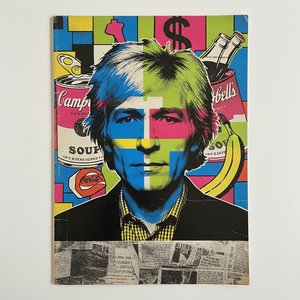
Andy Warhol's reimagining of Michael Jackson for TIME magazine in 1983 isn’t merely a portrait; it’s a crystallized explosion of celebrity, pop culture, and the very essence of Warhol’s artistic philosophy. This striking image transcends its origins as a news cover, evolving into a potent symbol of an era – the late 1980s, a time of unprecedented media saturation and the rise of the superstar. The painting captures Jackson in a moment of serene confidence, his signature smile radiating an almost unsettling stillness. The deliberate simplicity of the composition—a close-up of his face against a vibrant, pulsating background of yellow and red – immediately draws the viewer in, demanding attention and prompting reflection on the nature of fame and representation.
Pop Art’s Bold Embrace: Technique and Style
Warhol's signature technique—the silkscreen print—is crucial to understanding this work. He employed a process borrowed from commercial printing, applying ink through a stencil onto the canvas. This method, while seemingly straightforward, lends an incredible level of precision and flatness to the image, characteristic of Pop Art. The bold, saturated colors are not meant to mimic reality but rather to evoke immediate recognition and emotional response. Notice how the yellow and red aren’t blended; they exist as distinct blocks, creating a dynamic tension within the composition. The meticulous layering of color, achieved through multiple screens, is a testament to Warhol's dedication to his craft – a dedication that transformed everyday imagery into works of art.
Echoes of History: Magazine Culture and Celebrity
To appreciate this piece fully, it’s essential to consider the context of 1983. TIME magazine was already a powerful force in shaping public opinion, and featuring Michael Jackson on its cover represented a monumental cultural event. Jackson's unprecedented popularity—fueled by his music, dance moves, and global appeal—made him an irresistible subject for Warhol. The painting cleverly mirrors the glossy, highly-produced aesthetic of contemporary magazines, utilizing similar color palettes and compositional strategies. It’s a deliberate engagement with the visual language of mass media, questioning its influence on our perception of reality and celebrity.
Symbolism and the Cult of Personality
The image is rich in symbolic meaning. Michael Jackson's smile, often interpreted as enigmatic or even slightly unsettling, reflects the complex nature of fame – a carefully constructed persona presented to the world. The bright colors contribute to an almost overwhelming sense of spectacle, mirroring the relentless media attention surrounding Jackson at the time. Furthermore, the painting can be seen as a commentary on the commodification of celebrity; Warhol reduces Jackson’s image to its most recognizable elements—his face and smile—transforming him into a mass-produced icon. The inclusion of the two indistinct figures in the background subtly suggests the audience – the viewers consuming this spectacle.
OriginalUniqueArt offers meticulously crafted, hand-painted reproductions of Andy Warhol’s “Time Magazine Cover,” allowing you to bring this iconic piece into your home or office. Each reproduction captures the vibrancy and energy of the original while retaining the unique qualities of Warhol's distinctive style. Explore our collection today and own a piece of pop art history.
질의응답
"Time Magazine Cover"은 미술사적으로 어떤 위치를 차지하고 있습니까?
역사적으로 "Time Magazine Cover"은(는) 더 넓은 의미의 Contemporary 시대에 속하는 Pop Art 양식의 작품입니다.
"Time Magazine Cover"은(는) 어떤 내용을 담고 있나요?
"Time Magazine Cover"에 담긴 소재는 michael jackson, andy warhol, time magazine, pop art, celebrity, iconic image, silkscreen, american culture입니다.
앤디 워홀의 "Time Magazine Cover"을(를) 어떤 용도로 활용하기에 좋을까요?
앤디 워홀의 "Time Magazine Cover"의 복제본은 Statement에 활용하시기에 좋습니다. 이는 작품의 주제와 분위기, 그리고 색감을 고려한 제안입니다.
이 작품에 대해 더 알아보기
 미리보기
미리보기
 공유하기
공유하기 공유하기
공유하기
 상세 정보
상세 정보 가이드 보기

 다운로드
다운로드
 유사 작품 더 보기
 X-레이
X-레이 슬라이드 쇼 보기
 질의응답
질의응답 통계 정보
통계 정보