프린트 판매로 전환
 더 보기
더 보기







































 가로 또는 세로 중 어느 한 면이라도 105cm(약 41인치)를 초과하는 작품이나 복제화의 경우, 프레임은 분해된 키트 형태로 배송됩니다. 이는 안전한 배송을 보장하고 운송 중 발생할 수 있는 손상을 방지하기 위함입니다.


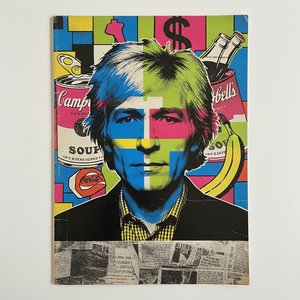
Andy Warhol’s Beethoven – A Dialogue Between Iconography and Pop Art
Andy Warhol's Beethoven is more than just a portrait; it’s a deliberate provocation—a masterful fusion of high culture and popular visual language that encapsulates the very essence of Pop Art. Created in 1987, shortly before Warhol’s untimely death, this silkscreen print transcends mere representation, delving into themes of fame, legacy, and the transformative power of repetition. Warhol's decision to depict Ludwig van Beethoven—a composer revered for his musical genius and enduring influence—was a calculated move, mirroring his fascination with celebrity culture and challenging traditional notions of artistic seriousness.- Pop Art emerged in the 1950s as a reaction against Abstract Expressionism’s emotional intensity, favoring instead bold colors, graphic simplicity, and imagery drawn from mass media.
- Andy Warhol was a leading figure in this movement, establishing Factory Additions to produce his iconic prints—Campbell's Soup Cans, Marilyn Monroe portraits, and more—demonstrating an unprecedented level of commercial success alongside artistic innovation.
- Warhol’s Beethoven print utilizes the source image of Joseph Karl Stieler’s 1820 portrait of Beethoven—a seminal depiction capturing the composer’s solemn gaze and intense concentration—transforming it into a Pop Art masterpiece.
The Artist's Method: Silkscreen Printing and Serial Reproduction
Warhol pioneered the technique of silkscreen printing, adapting it from commercial advertising to elevate it into an artistic medium. This method allowed for the creation of multiple identical prints from a single original image—a process that Warhol termed “mechanical reproduction.” The Beethoven print exemplifies this approach perfectly: Warhol meticulously transferred Stieler’s portrait onto silk screens, applying ink in layers to achieve vibrant colors and subtle tonal variations. He experimented with different colorways—Cream Yellow, Black, White, Purple—creating four distinct versions of the same image, highlighting Warhol's commitment to exploring the possibilities inherent within repetition and standardization.Symbolism Within Repetition: Beethoven as Cultural Icon
Warhol’s choice of Beethoven wasn’t arbitrary; it served as a deliberate commentary on the role of cultural icons in society. Beethoven represents intellectual achievement, artistic genius, and unwavering dedication—qualities Warhol himself admired. By presenting Beethoven in a bold graphic style alongside musical notes and books, Warhol underscores the intersection between high culture and popular culture, questioning whether fame diminishes or enhances artistic significance. The inclusion of sheet music symbolizes Beethoven’s creative process and reinforces the print's thematic core.A Legacy Enduring Beyond Its Time
Andy Warhol’s Beethoven remains a cornerstone of Pop Art history—a testament to his ability to redefine art’s boundaries and engage audiences with provocative ideas. It embodies Warhol’s fascination with celebrity culture, his mastery of printmaking techniques, and his unwavering belief in the transformative potential of repetition. Today, Warhol's work continues to inspire artists and collectors alike, securing its place as one of the most influential artistic statements of the 20th century. At OriginalUniqueArt.com, you can explore a vast collection of Warhol’s iconic prints—including Beethoven—and immerse yourself in the enduring legacy of this visionary artist.질의응답
"Beethoven"의 Pop Art 양식에는 어떤 정서적 어조가 담겨 있나요?
"Beethoven"은 Pop Art 운동의 흐름 속에서 Nostalgic 정서를 담아내고 있습니다.
"Beethoven"이(가) 공간에 어떤 분위기를 선사할까요?
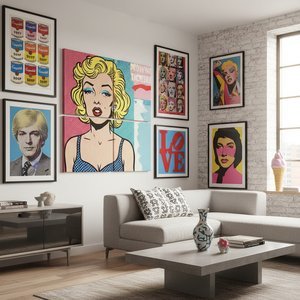
Classic 분위기를 자아내는 "Beethoven"은(는) Living Room에 추천합니다.
"Beethoven" 작품은 어떤 사이즈로 출력하는 것을 추천하시나요?
앤디 워홀의 "Beethoven" 작품은 Large 크기의 복제본을 추천합니다. 비율을 유지하면서 크기를 조정할 수 있습니다.
이 작품에 대해 더 알아보기
 미리보기
미리보기
 공유하기
공유하기 공유하기
공유하기
 상세 정보
상세 정보 가이드 보기

 다운로드
다운로드
 유사 작품 더 보기
 X-레이
X-레이 슬라이드 쇼 보기
 질의응답
질의응답 통계 정보
통계 정보