

 미리보기
미리보기
 공유하기
공유하기 공유하기
공유하기
 상세 정보
상세 정보

 다운로드
다운로드
 유사 작품
유사 작품 X-레이
X-레이 슬라이드 쇼
Self-Portrait
 Acrylic On Canvas
- WallArt
- Baroque Art
 1690
1690 160.0 x 117.0 cm
 우피치 미술관
 더 보기
더 보기
지클레 / 아트 프린트
빠른 제작과 다양한 마감 옵션을 제공하는 박물관 품질의 지클레이 또는 캔버스 프린트. ( 손으로 그린 그림 구매 이미지 구매)




P118B $10

P118H $10

P118W $10

P438Z $10

P508JH $12

P508YH $12

P805H $10

P805Z $10

P919BZ $10

P919G $10

P919XJ $10

P959ZH $10

P968JZ $12

W106C $8

W218G $10

W218JH $8

W218Y $10

W307PJ $10

W316G $10

W316PJ $8

W316Y $10

W398PJ $8

W4111J $10

W500HY $15

W500JH $15

W692G $12

W849H $8

W940BG $15

W953PJ $8




작품의 원본 비율을 유지하는 미리 설정된 크기 중에서 선택하세요.

특정 프레임이나 공간에 맞춰 직접 치수를 입력하실 수 있습니다. 선택하신 사이즈가 원본 이미지의 비율과 일치하지 않을 경우, 작품을 크롭(자르기)하거나 이미지를 대칭 또는 단색 채우기로 확장하여 제작합니다. 제작 시작 전, 최종 확인을 위해 디지털 목업이 전송됩니다.
화면상의 미리보기는 실제 크롭이나 확장 상태를 반영하지 않으므로, 최종 구도는 오직 목업을 통해서만 정확하게 확인하실 수 있습니다.
맞춤 사이즈 제작도 가능하지만, 원본 비율을 유지하기 위해서는 사전 정의된 목록에서 치수를 선택하시는 것을 권장합니다.


 유리 옵션은 110cm 미만 크기에서만 선택 가능합니다.

Self-Portrait
지클레 / 아트 프린트
복제본 크기
-


최종 결제 금액
$ 80
작품 상세 설명
A Window into Genius: Exploring Andrea Pozzo's Self-Portrait
Andrea Pozzo’s Self-Portrait, completed in 1690 and currently residing within the illustrious Galleria degli Uffizi in Florence, Italy, stands as a cornerstone of Baroque art—a testament to artistic innovation and psychological depth. More than just a depiction of an individual, it embodies Pozzo's profound understanding of perspective and his masterful manipulation of light and shadow, techniques that elevate the painting beyond mere representation into a captivating illusion.
- Artist’s Vision: Pozzo wasn’t merely capturing his likeness; he was actively engaging in a dialogue with artistic tradition. He famously pointed to a preparatory canvas depicting Sant'Ignazio Church’s monumental ceiling fresco, demonstrating his commitment to the revolutionary illusionistic style championed by artists like Caravaggio and Bernini—a style that sought to create an immersive experience for the viewer.
- Monochrome Sketch: The painting’s stark monochrome palette – primarily earthy browns and blacks – serves as a deliberate counterpoint to the vibrant colors of Sant'Ignazio’s fresco. This careful choice emphasizes the realism of Pozzo’s self-portrait, highlighting his meticulous attention to detail in capturing subtle nuances of light and shadow. It underscores Pozzo’s dedication to conveying emotion through tonal variation.
- Composition & Symbolism: Pozzo’s pose—head turned slightly to the side—is imbued with significance. This gesture invites contemplation and directs the viewer's gaze directly back at the artist, fostering a sense of intimacy and establishing a connection between creator and observer. The architectural backdrop – arches and columns reminiscent of Roman grandeur – reinforces the Baroque aesthetic and symbolizes stability and divine authority.
Technique & Innovation: Mastering Baroque Illusionism
Pozzo’s skill lies not only in his observational accuracy but also in his masterful execution. He employed oil paint on canvas, utilizing layering techniques to achieve remarkable depth and luminosity—characteristics quintessential to the Baroque period. The artist skillfully utilized chiaroscuro – dramatic contrasts between light and dark – creating a palpable sense of three-dimensionality that transcends the flatness of traditional painting.
- Perspective Mastery: Pozzo’s unwavering dedication to perspective is evident throughout the composition. He meticulously rendered architectural elements, mirroring Sant'Ignazio’s ceiling fresco, thereby reinforcing the illusionistic principles of his time and elevating the artwork beyond a simple portrait.
- Color Palette & Texture: Despite its monochrome appearance, Pozzo achieved textural richness through careful brushwork—creating subtle variations in tone that contribute to the painting’s overall atmosphere. The muted earth tones evoke warmth and serenity, reflecting Pozzo's contemplative demeanor.
Historical Context & Legacy
Created during a period of artistic fervor in Rome, Andrea Pozzo’s Self-Portrait reflects the broader cultural landscape of the Baroque era—a time marked by papal patronage and an obsession with grandeur. It stands alongside masterpieces by artists like John Singer Sargent and Diego Velázquez, demonstrating Pozzo's place within the canon of European art history.
A high-quality reproduction of Andrea Pozzo’s Self-Portrait is available at /art/list/?Filter=8Y3FUZ-Andrea-Pozzo-Self-Portrait. These reproductions utilize archival materials and meticulous craftsmanship, ensuring that you experience the beauty and intellectual richness of this iconic artwork.
For further exploration into Andrea Pozzo’s life and oeuvre, visit https://en.wikipedia.org/wiki/Andrea_Pozzo.
작가 약력
초기 생애와 예술적 형성
1642년 이탈리아 트렌토에서 안드레아스 푸테우스라는 이름으로 태어난 안드레아 포조는 쇠락해가는 르네상스와 태동하는 바로크 양식 사이의 과도기적 세계에 발을 내디뎠습니다. 그의 예술적 탐구는 지역 예수회 고등학교의 체계적인 환경 속에서 시작되었으며, 이곳에서 쌓은 인문학적 기초는 훗날 그의 작품 속에 흐르는 서사적 깊이의 밑거름이 되었습니다. 열일곱 살의 포조는 트렌토의 아직 알려지지 않은 한 화가 밑에서 정식 교육을 받기 시작하며, 훗날 유럽을 매료시킬 기술적 토대를 마련했습니다. 이 초기 도제 생활 이후 그는 안드레아 사키 양식으로 훈련받은 다른 화가들의 작업실을 거치며 탐구와 연마의 시간을 보냈고, 이를 통해 로마 하이 바로크의 원칙들을 깊이 체득했습니다. 또한 코모와 밀라노를 여행하며 예술적 지평을 넓혔으며, 다양한 영향력을 흡수하며 기술적 능력을 공고히 했습니다. 이 형성기 시절은 단순히 그의 손기술뿐만 아니라 구도와 색채, 그리고 빛과 그림자가 만들어내는 극적인 상호작능을 포착하는 안목을 길러준 결정적인 시기였습니다.신앙과 환영에 헌신한 삶
1665년 포조가 평신도 형제로 예수회에 입회하면서 그의 삶에는 중대한 전환점이 찾아왔습니다. 이 결정은 그의 예술적 소명을 예수회의 영적 사명과 돌이킬 수 없을 정도로 밀착시켰습니다. 그의 재능은 즉각적인 봉사로 이어졌으며, 모데나, 볼로냐, 아레초, 몬도비, 토리노 등 이탈리아 전역의 교회와 종교 건축물을 장식하며 그의 급성장하는 기량을 증명했습니다. 초기 작품에서는 풍부한 팔레트와 강렬한 chiaroscuro(키아로스쿠로)가 특징인 롬바르디아 학파의 영향이 나타납니다. 그러나 머지않아 포조는 자신의 유산을 정의하게 될 독창적인 환영 기법들을 발전시키기 시작했습니다. 정교하게 묘사된 가짜 금박, 설득력 있게 조각된 청동 빛상의 조형물, 사실적인 결이 살아있는 대리석 기둥, 그리고 무엇보다 유명한 평면 천장에 그려진 숨 막히는 trompe l'œil(트롬프 뢰유) 돔이 바로 그것입니다. 이러한 장식들은 단순한 미적 유희가 아니었습니다. 이는 반종교개혁의 핵심 원칙이었던 신앙의 힘을 강화하고 경외심을 불러일으키기 위해 치밀하게 계산된 전략이었습니다.콰드라투라의 승리: 산 이냐시오 성당과 그 너머
포조의 걸작이자 바로크 미술의 가장 찬란한 업적 중 하나로 꼽히는 것은 로마 산 이냐시오 성당의 신랑 천장화입니다. 1685년에서 1694년 사이에 완성된 이 기념비적인 프레스코화는 quadratura(콰드라투라) 기법의 정수를 보여줍니다. 수학적 원근법과 극적인 단축법을 사용하여 물리적으로 존재하지 않는 거대하고 솟구치는 건축 공간의 환영을 만들어내는 기술입니다. 천장은 마치 끝없는 하늘로 열려 있는 듯 보이며, 그 안에는 성인들과 천사들, 그리고 예수회 선교 활동을 상징하는 알레고리적 인물들이 가득합니다. 이 효과는 관람객에게 깊은 방향 감각의 상실과 동시에 벅찬 감동을 선사하며, 지상의 한계를 초월한 영적인 영역으로 인도합니다. 이는 단순한 기술적 숙련도를 넘어, 종교적 열정을 불러일으키기 위해 설계된 몰입형 경험이었습니다. 포조는 자신의 기여를 회화에만 국한하지 않았습니다. 1700년에는 류블랴나 대성당의 건축 설계안을 제공하기도 했는데, 이는 예술과 건축이 완벽하게 통합된 그의 총체적 비전을 보여줍니다. 아래에서 위로 올려다보는 구조를 활용한 di sotto in su(디 소토 인 수) 기법의 혁신적인 사용은 웅장함과 깊이의 환상을 더욱 극대화했습니다.유산과 이론적 공헌
안드레아 포조의 영향력은 그가 완성한 작품들을 훨씬 넘어 확장되었습니다. 그는 단순히 환영 예술을 실행하는 화가에 머물지 않고, 후대를 위해 그 원리를 체계화하고자 했던 이론가이기도 했습니다. 1693년과 1700년에 걸쳐 출간된 Perspectiva Pictorum et Architectorum(화가와 건축가를 위한 원근법)은 그의 기술을 세밀하게 기록한 논문으로, 유럽 전역의 예술가들에게 필수적인 지침서가 되었습니다. 이 저작은 바로크 시대의 선도적인 지성으로서 그의 위치를 공고히 해주었습니다. 또한 포조는 건축, 회화, 조각이 하나의 조화로운 예술적 경험으로 통합되는 Gesamtkunst(게잠트쿤스트, 총체 예술) 개념을 옹호했습니다. 그의 작업은 환영의 힘을 기만으로서가 아니라, 영혼을 고양시키고 신의 영광을 찬양하기 위한 수단으로서 증명하는 증거로 남아 있습니다. 1709년 빈에서 생을 마감한 그는 수 세기가 지난 지금까지도 경외와 경탄을 불러일으키는 유산을 남겼습니다. 그는 현실과 재현 사이의 경계를 재정의한 바로크의 거장이었습니다.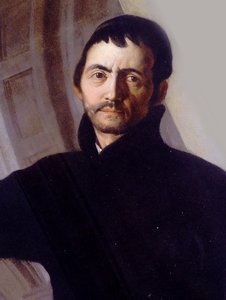
안드레아 포초
1642 - 1709 , 이탈리아
주요 정보
- Artistic Movement Or Style: 바로크
- Artists Or Movements Influenced By This Artist: ['바로크 시대 예술가들']
- Artists Who Influenced This Artist:
- 안드레아 사키
- 피터 파울 루벤스
- Date Of Birth: 1642
- Date Of Death: 1709
- Full Name: 안드레아 포초
- Nationality: 이탈리아
- Notable Artworks:
- 산티냐치오 천장화
- 겟세마네 동산의 예수
- 자화상
- Place Of Birth: 이탈리아 트렌토
관련 기사 더 보기

Drama and Light: A Definitive Guide to the Italian Baroque Masterpieces and the Revolution of Chiaroscuro
Explore the dramatic world of Italian Baroque art. Discover how masters like Caravaggio used chiaroscuro and tenebrism to revolutionize painting through light, shadow, and profound realism. A definitive guide for history lovers and art collectors.

The Dramatic Flourish: Exploring the Baroque Movement's Enduring Legacy in Art History
Explore the dramatic world of Baroque art! Discover iconic artists like Caravaggio & Rubens, defining techniques, and its lasting impact on art history. Expert insights for collectors & enthusiasts at OriginalUniqueArt.

화려함 속에 감춰진 진실! 바로크 미술을 정의한 10대 걸작 탐구
화려함과 극적인 표현이 압권! 바로크 미술을 대표하는 10대 걸작의 숨겨진 이야기를 만나보세요. 베르니니, 루벤스 등 거장의 작품부터 바로크 색감, 예술적 기법까지 – OriginalUniqueArt.com에서 명품 복제 & 인테리어 영감을 얻으세요! 지금 바로 컬렉션을 탐험해보세요.

바로크의 드라마: 현대 인테리어에 풍요로움과 감동을 불어넣기
바로크 예술의 풍요로운 세계를 탐험하고, 현대 인테리어에 감동을 불어넣는 방법을 OriginalUniqueArt에서 만나보세요. 카라바조, 렘브란트 등 거장들의 작품과 키아로스쿠로 기법 활용 노하우를 공개합니다.

Baroque Classicism: The Grandeur of Order and Drama in 17th-Century Art History
Explore the profound elegance of Baroque Classicism. Discover how 17th-century masters synthesized dramatic emotion with classical order through the lens of the Counter-Reformation and the works of legends like Carlo Maratta and Andrea Sacchi.

