 더 보기
더 보기


 가로 또는 세로 중 어느 한 면이라도 105cm(약 41인치)를 초과하는 작품이나 복제화의 경우, 프레임은 분해된 키트 형태로 배송됩니다. 이는 안전한 배송을 보장하고 운송 중 발생할 수 있는 손상을 방지하기 위함입니다.


이 작품에 대해 더 알아보기
텍스트 크기

() ·
당신만을 위해 손으로 직접 그린 그림
핸드메이드 유화 복제화
작가가 직접 캔버스에 손으로 그린 유화 작품으로, 원하는 크기와 액자로 맞춤 제작해 드립니다. ( 프린트 판매로 전환 디지털 이미지로 전환)
수집품 상세 설명
Exquisite bronze sculpture by Andrea Brustolon depicting a classical male figure holding a vase. Neoclassical style, dramatic black background, & intricate details – a unique art piece.
작가 프로필
Andrea Brustolon (1662-1732) was a master Italian Baroque sculptor renowned for his lavishly carved wood furnishings & devotional art. Explore his dynamic sculptures, inspired by Bernini, featuring allegorical figures, blackamoor motifs, and intricat
~부터 ·
제1장
어느 정도 크기가 적당할까요?
슬라이드를 움직여 크기를 변경해 보세요. 왼쪽의 이미지는 프레임의 실제 너비를 보여줍니다. 원작의 비율은 그대로 유지됩니다.
표준 규격
맞춤형
CM
INCH
작품의 원본 비율을 그대로 유지하는 프리셋 사이즈 중에서 선택해 보세요.
사이즈 불러오는 중...

가로 너비
세로 길이
액자나 벽면 크기에 맞춰 필요한 가로와 세로 길이를 입력해 주세요. 본 작품은 수작업으로 제작되므로, 요청하신 비율에 따라 작가가 그림의 가장자리를 조금 더 넓게 그리거나 일부를 조정하여 작업할 수 있습니다. 작업 시작 전, 최종 확인을 위해 디지털 목업 이미지를 보내드립니다. 이 페이지에 표시된 이미지는 실제 결과물과 다를 수 있으며, 오직 목업 이미지만이 정확한 결과물을 보여줍니다.
제2장
어떤 방식으로 배송받기를 원하시나요?
캔버스 옆면 스타일 선택
프레임을 선택하세요

화이트 테두리 ₩1

블러사이드 ₩1

옆면 확장형 ₩1

P118B ₩10

P118H ₩10

P118W ₩10

P438Z ₩10

P508JH ₩12

P508YH ₩12

P805H ₩10

P805Z ₩10

P919BZ ₩10

P919G ₩10

P919XJ ₩10

P959ZH ₩10

P968JZ ₩12

W106C ₩8

W218G ₩10

W218JH ₩8

W218Y ₩10

W307PJ ₩10

W316G ₩10

W316PJ ₩8

W316Y ₩10

W398PJ ₩8

W4111J ₩10

W500HY ₩15

W500JH ₩15

W692G ₩12

W849H ₩8

W940BG ₩15

W953PJ ₩8

H24-GOLD ₩30

H24-SILVER ₩30

H36-GOLD ₩45

H36-SILVER ₩45
액자형
몰딩: . 액자 포함 전체 크기: .
제3장
누가 그리며, 변경해야 할 사항이 있나요?
제4장
마지막 마무리 작업
박물관에 있는 것과 같은 명판을 원하시나요?
동판 각인 상세 정보
This elegant plaque features the artist's name and the title of the artwork, finely engraved for a timeless presentation.
It is made from bronze with a refined, elegant finish. The text is precisely laser-engraved for a sharp and permanent result. Measuring 9x2 cm, the plaque is compact yet easy to read. It's built to be durable and scratch-resistant, offering a professional, museum-quality look. Mounting is simple thanks to the included adhesive backing.
투명 아크릴 명판 상세 정보
The plaque includes essential engraved details such as the artist's name, the title of the artwork, the date it was created, the type of media used-like oil on canvas or watercolor-a brief description of the piece, and a QR code that links to the complete artwork information.
It is crafted from clear acrylic, offering a sleek, modern appearance. The text is UV-engraved in black to ensure strong visual contrast. With a size of 10x15 cm, it ensures optimal readability. It comes equipped with two metal hooks for secure wall mounting. The plaque is designed to be weather-resistant, making it suitable for various environments, and it includes interactive features that work seamlessly with smartphone scanning.
블랙 아크릴 명판 상세 정보
This elegant plaque includes engraved information such as the artist's name, the title of the artwork, the date it was created, the type of media used (like oil on canvas or watercolor), a short description of the artwork, and a QR code for quick access to more information.
The plaque itself is made from refined black acrylic with a premium finish. The text is laser-engraved in white for high contrast and readability. Its size is 10x15 cm, designed to be easy to read. It comes with two metal hooks for professional mounting. The design is sleek and fits any interior style. It is also weather-resistant and durable, with built-in digital integration for mobile compatibility.
보호용 바니시를 선택하시겠습니까?
언제 받기를 원하시나요?
제5장
주문하신 그대로의 작품
Ethiopian planter
재현 기법
복제본 크기
-
엄선된 시니어 아티스트
더욱 세밀한 묘사와 정교함, 그리고 충분한 제작 시간
-
복제화 액자 구성
-
-
가로 또는 세로 중 어느 한 면이라도 105cm(약 41인치)를 초과하는 작품이나 복제화의 경우, 프레임은 분해된 키트 형태로 배송됩니다. 이는 안전한 배송을 보장하고 운송 중 발생할 수 있는 손상을 방지하기 위함입니다.
전문가 조립 권장 - 본 제품은 DIY용이 아닙니다.
해당 키트는 숙련된 전문 프레임 제작자가 목공용 풀(별도 구매), 캔버스 스트레칭 플라이어 및 풀이 마르는 동안 나무 틀의 수평을 유지할 클램프를 사용하여 캔버스를 팽팽하게 고정하고 조립해야 합니다. 잘못된 조립이나 불균형한 캔버스 장력은 작품에 영구적인 손상을 입힐 수 있으며, 이로 인한 손상은 보증 범위에 포함되지 않습니다.
모든 원목 부재가 포함되어 있으며, 조립에 딱 맞게 정밀하게 재단되었습니다.
제공된 나사와 함께, 별도로 준비해야 하는 모서리 접합부용 목공용 풀을 사용하여 조립합니다. (목공용 풀은 포함되어 있지 않으므로 제작자께서 직접 준비해 주셔야 합니다.)
전문가용 도구가 필요하며 키트에 포함되어 있지 않습니다: 캔버스 스트레칭 플라이어(텐셔너)와 접착제가 마르는 동안 나무 틀의 수평을 유지하기 위한 클램프가 필요합니다.
주의사항:
모서리 접합부에는 목공용 풀이 필요하며, 풀이 완전히 마를 때까지 클램프로 바(bar)를 고정해야 합니다. 또한 조립된 프레임에 캔버스를 팽팽하게 당기려면 캔버스 스트레칭 플라이어가 필요합니다. 이 제품들 중 어느 것도 키트에 포함되어 있지 않습니다. 이 사이즈를 주문하시기 전에 숙련된 전문 액자 제작업체를 미리 섭외하시기 바랍니다.
작품 설명문
-
-
보호용 바니시
유광 바니시(색감을 선명하게 하며 빛과 습기로부터 보호함)
-
내 작품 맞춤 설정
변경 가능한 예시: 얼굴을 고객의 사진으로 교체, 반려동물 추가(예: 고양이를 강아지로 변경), 배경에 숨겨진 메시지 삽입, 배경 풍경 또는 요소 변경.
-
빠른 배송
전 세계 배송()은 기존 5주의 표준 기간 대신 3~4주 내에 완료됩니다. (3 11월). 품질에는 어떠한 타협도 하지 않습니다.
-
특급 배송
전 세계 배송(): 약 5주 소요 (10 11월).
포함됨
최종 결제 금액
₩ 402868
유리 옵션은 110cm 미만 크기에서만 선택 가능합니다.
모든 주문에 포함되는 혜택
- 전 세계 무료 특급 배송
- 프리미엄 린넨 캔버스
- 배송 전 과정 보험 적용
- 관세 및 수입세 환급 보장 서비스
- 원본과 동일한 색상 구현 보장
- 100일 이내 반품 정책 (결함 발생 시)
- 100% 환불 보장
- 다량 구매 할인 혜택
 미리보기
미리보기
 공유하기
공유하기 공유하기
공유하기
 상세 정보
상세 정보 가이드 보기

 다운로드
다운로드
 유사 작품 더 보기
 X-레이
X-레이 슬라이드 쇼 보기
 질의응답
질의응답 통계 정보
통계 정보수치로 보는
- 29선택 가능한 프레임
- 고유의 비율을 유지한 표준 사이즈
- 5작품 제작 및 배송까지 수주 소요
원작 안내


Andrea Brustolon
1662 - 1732, Italy
Andrea Brustolon에 관한 주요 정보
- Full Name: Andrea Brustolon
- Nationality: Italian
- Date Of Birth: 1662
- Date Of Death: 1732
- Place Of Birth: Belluno, Italy
- Notable Artworks:
- Sagittarius Chair
- Pisces Chair
- Taurus Chair
- Artistic Movement Or Style: Baroque Sculpture
- Artists Who Influenced This Artist:
- Bernini
- Filippo Parodi
- Artists Or Movements Influenced By This Artist: ['Grimling Gibbons']
작가 정보
The Sculptor of Myth and Majesty: The Life of Andrea Brustolon
Andrea Brustolon (1662–1732) stands as a pivotal figure in the Venetian Baroque, an artist whose mastery of wood carving elevated furnishings and devotional sculptures to breathtaking levels of artistry. Born in Belluno, Italy, he honed his skills within a robust local tradition rooted in Genoese influence—specifically under Filippo Parodi—establishing himself firmly at Padua and Venice by 1677. This formative period instilled him with the stylistic sensibilities of Bernini and his contemporaries, shaping a distinctive approach to sculpture that blended the tactile warmth of wood with the theatrical grandeur of stone.
Brustolon’s initial artistic education took place in Belluno, where he absorbed the traditions of Venetian terraferma sculpture. However, recognizing the importance of broadening his horizons, he traveled to Rome between 1678 and 1680, immersing himself in the grandeur of Bernini's oeuvre. This exposure profoundly impacted his style, fostering an appreciation for dynamic composition and theatrical gesture—elements that would become hallmarks of his subsequent work. The influence of Bernini’s Baldacchino at St. Peter’s Basilica is palpable in Brustolon’s later sculptures, demonstrating a conscious effort to emulate the monumental scale and expressive power of Rome's most celebrated sculptor.
A Master of Venetian Opulence and Craftsmanship
Returning to Venice in 1680, Brustolon quickly established himself as a prolific workshop director, employing numerous assistants to fulfill commissions across the city. His work became synonymous with the height of Venetian luxury, particularly within the Venetian ghetto and at the Scuola Levantina. His involvement with the synagogue on the piano nobile exemplifies his commitment to crafting exceptional pieces for religious spaces; the sculpted bimah, supported by solomonic columns inspired by Bernini’s Cathedra Petri, stands as a testament to his artistic vision. Furthermore, Brustolon's collaborations with prominent families like the Pisani and Correr ensured that his name was etched into the very fabric of Venetian aristocratic life.
The true genius of Brustolon lay in his ability to transform functional objects into narrative masterpieces. His furniture was never merely utilitarian; it was a stage for mythological drama. Notable examples of his extraordinary skill include:
- The Brustolon Chair: An opulent masterpiece from 1700, featuring rich red velvet upholstery and a stunning mural backdrop adorned with avian motifs, showcasing the seamless integration of sculpture and decorative arts.
- Celestial Details: His work often featured intricate zodiacal carvings, such as the dramatic Sagittarius and Scorpio details found on his chairs, where wood is carved with such precision that it mimics the fluid movement of living creatures.
- Blackamoor Motifs: A hallmark of his period, these complex figures demonstrate his ability to handle high-contrast textures and allegorical themes through intricate wood carving.
Legacy of the Baroque Woodcarver
Brustolon’s legacy is defined by a rare synthesis of technical virtuosity and emotional intensity. By treating wood with the same reverence and complexity as marble, he pushed the boundaries of what was possible in decorative arts. His ability to weave together classical elegance, astrological symbolism, and the dramatic tension of the Baroque era created a unique aesthetic that remains unparalleled. Today, his surviving works—found in prestigious collections and historic Venetian palaces like Ca' Rezzonico—serve as enduring reminders of an era when art, furniture, and myth were inextricably linked in a single, breathtaking expression of human creativity.
관련 콘텐츠

Bronze Sculptures That Defined Art History | OriginalUniqueArt
Journey through art history with our Top 10 bronze sculptures! Explore masterpieces by Rodin, Michelangelo & more. Discover stories behind iconic statues and find museum-quality reproductions for your home decor at OriginalUniqueArt.com.

The Enduring Legacy of Bronze: A Historical & Artistic Exploration for the Collector
Explore the rich history & enduring appeal of bronze sculpture with expert insights for collectors at OriginalUniqueArt. Learn about casting techniques, iconic artists, collecting tips & contemporary interpretations.
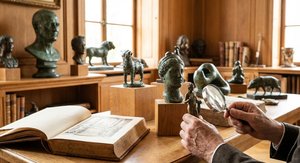
The Enduring Legacy of Bronze Sculpture: A Collector's Guide to Form & Cultural Significance
Explore the rich history & enduring appeal of bronze sculpture with expert insights for collectors at OriginalUniqueArt. Learn about casting techniques, iconic artists, and collecting tips to build a discerning art collection.

Bronze Age to Modern Masters: 10 Sculptures That Redefined Art | OriginalUniqueArt
Journey through art history with 10 legendary bronze sculptures – from Michelangelo's David to Rodin’s Thinker. Explore the stories, techniques & timeless beauty of these masterpieces. Find museum-quality reproductions & elevate your home decor on OriginalUniqueArt.com.