프린트 판매로 전환
 상세 보기
상세 보기







































 가로 또는 세로 중 어느 한 면이라도 105cm(약 41인치)를 초과하는 작품이나 복제화의 경우, 프레임은 분해된 키트 형태로 배송됩니다. 이는 안전한 배송을 보장하고 운송 중 발생할 수 있는 손상을 방지하기 위함입니다.


André Derain’s *The Golden Age*: A Fauvist Masterpiece
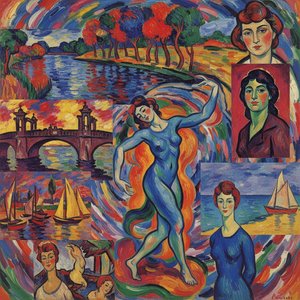
André Derain's *The Golden Age*, painted in 1905, is more than just a depiction of nude figures; it’s a visceral explosion of color and emotion – the very essence of Fauvism. This captivating work, housed within the Museum of Modern Art in New York, immediately arrests the viewer with its audacious palette and dynamic composition. Derain, along with Henri Matisse, spearheaded this revolutionary movement, rejecting traditional representational values in favor of pure, unadulterated color as a means of expressing feeling and capturing the essence of light and atmosphere. The painting’s vibrant hues – shocking pinks, intense blues, and fiery oranges – aren't merely decorative; they are deliberately employed to evoke a sense of unrestrained joy and sensual pleasure.
A Composition of Playful Energy
The scene unfolds with at least twelve figures, arranged in a series of seemingly spontaneous poses. Women lounge on the ground, some playfully interacting with apples and bananas – objects that contribute to the overall feeling of carefree abandon. The arrangement isn't rigidly formal; instead, it feels remarkably natural, as if these women were simply enjoying an afternoon in a sun-drenched garden. Derain’s masterful brushstrokes create a palpable sense of movement and energy, drawing the eye across the canvas with each bold stroke. Notice how he uses thick impasto – building up layers of paint – to heighten the textural quality of the scene and intensify the impact of the colors.
Roots in Modernism: Influences and Legacy
*The Golden Age* reflects a fascinating confluence of artistic influences. Derain, like many artists of his time, was deeply affected by the work of Vincent van Gogh, Paul Cézanne, and Georges Seurat. However, unlike these predecessors, he wasn't interested in meticulously replicating reality; rather, he used their techniques – particularly Seurat’s pointillism – as a springboard for developing his own intensely subjective style. The painting stands as a crucial bridge between Impressionism and the radical experimentation of early 20th-century modern art, solidifying Derain’s place as one of the movement's key figures.
Symbolic Resonance and Emotional Impact
Beyond its technical brilliance, *The Golden Age* resonates with a profound sense of liberation and sensual delight. The nudity of the figures isn't presented in a moralistic or judgmental way; instead, it’s imbued with an almost primal energy. The bright colors contribute to this feeling, suggesting warmth, vitality, and perhaps even a hint of rebellion against societal norms. The painting invites us to contemplate themes of pleasure, beauty, and the human connection – timeless subjects that continue to captivate viewers over a century later. It’s a testament to Derain's ability to translate personal emotion into a powerfully expressive work of art.
질의응답
"The Golden Age"은 언제, 어떤 재료로 제작되었나요?
앙드레 데랭의 "The Golden Age"의 재료는 Oil On Canvas이며, 제작 연도는 1905년입니다.
앙드레 데랭의 "The Golden Age"에는 무엇이 묘사되어 있나요?
"The Golden Age"의 소재는 nude figures, andré derain, fauvism art, vibrant colors, painting scene, modern art, bold composition입니다.
"The Golden Age"은 어떤 종류의 작품인가요?
"The Golden Age"은(는) WallArt 작품입니다.
More about this painting
 실제 크기로 보기
 보내기
보내기 공유하기
공유하기
 상세 보기
상세 보기 가이드 보기

 이미지 다운로드
 유사 작품 더 보기
 X-레이
X-레이 슬라이드 쇼 보기
 Q&A
Q&A 통계 정보
통계 정보