Academicism · 1890
Amazon (Pallas) (알베르트 랑, 1890)
알베르트 랑 (1847–1933) 작가의 Amazon (Pallas) 1890년에 제작되었습니다. Academicism 운동에 속합니다. Oil(으)로 제작되었습니다. 뮌헨, 독일에 위치한 바이에른 주립 회화 컬렉션에 소장되어 있습니다. 크기는 63.5 × 44 cm입니다.
- 1890
- Oil
- 63.5 × 44 cm
- 바이에른 주립 회화 컬렉션, 뮌헨

 미리보기

 수작업 유화 작품
 공유하기
 공유하기
 가이드 보기


 다운로드
 유사 작품 더 보기
 X-레이
 슬라이드 쇼 보기
 질의응답

 통계 정보
Amazon (Pallas): 핵심 정보
- 제목
- Amazon (Pallas)
- 작가
- 알베르트 랑 (1847–1933)
- 작가 출생지
- 카를스루에, 독일
- 제작 연도
- 1890
- 매체
- Oil
- 크기
- 63.5 × 44 cm
- 전시 장소
- 바이에른 주립 회화 컬렉션, 뮌헨, 독일
- 운동성
- Academicism
- 제작 시기
- 19th Century
- 주제
- woman, nude, shield, drapery, human figure
Amazon (Pallas)은(는) 무엇을 묘사하고 있나요?
Identification of the Artwork and Artist
The painting Amazon (Pallas) emerges from the shadows of history, a work that captures a singular, quiet moment of mythological presence. Created about 1890, this oil painting carries the unmistakable hand of the German artist Albert Lang. It exists as a window into a world where the boundaries between the human form and the divine begin to blur, held within the stillness of the canvas.
Albert Lang brings a unique perspective to this piece, shaped by a life that moved between the structured geometry of architecture and the fluid, light-filled landscapes of Italy. Having studied in Karlsruhe and Berlin before finding his true calling amidst the warmth of Florence, Lang approaches the figure in Amazon (Pallas) with a sensitivity born of both precision and passion. His transition from the rigid lines of design to the soft, organic rhythms of painting is felt in every stroke of this work.
This specific creation belongs to the Bavarian State Painting Collections. It remains a significant part of the artist's legacy, reflecting a period when his style moved toward the luminous and the atmospheric. Through this work, the viewer encounters the essence of Lang's vision, a vision that sought to find truth in the immediate and the real, even when depicting the subjects of myth and allegory.
Visual Composition and Subject Matter
A full-length nude female figure commands the vertical space, positioned centrally within the frame. She stands in a graceful contrapposto pose, her weight shifted to create a natural, flowing rhythm through her body. Her torso turns slightly toward her right, yet her gaze drifts back over her left shoulder, meeting the viewer with a serene and steady presence. This subtle twist of the neck and hips creates a sense of quiet movement, as if she has just paused in a moment of contemplation.
The woman’s right hand rests firmly upon her hip, emphasizing the curve of her waist and the strength of her stance. Her left hand reaches down to hold a large, oval-shaped shield, an object that rests heavily upon the ground at her side. The weight of the shield and the stillness of her posture suggest a mythological or allegorical presence, a figure caught between action and repose. The dark, indistinct background, marked by heavy vertical brushstrokes, pushes her form forward, making her organic curves the undeniable focus of the scene.
Technical Details and Artistic Style
The lighting performs a dramatic dance across the figure, employing chiaroscuro to pull the contours of the torso, breasts, abdomen, and thighs out from the shadows. This interplay of light and dark defines the organic curves of the body, creating a sense of weight and presence. The perspective remains at eye-level, inviting an intimate encounter that feels immediate and direct. Every line feels soft and painterly, eschewing sharp edges in favor of a fluid, rhythmic grace that emphasizes the human form.
Texture remains a vital presence throughout the composition. In the background and along the lower portion of the figure, the brushwork is clearly visible, lending a tactile quality to the surface. Heavy, vertical brushstrokes build the backdrop, suggesting the presence of a rocky alcove or perhaps heavy drapery that recedes into the darkness. This deliberate application of paint creates a sense of atmosphere, where the air itself seems to have a specific, palpable weight. The overall mood remains classical and serene, capturing a moment of quietude through a masterful command of light and shadow.
Physical Dimensions and Collection
The canvas reaches a height of 63.5 cm (25 in) and spans a width of 44 cm (17.3 in). These proportions frame the figure within a vertical space, focusing the eye on the central subject. The physical presence of the work remains contained within these specific measurements, offering an intimate scale to the viewer.
This painting resides within the Bavarian State Painting Collections. It finds its home in Munich, Germany, where it remains part of the institutional holdings. The work exists as a permanent piece of the collection housed in this German city.
Amazon (Pallas)은(는) 어느 미술관에 소장되어 있나요?
바이에른 주립 회화 컬렉션
뮌헨, 독일
바이에른 주립 회화 컬렉션의 유산 독일 뮌헨에 자리 잡은 바이에른 주립 회화 컬렉션은 1799년 중앙회화갤러리국(Centralgemäldegaleriedirektion)으로 그 역사적인 첫발을 내디뎠습니다. 이 견고한 토대는 유럽 예술을 보존하기 위한 체계적인 틀을 마련하였으며, 오늘날까지도 뮌헨이라는 도시의 문화적 풍경을 정의하는 핵심적인 역할을 수행하고 있습니다. 이 컬렉션의 뿌리는 16세기까지 거슬러 올라가며, 빌헬름 4세 시대(1508-1550)에 이르는 귀중한 소장품들을 품고 있습니다.
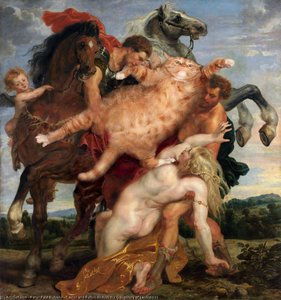


고해상도 Amazon (Pallas)

알베르트 랑, Amazon (Pallas) (1890), 바이에른 주립 회화 컬렉션. 퍼블릭 도메인
Amazon (Pallas)에 관한 질문
알베르트 랑의 "Amazon (Pallas)"의 원화는 어디에서 감상할 수 있나요?
Amazon (Pallas)의 원작은 바이에른 주립 회화 컬렉션, 뮌헨, 독일에서 만나보실 수 있습니다.
알베르트 랑의 "Amazon (Pallas)"은(는) 언제 제작되었나요?
알베르트 랑의 "Amazon (Pallas)"은(는) 1890년에 제작되었습니다.
알베르트 랑의 "Amazon (Pallas)"의 기법은 무엇인가요?
알베르트 랑의 "Amazon (Pallas)"의 재료는 Oil입니다. 복제화는 이 기법 특유의 질감을 그대로 구현하는 것을 목표로 합니다.
원작 알베르트 랑의 "Amazon (Pallas)"의 크기는 어떻게 되나요?
원작 알베르트 랑의 "Amazon (Pallas)"의 크기는 63.5 x 44.0cm입니다.
"Amazon (Pallas)"은(는) 어떤 내용을 담고 있나요?
알베르트 랑의 "Amazon (Pallas)"에 나타난 주제로는 woman, nude, shield, drapery, human figure 등이 있습니다. 이들은 모여 작품의 소재를 요약해 보여줍니다.
알베르트 랑의 "Amazon (Pallas)"은(는) 퍼블릭 도메인인가요?
저작권과 관련하여, "Amazon (Pallas)"은(는) 퍼블릭 도메인 - 저작권 보호 기간이 만료되었습니다 상태입니다.
"Amazon (Pallas)"을(를) 만든 작가는 누구인가요?
"Amazon (Pallas)"의 작가는 알베르트 랑입니다. 이 작품은 알베르트 랑의 이름으로 등록되어 있습니다.
"Amazon (Pallas)"은(는) 어떤 화풍에 속하나요?
알베르트 랑의 "Amazon (Pallas)"은(는) Academicism 사조에 속하며, 이 사조는 해당 작품의 양식적 배경을 잘 보여줍니다.
Amazon (Pallas)은(는) 알베르트 랑의 예술적 여정 중 어느 시기의 작품인가요?
알베르트 랑의 작품 세계에서 "Amazon (Pallas)"은(는) Mature Period 시기의 작품입니다. 이 시기는 작가의 다른 작품들과 비교해 보는 데 유용한 지표가 됩니다.
아티스트 알베르트 랑 소개

1847–1933, 독일
알베르트 랑
빛과 그림자의 건축가 알베르트 랑의 여정은 붓끝이 아닌, 정교하고 구조적인 건축의 선으로부터 시작되었습니다. 1847년에 태어난 그는 처음에는 건물의 엄격한 기하학적 구조를 통해 세상을 이해하고자 했으며, 고향에서 공부한 후 베를린 건축 아카데미(Bauakademie)로 향했습니다. 그곳에서 하인리히 슈트락의 지도 아래 그의 미래를 밝힐 예술적 비전의 토대가 마련되었습니다. 그러나 건강상의 변화로 인해 1869년 이탈리아의 따스한 풍경 속으로 발길을 돌리게 되었고, 이 전환점은 그의 운명을 영원히 바꾸어 놓았습니다.
알베르트 랑의 다른 작품들
 Portrait of a Girl1891
 Self-Portrait1875
 Portrait of a Child1884
 Music Director Robert Pfitzner1894

Amazon (Pallas) 관련 에세이
 Masterpieces of Modigliani: The Top 25 Essential ArtworksExplore 25 iconic Amedeo Modigliani masterpieces. From soulful portraits to École de Paris gems, discover them all on OriginalUniqueArt.com.
 25 Vibrant Masterpieces by Ágatha Ruiz de la Prada: A Kaleidoscope of JoyImmerse yourself in the vibrant world of Ágatha Ruiz de la Prada. Explore 25 iconic artworks defined by bold colors and joyful pop art ener…
 Chiaroscuro Reimagined: How Light and Shadow Sculpt Contemporary Abstract DepthExplore the profound interplay of light and shadow through Baroque masters and modern abstraction. Master the art of depth today.