프린트 판매로 전환
 더 보기
더 보기







































 가로 또는 세로 중 어느 한 면이라도 105cm(약 41인치)를 초과하는 작품이나 복제화의 경우, 프레임은 분해된 키트 형태로 배송됩니다. 이는 안전한 배송을 보장하고 운송 중 발생할 수 있는 손상을 방지하기 위함입니다.


A Symphony of Nature and Connection
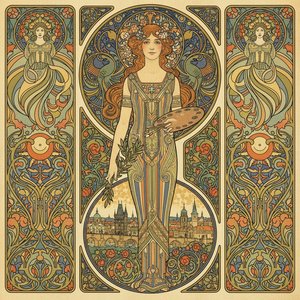
In the delicate tapestry of the Art Nouveau movement, few works capture the rhythmic pulse of life as tenderly as Alphonse Maria Mucha’s Manhood Calendar. Created in 1897, this masterpiece serves as more than a mere decorative print; it is an evocative tableau that invites the viewer into a serene, pastoral sanctuary. The composition centers on a man and a woman seated in quiet intimacy beneath the sheltering canopy of an apple tree. Their presence is not merely romantic but deeply symbolic, embodying a profound harmony between humanity and the natural world. As they share this peaceful moment, the surrounding landscape breathes with a sense of vitality, drawing the observer into a world where time seems to slow, allowing for a deep contemplation of connection and existence.
The artistic vision behind this work is a masterclass in the organic fluidity that defined Mucha’s legendary style. Eschewing the rigid constraints of academic tradition, he employed expressive, undulating lines that mimic the natural curves of branches laden with fruit. This deliberate use of asymmetrical composition guides the eye through a dynamic journey across the canvas, creating a sense of movement that feels as spontaneous as a summer breeze. The color palette is a sophisticated arrangement of muted greens and earthy browns, which provide a grounded foundation for the vibrant splashes of crimson found in the scattered apples. These bursts of color represent ripeness and life force, punctuating the scene with a rhythmic energy that mirrors the regenerative power of nature itself.
Symbolism and the Eternal Cycle
Every element within the Manhood Calendar is imbued with layers of meaning, rooted in the cyclical rhythms of the earth. The apple tree, with its heavy boughs and scattered fruit, acts as a potent symbol of abundance, wisdom, and the bountiful rewards of life. Mucha’s meticulous attention to detail—from the subtle shading on the rugged tree trunk to the delicate rendering of individual petals—underscores his commitment to capturing the essence of growth and decay. The interplay between the figures and the fruit-laden branches suggests a mirroring of human experience with the seasonal transitions of the natural world, creating an emotional resonance that is both nostalgic and hopeful.
For the discerning collector or interior designer, this artwork offers a unique opportunity to introduce a sense of timeless elegance and tranquility into a space. The piece possesses a rare ability to transform an environment, providing a focal point that is both intellectually stimulating and visually soothing. Whether placed in a sunlit study or a sophisticated living area, the Manhood Calendar brings with it the enchanting spirit of the late 19th century, offering a window into a period where art sought to dissolve the boundaries between the beautiful and the everyday. It remains a testament to Mucha’s enduring legacy, capturing a fleeting moment of peace that feels eternally present.
질의응답
알폰스 무하의 "Manhood calendar"의 프린트물로 권장되는 사이즈와 방향은 무엇인가요?
Small 크기, Portrait 방향: 알폰스 무하의 "Manhood calendar" 작품에 가장 적합한 인쇄 설정입니다.
알폰스 무하의 "Manhood calendar"에서 예술 사조와 시대상은 어떻게 맞닿아 있나요?
"Manhood calendar"은(는) Art Nouveau 사조에 속하며, 작가는 19세기 미술 시대에 활동했습니다.
"Manhood calendar"은(는) 누가, 몇 년도에 제작했을까요?
알폰스 무하은(는) 1897년에 "Manhood calendar"을(를) 제작했습니다.
이 작품에 대해 더 알아보기
 미리보기
미리보기
 공유하기
공유하기 공유하기
공유하기
 상세 정보
상세 정보 가이드 보기

 다운로드
다운로드
 유사 작품 더 보기
 X-레이
X-레이 슬라이드 쇼 보기
 질의응답
질의응답 통계 정보
통계 정보