

 실제 크기로 보기
 보내기
보내기 공유하기
공유하기
 상세 보기
상세 보기 가이드 보기

 이미지 다운로드
 유사 작품 더 보기
 X-레이
X-레이 슬라이드 쇼 보기
 통계 정보
통계 정보Autumn Leaves Fluttering in the Breeze
 Abstract Expressionism
 1973
1973 102.0 x 127.0 cm
 상세 보기
상세 보기
지클레 / 아트 프린트
빠른 제작과 다양한 마감 옵션을 선택할 수 있는 박물관 수준의 지클레이 및 캔버스 프린트. ( 수작업 채색 복제본 주문하기 디지털 이미지 판매 채널로 전환)




































작품의 원본 비율을 그대로 유지하는 프리셋 사이즈 중에서 선택해 보세요.

특정 프레임이나 공간에 맞춰 직접 치수를 입력하실 수 있습니다. 선택하신 사이즈가 원본 이미지의 비율과 일치하지 않을 경우, 작품을 크롭(자르기)하거나 이미지를 대칭 또는 단색 채우기로 확장하여 제작합니다. 제작 시작 전, 최종 확인을 위해 디지털 목업이 전송됩니다.
화면상의 미리보기는 실제 크롭이나 확장 상태를 반영하지 않으므로, 최종 구도는 오직 목업을 통해서만 정확하게 확인하실 수 있습니다.
맞춤 사이즈 제작도 가능하지만, 원본 비율을 유지하기 위해서는 사전 정의된 목록에서 치수를 선택하시는 것을 권장합니다.


 유리 옵션은 110cm 미만 크기에서만 선택 가능합니다.

Autumn Leaves Fluttering in the Breeze
지클레 / 아트 프린트
복제본 규격
-


총 결제 금액
$ 80
A Symphony of Autumn: Exploring Alma Thomas' "Autumn Leaves Fluttering in the Breeze"
This vibrant acrylic on canvas painting, “Autumn Leaves Fluttering in the Breeze,” by Alma Thomas (1891-1978), captures a fleeting moment of autumnal beauty through an abstract lens. Created in 1973, it’s a compelling example of her mature style within the Abstract Expressionist movement, specifically showcasing influences from Color Field painting. Rather than depicting leaves literally, Thomas evokes the *feeling* of falling foliage and a breezy autumn day through a dense, textured field of color dominated by oranges and blues. The artwork isn't about representation; it’s an emotional response to nature translated into a captivating visual experience.Style & Technique: Impasto and Color Field Harmony
Thomas’ technique is central to the painting’s impact. She masterfully employs impasto, applying thick layers of acrylic paint that create a pronounced texture across the canvas. This isn't about brushstrokes in the traditional sense; instead, color blends and overlaps, creating interwoven patterns resembling fragmented pieces or tessellations. The absence of defined shapes contributes to the work’s amorphous quality, allowing viewers to interpret the composition freely. The layering technique creates depth despite the lack of perspective – a hallmark of Color Field painting where the focus is on the interaction of colors themselves rather than spatial illusion. This piece exemplifies Thomas' unique approach, moving beyond simple color blocking to incorporate textural complexity and rhythmic patterns.Historical Context & Artistic Influences
"Autumn Leaves Fluttering in the Breeze" emerged during a pivotal period for American art. The Abstract Expressionist movement had already revolutionized artistic expression, prioritizing subjective experience over representational accuracy. Thomas, as a prominent figure within the Washington Color School – a regional offshoot of Abstract Expressionism – contributed significantly to this evolution. Her work distinguished itself through its vibrant color palettes and intricate patterns, often drawing inspiration from nature, African textiles, and mosaics. As a Black female artist working in a predominantly white male art world, Thomas’s success was particularly remarkable, breaking down barriers and paving the way for future generations of artists.Symbolism & Emotional Resonance
While abstract, the painting is rich with symbolic potential. The dominant oranges evoke the warmth and richness of autumn foliage, while the blues suggest a sense of tranquility or perhaps even melancholy – emotions often associated with the season's transition. The "fluttering" implied in the title translates visually into the dynamic interplay of colors and textures, suggesting movement and impermanence. The tessellated patterns can be interpreted as representing the interconnectedness of nature and the cyclical rhythms of life. Ultimately, “Autumn Leaves Fluttering in the Breeze” invites viewers to contemplate their own emotional responses to the natural world, offering a moment of quiet contemplation amidst a vibrant visual landscape.작가 소개
Alma Thomas: A Life in Color
Early Life and Education
- Born: 1891 in Columbus, Georgia, Alma Woodsey Thomas was the eldest of four children. Her parents were John Harris Thomas, a businessman, and Amelia Cantey Thomas, a dress designer.
- The family relocated to the Logan Circle neighborhood of Washington, D.C., in 1907 due to racial violence and seeking better educational opportunities.
- Early Artistic Inclinations: From a young age, Thomas displayed artistic talent, creating puppets and sculptures at home.
- She attended Armstrong Technical High School, taking her first formal art classes.
- Thomas pursued education at Miner Normal School (later University of the District of Columbia) from 1911 to 1913, focusing on kindergarten education.
Career as an Educator
- Thomas began her career as a substitute teacher in Maryland before securing a permanent position in 1914.
- From 1916 to 1923, she taught kindergarten at the Thomas Garrett Settlement House in Wilmington, Delaware.
- In 1921, she enrolled at Howard University as a home economics student but soon switched her focus to fine art under James V. Herring.
- Groundbreaking Graduate: She earned her B.S. in Fine Arts from Howard University in 1924, becoming the first graduate of the university’s fine arts program.
- Thomas dedicated over three decades to teaching at Shaw Junior High School (1924-1960), fostering a community arts program that included marionette performances and student-designed holiday cards for veterans.
- She earned her M.A. in Art Education from Columbia University in 1934, and continued studies at American University under Jacob Kainen (1950-1960).
Artistic Development & Influences
- Early Style: Thomas’s early work was representational, but her style evolved towards abstraction through studies with Herring and Lois Mailou Jones.
- Key Influences: She drew inspiration from West African paintings, Byzantine mosaics, and the color field movement.
- Her exposure to the work of the New York School and Abstract Expressionism at American University significantly impacted her artistic direction.
- She was inspired by Matisse’s cutouts, notably reinterpreting “The Snail” in her painting “Watusi (Hard Edge).”
Mature Work & Artistic Style
- Color Field Paintings: Thomas became known for her vibrant, abstract color field paintings characterized by pattern, rhythm, and bold use of color.
- Her work often reflected themes inspired by nature, space, and music.
- Notable Works: Include “Watusi (Hard Edge),” “Celestial Fantasy,” “Wind and Crepe Myrtle Concerto,” and “Sky Light.”
- She frequently sought inspiration from the effects of light and atmosphere on rural environments, often driving into the countryside with friend Delilah Pierce.
Recognition & Legacy
- Late Recognition: Thomas gained significant recognition after her retirement from teaching in 1960.
- Her first retrospective exhibit was held at the Gallery of Art at Howard University in 1966, curated by James A. Porter.
- Groundbreaking Exhibition: In 1972, she became the first African American woman to have a solo exhibition at the Whitney Museum of American Art and the Corcoran Gallery of Art in the same year.
- Thomas passed away in 1978, leaving behind a legacy as a pioneering artist who defied labels and embraced her creative vision.
- Historical Significance: Alma Thomas’s work challenged racial barriers within the art world and contributed significantly to the development of abstract expressionism and color field painting.

alma thomas
1891 - 1978
작가 정보 요약
- Birth Date: 1891
- Birth Place: Columbus, Georgia
- Death Date: 1978
- Influenced By:
- James V. Herring
- Lois Mailou Jones
- Jacob Kainen
- Matisse
- Movement:
- Washington Color School
- Abstract Expressionism
- Color Field Painting
- Name: Alma Thomas
- Nationality: American
- Notable Works:
- Watusi (Hard Edge)
- Celestial Fantasy
- Wind and Crepe Myrtle Concerto
- Sky Light
관련 기사

추상표현주의를 정의한 10대 걸작: 예술과 인테리어의 새로운 영감
추상표현주의의 심장을 뛰게 한 10대 걸작을 만나보세요. 폴록, 로스코 등 거장의 작품 비하인드 스토리와 예술적 영감을 OriginalUniqueArt에서! 지금 바로 미술품 컬렉션을 탐험하고, 당신의 공간에 특별한 예술적 감성을 더하세요. OriginalUniqueArt.com

Beyond Representation: Exploring the Emotional Landscape of Abstract Expressionism
Explore the profound emotional world of Abstract Expressionism with OriginalUniqueArt. Discover key artists like Pollock & Rothko, learn about collecting, and find museum-quality reproductions to inspire your space.
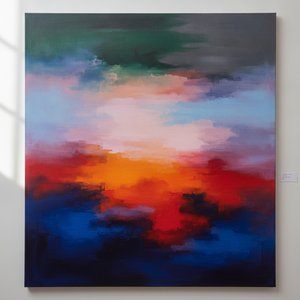
Color Field Painting: The Emotional Power of Pure Abstraction and Chromatic Depth
Explore the profound emotional depth of Color Field painting. Discover the history of mid-century abstraction, from Rothko to Newman, and learn how pure color transforms the viewer's experience through our expert art history guide.
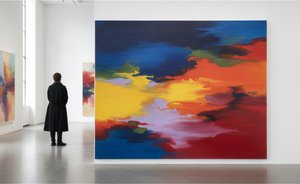
Beyond the Brushstroke: A Definitive Guide to the Emotional Power of Color Field Painting
Explore the profound history and emotional depth of Color Field painting. From Mark Rothko to Barnett Newman, discover how pure color redefined modern art through our expert-led guide for students and collectors alike.
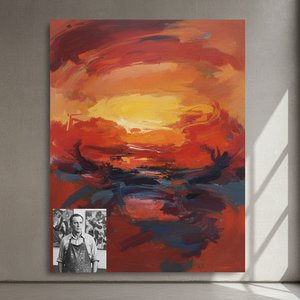
Jacob Kainen: A Pioneer of American Color Field Painting & Abstract Expressionism
Explore the life & work of Jacob Kainen, a pivotal figure in American Abstract Expressionism and Color Field painting. Discover his journey from Social Realism to vibrant abstraction and lasting influence on 20th-century art.