

 실제 크기로 보기
 보내기
보내기 공유하기
공유하기
 상세 보기
상세 보기 가이드 보기

 이미지 다운로드
 유사 작품 더 보기
 X-레이
X-레이 슬라이드 쇼 보기
 통계 정보
통계 정보Autumn Flowers


 상세 보기
상세 보기
지클레 / 아트 프린트
빠른 제작과 다양한 마감 옵션을 선택할 수 있는 박물관 수준의 지클레이 및 캔버스 프린트. ( 수작업 채색 복제본 주문하기 디지털 이미지 판매 채널로 전환)




P118B ₩10

P118H ₩10

P118W ₩10

P438Z ₩10

P508JH ₩12

P508YH ₩12

P805H ₩10

P805Z ₩10

P919BZ ₩10

P919G ₩10

P919XJ ₩10

P959ZH ₩10

P968JZ ₩12

W106C ₩8

W218G ₩10

W218JH ₩8

W218Y ₩10

W307PJ ₩10

W316G ₩10

W316PJ ₩8

W316Y ₩10

W398PJ ₩8

W4111J ₩10

W500HY ₩15

W500JH ₩15

W692G ₩12

W849H ₩8

W940BG ₩15

W953PJ ₩8




작품의 원본 비율을 그대로 유지하는 프리셋 사이즈 중에서 선택해 보세요.

특정 프레임이나 공간에 맞춰 직접 치수를 입력하실 수 있습니다. 선택하신 사이즈가 원본 이미지의 비율과 일치하지 않을 경우, 작품을 크롭(자르기)하거나 이미지를 대칭 또는 단색 채우기로 확장하여 제작합니다. 제작 시작 전, 최종 확인을 위해 디지털 목업이 전송됩니다.
화면상의 미리보기는 실제 크롭이나 확장 상태를 반영하지 않으므로, 최종 구도는 오직 목업을 통해서만 정확하게 확인하실 수 있습니다.
맞춤 사이즈 제작도 가능하지만, 원본 비율을 유지하기 위해서는 사전 정의된 목록에서 치수를 선택하시는 것을 권장합니다.


 유리 옵션은 110cm 미만 크기에서만 선택 가능합니다.

Autumn Flowers
지클레 / 아트 프린트
복제본 규격
-


총 결제 금액
₩ 107919
A Portrait of a Moment: The Enigmatic Beauty of *Autumn Flowers*
Alfred Stevens’s *Autumn Flowers*, painted in 1867, isn't merely a depiction of a woman amidst flowers; it’s an exquisitely crafted meditation on stillness, light, and the subtle poetry of everyday life. At first glance, the painting presents a seemingly simple arrangement: a seated lady, her posture suggesting quiet contemplation, surrounded by a still-life tableau of fabrics, blossoms, and a delicately rendered table. Yet, beneath this surface lies a profound exploration of form, color, and the very essence of observation – a hallmark of Stevens’s unique artistic vision.
Stevens, a pivotal figure in 19th-century Belgian art, deliberately eschewed the prevailing trends of his time. Rejecting the fleeting effects of Impressionism's vibrant light and atmosphere, he instead focused on capturing an immutable quality – the frozen gesture, the fixed expression, the enduring presence of the subject. This deliberate choice is powerfully evident in *Autumn Flowers*. The woman’s hand, poised as if about to touch a flower, isn’t caught in motion; it's suspended, imbued with a sense of timelessness. Her gaze, directed slightly off-canvas, invites us into her private world, suggesting an inner life beyond the immediate scene.
The Language of Color and Texture: Stevens’s Masterful Technique
What immediately draws the eye is Stevens's extraordinary command of color and texture. He employs a remarkably restrained palette – primarily shades of grey, black, and muted browns – punctuated by flashes of pastel pink, chestnut brown, and the glossy sheen of the table cover. This deliberate limitation isn’t a sign of restraint but rather a strategic choice to emphasize form and light. The artist masterfully utilizes chiaroscuro, creating dramatic contrasts between light and shadow that sculpt the figures and objects with remarkable precision. Notice how the highlights on the woman's chignon and the delicate folds of her dress draw our attention while simultaneously deepening the shadows around her face, lending a sense of mystery and depth.
Stevens’s technique is equally noteworthy for its meticulous detail. He employs a smooth, almost polished surface – reminiscent of 17th-century Dutch masters like Rembrandt and Vermeer – achieved through careful layering of paint and the use of a knife to blend colors seamlessly. This creates an illusion of tactile reality, inviting us to reach out and touch the fabrics, feel the texture of the flowers, and appreciate the subtle variations in color and tone. The artist’s attention to detail extends beyond mere representation; it's a deliberate attempt to capture the *essence* of each element within the composition.
Symbolism and the Portrait of Modernity
Beyond its technical brilliance, *Autumn Flowers* is rich in symbolic meaning. The woman herself represents a type of modern femininity – poised, elegant, and seemingly detached from the bustle of Parisian life. Her attire, with its jet frills and flounces, speaks to the fashionable trends of the era while simultaneously conveying a sense of quiet dignity. The surrounding still-life elements—the fabrics, flowers, and table—are not merely decorative; they function as a carefully constructed visual language, hinting at themes of luxury, domesticity, and the fleeting beauty of life.
Stevens’s comparison to Gustave Vanzype – that the painting is a still life composed of the fabrics in which she is dressed and the things around her – reveals a deeper intention. He wasn't simply depicting a woman; he was creating a miniature world, a carefully orchestrated tableau that captures a specific moment in time and reflects the values and aesthetics of his era. The reference to Whistler’s ambition to “use colours to compete with the musician who uses sounds” underscores Stevens’s own desire to elevate color from mere decoration to an expressive element within the painting.
A Legacy of Stillness: Stevens's Enduring Appeal
*Autumn Flowers* stands as a testament to Alfred Stevens’s singular artistic vision. It is a painting that rewards careful observation, inviting us to linger and contemplate its subtle nuances. Its enduring appeal lies not in dramatic gestures or fleeting effects but in its quiet beauty, its masterful technique, and its profound exploration of the human condition. Reproductions of this captivating work offer a window into a bygone era, capturing the elegance and sophistication of 19th-century Parisian life while simultaneously reminding us of the timeless power of stillness and observation.
질의응답
구매하기 전에 알프레드 스티븐스의 "Autumn Flowers"을(를) 제 벽에 미리 배치해 볼 수 있나요?
"Autumn Flowers"은(는) 증강 현실 미리보기를 제공합니다. 작품의 AR 미리보기 페이지를 통해 호환 가능한 기기에서 여러분의 공간에 배치된 작품을 확인해 보세요.
1867년에 "Autumn Flowers"을(를) 제작할 당시 알프레드 스티븐스의 나이는 몇 세였나요?
알프레드 스티븐스은(는) 1867년에 "Autumn Flowers"을(를) 제작했을 당시 44세였습니다. 이 나이는 작가의 출생 연도인 1823을(를) 기준으로 계산되었습니다.
"Autumn Flowers"은(는) 빛과 어둠의 균형을 어떻게 맞추고 있나요?
알프레드 스티븐스의 "Autumn Flowers"의 밝기는 deep_shadow로 기록되었으며, 휘도는 Dark입니다.
"Autumn Flowers"의 작가는 누구인가요?
"Autumn Flowers"의 작가는 알프레드 스티븐스입니다. 이 작품은 알프레드 스티븐스의 이름으로 등록되어 있습니다.
알프레드 스티븐스의 "Autumn Flowers"은(는) 몇 년도에 제작되었나요?
알프레드 스티븐스의 "Autumn Flowers"은(는) 1867년에 제작되었습니다.
알프레드 스티븐스의 "Autumn Flowers"은(는) 세로형, 가로형 또는 정사각형 구도인가요?
알프레드 스티븐스의 "Autumn Flowers"은(는) Portrait 구도로 이루어져 있습니다. 프린트 크기를 결정하시기 전에 비율을 확인해 보시는 것이 좋습니다.
"Autumn Flowers"과(와) 유사한 작품이 더 있을까요?
"Autumn Flowers"와 유사한 작품들은 해당 작품의 유사한 작품 페이지에서 확인하실 수 있습니다.
작가 소개
유년 시절과 예술적 훈련
알프레드 에밀 레오폴드 스티븐스(Alfred Émile Léopold Stevens)는 벨기에의 저명한 화가로, 1823년 5월 11일 브뤼셀에서 태어났습니다. 그의 가문은 시각 예술에 깊이 뿌리를 두고 있었는데, 형인 조셉(1816–1892)과 아들 레오폴드(1866–1935)가 모두 화가였으며, 또 다른 형제인 아르튀르(1825–99)는 미술품 거래인이자 비평가로 활동했습니다.예술적 여정
스티븐스는 브뤼셀의 왕립 미술 아카데미에서 예술적 여정을 시작하였으며, 그곳에서 신고전주의 화가인 프랑수아 나베즈의 지도 아래 수학하였습니다. 1843년, 그는 형 조셉과 합류하기 위해 파리로 이주하였고 에콜 데 보자르에 입학하였습니다. 비록 그가 장 오귀스트 도미니크 앵그르의 제자였는지에 대해서는 논란이 있으나, 1849년에 서명 및 날짜가 기록된 사죄 혹은 고해(The Pardon or Absolution, 상트페테르부르크 에르미타주 미술관)와 같은 그의 초기 작품들은 17세기 네덜란드 풍속화의 영향을 받은 전통적인 자연주의 양식에 대한 그의 숙련된 기량을 잘 보여줍니다.명성의 부상
스티븐스의 작품은 1851년 브뤼셀 살롱에서 처음으로 대중에게 공개되었으며, 이후 1853년 파리 살롱에서 3등 메달을, 1855년 파리 만국 박람회에서는 2등 메달을 수상하며 이름을 떨치기 시작했습니다. 특히 그의 작품 방랑이라 불리는 것(Ce qu'on appelle le vagabondage, 파리 오르세 미술관)은 나폴레옹 3세의 주목을 끌었으며, 이는 빈곤층에 대한 처우를 개선하는 중요한 변화를 이끌어내는 계기가 되기도 했습니다.주요 작품과 유산
- 1866년에 그려진 분홍색 드레스를 입은 여인(La Dame en Rose, 벨기에 왕립 미술관, 브뤼셀)은 이 시기 스티븐스 작품의 정수를 보여줍니다. 이 작품은 세련된 옷차림을 한 여성과 일본식 소품들에 대한 세밀한 관찰을 조화롭게 결합하고 있습니다.
- 스티븐스는 1863년 프랑스 정부로부터 레종 도노르(기사 작위)를 받았으며, 1867년에는 레종 도노르의 장교로 승격되었습니다.

알프레드 스티븐스
1823 - 1906 , 벨기에
작가 정보 요약
- Artistic Movement Or Style: 아카데믹 리얼리즘
- Artists Who Influenced This Artist:
- 장 오귀스트 도미니크 앵그르
- 네덜란드 거장들
- Date Of Birth: 1823년 5월 11일
- Date Of Death: 1906년
- Full Name: 알프레드 에밀 레오폴드 스티븐스
- Nationality: 벨기에
- Notable Artworks:
- 분홍색 드레스를 입은 여인
- 작업실 방문
- 세기 파노라마'의 준비 드로잉, '조세핀 황후와 그녀의 궁정
- Place Of Birth: 벨기에 브뤼셀
관련 기사

Sir Alfred Munnings' Masterpieces: 25 Paintings That Define Equine Art | OriginalUniqueArt
Explore 25 iconic Sir Alfred Munnings paintings! Discover the beauty of British Impressionism, equine art & rural England. Find museum-quality reproductions and elevate your home decor with OriginalUniqueArt. Explore the full collection online.

Alfred Stevens: Capturing Parisian Life with Intimate Realism & Symbolist Flair
Explore the captivating world of Alfred Stevens, a pioneer of intimate realism & Symbolist painting. Discover his elegant portraits of Parisian women and learn about his Dutch influences & lasting legacy. Art history insights at OriginalUniqueArt.
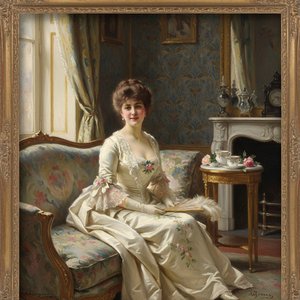
Alfred Stevens: Capturing Parisian Elegance & Fin-de-Siècle Intimacy
Discover the captivating world of Alfred Stevens, master of Parisian elegance & intimate portraiture. Explore his techniques, influences, and legacy – a prized collection for discerning art enthusiasts.

Romantic Realism's Finest: 10 Masterpieces for Your Home | OriginalUniqueArt
Explore 10 defining masterpieces of Romantic Realism! Discover Courbet, Millet & Daumier's powerful paintings—capturing emotion and social realities. Find museum-quality reproductions for your home at OriginalUniqueArt.com.
Realism's Masters: 10 Artworks That Capture Life's Essence | OriginalUniqueArt
Explore 10 iconic realism artworks by Courbet, Millet & more! Discover the stories behind these masterpieces of 19th-century painting. Find museum-quality art reproductions and elevate your home decor with OriginalUniqueArt.com.