
 미리보기
미리보기
 공유하기
공유하기 공유하기
공유하기
 상세 정보
상세 정보

 다운로드
다운로드
 유사 작품
유사 작품 X-레이
X-레이 슬라이드 쇼
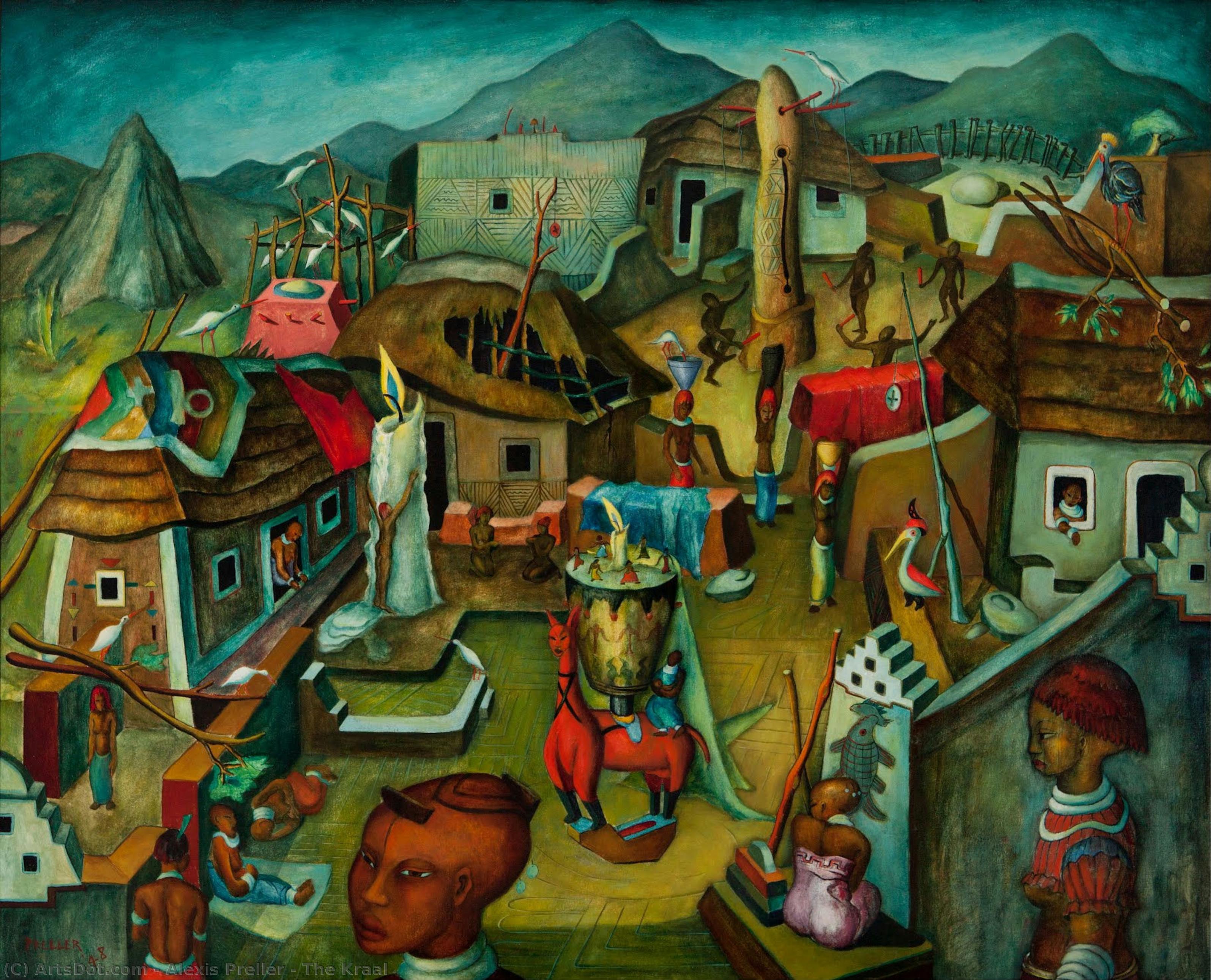
The Kraal
 Oil On Canvas
- WallArt
- Surrealism
 1948
1948- Modern
 21.0 x 98.0 cm
 Iziko South African National Gallery
 더 보기
더 보기
온라인 미리보기보다 훨씬 뛰어난 품질의 고해상도 디지털 이미지를 구매해 보세요.
각 파일은 사내 전문가가 고급 도구와 숙련된 수동 리터칭 기술을 사용하여 세심하게 준비합니다. 우리는 모든 이미지가 탁월한 선명도, 정확한 색상 재현력, 그리고 미세한 디테일까지 완벽하게 갖추도록 보장합니다.
최종 파일은 전문적인 편집 및 인쇄 환경에서 즉시 사용할 수 있도록 최적화되어 72시간 이내에 이메일로 발송됩니다. 이는 세계적인 디자인 스튜디오, 출판사 및 갤러리가 신뢰하는 것과 동일한 품질입니다.
디지털 이미지
개인 소장 및 전시, 인쇄, 창작 프로젝트를 위한 고해상도 파일을 다운로드하세요. ( 프린트 구매 손으로 그린 그림 구매)
모든 디지털 이미지 주문에 포함된 혜택
전문적인 디지털 이미지 전송 보장
OriginalUniqueArt.com를 선택하시면 단순히 이미지를 받는 것을 넘어, 정밀한 보정 과정을 거친 전문적인 디지털 예술 작품을 만나보실 수 있습니다. 모든 작품에는 만족 보장 서비스가 함께 제공되며, 주문 시 다음과 같은 사항들이 자동으로 포함됩니다:

빠른 이메일 전송
주문 후 72시간 이내에 고해상도 디지털 이미지 파일이 이메일로 발송되며, 즉시 사용하실 수 있습니다.

AI 기술로 향상된 디지털 파일
귀하의 작품은 고급 AI 도구와 수동 편집 과정을 거쳐 전문적으로 최적화되며, 이를 통해 디테일과 선명도, 색상의 정확도를 극대화합니다.

평생 무료 재전송 서비스
파일을 실수로 삭제하거나 분실하셨나요? 걱정 마세요. 언제든 무료로 다시 보내드립니다.

추가 수입 비용 없음 - 언제나
관세나 부가세, 배송비 부담 없이 작품을 즉시 감상하세요 - 디지털 다운로드는 언제나 면세 혜택이 적용됩니다.

정확한 색상 보장
전문적인 도구와 색상 관리 시스템을 통해 디지털 이미지가 원본의 색상을 최대한 정확하게 구현하도록 보장합니다.

60일 만족 보장제
구매하신 디지털 이미지에 만족하지 못하실 경우, 60일 이내에 수정 또는 100% 환불을 진행해 드립니다 - 어떠한 문의도 필요 없습니다.

100% 환불 보장
만족하지 못하셨나요? 디지털 파일을 수령하신 후 60일 이내라면 별도의 이유를 밝힐 필요 없이 전액 환불해 드립니다.

대량 주문 할인
이미지 3매 구매 시 10% 할인 - 5매 구매 시 15% 할인 - 10매 이상 구매 시 20% 할인. 크리에이티브 프로젝트, 갤러리, 에이전시에 매우 유용합니다.
수집품 상세 설명
A Vibrant Tapestry of Life: Rediscovering The Kraal
In the heart of the South African landscape, where the mountains meet the sky, lies a world captured in the timeless strokes of Alexis Preller’s The Kraal. Created in 1948, this masterpiece serves as more than just a depiction of a village; it is an immersive journey into a dreamlike reality. The painting presents a bustling courtyard filled with the rhythmic energy of daily life, where figures move through a landscape that feels simultaneously grounded in tradition and elevated by myth. As one gazes upon the canvas, the eye is immediately drawn to the vivid interplay of color and form, inviting the viewer to step into a moment where time seems to suspend itself amidst the lively gathering of people and the serene backdrop of distant hills.
Preller, an artist profoundly influenced by the expressive legacies of Van Gogh and Gauguin, utilizes a technique that blends meticulous detail with a surrealist sensibility. The composition is a complex arrangement of figures, huts, and ceremonial objects that coexist in a space that feels both intimate and expansive. Through his masterful use of oil on canvas, Preller achieves a texture that breathes life into the scene—the weight of an umbrella, the curve of a bowl, and the very atmosphere of the village are rendered with a luminous quality. This approach allows the artist to transcend mere documentation, instead offering a symbolic interpretation of cultural richness where every element, from the placement of a figure to the silhouette of a mountain, contributes to a larger, mystical narrative.
Symbolism and the Soul of South African Modernism
Beyond its visual splendor, The Kraal is a profound exploration of identity and heritage. Preller’s work often navigates the intersection of the tangible and the spiritual, using the village setting as a stage for symbolic storytelling. The figures within the kraal are not merely inhabitants; they are archetypes of a shared history, engaged in rituals and routines that connect the past to the present. The presence of animals and intricately decorated structures suggests a deep-seated reverence for the natural and ancestral worlds. For the discerning collector or interior designer, this painting offers a profound emotional resonance, acting as a window into a world where the boundaries between reality and imagination are beautifully blurred.
For those looking to bring a sense of history and soulful character into a curated space, a high-quality reproduction of The Kraal provides an unparalleled opportunity. The painting’s bold palette and intricate composition make it a commanding centerpiece, capable of anchoring a room with its warmth and cultural depth. Whether placed in a contemporary gallery setting or a classic study, the artwork inspires contemplation and serves as a constant reminder of the enduring power of human connection and the vibrant beauty found within the traditions of the South African spirit.
작가 소개
Louise Bourgeois: A Life Sculpted by Memory and Trauma
Louise Bourgeois, born in Paris on December 25th, 1911, was an artist whose work profoundly explored the complexities of human experience – particularly the intertwined realms of family, sexuality, and the haunting power of memory. Her life, marked by early adversity and a deep-seated need for self-expression, shaped her distinctive artistic vision, resulting in sculptures, installations, paintings, and prints that continue to resonate with audiences today. From her childhood experiences to her later career as an acclaimed American artist, Bourgeois’s journey is one of resilience, creativity, and ultimately, a courageous confrontation with the shadows of her past. Bourgeois's early life was profoundly shaped by loss and instability. Abandoned by her father shortly after birth, she spent much of her childhood in a series of foster homes and rural farms, experiences that instilled within her a sense of displacement and vulnerability. Her mother, a tapestry restorer, introduced her to the world of textiles and craftsmanship, providing a creative outlet but also subtly reinforcing themes of domesticity and familial obligation – motifs that would later dominate much of her work. The family’s gallery dealing in antique tapestries further immersed her in the visual language of art history, exposing her to masters like Duccio and Giotto, figures she deeply admired for their technical skill and emotional depth. This early exposure laid the groundwork for her own exploration of form, texture, and narrative through her art. Crucially, her mother’s death when Bourgeois was just twelve years old left an indelible mark, fueling a lifelong preoccupation with grief, loss, and the enduring power of familial bonds. Bourgeois's artistic development unfolded gradually over several decades, initially within the context of European avant-garde movements. She studied mathematics and geometry at the Sorbonne in Paris, seeking stability and order amidst personal turmoil – a desire that would later translate into her meticulous attention to detail and structural precision in her sculptures. She briefly aligned herself with Surrealism, experimenting with automatism and dream imagery, but ultimately rejected its emphasis on unconscious expression, finding it insufficient for conveying the complex emotional realities she sought to portray. In the 1940s, she began exhibiting her work alongside abstract expressionists like Jackson Pollock and Mark Rothko, navigating the shifting landscape of post-war art while maintaining a distinct artistic voice. It was during this period that she developed her signature style – monumental, often unsettling sculptures crafted from materials such as bronze, steel, and fabric, frequently imbued with a sense of vulnerability and psychological intensity. A pivotal moment in Bourgeois’s career came in the early 1970s when she began creating what she termed “Cells,” small, intimate sculptures that explored themes of confinement, isolation, and maternal longing. These works, often constructed from fabric and wire, evoke a sense of claustrophobia and emotional distress, reflecting her own experiences with childhood trauma and the pressures of motherhood. Simultaneously, she developed her iconic "Spider" series, representing both the nurturing aspect of femininity and the potential for destructive power. The spiders, rendered in bronze or fabric, are often depicted spinning webs – symbols of entrapment, creation, and the intricate connections between individuals and their pasts. These works, alongside her monumental “Maman” (1999), a colossal spider sculpture that became an enduring symbol of Bourgeois’s artistic vision, cemented her place as one of the most important sculptors of the 20th century. Throughout her long career, Louise Bourgeois consistently engaged with deeply personal themes, refusing to shy away from difficult subjects such as sexuality, death, and the complexities of family relationships. Her work is characterized by a raw honesty and emotional vulnerability that invites viewers to confront their own experiences of loss, trauma, and longing. Bourgeois’s legacy extends far beyond her individual artworks; she fundamentally challenged conventional notions of femininity in art, paving the way for subsequent generations of female artists to explore their own voices and perspectives. She died on May 31st, 2010, leaving behind a vast and profoundly moving body of work that continues to provoke thought, inspire emotion, and remind us of the enduring power of memory and self-expression.Key Works & Influences
- Cell: (Various Dates) – Small, enclosed sculptures exploring themes of confinement and isolation.
- Spider: (Bronze, Fabric, Various Dates) – Representing both nurturing and destructive forces; a recurring motif in her work.
- Maman: (1999) – A monumental bronze spider sculpture that has become an iconic symbol of Bourgeois’s artistic vision.
- The Destruction of the Father: (1947) – A series of textile works exploring themes of familial conflict and trauma.
- Western Masters: She deeply admired artists like Duccio, Giotto, and Matisse for their technical skill and emotional depth.
- African Art: The intricate patterns and symbolic imagery of African sculpture profoundly impacted her approach to form and composition.
- Surrealism: While she ultimately rejected its emphasis on unconscious expression, Surrealism initially provided a framework for exploring dreamlike imagery and psychological states.
- Her Own Experiences: Above all, Bourgeois’s work was shaped by her personal experiences of loss, trauma, and familial relationships – particularly the early abandonment and death of her mother.

alexis preller
1911 - 1975

