실제 크기로 보기
 보내기
보내기 공유하기
공유하기
 상세 보기
상세 보기 가이드 보기

 이미지 다운로드
 유사 작품 더 보기
 X-레이
X-레이 슬라이드 쇼 보기
 통계 정보
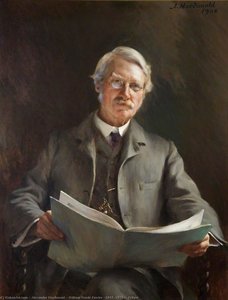
통계 정보The Lord Belper
 1902
1902 152.0 x 86.0 cm
Explore the evocative portraits of Alexander Macdonald (1837-1885), a Scottish artist renowned for his detailed sketches & paintings, capturing Victorian society and landscapes.
 상세 보기
상세 보기
핸드메이드 유화 복제화
작가가 직접 캔버스에 손으로 그린 유화 작품으로, 원하는 크기와 액자로 맞춤 제작해 드립니다. ( 프린트 판매로 전환 디지털 이미지 판매 채널로 전환)




































표준 규격
맞춤 제작
CM
INCH
작품의 원본 비율을 그대로 유지하는 프리셋 사이즈 중에서 선택해 보세요.
Loading sizes...

가로 너비
높이
특정 프레임이나 공간에 맞춰 원하는 크기를 직접 입력하실 수 있습니다. 선택하신 크기가 원본 이미지의 비율과 일치하지 않을 경우, 작품을 자르거나 추가적인 수작업 요소를 더해 그림을 확장하여 제작합니다. 제작 시작 전, 최종 확인을 위해 디지털 목업을 보내드립니다.
화면상의 미리 보기는 실제 크롭(자르기)이나 확장된 상태를 완벽히 반영하지 않을 수 있습니다. 최종 구도는 오직 목업을 통해서만 정확하게 확인하실 수 있습니다.
맞춤 크기 제작도 가능하지만, 원본의 비율을 그대로 유지하기 위해서는 미리 정의된 목록에서 크기를 선택하시는 것을 권장합니다.
변경 가능한 예시: 얼굴을 고객님의 사진으로 교체, 반려동물 추가(예: 고양이를 강아지로 변경), 배경에 숨겨진 메시지 삽입, 배경 풍경 또는 요소 변경 등
주문 완료 후 OriginalUniqueArt.com 팀에서 상세 안내를 위해 고객님께 이메일을 보내드리며, 미리보기 시안을 함께 제공해 드립니다.
주문 완료 후 OriginalUniqueArt.com 팀에서 상세 안내를 위해 고객님께 이메일을 보내드리며, 미리보기 시안을 함께 제공해 드립니다.


 유리 옵션은 110cm 미만 크기에서만 선택 가능합니다.

The Lord Belper
재현 매체
복제본 규격
-


총 결제 금액
$ 300
작가 소개
A Glimpse into Victorian Lives: The Art of Alexander Macdonald
Alexander Macdonald, born in 1837, was a Scottish artist who quietly documented the essence of his era through an extraordinary gift for portraiture and sketching. While not as widely celebrated as some of his contemporaries, Macdonald’s work offers a uniquely intimate window into Victorian society, capturing not just likenesses but also the character and atmosphere of the time. His life, though relatively undocumented in grand biographical detail, was dedicated to honing his skills and producing an impressive body of work that continues to resonate with those seeking a deeper connection to 19th-century Scotland and beyond. He lived until 1885, leaving behind a legacy of detailed observations rendered with remarkable sensitivity.Early Training and Artistic Development
Details surrounding Macdonald’s formal artistic training remain somewhat elusive. However, the precision and skill evident in his sketches suggest a rigorous apprenticeship or dedicated study under an established artist. He quickly gravitated towards portraiture, recognizing its potential to explore human psychology and social standing. Unlike many artists who sought dramatic historical narratives or sweeping landscapes, Macdonald found beauty and meaning in the everyday faces of Victorian life – merchants, landowners, families, and individuals from all walks of society. His early works demonstrate a clear understanding of light and shadow, employing techniques reminiscent of the Dutch Masters, particularly in his ability to capture texture and realism. He wasn’t interested in idealization; instead, he strived for an honest representation of his subjects, flaws and all. This commitment to authenticity would become a defining characteristic of his style.Capturing Victorian Society: Themes and Techniques
Macdonald's artistic output primarily focused on portraiture, but it was the *way* he approached this genre that set him apart. He wasn’t merely creating images for wealthy patrons; he was building a visual archive of Victorian life. His sketches, often executed with charcoal or graphite, are particularly compelling – quick studies that reveal a remarkable ability to capture fleeting expressions and subtle nuances of personality. These weren't preliminary drawings for larger paintings, but works of art in their own right, prized for their immediacy and intimacy.- Portraiture as Social Commentary: Macdonald’s portraits often reveal details about the sitter’s profession or social status through clothing, accessories, and background elements. He subtly hinted at the complexities of Victorian class structures.
- The Power of Observation: His landscapes, though less frequent than his portraits, demonstrate a keen eye for detail and an appreciation for the natural beauty of Scotland. They often served as backdrops for his portraiture, grounding his subjects in their environment.
- A Focus on Character: Macdonald’s work is notable for its psychological depth. He wasn't simply interested in physical resemblance; he sought to capture the inner life of his sitters.