

 미리보기
미리보기
 공유하기
공유하기 공유하기
공유하기
 상세 정보
상세 정보

 다운로드
다운로드
 유사 작품
유사 작품 X-레이
X-레이 슬라이드 쇼
 통계 정보
통계 정보Harbour View with Triumphal Arch
 1650
1650 81.0 x 126.0 cm
 Rijksdienst Beeldende Kunst
 더 보기
더 보기
수제 유화 복제품
원하는 크기와 액자로 주문 제작되는, 작가들이 직접 캔버스에 손으로 그린 유화 작품입니다. ( 프린트 판매로 전환 디지털 이미지로 전환)




































작품의 원본 비율을 유지하는 미리 설정된 크기 중에서 선택하세요.

특정 프레임이나 공간에 맞도록 직접 크기를 입력할 수 있습니다. 선택하신 크기가 원본 이미지의 비율과 일치하지 않는 경우, 작품을 자르거나 추가적인 손으로 그린 요소를 사용하여 그림을 확장합니다. 제작 시작 전 승인을 위해 디지털 목업을 보내드립니다.
화면 미리 보기는 실제 자르기 또는 확장을 반영하지 않습니다. 최종 구성은 목업을 통해서만 정확하게 확인하실 수 있습니다.
맞춤 크기 제작도 가능하지만, 원본 비율을 유지하기 위해 사전 정의된 목록에서 크기를 선택하시는 것을 권장합니다.
주문 후 OriginalUniqueArt.com 팀에서 상세 안내를 위해 고객님께 이메일을 보내드리며, 미리보기 시안을 제공해 드립니다.


 유리 옵션은 110cm 미만 크기에서만 선택 가능합니다.

Harbour View with Triumphal Arch
재현 기법
복제본 크기
-


최종 결제 금액
$ 300
작가 약력
Alessandro Salucci (1590 – 1657): The Architect of Illusion
Alessandro Salucci, born in Florence around 1590, emerged as a pivotal figure within the Florentine Baroque landscape—a painter who distinguished himself not merely for his artistic skill but for his groundbreaking approach to architectural illusion. Unlike many of his contemporaries who focused on realistic depictions of buildings and spaces, Salucci pioneered the “capriccio,” an imaginative genre that blended observation with fantasy, transforming ordinary views into fantastical compositions brimming with symbolic meaning. His work reflects a profound engagement with humanist ideals and a fascination for classical antiquity, shaping him as one of the most important artists of his time.- Early Life & Training: Salucci’s formative years were spent in Florence under the tutelage of Pietro Paolo Marinelli, honing his artistic abilities and absorbing the stylistic currents prevalent during the Renaissance. This early exposure instilled a meticulous attention to detail combined with an innate understanding of perspective—skills that would prove invaluable throughout his career.
- Rome & Collaborations: Salucci’s relocation to Rome in 1628 marked a significant turning point, propelling him into the epicenter of artistic innovation and establishing enduring partnerships with fellow luminaries like Jan Miel and Michelangelo Cerquozzi. These collaborations were particularly fruitful in the creation of “imaginary architectural subjects,” where Salucci skillfully employed illusionistic techniques—primarily aerial perspective—to conjure breathtaking vistas that defied conventional realism.
- Villa Sacchetti Frescoes: His involvement in decorating Villa Sacchetti, commissioned by Cardinal Scipione Borghese, showcased his mastery of fresco painting and cemented his reputation as a visionary artist. The monumental frescoes depicting the River Nile and Rhône exemplify Salucci’s ambition to elevate architectural representations beyond mere imitation, transforming them into vehicles for conveying complex narratives and philosophical ideas.
- Accademia di San Luca & Artistic Legacy: Membership in Accademia di San Luca underscored Salucci's commitment to artistic excellence and fostered a vibrant intellectual environment conducive to experimentation and innovation. His influence extended far beyond his immediate circle, inspiring subsequent generations of painters who embraced the capriccio as a means of expressing imaginative vision.
- Notable Works & Recognition: Among Salucci’s most celebrated achievements are the four “Imaginary Architectural Perspectives” undertaken jointly with Miel—a testament to their collaborative spirit and artistic prowess. These paintings, housed in prestigious museums across Europe, continue to captivate viewers with their ethereal beauty and masterful illusionistic techniques. Furthermore, his frescoes adorning S Maria in Vallicella and Sant’Alessandro della Croce stand as enduring symbols of Florentine Baroque artistry and religious devotion.
The Capriccio Genre & Illusionistic Technique
Salucci's contribution to art history resides primarily in his pioneering exploration of the capriccio genre—a stylistic innovation that fundamentally altered the conventions of landscape painting. Unlike traditional depictions aimed at conveying accurate topographical representations, capricci prioritized imaginative vision and symbolic interpretation. Salucci skillfully manipulated aerial perspective—the gradual blurring of distant objects due to atmospheric haze—to create landscapes that seemed simultaneously grounded in observation and imbued with fantastical grandeur. This technique allowed him to transcend the limitations of realism, transporting viewers into realms of dreamlike beauty and conveying profound philosophical concepts.- Aerial Perspective: Salucci’s masterful use of aerial perspective—characterized by subtle gradations of color and luminosity—transformed ordinary views into breathtaking vistas that defied conventional realism.
- Symbolic Representation: The capriccio genre served as a conduit for conveying complex narratives and philosophical ideas, reflecting Salucci's humanist sensibilities and his engagement with classical antiquity.
- Blending Observation & Fantasy: Salucci’s approach seamlessly integrated meticulous observation of natural phenomena with imaginative embellishments—a hallmark of the capriccio style that distinguishes it from more literal depictions.
Influence & Historical Significance
Alessandro Salucci's artistic legacy extends far beyond his individual masterpieces, shaping the trajectory of Baroque landscape painting and establishing him as a pivotal figure within Florentine cultural history. His innovative technique—particularly aerial perspective—became a cornerstone of the capriccio genre, influencing countless artists who sought to elevate landscape representations beyond mere imitation. Moreover, Salucci’s engagement with humanist ideals and classical antiquity resonated deeply with his contemporaries, reflecting the broader intellectual currents that characterized the Baroque era. Today, Salucci's paintings continue to inspire admiration for their beauty and sophistication—serving as enduring symbols of Florentine artistic excellence and demonstrating the transformative power of imaginative vision.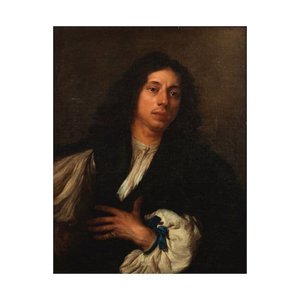
alessandro salucci
1590 - 1657 , Italy
주요 정보
- Artistic Movement Or Style: Baroque
- Artists Or Movements Influenced By This Artist: ['Gian Lorenzo Bernini']
- Artists Who Influenced This Artist:
- Michelangelo Cerquozzi
- Jan Miel
- Date Of Birth: Florence, Italy (1590)
- Date Of Death: 1657
- Full Name: Alessandro Salucci
- Nationality: Italian
- Notable Artworks:
- Harbour View with Triumphal Arch
- View with a Scene of a Sacrifice
- Place Of Birth: Florence