

 실제 크기로 보기
 보내기
보내기 공유하기
공유하기
 상세 보기
상세 보기 가이드 보기

 이미지 다운로드
 유사 작품 더 보기
 X-레이
X-레이 슬라이드 쇼 보기
 통계 정보
통계 정보Praying Monks
 Acrylic On Canvas
- WallArt
- Late Baroque
 53.0 x 43.0 cm
 Museum voor Schone Kunsten
 상세 보기
상세 보기
Get a print-ready file that goes far beyond the web preview. Every digital image we sell comes from a high-resolution master in our stock database — usually 5,000 to 15,000 pixels wide — so you can print large, crop tightly, or reproduce fine detail with confidence.
No file leaves our studio untouched. A digital expert checks the colors against the original painting and corrects them if needed, then improves clarity and detail with professional retouching tools — always staying faithful to the artist's brushwork and style. The result is an image that looks like the painting, not like a filtered scan.
You approve before you're done: our expert sends the image by e-mail within 72 hours for your review. Not satisfied? Ask for improvements or corrections, or request a refund if the quality falls short.
This is the quality relied on by publishers, design studios, galleries and print shops.
디지털 이미지
개인 소장 및 전시, 인쇄, 창작 프로젝트를 위한 고해상도 파일을 다운로드하세요. ( 프린트 판매로 전환 수작업 채색 복제본 주문하기)
모든 디지털 이미지 주문 시 제공되는 혜택
전문적인 디지털 이미지 전송 보장
OriginalUniqueArt.com를 선택하시면 단순히 이미지를 받는 것을 넘어, 정밀한 보정 과정을 거쳐 완성된 전문적인 디지털 예술 작품을 만나보실 수 있습니다. 모든 작품에는 만족 보장 서비스가 함께 제공되며, 주문 시 다음과 같은 사항들이 자동으로 포함됩니다:

빠른 이메일 수령
주문 후 72시간 이내에 고해상도 디지털 이미지 파일이 이메일로 발송되며, 즉시 사용하실 수 있습니다.

AI 기술로 최적화된 디지털 파일
귀하의 작품은 고급 AI 기술과 정교한 수동 편집 과정을 거쳐 전문적으로 최적화되며, 이를 통해 디테일과 선명도, 색상의 정확도를 극대화합니다.

평생 무료 재전송 서비스
파일을 실수로 삭제하거나 분실하셨나요? 걱정 마세요. 언제든 무료로 다시 보내드립니다.

추가 수입 비용 없음 - 언제나
관세나 부가세, 배송비 부담 없이 작품을 즉시 소장하세요 - 디지털 다운로드는 언제나 면세 혜택이 적용됩니다.

정확한 색상 보장
전문적인 도구와 색상 관리 시스템을 통해 디지털 이미지가 원본의 색상을 최대한 정확하게 구현하도록 보장합니다.

100일 만족 보장제
구매하신 디지털 이미지에 만족하지 못하실 경우, 100일 이내에 별도의 조건 없이 수정 또는 100% 환불을 진행해 드립니다.

100% 환불 보장
만족스럽지 않으신가요? 디지털 파일을 받으신 후 100일 이내에 조건 없이 전액 환불해 드립니다.

대량 주문 할인
이미지 3매 구매 시 10% 할인 - 5매 구매 시 15% 할인 - 10매 이상 구매 시 20% 할인. 크리에이티브 프로젝트, 갤러리, 에이전시에 매우 유용합니다.
A Glimpse into Melancholy: Alessandro Magnasco’s “Praying Monks”
Alessandro Magnasco's "Praying Monks," a remarkably intimate and subtly unsettling work from around 1730, offers a profound meditation on faith, solitude, and the human condition. Measuring just 53 x 43 cm, this painting transcends its modest size to deliver an experience of weighty emotion—a testament to Magnasco’s unique ability to distill complex spiritual themes into powerfully evocative imagery. The scene unfolds within a deliberately sparse landscape, dominated by two weathered rocks that serve as silent witnesses to the monks' devotion. These aren’t dramatic mountains or imposing cliffs; rather, they are humble elements, grounding the figures and suggesting a connection between earthly solidity and the search for something beyond.
Magnasco, born in Genoa in 1667 and primarily active in Milan, occupies a fascinating space within the transition from Baroque to Rococo. He wasn’t simply replicating established styles; he was forging his own path, marked by an intensely personal vision often tinged with melancholy. Unlike many of his contemporaries who embraced grand narratives and theatrical displays, Magnasco favored a quieter, more introspective approach. This is immediately apparent in “Praying Monks,” where the focus isn’t on elaborate gestures or dramatic expressions, but rather on the subtle nuances of posture and expression—the bowed head, the clasped hands, the almost palpable sense of quiet contemplation.
The Figures: A Spectrum of Response
Three monks dominate the composition, each embodying a distinct response to their shared devotion. The monk on the left, positioned slightly off-center, is rendered in a posture of fervent supplication—his hands raised in an open gesture of prayer, his face turned heavenward. He represents perhaps the most outwardly expressive of the three, a visible yearning for connection with the divine. To his right and above him stands another monk, equally engaged in prayer, but exhibiting a more subdued demeanor – a quiet acceptance, a yielding to fate. The third monk, kneeling further to the right, is depicted in a posture of almost complete surrender—a stillness that borders on sleep or perhaps even despair. This final figure offers a poignant counterpoint to the others, suggesting the potential for spiritual exhaustion and the struggle to maintain faith amidst hardship.
Magnasco’s masterful use of light and shadow further enhances this emotional complexity. The scene is bathed in a muted palette—predominantly grays and browns—creating an atmosphere of somber contemplation. The artist employs rapid, sketchy brushstrokes, lending the figures a sense of immediacy and vulnerability. These aren't idealized representations; they are flawed, human beings grappling with profound questions. Notice how Magnasco avoids smooth transitions or polished surfaces, instead favoring a technique that feels raw and direct—as if he were capturing a fleeting moment of genuine emotion.
Symbolism and Context
The choice of setting – the rugged landscape punctuated by these simple rocks – is laden with symbolic weight. The rocks can be interpreted as anchors, grounding the monks in the physical world while simultaneously representing the foundations upon which their faith is built. Magnasco’s depiction aligns with the practices of the Order of the Camuldulenses, or White Robed Monks of St. Benedict, who sought solace and guidance through a life of isolation in mountainous regions. The painting subtly echoes depictions of Jesus in the Garden of Gethsemane, highlighting the universal human experience of doubt and suffering.
Interestingly, Magnasco’s artistic biography reveals a man often at odds with convention. While he collaborated on larger projects and served prominent patrons like the Grand Duke Cosimo III, his personal style was decidedly unconventional—characterized by unsettling scenes populated by lonely hermits and monks. This suggests a deep-seated preoccupation with themes of isolation, decay, and the darker aspects of human existence. The attribution to this work is often debated, as Magnasco himself preferred more secular subjects, yet its haunting beauty and emotional resonance remain undeniable.
A Reproduction for Your Space
OriginalUniqueArt’s hand-painted reproduction of “Praying Monks” captures the essence of Magnasco's vision with exquisite detail. We meticulously recreate his distinctive brushwork, nuanced color palette, and evocative atmosphere, ensuring that this powerful artwork becomes a captivating centerpiece in your home or office. This is more than just a print; it’s an authentic representation of a significant work by a master of the Baroque era—a piece that invites contemplation and offers a glimpse into the complexities of faith, solitude, and the human spirit.
질의응답
Late Baroque 양식의 작품 "Praying Monks"은 어느 나라에서 유래되었나요?
"Praying Monks"은 작가의 탄생지를 통해 Late Baroque 사조와 이탈리아를 연결합니다.
알레산드로 마냐스코의 "Praying Monks"에서 예술 사조와 시대상은 어떻게 맞닿아 있나요?
알레산드로 마냐스코의 "Praying Monks"에서는 Late Baroque 사조와 근세 초기 시대가 만납니다.
"Praying Monks"의 색감은 얼마나 강렬한가요?
알레산드로 마냐스코의 "Praying Monks"은(는) Muted의 채도와 Monochromatic의 강도로 기록되어 있습니다.
아티스트 프로필
어둠에 잠긴 삶: 알레산드로 마냐스코의 신비로운 세계
알레산드로 마냐스코라는 이름은 그의 바로크 시대 동시대 예술가들만큼 친숙하지 않을지라도, 이탈리아 미술사 속에서 독특하고 매혹적인 위치를 차지하고 있습니다. 1667년 제노바에서 태어난 그는 활동 기간의 대부분을 밀라노에서 보냈으며, 고향으로 돌아간 것은 경력 말기인 1735년에 이르러서였습니다. 이러한 지리적 이동은 그의 예술적 비전에서 미묘하지만 중대한 진화를 반영합니다. 이는 협업적인 프로젝트와 확립된 전통으로부터 벗어나 지극히 개인적이고 종종 불안감을 자아내는 스타일로 나아가는 여정이었습니다. 마냐스코는 단순히 눈에 보이는 것을 그리는 것이 아니었습니다. 그는 특정한 분위기, 즉 우수와 부패의 감각을 캔버스 위에 자신만의 대담함으로 옮겨 담고 있었습니다. 1703년에서 1709년 사이에는 플로렌스에 머물며 코지모 3세 대공에게 봉사했는데, 이 경험은 의심할 여지 없이 그의 예술적 지평을 넓혔지만, 그것이 그의 성숙한 스타일에 미친 직접적인 영향은 해석의 여지가 남아 있습니다. 경력 초기에 그는 종종 다른 예술가들과 파트너를 이루어 활동했으며, 조반니 바티스타 타벨라의 풍경 속에 인물들을 능숙하게 통합하고 클레멘테 스페라가 만든 건축 폐허를 활용했습니다. 이러한 협업들은 그의 기술적 기량을 연마하는 동시에 싹트기 시작한 독립성을 암시했습니다.독특한 시선: 스타일과 주제
마냐스코의 예술적 특징은 규모와 팔레트에 대한 독창적인 접근 방식에 있습니다. 그는 작은 크기의 캔버스를 선호했으며, 종종 회색, 갈색, 황토색 같은 채도가 낮은 색조의 범위(hypochromatic range)를 사용하여 작품 전반에 걸쳐 우울한 분위기를 조성했습니다. 이 그림들은 주목을 요구하며 외치는 종류가 아닙니다. 어둑한 구석에서 비밀을 속삭이는 듯합니다. 그의 장면들에는 종종 무너져가는 폐허, 안개에 싸인 기이한 풍경, 혹은 신경질적이고 깜빡이는 붓놀림으로 표현된 길쭉한 인물들로 가득 찬 혼잡한 실내들이 묘사됩니다. 진정으로 그의 작품을 정의하는 것은 바로 이 인물들입니다. 종종 누더기를 걸친 거지들, 고독한 수도승들, 혹은 신비로운 활동에 몰두하는 그림자 같은 무리들 말입니다. 마냐스코의 주제 선택은 당시로서는 놀라울 정도로 비전통적이었습니다. 그는 회의적이거나 심지어 금기시되는 장면들을 묘사하는 것을 주저하지 않았습니다. 회당 예배, 퀘이커 모임, 강도들의 집회, 종교재판소의 심문, 그리고 대재앙의 묘사가 그것입니다. 작가의 의도는 여전히 모호합니다. 이 그림들은 사회적 논평의 표현이었을까요, 종교적 관용(혹은 불관용)에 대한 탐구였을까요, 아니면 단순히 특정한 분위기를 포착하려는 연습이었을까요? 바로 이 모호성이 그의 작품을 매우 매혹적으로 만듭니다. 경력 후반부인 1710년 이후에는 고딕 성당, 고독한 은둔자나 수도승들, 광장에서 모인 불량배들, 그리고 막사니아의 군인들로 유명해졌는데, 이러한 장면들은 그를 사회의 변두리에 끌리는 예술가라는 명성을 더욱 공고히 했습니다.영향과 예술적 발전
마냐스코의 예술적 발전에 영향을 준 정확한 요소를 짚어내는 것은 복잡한 작업입니다. 그는 분명 여러 출처에서 요소를 흡수했지만, 그것들을 완전히 독창적인 무언가로 종합해냈습니다. 그의 베네치아 동시대인 세바스티아노 리치(Sebastiano Ricci)의 자유로운 회화적 스타일은 의심할 여지 없이 역할을 했지만, 리치의 작품은 더 웅장한 규모와 노골적으로 신화적인 주제를 지향하는 경향이 있었습니다. 좀 더 가까운 곳에서는 제노바 출신 예술가 도메니코 피올라(Domenico Piola)와 그레고리오 데 페라리(Gregorio de Ferrari)가 스타일적 선례를 제공했지만, 마냐스코의 비전은 훨씬 더 어둡고 내성적이었습니다. 밀라노 예술가 일 모라조네(Il Morazzone)의 감정적 강렬함 또한 그에게 울림을 주었는데, 특히 표현적인 붓놀림을 통해 심리적 깊이를 전달하는 능력에서 그러했습니다. 그의 바다 풍경은 살바토레 로사(Salvatore Rosa)가 선호했던 폭풍우 치는 바다와 해적들의 낭만적인 묘사에 대한 친밀감을 보여주며, 광활한 풍경에 비해 작게 표현된 인물들의 크기는 클로드 로랭(Claude Lorraine)의 공기 같은 구성을 연상시킵니다. 또한 거지들을 다룬 주세페 마리아 체스피(Giuseppe Maria Crespi)의 장르 장면과 비교되기도 하지만, 체스피의 인물들은 일반적으로 더 실체가 있고 개별적입니다. 일부 학자들은 심지어 마냐스코가 체스피 자신에게 영향을 미쳤을지도 모른다고 제안합니다. 게다가 이 예술가는 후기 바로크 이탈리아 장르 화가들, 로마의 밤보치안티(Bamboccianti), 그리고 자크 칼로(Jacques Callot)의 정교한 판화에 의해 영향을 받았을 가능성이 높습니다.유산과 역사적 중요성
알레산드로 마냐스코의 스타일은 매끄러운 표면과 조화로운 색상 혼합을 강조했던 제노바의 지배적인 예술 규범과는 극명한 대조를 이루었습니다. 그의 대담한 접근 방식과 독특한 비전은 고향 도시에서는 즉각적으로 인정받지 못했지만, 다른 곳의 수집가들과 후원자들 사이에서 인기를 얻었으며, 특히 밀라노의 귀족 계층 사이에서 그러했습니다. 루돌프 비트코워(Rudolf Wittkower)는 그를 지배적인 베네치아 학파와 동떨어진 "고독하고, 긴장되며, 기이한" 예술가로 유명하게 묘사했습니다. 이러한 초기 인정 부족에도 불구하고, 마냐스코의 작품은 마르코 리치, 주세페 바짜니, 프란체스코 마페이, 그리고 유명한 베네치아 화가들인 지아난토니오와 프란체스코 구아르디를 포함하여 후대 예술가들에게 미묘하지만 중요한 영향을 미쳤습니다. 이 후기 로코코 화가들이 그의 자유로운 붓놀림을 장식적인 목적으로 채택했지만, 마냐스코 자신은 그것을 사용하여 우울함, 현실감, 그리고 심리적 불안감을 포착했습니다. 그가 그린 고문과 인간성의 다른 어두운 측면들은 프란시스코 고야(Francisco Goya)의 19세기 에칭에서 발견되는 사회적 논평과 비교되기도 했는데, 이는 그의 불안한 비전이 지닌 지속적인 힘과 관련성을 입증합니다. 마냐스코는 여전히 신비로운 인물로 남아 있으며, 분위기와 감정의 대가로서 그의 그림들은 창작된 수 세기가 지난 후에도 계속해서 사람들을 매료시키고 사색을 불러일으킵니다. 그의 예술은 아름다움이 그림자 속에서도 발견될 수 있다는 것, 그리고 진정한 예술적 표현은 종종 관습의 경계를 넘어선다는 것을 상기시켜 줍니다.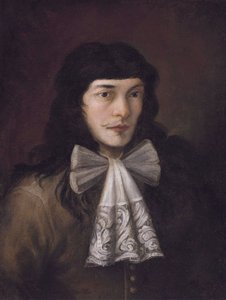
알레산드로 마냐스코
1667 - 1749 , 이탈리아
핵심 정보
- Artistic Movement Or Style: 바로크, 장르 회화
- Artists Or Movements Influenced By This Artist:
- 마르코 리치
- 주세페 바짜니
- 프란체스코 마페이
- Artists Who Influenced This Artist:
- 세바스티아노 리치
- 도메니코 피올라
- 그레고리오 데 페라리
- Date Of Birth: 1667
- Date Of Death: 1749
- Full Name: 알레산드로 마냐스코
- Nationality: 이탈리아인
- Notable Artworks:
- 세 명의 카말돌체 수도사
- 풍경 속의 카르투시안 수도사들
- 나사로의 부활
- Place Of Birth: 제노바, 이탈리아