

 미리보기
미리보기
 공유하기
공유하기 공유하기
공유하기
 상세 정보
상세 정보

 다운로드
다운로드
 유사 작품
유사 작품 X-레이
X-레이 슬라이드 쇼
 통계 정보
통계 정보Pietà
 Oil On Panel
- Renaissance
 1520
1520 176.0 x 99.0 cm
 국립 미술관 (National Gallery of Art)
 더 보기
더 보기
수제 유화 복제품
원하는 크기와 액자로 주문 제작되는, 작가들이 직접 캔버스에 손으로 그린 유화 작품입니다. ( 프린트 판매로 전환 디지털 이미지로 전환)




P118B $10

P118H $10

P118W $10

P438Z $10

P508JH $12

P508YH $12

P805H $10

P805Z $10

P919BZ $10

P919G $10

P919XJ $10

P959ZH $10

P968JZ $12

W106C $8

W218G $10

W218JH $8

W218Y $10

W307PJ $10

W316G $10

W316PJ $8

W316Y $10

W398PJ $8

W4111J $10

W500HY $15

W500JH $15

W692G $12

W849H $8

W940BG $15

W953PJ $8




작품의 원본 비율을 유지하는 미리 설정된 크기 중에서 선택하세요.

특정 프레임이나 공간에 맞도록 직접 크기를 입력할 수 있습니다. 선택하신 크기가 원본 이미지의 비율과 일치하지 않는 경우, 작품을 자르거나 추가적인 손으로 그린 요소를 사용하여 그림을 확장합니다. 제작 시작 전 승인을 위해 디지털 목업을 보내드립니다.
화면 미리 보기는 실제 자르기 또는 확장을 반영하지 않습니다. 최종 구성은 목업을 통해서만 정확하게 확인하실 수 있습니다.
맞춤 크기 제작도 가능하지만, 원본 비율을 유지하기 위해 사전 정의된 목록에서 크기를 선택하시는 것을 권장합니다.
주문 후 OriginalUniqueArt.com 팀에서 상세 안내를 위해 고객님께 이메일을 보내드리며, 미리보기 시안을 제공해 드립니다.


 유리 옵션은 110cm 미만 크기에서만 선택 가능합니다.

Pietà
재현 기법
복제본 크기
-


최종 결제 금액
$ 300
The Pietà: A Silent Echo of Sorrow
Michelangelo’s Pietà, residing within the heart of Saint Peter's Basilica in Vatican City, is not merely a sculpture; it’s an experience—a profound meditation on grief, loss, and the enduring power of maternal love. Completed around 1498-1499 during the nascent stages of the High Renaissance, this marble masterpiece transcends its material form to become a timeless symbol of human suffering and divine compassion. The sculpture captures a pivotal moment in Christian theology: the Virgin Mary cradling the lifeless body of Jesus Christ after his crucifixion, an image that has resonated deeply across centuries and cultures.
The sheer scale of the work is immediately arresting – measuring 177 cm (5 ft 9+1⁄2 in) high and 73.6 cm (28+3⁄4 in) wide. Michelangelo’s masterful manipulation of marble creates an astonishingly lifelike quality, imbuing the figures with a palpable sense of weight and vulnerability. The smooth, polished surfaces contrast dramatically with the rough texture of the stone, highlighting the delicate beauty of Mary's face against the stark reality of her son’s demise. The composition itself is carefully orchestrated – a pyramidal structure that draws the eye upwards to Mary’s serene countenance, anchoring the scene in stability amidst profound sorrow.
A Departure from Tradition: Youthful Beauty and Emotional Depth
What distinguishes Michelangelo's Pietà from earlier depictions of the subject is its radical departure from established artistic conventions. Unlike many preceding Pietà sculptures, which typically portrayed Mary as an older woman burdened by grief, Michelangelo presents her as remarkably youthful – almost ethereal in her beauty and composure. This deliberate choice was not arbitrary; it reflects a deeper theological interpretation rooted in Dante Alighieri’s Divine Comedy, where the Virgin is described as “the source of all beauty.” Michelangelo sought to capture the essence of Mary's purity and divine grace, suggesting an unbroken connection between her and God.
Furthermore, Michelangelo eschews overt displays of anguish or dramatic gestures. Instead, Mary’s expression is one of quiet contemplation—a profound sadness tempered by acceptance and a deep-seated love for her son. Her hands are gently cradling his body, conveying both tenderness and the weight of responsibility. The positioning of Christ's limp form, draped in flowing robes, further emphasizes his vulnerability and the finality of death. The subtle details – the delicate folds of the drapery, the realistic rendering of the wounds on Christ’s body – contribute to an overwhelming sense of realism and emotional intensity.
Symbolism and Spiritual Resonance
Beyond its technical brilliance, the Pietà is rich in symbolic meaning. The image speaks powerfully to themes of sacrifice, redemption, and the enduring bond between mother and son. The act of holding Christ’s body represents Mary's acceptance of her role as the Mother of God and her unwavering faith in his resurrection. The coins held by Mary’s left hand are often interpreted as a symbol of mourning—a gesture of offering and remembrance.
The sculpture’s placement within Saint Peter’s Basilica, one of the holiest sites in Christendom, further amplifies its spiritual significance. It serves as a constant reminder of Christ's sacrifice and Mary’s unwavering devotion, inviting viewers to contemplate their own faith and mortality. The Pietà is not simply a representation of a biblical scene; it’s an invitation to engage with profound questions about life, death, and the nature of love.
A Legacy of Beauty and Inspiration
Michelangelo's Pietà remains one of the most celebrated sculptures in Western art history. Its enduring appeal lies not only in its technical mastery but also in its ability to evoke a powerful emotional response. The sculpture’s influence can be seen in countless works of art throughout the centuries, and it continues to inspire artists, designers, and viewers alike. Whether viewed in person or through reproductions, the Pietà offers a timeless testament to the beauty of human compassion and the enduring power of faith.
작가 약력
베네치아 르네상스의 평온한 목소리
전 세계적으로 모레토 다 브레시아라는 이름으로 알려진 알레산드로 본비치노는 16세기 이탈리아 예술 지형에서 중추적인 인물로 자리 잡고 있습니다. 1498년경 롬바rypt아 로바토에서 태어난 그는 예술적 혁신이 휘몰아치던 시기에 등장하여, 티치아노와 라파엘로 같은 거장들의 유산을 계승하는 동시에 놀라운 평온함과 빛나는 색채를 특징으로 하는 자신만의 독창적인 양식을 구축했습니다. 극적인 서사나 화려한 장식에 매료되었던 당대의 많은 화가들과 달리, 모레토의 작품 세계는 명상적인 아름다움을 우선시하며, 이는 당시 유럽 르네상스를 관통하던 인문주의적 이상을 투영하고 있습니다. 그의 이름은 출생지에 대한 경의를 담고 있으며, 그의 조용하고도 심오한 예술적 숙련도를 위한 완벽한 배경이 되어준 브레시아의 풍요로운 문화유산과 영원히 연결되는 고리 역할을 합니다.
그의 형성기는 브레시아의 예술적 전통 속에 깊이 뿌리내리고 있었습니다. 그는 저명한 화가였던 조반니 바티스타 브루스톨로의 가르침 아래 기술을 연마하며, 고전적 형태와 조화로운 구도에 대한 깊은 이해를 체득했습니다. 그의 재능이 꽃피우면서 모레토의 작품은 독특한 영향력의 결합을 보여주기 시작했습니다. 그는 라파엘로의 우아함과 베네치아 화파의 대기감 넘치는 풍부함을 흡수하면서도, 틴토레토와 같은 화가들이 추구했던 연극적인 충동에는 저항했습니다. 대신 그는 절제된 미학을 일구어냈는데, 부드럽과 확산된 빛이 감도는 배경 속에서 인물들이 절제된 우아함으로 그려지는 방식입니다. 세부 사항에 대한 이러한 세심한 주의와 글레이징 기법의 숙련된 사용은 그의 캔버스에 천상적인 분위기를 부여하며, 그의 작품이 물리적 실재감을 넘어 영적인 초월성을 느끼게 하는 데 결정적인 역할을 합니다.
빛의 숙련과 경건한 깊이
모레토가 지닌 천재성의 진정한 정수는 아마도 그의 종교화 작업에서 가장 극명하게 드러날 것입니다. 그는 제단화라는 장르를 타의 추종을 불허하는 우아함으로 완성하며, 성서의 이야기를 조용한 내면 성찰의 순간으로 탈바꿈시켰습니다. 이러한 작품들 속에서 성서의 장면들은 놀라운 섬세함으로 묘란되며, 과도한 감정 과잉이나 자극적인 드라마에 의존하지 않고도 깊은 영적 진리를 전달합니다. 인물을 감싸 안는 듯한 스푸마토(sfumato) 효과를 만들어내는 그의 빛 조절 능력은, 그가 묘사하는 성인과 순교자들에게 생명력을 불어넣는 부드럽고 자연스러운 광채를 선사합니다. 이 빛나는 특성은 단순한 기술적 성취를 넘어, 지상 세계 속에 존재하는 신성한 존재를 상징합니다.
종교적 헌신을 넘어, 모레토는 또한 찬사를 받는 초상화가이기도 했습니다. 그의 초상화는 심리적 깊이와 특유의 품격 있는 정지 상태로 유명하며, 대상의 인격을 놀라운 명료함으로 포착해냅니다. 고위 성직자든 지역 귀족이든, 그는 모델들에게 영속성과 침착함을 부여했습니다. 그의 기술적 접근 방식은 다음과 같은 요소들로 특징지어집니다:
- 빛나는 색채 팔레트: 대비보다는 조화를 강조하는 정교한 색채 사용
- 대기 원근법: 빛과 그림자의 미묘한 조작을 통한 깊이감의 창조 고전적 구도: 르네상스 인문주의에서 유래한 균형 잡히고 안정적인 구조에 대한 의존
- 질감의 사실주의: 직물, 금속, 피부의 촉각적 질감을 구현하는 탁월한 능력
유산과 역사적 의의
르네상스가 더욱 역동적이고 격정적인 매너리즘 양식으로 나아갈 때도, 모레토 다 브레시아는 평온함의 확고한 수호자로 남았습니다. 그의 역사적 의의는 변화하는 예술 세계 속에서도 고전적인 균형감을 유지해낸 능력에 있습니다. 그는 베로네세의 웅장함이나 틴토레토의 역동성에 대한 필수적인 대조점을 제공하며, 대신 평화와 영적인 명료함이라는 비전을 제시했습니다. 이러한 독보적인 위치 덕분에 그는 후대 롬바르디아 화가들에게 영향을 미칠 수 있었고, 브레시아 학파의 조용한 품격이 지속될 수 있도록 보장했습니다.
오늘날 모레토의 작품들은 기술적 탁월함뿐만 아니라 관람객에게 제공하는 정서적 안식처로서 소중히 여겨집니다. 그의 회화는 예술이 인간의 경험과 신성 사이의 간극을 메우기 위해 사용되었던, 깊은 지적·영적 탐구의 시대를 들여다보는 창 역할을 합니다. 알레산드로 본비치노는 그의 영속적인 유산을 통해, 예술의 진정한 힘은 종종 가장 큰 몸짓이 아니라 가장 나직하게 속삭이는 진실 속에 존재한다는 사실을 우리에게 계속해서 상기시켜 줍니다.

알레산드로 본비치노 (모레토 다 브레시아)
1498 - 1554 , 이탈리아
주요 정보
- Artistic Movement Or Style: 르네상스 미술
- Artists Who Influenced This Artist:
- 티치아노
- 라파엘로
- Date Of Birth: 약 1498년
- Date Of Death: 1554년 12월
- Full Name: 알레산드로 본비치노
- Nationality: 이탈리아
- Notable Artworks:
- 남자의 초상
- 광야의 그리스도
- 풍경을 배경으로 한 여성 초상 1
- Place Of Birth: 이탈리아 로바토
관련 기사 더 보기

The Enduring Form: Sculpture Across History, Technique & Emotional Resonance
Explore the rich history of sculpture with OriginalUniqueArt. Discover key techniques, influential artists & investment potential for discerning collectors. Expert insights into valuing and collecting timeless masterpieces.
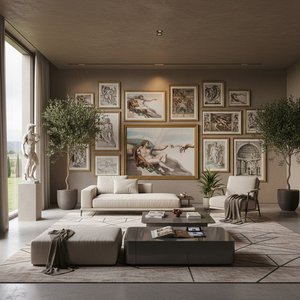
미켈란젤로의 걸작 25선: 예술과 영혼을 담은 명화 컬렉션 | OriginalUniqueArt
미켈란젤로의 불멸의 걸작 25선을 만나보세요. 르네상스 미술의 정수를 담은 '다비드', '천지창조' 등 명화들의 숨겨진 이야기와 예술적 의미를 OriginalUniqueArt에서 감상하고, 특별한 인테리어으로 공간에 영감을 불어넣으세요. 지금 바로 컬렉션을 탐험하세요!

Bronze Age to Modern Masters: 10 Sculptures That Redefined Art | OriginalUniqueArt
Journey through art history with 10 legendary bronze sculptures – from Michelangelo's David to Rodin’s Thinker. Explore the stories, techniques & timeless beauty of these masterpieces. Find museum-quality reproductions & elevate your home decor on OriginalUniqueArt.com.

The Enduring Allure of Marble in Art History: From Classical Sculpture to Modern Abstraction
Explore the captivating history of marble sculpture from ancient Greece to modern art. Discover renowned artists like Canova & Michelangelo, carving techniques, and investment insights at OriginalUniqueArt.

Bronze Sculptures That Defined Art History | OriginalUniqueArt
Journey through art history with our Top 10 bronze sculptures! Explore masterpieces by Rodin, Michelangelo & more. Discover stories behind iconic statues and find museum-quality reproductions for your home decor at OriginalUniqueArt.com.