프린트 판매로 전환
 상세 보기
상세 보기







































 가로 또는 세로 중 어느 한 면이라도 105cm(약 41인치)를 초과하는 작품이나 복제화의 경우, 프레임은 분해된 키트 형태로 배송됩니다. 이는 안전한 배송을 보장하고 운송 중 발생할 수 있는 손상을 방지하기 위함입니다.


Alessandro Algardi: A Quiet Titan of Baroque Sculpture
Alessandro Algardi (1598–1654) stands as a remarkable testament to the artistic fervor of 17th-century Rome—a city consumed by grandeur and theatrical innovation under the patronage of papal courts. Yet, amidst the flamboyant sculptures of Bernini, Algardi carved out his own distinctive path: one characterized by meticulous realism, restrained emotion, and an unwavering devotion to classical ideals. Often overshadowed by his rival, Algardi nevertheless achieved considerable renown for his portraits and monumental tombs, cementing his legacy as a sculptor who prioritized dignity and contemplation over ostentation.
The Influence of Carracci and the Early Years in Bologna
Algardi’s formative years were spent under the tutelage of Agostino Carracci, one of the leading figures of Bolognese Mannerism. This apprenticeship instilled foundational skills—particularly in disegno (drawing)—that would inform his entire artistic career. Early commissions included chalk statues of saints for Santa Maria della Vita in Bologna, securing Algardi’s reputation and demonstrating his ability to capture spiritual essence with remarkable precision. The patronage of Ferdinando I, Duke of Mantua further propelled his ambitions, establishing him as a sculptor capable of elevating religious iconography into works of profound beauty.
Rome: Embracing Bernini's Rivalry and Classical Revival
Algardi’s arrival in Rome in 1625 marked a pivotal moment—a confrontation with the artistic dominance of Gian Lorenzo Bernini, whose sculptures epitomized Baroque theatricality. Recognizing Bernini’s unparalleled skill in conveying movement and emotion, Algardi consciously distanced himself from this style, opting instead for a more measured approach rooted in classical sculpture. This decision resulted in monumental tombs like Pope Leo XI's—a masterpiece of sculptural elegance that exemplifies Algardi’s commitment to timeless beauty and intellectual rigor—and numerous portraits reflecting his mastery of capturing human likeness with unparalleled subtlety.
Notable Works: The Firedogs and Beyond
Algardi’s fame rests upon several iconic sculptures, including the pair of “Firedogs” (chenets) commissioned for Philip IV of Spain. These dynamic bronze groupings—depicting Jupiter holding his thunderbolt seated on a terrestrial globe supported by three Titans and Juno—represent Algardi's ability to synthesize classical form with dramatic gesture. Beyond these celebrated pieces, Algardi produced an impressive array of tombs, sculptures for churches, and portraits showcasing his versatility as a sculptor and his unwavering dedication to artistic excellence.
A Legacy of Dignity and Restraint
Algardi’s sculptural style—characterized by smooth surfaces, precise modeling, and a deliberate avoidance of excessive ornamentation—stands in stark contrast to Bernini's exuberant Baroque aesthetic. He sought to convey dignity and contemplation rather than spectacle or emotional fervor, reflecting the humanist values prevalent during his time. Algardi’s enduring influence can be seen in subsequent generations of sculptors who admired his mastery of classical technique and his profound understanding of human psychology—a testament to his place as one of Rome's most distinguished artists.
질의응답
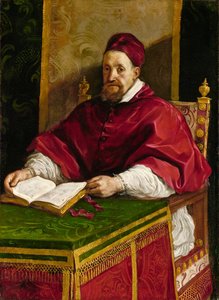
알레산드로 알가르디의 "Laudivio Zacchia"의 채도는 어느 정도인가요?
알레산드로 알가르디의 "Laudivio Zacchia"의 색상은 Balanced Soft 정도의 채도를 띱니다. 채도는 색상이 얼마나 선명하거나 차분한지를 나타냅니다.
Baroque 사조의 작품 "Laudivio Zacchia"은 어떤 감정을 전달하나요?
"Laudivio Zacchia"의 Reflective한 감정은 그 Baroque 양식과 함께 어우러집니다.
알레산드로 알가르디의 "Laudivio Zacchia"의 색채는 작품의 감정과 어떻게 연결되나요?
"Laudivio Zacchia"에서 Earthy 색조는 Reflective 분위기를 자아냅니다.
More about this painting
 실제 크기로 보기
 보내기
보내기 공유하기
공유하기
 상세 보기
상세 보기 가이드 보기

 이미지 다운로드
 유사 작품 더 보기
 X-레이
X-레이 슬라이드 쇼 보기
 Q&A
Q&A 통계 정보
통계 정보