
 미리보기
미리보기
 공유하기
공유하기 공유하기
공유하기
 상세 정보
상세 정보

 다운로드
다운로드
 유사 작품
유사 작품 X-레이
X-레이 슬라이드 쇼
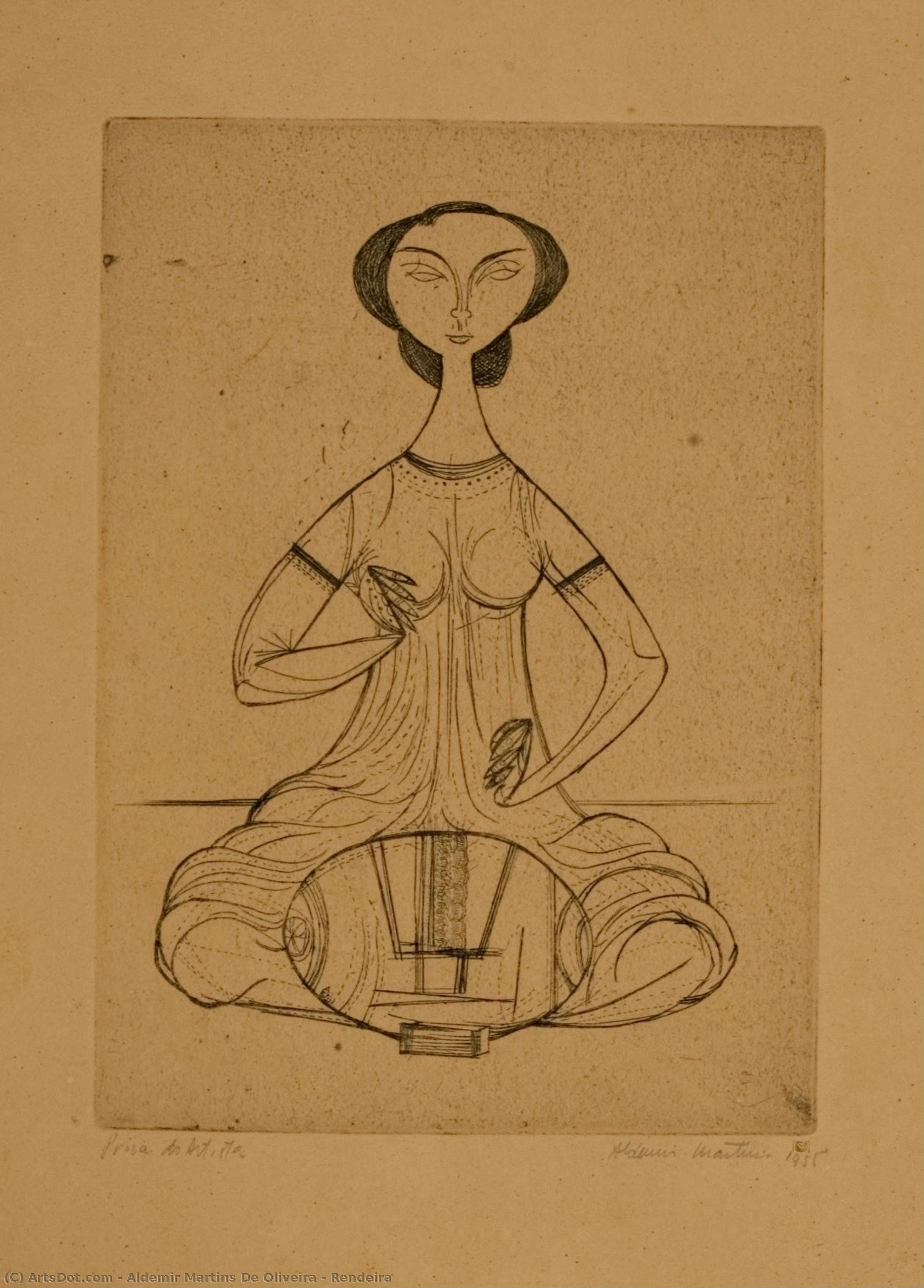
Rendeira


 더 보기
더 보기
지클레 / 아트 프린트
빠른 제작과 다양한 마감 옵션을 제공하는 박물관 품질의 지클레이 또는 캔버스 프린트. ( 손으로 그린 그림 구매 이미지 구매)




P118B $10

P118H $10

P118W $10

P438Z $10

P508JH $12

P508YH $12

P805H $10

P805Z $10

P919BZ $10

P919G $10

P919XJ $10

P959ZH $10

P968JZ $12

W106C $8

W218G $10

W218JH $8

W218Y $10

W307PJ $10

W316G $10

W316PJ $8

W316Y $10

W398PJ $8

W4111J $10

W500HY $15

W500JH $15

W692G $12

W849H $8

W940BG $15

W953PJ $8




작품의 원본 비율을 유지하는 미리 설정된 크기 중에서 선택하세요.

특정 프레임이나 공간에 맞춰 직접 치수를 입력하실 수 있습니다. 선택하신 사이즈가 원본 이미지의 비율과 일치하지 않을 경우, 작품을 크롭(자르기)하거나 이미지를 대칭 또는 단색 채우기로 확장하여 제작합니다. 제작 시작 전, 최종 확인을 위해 디지털 목업이 전송됩니다.
화면상의 미리보기는 실제 크롭이나 확장 상태를 반영하지 않으므로, 최종 구도는 오직 목업을 통해서만 정확하게 확인하실 수 있습니다.
맞춤 사이즈 제작도 가능하지만, 원본 비율을 유지하기 위해서는 사전 정의된 목록에서 치수를 선택하시는 것을 권장합니다.


 유리 옵션은 110cm 미만 크기에서만 선택 가능합니다.

Rendeira
지클레 / 아트 프린트
복제본 크기
-


최종 결제 금액
$ 80
작품 상세 설명
A Timeless Encounter with Tradition
In the quietude of 1955, Aldemir Martins de Oliveira captured a moment of profound stillness in his evocative work, Rendeira. The painting presents a solitary woman, seated upon the earth with her legs crossed, lost in a state of deep, pensive reflection. Though the piece is rendered in a striking black and white palette, it possesses a vitality that transcends the absence of color. This monochromatic approach strips away the distractions of the external world, forcing the viewer to confront the raw, emotional essence of the subject. The artist utilizes light and shadow to sculpt the figure, creating a sense of weight and presence that makes her appear almost tangible within the frame. It is an intimate portrait that invites the observer into a private sanctuary of thought, making it a captivating centerpiece for any collection focused on human emotion and classical grace.
The technique employed in Rendeira speaks to the mastery of Martins de Oliveira’s early period, where his ability to manipulate texture and contrast began to flourish. By eschewing color, the artist emphasizes the structural beauty of the composition—the way the fabric of her dress drapes around her form and the subtle interplay of light across her contemplative face. This stylistic choice lends the artwork a timeless, archival quality, reminiscent of fine photography or classical etchings. For the discerning collector or interior designer, this piece offers a sophisticated aesthetic; its neutral tones allow it to integrate seamlessly into diverse decor styles, from minimalist modern galleries to more traditional, textured interiors, providing a focal point that is both intellectually stimulating and visually soothing.
The Soul of the Brazilian Northeast
Beyond its formal beauty, Rendeira serves as a poignant window into the cultural heartbeat of Brazil. The title itself refers to the lace-maker, a figure deeply embedded in the folk traditions of the Brazilian Northeast. Through this subject, Martins de Oliveira pays homage to the enduring spirit and the quiet dignity of the people of his homeland. The woman’s pensive expression may suggest the rhythmic, meditative nature of her craft, or perhaps a deeper connection to the landscape and history that surrounds her. There is a profound sense of nostalgia embedded in the brushstrokes, a longing for a way of life defined by patience and manual artistry.
To possess a reproduction of this work is to hold a fragment of Brazilian heritage. The painting does more than decorate a space; it narrates a story of resilience and cultural identity. It evokes an atmosphere of quiet strength and historical continuity, making it an ideal choice for those who seek art that carries significant emotional weight and narrative depth. Whether placed in a sunlit study or a grand living hall, Rendeira acts as a silent storyteller, bridging the gap between the mid-20th century and the contemporary moment through its universal themes of introspection and human grace.
작가 약력
Aldemir Martins de Oliveira: A Vision of the Brazilian Northeast
Aldemir Martins de Oliveira, born in Ico, Ceará, Brazil on November 8, 1922, and passing away in São Paulo on February 6, 2006, was a pivotal figure in 20th-century Brazilian art. More than simply a painter, he became a chronicler of his homeland’s soul – its landscapes, its people, and the enduring spirit of the Northeast. His work, characterized by vibrant colors, bold brushstrokes, and an intimate understanding of texture, transcends mere representation; it evokes a powerful sense of place and memory. Martins' artistic journey was one of profound personal connection interwoven with a growing national identity, culminating in a body of art that continues to resonate deeply within Brazil and beyond.Early Life and Artistic Beginnings
Martins’s early life shaped his artistic vision profoundly. He began drawing at the Military College in 1934, an experience that ignited a lifelong passion for visual expression. Self-taught and largely independent, he immersed himself in the burgeoning art scene of Fortaleza, contributing significantly to its cultural development by co-founding the Cultural Center for Fine Arts in 1941, later renamed the Ceará Society of Fine Arts – SCAP. This period saw him experimenting with various mediums, including illustration for regional newspapers and magazines, a crucial step in honing his observational skills and developing his distinctive style. His early work reflected the realities of Northeastern Brazil—the stark beauty of its arid landscapes, the dignity of its people, and the rhythms of rural life – themes that would dominate much of his oeuvre.A Distinctive Artistic Style: Color, Texture, and Narrative
Martins’s artistic style is immediately recognizable for its bold use of color and dynamic brushwork. He eschewed academic precision in favor of a more expressive approach, layering pigments to create rich textures that mimic the rough surfaces of his subjects – weathered wood, sun-baked earth, and the flowing garments of his figures. His palette is intensely vibrant, often employing saturated hues to capture the intensity of the Brazilian sun. However, it’s not merely color; Martins masterfully employed texture to convey depth and emotion. He frequently incorporated elements of *textura*, a technique popular in Brazil during this period, adding a tactile quality to his paintings that invites viewers to almost reach out and touch the scene. Crucially, his work is narrative—each painting tells a story, often imbued with symbolism and reflecting the cultural traditions of the Northeast.Notable Works and Recognition
Several works stand as testaments to Martins’s artistic prowess and enduring legacy. “Bird” (1957), now held by the Museum of Modern Art in New York, is arguably his most celebrated piece – a dynamic composition capturing the essence of avian flight against a dramatic sky. “Rendeira” (1955), depicting a woman weaving on a traditional loom, exemplifies his ability to imbue everyday scenes with profound meaning and emotional resonance. His illustrations for various publications further showcased his versatility and artistic vision. In 1956, he received international recognition at the Venice Biennale, awarded “best international designer,” solidifying his position as a significant voice in contemporary art. The Prêmio Jabuti, bestowed upon him in 1959, acknowledged his contributions to Brazilian literature and arts, recognizing his broader cultural impact.Legacy and Influence
Aldemir Martins de Oliveira’s influence extends far beyond the canvases he created. He served as a mentor to younger artists and played a vital role in promoting Brazilian art on an international stage. His work continues to inspire generations of artists, not only for its technical brilliance but also for its honest portrayal of Brazilian culture and identity. His dedication to capturing the essence of the Northeast—its landscapes, its people, and its traditions—has cemented his place as one of Brazil’s most important 20th-century artists. His legacy lives on through his captivating paintings, drawings, and illustrations, offering a timeless window into the heart of Brazil.
aldemir martins de oliveira
1922 - 2006 , Brazil
주요 정보
- Artistic Movement Or Style: Unique blend
- Date Of Birth: November 8, 1922
- Date Of Death: February 6, 2006
- Full Name: Aldemir Martins de Oliveira
- Nationality: Brazilian
- Notable Artworks:
- Bird (1957)
- Rendeira
- Place Of Birth: Ico, Ceará, Brazil
관련 기사 더 보기

White on Canvas: 10 Masterpieces & Timeless Elegance for Your Home Decor
Explore 10 iconic white paintings by Monet, Whistler & Rothko! Discover the stories behind these serene masterpieces and their impact on art history. Find museum-quality reproductions for your home decor at .

Monochrome Visions: Exploring the Aesthetic & Historical Significance of Black & White Photography
Explore the rich history & artistic power of black and white photography. From early techniques to iconic masters like Ansel Adams, discover why monochrome continues to captivate art lovers today. Expert insights for collectors.

Shadow & Soul: Why Black & White Photography Remains the Ultimate Power Move in Modern Art
Discover why black & white photography remains a powerful force in contemporary art. Explore the impact of light, shadow, and texture through a visual journey of monochrome mastery and learn how to elevate your space with timeless grayscale aesthetics.

Dark Masterpieces: 10 Iconic Paintings Dominated by Black Tones |
Explore 10 iconic paintings dominated by black tones, from Rembrandt’s chiaroscuro to Goya's dark expressions. Discover the stories behind these masterpieces & find museum-quality art reproductions for your home at .

The Art of Monochrome: Transforming Personal Memories into Timeless Black & White Fine Art Masterpieces
Elevate your most cherished memories with OriginalUniqueArt’s bespoke service. We transform your personal photos into breathtaking, hand-painted black & white oil masterpieces. Experience museum-quality craftsmanship and timeless elegance for your private collection. Discover the art of legacy.

