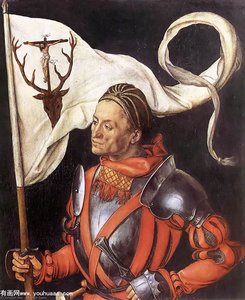
실제 크기로 보기
 보내기
보내기 공유하기
공유하기
 상세 보기
상세 보기 가이드 보기

 이미지 다운로드
 유사 작품 더 보기
 X-레이
X-레이 슬라이드 쇼 보기
 Q&A
Q&A 통계 정보
통계 정보mein Agnes
 Acrylic On Canvas
- WallArt
- Renaissance
 1494
1494 156.0 x 98.0 cm
 그라피셰 살람베르타 광장 박물관
 상세 보기
상세 보기
지클레 / 아트 프린트
빠른 제작과 다양한 마감 옵션을 선택할 수 있는 박물관 수준의 지클레이 및 캔버스 프린트. ( 수작업 채색 복제본 주문하기 디지털 이미지 판매 채널로 전환)




P118B ₩10

P118H ₩10

P118W ₩10

P438Z ₩10

P508JH ₩12

P508YH ₩12

P805H ₩10

P805Z ₩10

P919BZ ₩10

P919G ₩10

P919XJ ₩10

P959ZH ₩10

P968JZ ₩12

W106C ₩8

W218G ₩10

W218JH ₩8

W218Y ₩10

W307PJ ₩10

W316G ₩10

W316PJ ₩8

W316Y ₩10

W398PJ ₩8

W4111J ₩10

W500HY ₩15

W500JH ₩15

W692G ₩12

W849H ₩8

W940BG ₩15

W953PJ ₩8




작품의 원본 비율을 그대로 유지하는 프리셋 사이즈 중에서 선택해 보세요.

액자나 벽면 크기에 맞춰 필요한 가로와 세로 길이를 입력해 주세요. 프린트는 원본 이미지보다 크게 제작할 수 없으며 오직 자르는 것만 가능하므로, 비율이 다른 사이즈를 선택할 경우 이미지의 일부가 잘려 나갈 수 있습니다. 인쇄 작업에 들어가기 전, 최종 확인을 위해 디지털 목업을 보내드립니다. 이 페이지에 표시된 이미지는 실제 잘리는 영역을 나타내지 않으며, 오직 목업을 통해서만 정확한 확인이 가능합니다.


 유리 옵션은 110cm 미만 크기에서만 선택 가능합니다.

mein Agnes
지클레 / 아트 프린트
복제본 규격
-


총 결제 금액
₩ 108288
Mein Agnes: A Portrait of Quiet Contemplation
Albrecht Dürer’s “Mein Agnes,” created in 1494, isn't merely a portrait; it’s a profound distillation of human emotion captured with an astonishingly delicate hand. This black and white sketch, now residing within the Albertina Museum in Vienna, offers a rare glimpse into the life of Agnes Dürer, the wife of one of the Renaissance’s most celebrated artists. More than just a depiction of a woman, it's a study in introspection, a moment frozen in time that speaks volumes about the complexities of marriage and the quiet beauty of everyday existence.
The drawing itself is remarkably intimate – a young Agnes, likely around eighteen years old, sits at a table, her head resting pensively on her right hand. Her gaze is averted, suggesting a private thought or perhaps a moment of melancholy. Dürer’s masterful use of hatching and cross-hatching creates an incredible sense of texture, mimicking the drape of her clothing and the softness of her hair. The lines aren't bold declarations; instead, they are subtle whispers that build volume and depth, drawing the viewer into the scene with a gentle invitation.
The Renaissance Context: Marriage and Artistic Patronage
To fully appreciate “Mein Agnes,” it’s crucial to understand the context of its creation. Dürer returned to Nuremberg in 1494 after an extended journey through Italy, a period that profoundly shaped his artistic vision. He had married Agnes Frey just weeks before, a union arranged by their families and reflecting the prevailing social norms of the time. Marriage was often viewed as a strategic alliance, but for Dürer, it also provided him with a model – a muse, in essence – to capture on paper. The arrangement highlights the role of women within Renaissance society, not just as wives and mothers, but as subjects worthy of artistic representation.
Furthermore, Dürer’s return coincided with the rise of wealthy patrons like Emperor Maximilian I, who commissioned elaborate artworks for his court. This patronage fueled a flourishing art market and encouraged artists to experiment with new techniques and styles. Dürer's ability to blend traditional Northern European realism with Italian Renaissance influences – evident in his meticulous observation of anatomy and perspective – made him one of the most sought-after artists of his era.
Technique and Symbolism: A Masterclass in Line
The technical brilliance of “Mein Agnes” lies primarily in Dürer’s command of line. He employs a technique known as *hatching*, layering parallel lines to create tonal variations, and *cross-hatching*, intersecting lines to build darker areas. This method allows him to render the subtle nuances of light and shadow with remarkable precision, giving the figure a tangible presence. The simplicity of the materials – paper and ink – belies the complexity of his execution; it’s a testament to Dürer's extraordinary skill.
Beyond its technical merits, “Mein Agnes” is rich in symbolism. The posture itself—head resting on hand—suggests contemplation, perhaps even sadness or vulnerability. It’s a quiet moment of introspection, offering a poignant contrast to the grand narratives often depicted in Renaissance art. The sketch's intimacy and directness are particularly striking, representing a departure from the more formal portraiture conventions of the period.
Emotional Resonance: A Window into the Human Heart
“Mein Agnes” is not simply a beautiful drawing; it’s an emotionally resonant work that invites viewers to connect with the subject on a deeply personal level. Dürer's ability to capture a fleeting moment of human emotion—a hint of melancholy, a suggestion of inner thought—is truly remarkable. The sketch possesses a timeless quality, reminding us of the universal experiences of love, loss, and introspection.
Reproductions of “Mein Agnes” offer an accessible way to experience this masterpiece firsthand. Whether displayed in a private residence or a public gallery, this intimate portrait continues to captivate audiences with its quiet beauty and profound emotional depth—a testament to the enduring legacy of Albrecht Dürer’s artistic genius.
질의응답
알브레히트 뒤러의 "mein Agnes"의 복제본은 어디에 걸면 좋을까요?
알브레히트 뒤러의 "mein Agnes"의 Tall 형식은 Living Room에 추천합니다. 작품의 형식과 공간의 조화는 복제화 배치에 중요한 가이드가 됩니다.
"mein Agnes"의 화풍은 작가가 활동했던 시대와 어떤 연관이 있나요?
알브레히트 뒤러의 "mein Agnes"에서는 Renaissance 사조와 르네상스 시대가 만납니다.
원작 알브레히트 뒤러의 "mein Agnes"의 크기는 어떻게 되나요?
"mein Agnes"의 원작 크기는 156 x 98 cm입니다. 원작의 규격은 복제본(reproduction) 사이즈를 선택할 때 유용한 참고 자료가 됩니다.
작가 소개
뉘른베르크에서 피어난 천재: 알브레히트 뒤러의 삶과 예술
알브레히트 뒤러는 15세기 독일 르네상스를 대표하는 거장으로, 그의 이름은 오늘날까지도 뛰어난 예술적 재능과 혁신적인 정신을 상징합니다. 1471년 독일 뉘른베르크에서 금세공인 아버지와 어머니 사이에서 태어난 뒤러는 어린 시절부터 그림에 천부적인 재능을 보였습니다. 그의 아버지는 처음에는 뒤러가 가업을 이어갈 것이라고 생각했지만, 곧 아들의 예술적 열정을 인정하고 그를 뉘른베르크의 대표적인 화가였던 미하엘 볼게무트에게 보내기로 결정합니다. 볼게무트의 작업실에서 뒤러는 목판화 제작 기술과 디자인 원리를 익히며, 그의 예술적 기반을 다졌습니다. 특히 볼게무트는 *뉘른베르크 만년기* 삽화를 제작하는 데 참여하며, 방대한 양의 작품을 통해 뒤러는 구성력과 표현력을 키웠습니다. 1484년에 그린 은봉 점묘 자화상은 그의 어린 시절 재능을 보여주는 놀라운 증거이며, 예술가로서의 정체성이 이미 형성되고 있음을 암시합니다.이탈리아 여행과 예술적 성숙
뒤러는 자신의 예술적 지평을 넓히고 회화 기법을 연마하기 위해 1494년 이탈리아로 첫 번째 여정을 떠납니다. 이는 단순한 관광 여행이 아닌, 르네상스 심장부로 향하는 예술적 순례였습니다. 라파엘로, 조반니 벨리니, 레오나르도 다 빈치와 같은 거장들의 작품을 직접 접하며 뒤러는 고전적인 모티프, 조화로운 구도, 그리고 인간 표현의 새로운 가능성을 탐구했습니다. 이탈리아 경험은 그의 예술에 깊은 영향을 미쳤습니다. 그는 이탈리아 화가들이 보여준 균형미와 이상화를 받아들였지만, 동시에 북유럽 미술 특유의 섬세한 묘사와 상징적인 깊이를 잃지 않았습니다. 1505년부터 1507년까지 이탈리아에서 보낸 두 번째 여정은 고대 로마 유적을 탐구하고 인체 해부학에 대한 이해를 심화시키는 계기가 되었습니다. 이러한 경험들은 뒤러의 독특한 예술 스타일을 완성하는 데 결정적인 역할을 했습니다.다재다능함: 회화, 판화, 목판화
뒤러는 회화뿐만 아니라 판화, 목판화 등 다양한 매체를 능숙하게 다루며 예술적 역량을 발휘했습니다. 그의 유화 작품들은 기름 물감의 섬세한 표현과 인물에 대한 깊이 있는 통찰력을 보여줍니다. 특히 베네치아 화풍의 영향을 받은 *장미 축제 연회*는 생동감 넘치는 색채와 풍부한 디테일로 르네상스 시대 회화의 정수를 보여줍니다. 그러나 뒤러를 진정으로 특별하게 만드는 것은 판화, 특히 동판화와 목판화에 대한 그의 탁월한 능력이었습니다. 그는 판화를 단순한 복제 기술이 아닌 독립적인 예술 형태로 끌어올렸으며, 복잡한 이야기와 깊은 감정을 전달하는 데 활용했습니다. *요한계시록* 연작(1498)은 목판화의 한계를 극복하고 웅장한 비전을 표현해낸 걸작입니다. 1514년에 제작된 *메랑콜리아 I*과 *성 제롬의 연구실*은 그의 동판화 기술을 극한으로 끌어올린 작품으로, 상징적인 의미와 숨 막힐 듯한 정밀함이 어우러져 있습니다.이론가이자 혁신가: 알브레히트 뒤러의 유산
뒤러는 예술가로서의 재능뿐만 아니라 학자, 이론가, 그리고 혁신가로서도 두각을 나타냈습니다. 그는 예술 창작의 근본 원리를 이해하고자 노력하며, 수학적 원리에 기반한 예술 접근 방식을 추구했습니다. *인간 비례에 관한 네 권의 책* (1528)과 같은 저술은 인체 해부학, 기하학, 그리고 군사 공학 분야에 대한 그의 깊이 있는 지식을 보여줍니다. 이러한 저술들은 예술가들을 단순한 장인이 아닌 지적 실천자로 격상시키는 데 기여했습니다. 뒤러의 유산은 시대를 초월하여 수많은 예술가와 학자들에게 영감을 주고 있습니다. 그는 북유럽 미술 전통과 이탈리아 르네상스 이상을 융합하며, 새로운 예술적 가능성을 열었습니다. 그의 기술적인 숙달, 혁신적인 정신, 그리고 깊이 있는 비전은 오늘날까지도 서양 미술사의 중요한 부분을 차지하고 있습니다. 그의 작품은 관찰력, 지식 추구, 그리고 아름다움과 의미를 창조하려는 인간의 끊임없는 열망을 증명하는 증거입니다.영향과 지속적인 영향
- 미하엘 볼게무트: 뒤러에게 기본적인 그림 및 목판화 기술을 가르쳐준 스승.
- 레오나르도 다 빈치: 해부학, 원근법, 그리고 스푸마토 기법에 대한 탐구를 자극했습니다.
- 라파엘로: 조화로운 구도와 이상적인 형태에 영향을 미쳤습니다.
- 조반니 벨리니: 색채와 베네치아 회화 전통에 대한 이해를 높였습니다.
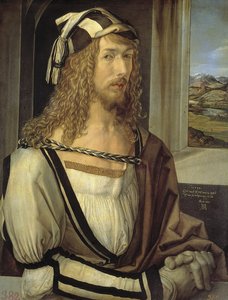
알브레히트 뒤러
1471 - 1528 , 이탈리아
작가 정보 요약
- 국적: 독일인
- 대표작:
- 묵시록 연쇄
- 멜랑콜리아 I
- 성 예로니모
- 사망일: 1528년 4월 6일
- 출생일: 1471년 5월 21일
- 출생지: 뉘른베르크, 독일
관련 기사
런던 대영박물관의 걸작 25선: 역사와 예술이 만나는 특별한 여정
런던 대영박물관의 숨겨진 이야기 25가지! 로제타석부터 파르테논 신전 조각까지, 역사와 예술이 살아 숨 쉬는 명작들을 만나보세요. 렘브란트, 반 고흐 등 거장들의 작품을 OriginalUniqueArt.com에서 감상하고 특별한 인테리어를 완성하세요.
The Eloquent Line: Exploring the Artistic Significance of Sketches Across Movements and Media
Explore the profound artistic significance of sketches throughout history. From Renaissance masters to modern innovators like Van Gogh & Guston, discover how these foundational works reveal technique, emotion, and vision. Learn more at OriginalUniqueArt.

Albrecht Dürer: A Renaissance Master's Legacy of Innovation and Self-Portraiture
Explore the life & art of Albrecht Dürer, a pivotal German Renaissance master. Discover his groundbreaking printmaking techniques, iconic self-portraits, and lasting influence on Western art history. A deep dive into innovation & symbolism.
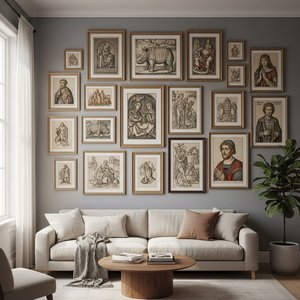
Albrecht Dürer's Masterpieces: 25 Iconic Artworks for Your Home | OriginalUniqueArt
Explore 25 iconic artworks by Albrecht Dürer, a master of the German Renaissance. Discover the stories behind Melencolia I, Knight Death and Devil & more. Find museum-quality art reproductions for your home at OriginalUniqueArt.com.

White on Canvas: 10 Masterpieces & Timeless Elegance for Your Home Decor
Explore 10 iconic white paintings by Monet, Whistler & Rothko! Discover the stories behind these serene masterpieces and their impact on art history. Find museum-quality reproductions for your home decor at .