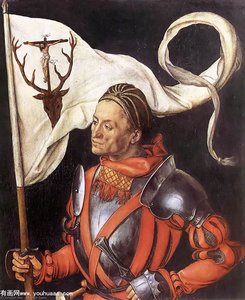
미리보기
미리보기
 공유하기
공유하기 공유하기
공유하기
 상세 정보
상세 정보 Guide
Guide

 다운로드
다운로드
 유사 작품
유사 작품 X-레이
X-레이 슬라이드 쇼
 통계 정보
통계 정보Laughing Peasant Woman
 Ink On Paper
- WallArt
- Renaissance Portraiture
 1505
1505- Renaissance
 390.0 x 270.0 cm
 대영박물관
대영박물관
 더 보기
더 보기
지클레 / 아트 프린트
빠른 제작과 다양한 마감 옵션을 제공하는 박물관 품질의 지클레이 또는 캔버스 프린트. ( 손으로 그린 그림 구매 디지털 이미지로 전환)




P118B $10

P118H $10

P118W $10

P438Z $10

P508JH $12

P508YH $12

P805H $10

P805Z $10

P919BZ $10

P919G $10

P919XJ $10

P959ZH $10

P968JZ $12

W106C $8

W218G $10

W218JH $8

W218Y $10

W307PJ $10

W316G $10

W316PJ $8

W316Y $10

W398PJ $8

W4111J $10

W500HY $15

W500JH $15

W692G $12

W849H $8

W940BG $15

W953PJ $8




작품의 원본 비율을 유지하는 미리 설정된 크기 중에서 선택하세요.

특정 프레임이나 공간에 맞춰 직접 치수를 입력하실 수 있습니다. 선택하신 사이즈가 원본 이미지의 비율과 일치하지 않을 경우, 작품을 크롭(자르기)하거나 이미지를 대칭 또는 단색 채우기로 확장하여 제작합니다. 제작 시작 전, 최종 확인을 위해 디지털 목업이 전송됩니다.
화면상의 미리보기는 실제 크롭이나 확장 상태를 반영하지 않으므로, 최종 구도는 오직 목업을 통해서만 정확하게 확인하실 수 있습니다.
맞춤 사이즈 제작도 가능하지만, 원본 비율을 유지하기 위해서는 사전 정의된 목록에서 치수를 선택하시는 것을 권장합니다.


 유리 옵션은 110cm 미만 크기에서만 선택 가능합니다.

Laughing Peasant Woman
지클레 / 아트 프린트
복제본 크기
-


최종 결제 금액
$ 80
A Moment Frozen in Time: The Radiance of Dürer’s Vision
In the quiet corridors of art history, few images possess the immediate, infectious warmth of Albrecht Dürer’s “Laughing Peasant Woman.” Created in 1505, this masterpiece transcends the formal rigidity often associated with the Northern Renaissance, offering instead a profound glimpse into the raw vitality of the human spirit. While many of his contemporaries sought to immortalize the nobility through stoic and idealized portraits, Dürer turned his gaze toward the common folk, capturing a spontaneous burst of joy that feels as contemporary today as it did five centuries ago. The subject, a woman from the Bavarian region, is not presented as a symbol of status, but as a living, breathing entity whose laughter seems to echo through the very fibers of the paper.
The emotional resonance of this work lies in its uncanny ability to bridge the gap between the viewer and the subject. There is an intimacy in her tilted head and slightly lowered eyes that invites us into her private moment of mirth. For collectors and lovers of fine art, this piece represents more than just a historical relic; it is an exploration of humanism—the Renaissance ideal of valuing individual experience and the natural world. To display a reproduction of this work is to bring a sense of light and unpretentious grace into a space, making it an exquisite choice for those looking to balance sophisticated classical art with a welcoming, soulful atmosphere.
Mastery of Line and the Alchemy of Ink
To look closely at this portrait is to witness the technical genius of Albrecht Dürer at the height of his powers. Executed with pen, brown ink, and a delicate wash, the artwork is a masterclass in the use of hatching and cross-hatching. Dürer does not rely on heavy pigments to create form; instead, he builds volume through an intricate web of fine lines that dance across the surface. This meticulous technique allows for a breathtaking range of textures, from the soft, organic folds of the woman’s headscarf to the subtle, weathered contours of her skin. The interplay of light and shadow is achieved not through broad strokes, but through the density of these rhythmic marks, creating a sense of three-dimensional depth that pulls the viewer into the composition.
The monochromatic palette, dominated by rich sepia tones and deep blacks, lends the piece a timeless, graphic quality. This lack of color focuses the eye entirely on the structure and expression of the subject. For interior designers, this makes the "Laughing Peasant Woman" a versatile cornerstone for various decor styles. Whether set within a minimalist modern gallery setting or paired with the heavy textures of a traditional study, its monochromatic elegance complements both neutral palettes and bold, dramatic color schemes without ever competing for dominance.
Symbolism and the Legacy of the German Renaissance
Beyond the surface level of a joyful expression, Dürer’s work is layered with the subtle symbolism characteristic of his era. The headscarf, while serving a practical purpose in depicting a peasant woman, carries connotations of modesty and piety, grounding the subject within the spiritual landscape of 16th-century Europe. Yet, it is the laughter itself that serves as the most potent symbol. In an age often defined by religious gravity, Dürer’s decision to celebrate such a visceral, earthly emotion was a revolutionary act of observation. He captures the essence of life—the fleeting, beautiful, and unscripted moments that define our existence.
Owning a high-quality reproduction of this work allows one to curate a collection that celebrates the intersection of technical perfection and emotional truth. It serves as a reminder that true greatness in art is found not just in the grandiosity of subject matter, but in the ability to find the extraordinary within the ordinary. As a piece of decor, it offers an enduring sense of optimism, making it a perfect acquisition for those who wish to surround themselves with art that inspires, comforts, and moves the soul.
작가 약력
뉘른베르크에서 피어난 천재: 알브레히트 뒤러의 삶과 예술
알브레히트 뒤러는 15세기 독일 르네상스를 대표하는 거장으로, 그의 이름은 오늘날까지도 뛰어난 예술적 재능과 혁신적인 정신을 상징합니다. 1471년 독일 뉘른베르크에서 금세공인 아버지와 어머니 사이에서 태어난 뒤러는 어린 시절부터 그림에 천부적인 재능을 보였습니다. 그의 아버지는 처음에는 뒤러가 가업을 이어갈 것이라고 생각했지만, 곧 아들의 예술적 열정을 인정하고 그를 뉘른베르크의 대표적인 화가였던 미하엘 볼게무트에게 보내기로 결정합니다. 볼게무트의 작업실에서 뒤러는 목판화 제작 기술과 디자인 원리를 익히며, 그의 예술적 기반을 다졌습니다. 특히 볼게무트는 *뉘른베르크 만년기* 삽화를 제작하는 데 참여하며, 방대한 양의 작품을 통해 뒤러는 구성력과 표현력을 키웠습니다. 1484년에 그린 은봉 점묘 자화상은 그의 어린 시절 재능을 보여주는 놀라운 증거이며, 예술가로서의 정체성이 이미 형성되고 있음을 암시합니다.이탈리아 여행과 예술적 성숙
뒤러는 자신의 예술적 지평을 넓히고 회화 기법을 연마하기 위해 1494년 이탈리아로 첫 번째 여정을 떠납니다. 이는 단순한 관광 여행이 아닌, 르네상스 심장부로 향하는 예술적 순례였습니다. 라파엘로, 조반니 벨리니, 레오나르도 다 빈치와 같은 거장들의 작품을 직접 접하며 뒤러는 고전적인 모티프, 조화로운 구도, 그리고 인간 표현의 새로운 가능성을 탐구했습니다. 이탈리아 경험은 그의 예술에 깊은 영향을 미쳤습니다. 그는 이탈리아 화가들이 보여준 균형미와 이상화를 받아들였지만, 동시에 북유럽 미술 특유의 섬세한 묘사와 상징적인 깊이를 잃지 않았습니다. 1505년부터 1507년까지 이탈리아에서 보낸 두 번째 여정은 고대 로마 유적을 탐구하고 인체 해부학에 대한 이해를 심화시키는 계기가 되었습니다. 이러한 경험들은 뒤러의 독특한 예술 스타일을 완성하는 데 결정적인 역할을 했습니다.다재다능함: 회화, 판화, 목판화
뒤러는 회화뿐만 아니라 판화, 목판화 등 다양한 매체를 능숙하게 다루며 예술적 역량을 발휘했습니다. 그의 유화 작품들은 기름 물감의 섬세한 표현과 인물에 대한 깊이 있는 통찰력을 보여줍니다. 특히 베네치아 화풍의 영향을 받은 *장미 축제 연회*는 생동감 넘치는 색채와 풍부한 디테일로 르네상스 시대 회화의 정수를 보여줍니다. 그러나 뒤러를 진정으로 특별하게 만드는 것은 판화, 특히 동판화와 목판화에 대한 그의 탁월한 능력이었습니다. 그는 판화를 단순한 복제 기술이 아닌 독립적인 예술 형태로 끌어올렸으며, 복잡한 이야기와 깊은 감정을 전달하는 데 활용했습니다. *요한계시록* 연작(1498)은 목판화의 한계를 극복하고 웅장한 비전을 표현해낸 걸작입니다. 1514년에 제작된 *메랑콜리아 I*과 *성 제롬의 연구실*은 그의 동판화 기술을 극한으로 끌어올린 작품으로, 상징적인 의미와 숨 막힐 듯한 정밀함이 어우러져 있습니다.이론가이자 혁신가: 알브레히트 뒤러의 유산
뒤러는 예술가로서의 재능뿐만 아니라 학자, 이론가, 그리고 혁신가로서도 두각을 나타냈습니다. 그는 예술 창작의 근본 원리를 이해하고자 노력하며, 수학적 원리에 기반한 예술 접근 방식을 추구했습니다. *인간 비례에 관한 네 권의 책* (1528)과 같은 저술은 인체 해부학, 기하학, 그리고 군사 공학 분야에 대한 그의 깊이 있는 지식을 보여줍니다. 이러한 저술들은 예술가들을 단순한 장인이 아닌 지적 실천자로 격상시키는 데 기여했습니다. 뒤러의 유산은 시대를 초월하여 수많은 예술가와 학자들에게 영감을 주고 있습니다. 그는 북유럽 미술 전통과 이탈리아 르네상스 이상을 융합하며, 새로운 예술적 가능성을 열었습니다. 그의 기술적인 숙달, 혁신적인 정신, 그리고 깊이 있는 비전은 오늘날까지도 서양 미술사의 중요한 부분을 차지하고 있습니다. 그의 작품은 관찰력, 지식 추구, 그리고 아름다움과 의미를 창조하려는 인간의 끊임없는 열망을 증명하는 증거입니다.영향과 지속적인 영향
- 미하엘 볼게무트: 뒤러에게 기본적인 그림 및 목판화 기술을 가르쳐준 스승.
- 레오나르도 다 빈치: 해부학, 원근법, 그리고 스푸마토 기법에 대한 탐구를 자극했습니다.
- 라파엘로: 조화로운 구도와 이상적인 형태에 영향을 미쳤습니다.
- 조반니 벨리니: 색채와 베네치아 회화 전통에 대한 이해를 높였습니다.
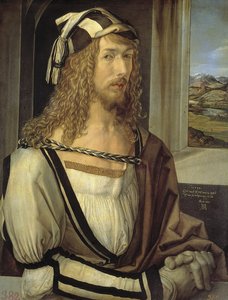
알브레히트 뒤러
1471 - 1528 , 이탈리아
주요 정보
- 국적: 독일인
- 대표작:
- 묵시록 연쇄
- 멜랑콜리아 I
- 성 예로니모
- 사망일: 1528년 4월 6일
- 출생일: 1471년 5월 21일
- 출생지: 뉘른베르크, 독일
관련 기사 더 보기
Ephemeral Lines: Exploring Emotional Resonance in Ink Sketching Traditions
Explore the profound art of ink sketching! Discover techniques to express emotion, master line work, and cultivate artistic sensitivity. Learn from historical masters & unlock your creative potential.

Ephemeral Expressions: Exploring the Nuances of Ink on Paper Through History & Contemporary Art
Explore the captivating world of ink wash painting – from its ancient origins to contemporary masters. Discover techniques, symbolism & conservation insights with OriginalUniqueArt.com.
The Alchemy of Ink: Mastering the Timeless Beauty and Art History of Paper and Brush
Embark on a sophisticated exploration of ink wash painting and Sumi-e. Uncover the profound historical lineages, Zen philosophies, and technical mastery behind this timeless medium in our authoritative guide for fine art enthusiasts.
Top 10 Artworks That Radiate Joy: Masterpieces for a Happier Home | OriginalUniqueArt
Find joy & inspiration! Explore 10 iconic artworks – Van Gogh, Monet, Renoir & more – that radiate happiness. Discover the stories behind these masterpieces and bring uplifting art into your home with museum-quality reproductions from OriginalUniqueArt.com.

Mastering Ink on Paper: The Timeless Art of Precision, Flow, and Calligraphic Heritage
Explore the profound mastery of ink on paper. From Japanese haiku traditions to Ming Dynasty calligraphy, discover the delicate balance of precision and flow that defines this timeless art form through an expert historical lens.