 프린트 판매로 전환
 상세 보기
상세 보기







































 가로 또는 세로 중 어느 한 면이라도 105cm(약 41인치)를 초과하는 작품이나 복제화의 경우, 프레임은 분해된 키트 형태로 배송됩니다. 이는 안전한 배송을 보장하고 운송 중 발생할 수 있는 손상을 방지하기 위함입니다.


A Window into the Soul of the Northern Renaissance
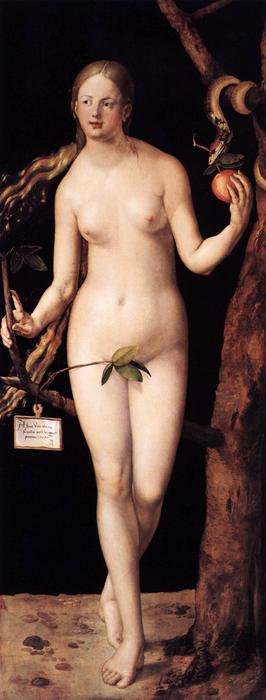
Albrecht Dürer’s “Eve,” completed in 1507, stands as a monumental achievement within the artistic landscape of the German Renaissance. Currently residing at the Museo del Prado in Madrid, Spain—a pilgrimage for any serious devotee of European art history—this oil on panel painting transcends mere visual representation; it embodies profound theological contemplation and masterful technical execution.
More than just a depiction of biblical narrative, “Eve” is an exploration of human vulnerability and the seductive allure of temptation. Dürer meticulously captures the figure of Adam’s wife—a nude woman positioned before a stylized tree bearing fruit—reflecting the pivotal moment recounted in Genesis where Eve succumbed to Satan's deceit.
Technical Brilliance: Oil Paint and Anatomical Precision
Dürer’s technique is characterized by an unwavering commitment to realism, achieved through the skillful application of oil paint on panel. This medium allowed him to achieve unparalleled luminosity and depth of color—a significant departure from tempera painting prevalent at the time—capturing subtle nuances in skin tone and drapery folds with astonishing accuracy. The artist’s anatomical studies informed his portrayal of Eve's body, demonstrating a deep understanding of human musculature and skeletal structure.
Symbolism Rooted in Faith
The tree bearing fruit serves as a potent symbol—representing the Tree of Knowledge of Good and Evil—and embodies the theological core of the biblical story. The fruit itself is depicted with meticulous detail, mirroring Dürer’s fascination with botanical observation. Beyond its religious significance, “Eve” speaks to broader themes of innocence lost and the consequences of disobedience, prompting viewers to consider questions of morality and spiritual struggle.
A Legacy Enduring Through Reproduction
The Museo del Prado houses a remarkable collection of European art spanning centuries—a testament to Spain’s rich cultural heritage. To experience the grandeur and artistry of “Eve” firsthand is an unforgettable journey into the heart of Renaissance thought. Fortunately, OriginalUniqueArt.com offers exceptional reproductions crafted by skilled artisans, allowing you to bring this iconic masterpiece into your home or workspace.
Connections Beyond Dürer
Dürer’s artistic vision resonated with contemporaries like Leonardo da Vinci and Michelangelo—artists who similarly wrestled with the complexities of human form and spiritual aspiration. Exploring these kindred spirits offers invaluable insight into the intellectual currents shaping European art during this transformative period.
Further Exploration: Similar Paintings & Artists
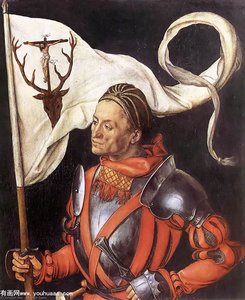
For those seeking inspiration from comparable artistic endeavors, consider examining the works of Girolamo Muziano—a Florentine painter celebrated for monumental figures and Michelangelo-inspired compositions. Similarly, Theodore de Bry’s engravings documented the exploration of America with remarkable detail—reflecting a shared fascination with observation and representation.
Finally, immerse yourself in the artistic traditions of Japan through Murai Sadakatsu's paintings—capturing scenes from the Sengoku period with vivid color and expressive brushstrokes. These artists exemplify the spirit of innovation and artistic excellence that characterized their respective eras.
질의응답
알브레히트 뒤러의 "Eve"의 프린트를 어디에서 구매할 수 있나요?
알브레히트 뒤러의 "Eve"의 프린트는 해당 파인 아트 프린트 페이지에서 바로 주문하실 수 있습니다: 코튼 캔버스 또는 아카이브용 캔버스지에 인쇄된 파인 아트 프린트
"Eve"의 작가와 제작 연도는 무엇인가요?
"Eve"은(는) 1507년에 알브레히트 뒤러에 의해 제작되었습니다.
알브레히트 뒤러의 "Eve" 작품은 어떤 공간에 추천하시나요?
알브레히트 뒤러의 "Eve" 작품에 추천하는 공간은 Hallway입니다. 물론 이 제안은 고객님의 인테리어에 맞춰 자유롭게 조정하실 수 있습니다.
More about this painting
 실제 크기로 보기
 보내기
보내기 공유하기
공유하기
 상세 보기
상세 보기 가이드 보기

 이미지 다운로드
 유사 작품 더 보기
 X-레이
X-레이 슬라이드 쇼 보기
 Q&A
Q&A 통계 정보
통계 정보