
 미리보기
미리보기
 프린트 구매
 공유하기
공유하기 공유하기
공유하기
 상세 정보
상세 정보

 다운로드
다운로드
 유사 작품
유사 작품 X-레이
X-레이 슬라이드 쇼
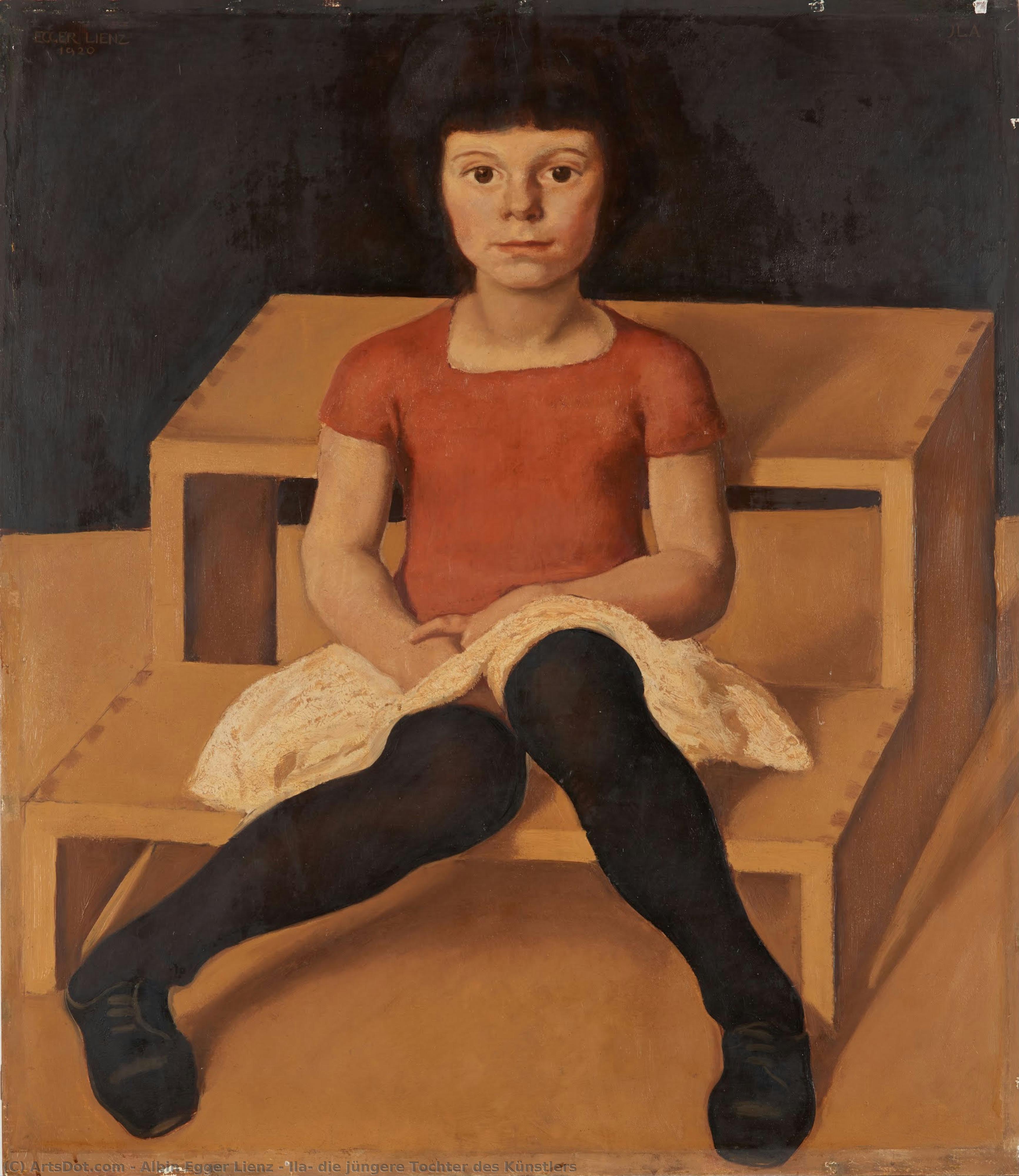
Ila, die jüngere Tochter des Künstlers
 Acrylic On Canvas
- WallArt
- Expressionist realism
 1920
1920- 19th Century
 82.0 x 72.0 cm
 Lentos Kunstmuseum Linz
 더 보기
더 보기




P118B $10

P118H $10

P118W $10

P438Z $10

P508JH $12

P508YH $12

P805H $10

P805Z $10

P919BZ $10

P919G $10

P919XJ $10

P959ZH $10

P968JZ $12

W106C $8

W218G $10

W218JH $8

W218Y $10

W307PJ $10

W316G $10

W316PJ $8

W316Y $10

W398PJ $8

W4111J $10

W500HY $15

W500JH $15

W692G $12

W849H $8

W940BG $15

W953PJ $8




작품의 원본 비율을 유지하는 미리 설정된 크기 중에서 선택하세요.

특정 프레임이나 공간에 맞도록 직접 크기를 입력할 수 있습니다. 선택하신 크기가 원본 이미지의 비율과 일치하지 않는 경우, 작품을 자르거나 추가적인 손으로 그린 요소를 사용하여 그림을 확장합니다. 제작 시작 전 승인을 위해 디지털 목업을 보내드립니다.
화면 미리 보기는 실제 자르기 또는 확장을 반영하지 않습니다. 최종 구성은 목업을 통해서만 정확하게 확인하실 수 있습니다.
맞춤 크기 제작도 가능하지만, 원본 비율을 유지하기 위해 사전 정의된 목록에서 크기를 선택하시는 것을 권장합니다.
주문 후 OriginalUniqueArt.com 팀에서 상세 안내를 위해 고객님께 이메일을 보내드리며, 미리보기 시안을 제공해 드립니다.


 유리 옵션은 110cm 미만 크기에서만 선택 가능합니다.

Ila, die jüngere Tochter des Künstlers
재현 기법
복제본 크기
-


최종 결제 금액
$ 300
작품 상세 설명
Albin Egger-Lienz's *Ila, die jüngere Tochter des Künstlers* – A Portrait of Tyrolean Innocence
This arresting painting, titled *Ila, die jüngere Tochter des Künstlers* (Ila, the Younger Daughter of the Artist), offers a poignant glimpse into the life and artistic sensibilities of Albin Egger-Lienz, a pivotal figure in early 20th-century Austrian art. Executed in 1920, this intimate portrait captures a young girl – Ila – seated with an almost unsettling stillness on a simple wooden chair. The scene, rendered in muted earth tones and punctuated by the vibrant red of her shirt, immediately draws the viewer into a world both familiar and subtly unnerving.
- Subject Matter: The painting’s subject is deceptively straightforward – a young girl. However, Egger-Lienz elevates this commonplace scene through his deliberate composition and expressive handling of form.
- Style & Technique: Egger-Lienz's style evolved significantly throughout his career, influenced by movements like the Vienna Secession. In *Ila*, we see a transitional phase, retaining elements of realism while foreshadowing the monumental expressiveness championed by Ferdinand Hodler, who profoundly impacted his approach to depicting figures within dramatic, stage-like settings. The brushwork is loose and textured, contributing to a sense of immediacy and emotional depth.
The Artist's Roots: Tyrolean Identity and Early Influences
Born in 1868 in Dölsach-Stribach near Lienz, Tyrol, Albin Egger-Lienz’s artistic journey was inextricably linked to his regional identity. His father, a church painter, provided the initial training that shaped his early work, which predominantly focused on scenes of peasant life and historical events – notably, the Tyrolean Rebellion of 1809. This engagement with local history and folklore is evident in the painting’s quiet dignity and the girl's direct gaze. The influence of Franz Defregger and Jean-François Millet, masters of depicting rural life with a humanist perspective, can also be discerned in Egger-Lienz’s early oeuvre.
Symbolism and Emotional Resonance
*Ila* transcends a simple portrait; it embodies a complex interplay of symbolism. The girl's posture – seated with crossed legs – suggests both vulnerability and quiet strength. Her gaze, direct and unwavering, invites the viewer into her world, prompting questions about innocence, memory, and perhaps even a subtle sense of foreboding. The presence of the other chairs in the background creates a spatial ambiguity, adding to the painting’s unsettling atmosphere. The muted color palette reinforces this feeling, evoking a timeless quality that resonates with viewers across generations.
Historical Context & Legacy
Painted in 1920, *Ila* reflects a period of significant artistic and social change in Austria. Egger-Lienz’s membership in the Vienna Secession signaled his embrace of modernism and his willingness to challenge traditional artistic conventions. His work, often characterized by its raw emotional intensity and unflinching portrayal of human experience, cemented his place as one of the most important artists of the early 20th century. This reproduction offers a unique opportunity to own a piece of art history, capturing the essence of Egger-Lienz’s vision and the enduring power of his artistic legacy.
작가 약력
알빈 에거-린츠: 삶과 유산
초기 생애와 예술적 훈련
- 출생: 1868년 1월 29일, 오스트리아 티롤주 린츠 인근의 되르스하흐-스트리바흐에서 태어났습니다.
- 가족 배경: 그는 농가 소녀 마리아 트로예르와 교회 화가였던 게오르크 에거 사이에서 태어난 아들이었습니다. 이후 그는 자신의 성에 출생지를 결합하여 현재의 이름을 사용하게 되었습니다.
- 그의 예술적 여정은 아버지로부터 시작된 초기 교육을 통해 그 기틀을 마련할 수 있었습니다.
- 이후 뮌헨 아카데미에서 학업을 이어가며 프란츠 데프레거와 장 프랑수아 밀레 같은 거장들로부터 깊은 예술적 영감을 받았습니다.
예술적 발전과 영향
- 에거-린츠의 초기 작품들은 농민들의 삶과 역사적 사건, 특히 1809년 티롤 반란의 장면들에 초점을 맞추었습니다.
- 주요 영향: 예술가 페르디난트 호들러는 에거-린츠의 화풍에 중대한 영향을 미쳤으며, 이는 마치 무대와 같은 공간 속에 영웅적인 인물들을 배치하여 기념비적인 표현력을 구현하는 결과로 이어졌습니다.
- 1909년에는 빈 분리파에 가입하며 오스트리아 미술계에서의 입지를 더욱 공고히 다졌습니다.
- 그의 예술적 언어는 점차 강렬한 윤곽과 거대한 형태를 지향하게 되었으며, 대지의 색조를 담은 거의 단색에 가까운 팔레트를 통해 완성되었습니다.
주요 작품과 업적
- 대표작: 그의 가장 유명한 작품으로는 “9년 전의 죽음의 무도(Der Totentanz von anno neun)” (1906-19동), “외츠탈의 알름 풍경(Almlandschaft im Ötztal)” (1911), 그리고 “이름 없는 자(Den Namenlosen)” (1916) 등이 있습니다.
- 1900년 파리 만국박람회에 참가하여 작품 "들판의 축복(Feldsegen)"으로 청동 메달을 수상하는 영예를 안았습니다.
- 제1차 세계대전 당시에는 오스트리아 남부 전선에서 종군 화가로 활동하기도 했습니다.
- 말년의 작품들은 “그리스도의 부활”과 같이 농민의 삶과 종교적 주제를 결합하여 깊이 있게 다루었습니다.
역사적 의의와 유산
- 독창적인 화풍: 에거-린츠는 표현주의적 요소와 전통적인 오스트리아 미술을 조화시켜, 동시대 작가들과 차별화되는 독특한 스타일을 창조해냈습니다.
- 그의 작품은 영웅주의, 희생, 그리고 인간과 자연 사이의 유기적인 연결이라는 주제를 끊임없이 탐구했습니다.
- 그는 예술적 독립성을 지키기 위해 권위 있는 아카데미의 여러 교수직 제안을 거절하기도 했습니다.
- 지속적인 영향: 그의 회화는 특유의 정서적 힘과 기념비적인 규모로 오늘날까지 찬사를 받고 있으며, 오스트리아 미술사에 중대한 기여를 한 것으로 평가받습니다.
말년과 서거
- 에거-린츠는 생애 마지막 시기를 린츠에 있는 전몰장병 기념 예배당의 프레스코화를 작업하며 보냈습니다.
- 서거: 그는 1926년 11월 4일, 이탈리아 남티롤 볼차노의 산 유스티나-렌트슈에서 세상을 떠났으며, 풍요롭고 깊이 있는 예술적 유산을 세상에 남겼습니다.

알빈 에거 린츠
1868 - 1926 , 오스트리아
주요 정보
- Birth Date: 1868년 1월 29일
- Birth Place: 오스트리아, 델사흐
- Death Date: 1926년 11월 4일
- Influenced By: 페르디난트 호들러, 프란츠 데프레거, 장 프랑수아 밀레
- Movement: 표현주의
- Name: 알빈 에거-린츠
- Nationality: 오스트리아인
- Notable Works:
- Der Totentanz von anno neun
- Almlandschaft im Ötztal
- Den Namenlosen
관련 기사 더 보기
Giclée Prints: Archival Quality & Aesthetic Nuances for the Discerning Collector
Explore the world of giclée prints with OriginalUniqueArt. Learn about archival quality, aesthetic nuances & investment potential. Expert guidance for discerning art collectors seeking museum-quality reproductions and lasting value.

The Enduring Legacy of Fine Art Prints: Technique, History & Aesthetic Impact
Explore the rich history & techniques of fine art prints. Discover investment potential, assess authenticity, and learn how to preserve your collection with expert guidance. Trusted insights for discerning collectors.

Crimson Threads of Narrative: Exploring Symbolism & Representation in Artworks Featuring the Red Dress
Explore the rich symbolism of the red dress in art history! From ancient power displays to iconic portraits like Cézanne’s 'Madame Cezanne', discover the cultural and artistic significance behind this captivating color. Expert analysis & insights.

Echoes of Time: Exploring the Enduring Appeal & Historical Context of Vintage Art Prints
Explore the captivating world of vintage art prints! Discover their history, collecting tips & enduring appeal. Expert insights on chromolithography and building a legacy collection with OriginalUniqueArt.

The Vienna Secession: A Rebellion of Form & Spirit in Fin-de-Siècle Art
Discover the revolutionary Vienna Secession art movement! Explore Klimt, Olbrich & more. Learn about its history, characteristics & lasting influence on modern art. High-quality reproductions available.

