

 보내기
보내기 공유하기
공유하기
 상세 보기
상세 보기 가이드 보기

 이미지 다운로드
 유사 작품 더 보기
 슬라이드 쇼 보기
 통계 정보
통계 정보Nose


 상세 보기
상세 보기
지클레 / 아트 프린트
빠른 제작과 다양한 마감 옵션을 선택할 수 있는 박물관 수준의 지클레이 및 캔버스 프린트. ( 수작업 채색 복제본 주문하기 디지털 이미지 판매 채널로 전환)




































작품의 원본 비율을 그대로 유지하는 프리셋 사이즈 중에서 선택해 보세요.

특정 프레임이나 공간에 맞춰 직접 치수를 입력하실 수 있습니다. 선택하신 사이즈가 원본 이미지의 비율과 일치하지 않을 경우, 작품을 크롭(자르기)하거나 이미지를 대칭 또는 단색 채우기로 확장하여 제작합니다. 제작 시작 전, 최종 확인을 위해 디지털 목업이 전송됩니다.
화면상의 미리보기는 실제 크롭이나 확장 상태를 반영하지 않으므로, 최종 구도는 오직 목업을 통해서만 정확하게 확인하실 수 있습니다.
맞춤 사이즈 제작도 가능하지만, 원본 비율을 유지하기 위해서는 사전 정의된 목록에서 치수를 선택하시는 것을 권장합니다.


 유리 옵션은 110cm 미만 크기에서만 선택 가능합니다.

Nose
지클레 / 아트 프린트
복제본 규격
-


총 결제 금액
$ 80
Alberto Giacometti’s “Nose”: A Sculptural Meditation on Isolation
Alberto Giacometti’s “Nose,” created in 1964, stands as an arresting testament to the artist's profound engagement with existential themes and his masterful manipulation of form and space. More than just a depiction of a human head encased within a simple metal frame—though that visual element is undeniably striking—the sculpture embodies a deeper exploration of solitude, vulnerability, and the elusive nature of identity.
- Style: Surrealism – Giacometti’s work transcends conventional artistic boundaries, drawing inspiration from both Cubist fragmentation and the dreamlike logic characteristic of Surrealism. This stylistic fusion reflects his preoccupation with confronting psychological anxieties and questioning accepted notions of reality.
- Technique: Sculpting—Primarily executed in bronze, “Nose” exemplifies Giacometti’s meticulous approach to material transformation. He employed the lost wax method, a technique demanding painstaking precision and patience, resulting in a remarkably smooth surface that contrasts sharply with the sculpture's internal hollows.
- Historical Context: The sculpture emerged during the Cold War era, mirroring anxieties about nuclear annihilation and the pervasive sense of unease prevalent in Western culture. Giacometti’s artistic vision responded to these societal concerns by distilling human experience into its most elemental form—a single head stripped bare of recognizable features.
- Symbolism: The elongated head represents a deliberate distortion of the human figure, symbolizing not merely physical appearance but also psychological state. Its placement within the cage signifies confinement and introspection, mirroring Giacometti’s own artistic process – an obsessive pursuit of capturing inner truth through external representation.
The sculpture's impact transcends mere visual aesthetics; it compels viewers to contemplate questions about human existence and the difficulty of articulating profound emotions. Giacometti’s deliberate reduction of form—the absence of eyes, mouth, and ears—forces us to confront our own perceptions and consider what is essential to defining ourselves as individuals. “Nose” isn't simply an object; it’s a conduit for confronting existential dilemmas.
Its minimalist composition – the dark metal frame juxtaposed against the pale head – amplifies the sculpture’s emotional resonance, conveying a palpable sense of vulnerability and isolation. Giacometti’s masterful use of negative space contributes to this effect, emphasizing the profound silence inherent in the artwork and inviting contemplation on themes of introspection and detachment.
Ultimately, “Nose” remains an enduring symbol of Giacometti's artistic legacy—a poignant reminder that art can illuminate the complexities of human experience and provoke a deeper understanding of our place within the universe. It’s a sculpture that lingers in the mind long after viewing, prompting reflection on fundamental questions about identity and consciousness.
작가 소개
실존의 메아리로 조각된 삶
20세기 조각의 정체성을 규정하는, 잊히지 않을 만큼 길게 늘어진 형상들과 동의어로 통하는 이름, 알베르토 자코메티는 1901년 스위스 보르고노보의 숨 막히게 아름다운 풍경 속에서 태어났습니다. 이탈리아 국경 근처에 자리 잡은 이 알프스의 환경은 그에게 형태와 공간에 대한 초기적 미감을 심어주었으며, 이는 훗날 그의 예술적 비전을 형성하는 결정적인 요소가 되었습니다. 그는 단순히 예술의 세계로 들어선 것이 아니라, 예술 속에 *태어난* 존재였습니다. 그의 아버지 조반니 자코메티는 존경받는 후기 인상주의 화가였으며, 이러한 가족적 몰입은 어린 알베르토가 성장할 수 있는 격려와 토대가 되었습니다. 또한 그의 혈통에는 종교 개혁의 메아리도 흐르고 있었습니다. 박해를 피해 안식처를 찾아 떠나온 개신교 난민의 후손이라는 배경은, 아마도 평생에 걸친 고립과 인간 조건에 대한 탐구에 일조했을 것입니다. 조각가였던 형 디에고와 건축가인 형 브루노 역시 예술이 그들의 삶에서 중심적인 역할을 하도록 공고히 하며, 실험 정신과 상호 영향력이 넘쳐나는 역동적인 창의적 분위기를 조성했습니다.입체주의에서 허무로: 변화하는 예술적 지형
자코메티의 본격적인 예술 여정은 제네바 미술학교에서 시작되었으나, 그의 창조적 불꽃을 진정으로 점화시킨 것은 1922년 파리로의 이주였습니다. 그는 로댕의 옛 동료였던 앙투안 부르델의 작업실에 들어가 고전적 기법을 흡수하는 동시에, 당시 도시를 휘감고 있던 아방가르드의 흐름에 몸을 맡겼습니다. 초기 시절은 입체주의를 탐구하며 당대의 지적 격변을 반영하듯 형태를 해체하고 재구성하는 시기로 채워졌습니다. 그러나 자코메티는 단순히 모방하는 것에 만족하지 않았습니다. 그는 자신만의 목소리를 찾고자 했고, 인간 형상에 온전히 집중하는 더욱 개인적인 스타일로 나아갔습니다. 이 시기에 그는 초현실주의에 매료되어 미로, 에른스트, 피카소와 같은 거장들과 교류하며 꿈같은 이미지와 심리적 깊이가 담긴 작품들을 만들어냈습니다. 하지만 자코메티는 이 운동 안에서도 제약을 느꼈습니다. 결국 그는 순수하게 무의식적인 접근 방인 초현실주의를 거부하고, 형태를 통해 존재의 본질을 이해하려는 갈망, 즉 구상적 구성에 대한 더욱 엄격한 분석을 추구했습니다. 1930년대 후반에는 규모의 극적인 변화가 나타났는데, 그는 종종 높이가 7센티미터도 되지 않는 믿기 힘들 정도로 작은 조각들을 만들기 시작했습니다. 이 왜소한 형상들은 단순한 미니어처가 아니라, 그의 세계관을 관통하던 단절감과 상실감을 반영하며 물리적, 정서적 거리감을 표현하는 매개체였습니다.전후의 실루엣: 취약성과 인간 조건
제2차 세계 대전의 참상은 자코메티의 작업에 깊은 영향을 미쳤습니다. 전쟁 중 스위스로 피신한 그는 조각 작업을 계속했으나, 오늘날 그를 상징하는 가장 아이코닉한 스타일, 즉 높고 가늘게 늘어진 형상은 전쟁이 끝난 후에야 완성되었습니다. 이것들은 전통적인 의미의 초상화가 아니었습니다. 그것은 인간 존재의 정수를 추출하여 본질적인 형태로 깎아낸 결과물이었습니다. 거친 표면과 길게 늘어진 사지는 전후 시대의 실존적 불안을 투영하며 깊은 취약성과 고립감을 전달했습니다. 이 형상들은 마치 영원히 무(無)로 사라지기 직전의 상태에 있는 듯하며, 존재의 위태로움을 구현합니다. 이 조각들은 단순히 사람을 묘사한 것이 아니라, 트라우마와 불확실성으로 뒤엉킨 세상 속에서 인간으로 *존재한다는 것*이 무엇인지를 탐구하는 과정이었습니다. 이 형상들을 둘러싼 공간은 형태 그 자체만큼이나 중요합니다. 그것은 우리의 소외감과 갈망을 이야기하는, 상상적이지만 동시에 실재하는 영역입니다. 동시에 자코메티의 회화 또한 두각을 나타냈는데, 인간 형상을 거의 단색조로 묘사함으로써 그의 조각에서 발견되는 고립과 수축이라는 주제를 거울처럼 반영했습니다.선구자의 유산
자코메티의 예술적 공헌은 경력을 통해 점점 더 큰 찬사를 받았으며, 1962년 베네치아 비엔날레 조각 부문 대상을 받으며 정점에 달했습니다. 그러나 이러한 성공에도 불구하고 그는 끊임없이 자기비판적이었으며, 자신의 엄격한 기준을 충족하지 못한 작품들을 계속해서 재작업하거나 때로는 파괴하기까지 했습니다. 뉴욕 체이스 맨해튼 은행 빌딩을 위해 의뢰받았으나 미완성으로 남은
알베르토 자코메티
1901 - 1966
작가 정보 요약
- Artistic Movement Or Style: 초현실주의, 실존주의
- Artists Who Influenced This Artist:
- 앙투안 부르델
- 로댕
- 미로
- 막스 에른스트
- 피카소
- Date Of Birth: 1901년
- Date Of Death: 1966년
- Full Name: 알베르토 자코메티
- Nationality: 스위스
- Notable Artworks:
- 도시 광장
- 꿈꾸는 누워 있는 여인
- 초현실주의 테이블
- Place Of Birth: 스위스 보르고노보
관련 기사

Bronze Sculptures That Defined Art History | OriginalUniqueArt
Journey through art history with our Top 10 bronze sculptures! Explore masterpieces by Rodin, Michelangelo & more. Discover stories behind iconic statues and find museum-quality reproductions for your home decor at OriginalUniqueArt.com.

Metal Art for Commercial Spaces: A Procurement Guide to Durable & Modern Large-Scale Decor Solutions
Expert procurement guide for hotel designers and managers. Discover durable, large-scale metal art solutions for commercial spaces. Learn about material selection, maintenance, and efficient bulk ordering for high-traffic hospitality and corporate interiors.

The Enduring Form: Exploring Themes & Techniques in Sculpture Across Historical Periods
Explore the rich history of sculpture from ancient masterpieces to contemporary innovations. Discover key techniques, influential artists & investment potential for discerning art collectors.

Bronze Age to Modern Masters: 10 Sculptures That Redefined Art | OriginalUniqueArt
Journey through art history with 10 legendary bronze sculptures – from Michelangelo's David to Rodin’s Thinker. Explore the stories, techniques & timeless beauty of these masterpieces. Find museum-quality reproductions & elevate your home decor on OriginalUniqueArt.com.
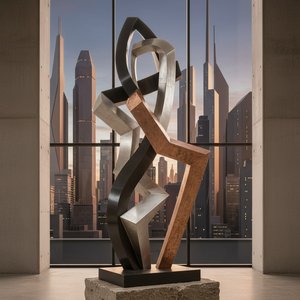
Forged in Fire: The Timeless Strength and Ethereal Beauty of Metal Art
Discover the enduring allure of metal art. Explore how masterfully forged sculptures blend industrial strength with organic elegance to create timeless investment pieces for sophisticated collectors and luxury interiors.