

 미리보기
미리보기
 공유하기
공유하기 공유하기
공유하기
 상세 정보
상세 정보

 다운로드
다운로드
 유사 작품
유사 작품 X-레이
X-레이 슬라이드 쇼
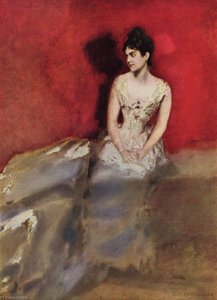
A Lady
 더 보기
더 보기
온라인 미리보기보다 훨씬 뛰어난 품질의 고해상도 디지털 이미지를 구매해 보세요.
각 파일은 사내 전문가가 고급 도구와 숙련된 수동 리터칭 기술을 사용하여 세심하게 준비합니다. 우리는 모든 이미지가 탁월한 선명도, 정확한 색상 재현력, 그리고 미세한 디테일까지 완벽하게 갖추도록 보장합니다.
최종 파일은 전문적인 편집 및 인쇄 환경에서 즉시 사용할 수 있도록 최적화되어 72시간 이내에 이메일로 발송됩니다. 이는 세계적인 디자인 스튜디오, 출판사 및 갤러리가 신뢰하는 것과 동일한 품질입니다.
디지털 이미지
개인 소장 및 전시, 인쇄, 창작 프로젝트를 위한 고해상도 파일을 다운로드하세요. ( 프린트 구매 손으로 그린 그림 구매)
모든 디지털 이미지 주문에 포함된 혜택
전문적인 디지털 이미지 전송 보장
OriginalUniqueArt.com를 선택하시면 단순히 이미지를 받는 것을 넘어, 정밀한 보정 과정을 거친 전문적인 디지털 예술 작품을 만나보실 수 있습니다. 모든 작품에는 만족 보장 서비스가 함께 제공되며, 주문 시 다음과 같은 사항들이 자동으로 포함됩니다:

빠른 이메일 전송
주문 후 72시간 이내에 고해상도 디지털 이미지 파일이 이메일로 발송되며, 즉시 사용하실 수 있습니다.

AI 기술로 향상된 디지털 파일
귀하의 작품은 고급 AI 도구와 수동 편집 과정을 거쳐 전문적으로 최적화되며, 이를 통해 디테일과 선명도, 색상의 정확도를 극대화합니다.

평생 무료 재전송 서비스
파일을 실수로 삭제하거나 분실하셨나요? 걱정 마세요. 언제든 무료로 다시 보내드립니다.

추가 수입 비용 없음 - 언제나
관세나 부가세, 배송비 부담 없이 작품을 즉시 감상하세요 - 디지털 다운로드는 언제나 면세 혜택이 적용됩니다.

정확한 색상 보장
전문적인 도구와 색상 관리 시스템을 통해 디지털 이미지가 원본의 색상을 최대한 정확하게 구현하도록 보장합니다.

60일 만족 보장제
구매하신 디지털 이미지에 만족하지 못하실 경우, 60일 이내에 수정 또는 100% 환불을 진행해 드립니다 - 어떠한 문의도 필요 없습니다.

100% 환불 보장
만족하지 못하셨나요? 디지털 파일을 수령하신 후 60일 이내라면 별도의 이유를 밝힐 필요 없이 전액 환불해 드립니다.

대량 주문 할인
이미지 3매 구매 시 10% 할인 - 5매 구매 시 15% 할인 - 10매 이상 구매 시 20% 할인. 크리에이티브 프로젝트, 갤러리, 에이전시에 매우 유용합니다.
작가 소개
The Soul Behind the Canvas: The Life and Legacy of Albert von Keller
Albert von Keller (1844–1920) stands as a singular figure in German art history—a painter who seamlessly blended the rigorous precision of realism with a burgeoning fascination for psychology and symbolism. Born in Gais, Switzerland, into a family steeped in intellectual tradition, Keller’s early life was marked by a disciplined curiosity. While his father, a professor of law, instilled in him a structured intellect, it was the pursuit of visual expression that would ultimately define his destiny. Though he initially moved toward the study of law at the Ludwig-Maximilians-Universität München, the siren call of the arts proved irresistible, leading him to abandon the courtroom for the studio, where he would spend the rest of his life exploring the profound depths of the human condition.
His formal training began at the prestigious Munich Academy under the guidance of Arthur von Ramberg. It was here that Keller developed a mastery of anatomical precision, particularly through controversial nude studies that challenged the social norms of his era. This technical foundation, however, was merely the beginning of his evolution. As he traveled extensively through Italy, France, England, and the Netherlands, Keller absorbed the luminous qualities of Impressionism and the delicate aesthetics of Japonisme. Yet, unlike many of his contemporaries who abandoned structure for pure light, Keller maintained a steadfast connection to the German Romantic tradition, creating a unique stylistic bridge between the observable world and the unseen psyche.
A Master of Psychological Realism
The true brilliance of von Keller lies in his ability to imbue portraiture and genre scenes with an almost haunting emotional resonance. He became a prominent figure in the Munich Secession, a movement that sought to push the boundaries of traditional art. His work often features female figures, rendered with a grace that oscillates between the ethereal and the tangible. Perhaps no subject was more central to his creative spirit than his wife, Irene von Eichthal. Their partnership, which lasted until her death in 1907, served as a profound muse; he would eventually paint over forty portraits of her, capturing not just her physical elegance but the very essence of her character.
In masterpieces such as Deutsch Porträt der Frau des Künstlers, one can witness his technical prowess. He utilized striking juxtapositions—such as the pristine white of a lace gown against a deep, velvety crimson background—to create a sense of theatrical depth. This mastery of light and shadow allowed him to guide the viewer's eye through a silent dialogue of texture and tone. His ability to render the tactile quality of stone or the delicate fold of fabric served a higher purpose: to ground his more symbolic and psychological themes in a reality that felt undeniably present.
The Intersection of Science, Spirit, and Symbolism
As his career progressed, von Keller’s interests drifted toward the enigmatic. In 1886, he became a member of the Munich Psychological Society, a group devoted to the study of the paranormal under Albert von Schrenck-Notzing. This period marked a fascinating shift in his oeuvre, as he began to incorporate parapsychological motifs and themes of hypnosis into his compositions. Works like Hypnosis at Schrenck Notzing's demonstrate this transition, blending the muted tones of realism with the unsettling tension of the unknown. He explored themes of vulnerability, illness, and the subconscious, often connecting these modern psychological inquiries to classical Christian symbolism.
His international breakthrough at the Paris Salon with Roman Bath solidified his reputation as a painter of great atmospheric sensitivity, drawing comparisons to masters like Monet and Renoir. However, it was his ability to navigate the shadows of the human mind that secured his historical significance. By weaving together the following elements, he created a legacy that remains vital to the study of late 19th-century art:
- Technical Precision: A rigorous academic foundation in anatomy and light.
- Psychological Depth: The exploration of the subconscious, hypnosis, and emotional interiority.
- Symbolic Narrative: The use of genre scenes to communicate complex spiritual and human truths.
- Stylistic Synthesis: A unique blend of German Romanticism, Impressionist light, and Symbolist mystery.
Today, the works of Albert von Keller serve as a poignant reminder of an era when art was transitioning from the depiction of external reality to the exploration of internal truth. He remains a pioneer who dared to look beneath the surface of the skin to find the soul within.
albert von keller
1844 - 1920
주요 정보
- Artistic Movement Or Style: Munich Secession
- Artists Or Movements Influenced By This Artist: ['Symbolism']
- Artists Who Influenced This Artist:
- Arthur von Ramberg
- Ludwig Maximilian University
- Date Of Birth: April 27, 1844
- Date Of Death: July 14, 1920
- Full Name: Albert Ritter von Keller
- Nationality: Swiss
- Notable Artworks:
- Hypnosis at Schrenck Notzing’s
- In the moonlight
- Place Of Birth: Gais, Switzerland

