

 미리보기
미리보기
 공유하기
공유하기 공유하기
공유하기
 상세 정보
상세 정보

 다운로드
다운로드
 유사 작품
유사 작품 X-레이
X-레이 슬라이드 쇼
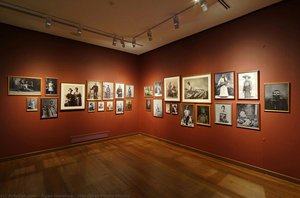
Mardijker Photo Studio

 더 보기
더 보기
지클레 / 아트 프린트
빠른 제작과 다양한 마감 옵션을 제공하는 박물관 품질의 지클레이 또는 캔버스 프린트. ( 손으로 그린 그림 구매 이미지 구매)




































작품의 원본 비율을 유지하는 미리 설정된 크기 중에서 선택하세요.

특정 프레임이나 공간에 맞춰 직접 치수를 입력하실 수 있습니다. 선택하신 사이즈가 원본 이미지의 비율과 일치하지 않을 경우, 작품을 크롭(자르기)하거나 이미지를 대칭 또는 단색 채우기로 확장하여 제작합니다. 제작 시작 전, 최종 확인을 위해 디지털 목업이 전송됩니다.
화면상의 미리보기는 실제 크롭이나 확장 상태를 반영하지 않으므로, 최종 구도는 오직 목업을 통해서만 정확하게 확인하실 수 있습니다.
맞춤 사이즈 제작도 가능하지만, 원본 비율을 유지하기 위해서는 사전 정의된 목록에서 치수를 선택하시는 것을 권장합니다.


 유리 옵션은 110cm 미만 크기에서만 선택 가능합니다.

Mardijker Photo Studio
지클레 / 아트 프린트
복제본 크기
-


최종 결제 금액
$ 80
작품 상세 설명
작가 약력
Agan Harahap: A Digital Weaver of History and Indonesian Identity
Agan Harahap, born in Jakarta, Indonesia, in 1980, is a compelling figure at the intersection of photography, digital manipulation, and social commentary. His work transcends simple documentation; it’s an intricate dialogue with history, pop culture, and the complex realities of contemporary Indonesian society. Initially trained as a graphic designer at STDI Design and Art College in Bandung, Harahap's artistic trajectory shifted dramatically when he began experimenting with photo montage techniques, quickly evolving into a master of digital manipulation – a skill that has propelled him to international recognition while simultaneously sparking debate about the nature of authenticity and representation.
Harahap’s early career involved working as a photographer for Indonesian music magazines like Trax Magazine. This experience provided a foundation in visual storytelling, but it was his embrace of digital tools – particularly Photoshop – that truly defined his artistic voice. He began creating surreal and often unsettling juxtapositions, blending historical imagery with contemporary references and injecting them with a distinctly Indonesian sensibility. These weren’t merely clever pastiches; they were deliberate interventions, prompting viewers to question the narratives presented by traditional media and consider alternative perspectives.
The Rise of ‘Super History’
Harahap's most celebrated series, “Super History,” emerged as a viral phenomenon in 2016. These digitally manipulated images – often depicting historical figures in absurd or provocative situations – gained widespread popularity on social media platforms like Instagram and Facebook. The series quickly became a cultural touchstone, generating both admiration and controversy. Harahap’s work frequently features Indonesian icons—religious leaders, politicians, even celebrities—placed within impossible scenarios that simultaneously celebrate and critique the nation's identity. His use of humor is often sharp and pointed, inviting viewers to engage critically with the images and their underlying messages.
The success of “Super History” propelled Harahap into the international spotlight, leading to exhibitions at prestigious venues such as the Singapore Biennale, Shanghai Biennale, and galleries in Germany and Portugal. His work has been recognized by major collections worldwide, including the Sigg Collection in Switzerland and the Freunder der Nationalgalerie in Germany. This recognition underscores his growing influence within the contemporary art world and validates his unique approach to visual storytelling.
Influences and Artistic Techniques
Harahap’s artistic style is deeply rooted in Indonesian cultural traditions, particularly the concept of “wayang kulit” (shadow puppetry). The layering of images, the manipulation of scale, and the creation of dreamlike scenarios all echo the techniques employed in traditional shadow theater. Furthermore, his work draws inspiration from the social realism movement prevalent in Indonesia during the mid-20th century, particularly the paintings of artists like Hendra Gunawan, S. Sudjojono, Basuki Abdullah, and Dullah. He skillfully appropriates these historical works, reinterpreting them through a contemporary lens and injecting them with his own satirical commentary.
Technically, Harahap’s process involves meticulous digital manipulation using Photoshop. He often begins by sourcing historical photographs from archives and libraries, then painstakingly layering, altering, and combining elements to create his final compositions. His ability to seamlessly integrate disparate images—ranging from vintage propaganda posters to contemporary celebrity photos—is a testament to his technical skill and artistic vision. He’s not simply pasting images together; he's constructing entirely new narratives.
Contemporary Relevance and Future Directions
In an era dominated by misinformation, digital manipulation, and the proliferation of “fake news,” Agan Harahap’s work is more relevant than ever. His creations serve as a potent reminder of the fragility of truth and the importance of critical thinking. He challenges viewers to question the images they consume and to consider the power dynamics at play in media representation.
Looking ahead, Harahap continues to explore themes related to Indonesian identity, social justice, and the impact of technology on society. His recent work, including “Taret De Ravenoville” and his ongoing research into traditional rituals, suggests a deepening engagement with Indonesia’s rich cultural heritage. His commitment to pushing the boundaries of digital art while simultaneously honoring his artistic roots positions him as a significant voice in contemporary Indonesian art.
agan harahap
1980 -
주요 정보
- Artistic Movement Or Style: Digital manipulation, Social realism, Surrealism
- Artists Or Movements Influenced By This Artist:
- Contemporary artists
- Internet culture
- Artists Who Influenced This Artist:
- Hendra Gunawan
- S. Sudjojono
- Basuki Abdullah
- Dullah
- Date Of Birth: 1980
- Full Name: Agan Harahap
- Nationality: Indonesian
- Notable Artworks:
- Iwojiwa, February 1945 (Hulk)
- Mardijker Photo Studio
- Taret De Ravenoville
- Place Of Birth: Jakarta, Indonesia

