 더 보기
더 보기


 가로 또는 세로 중 어느 한 면이라도 105cm(약 41인치)를 초과하는 작품이나 복제화의 경우, 프레임은 분해된 키트 형태로 배송됩니다. 이는 안전한 배송을 보장하고 운송 중 발생할 수 있는 손상을 방지하기 위함입니다.


이 작품에 대해 더 알아보기
텍스트 크기

() ·
당신만을 위해 손으로 직접 그린 그림
핸드메이드 유화 복제화
작가가 직접 캔버스에 손으로 그린 유화 작품으로, 원하는 크기와 액자로 맞춤 제작해 드립니다. ( 프린트 판매로 전환 디지털 이미지로 전환)
수집품 상세 설명
Explore Adriaen de Gryef’s ‘Retour de Chasse,’ a stunning Baroque hunting scene rich in detail & symbolism. Discover this dynamic Flemish oil painting's masterful technique & captivating composition.
작가 프로필
Discover Adriaen de Gryef (1670-1715), a Flemish landscape painter known for his dynamic hunting scenes, still lifes & detailed depictions of 17th-century life in Belgium.
~부터 ·
제1장
어느 정도 크기가 적당할까요?
슬라이드를 움직여 크기를 변경해 보세요. 왼쪽의 이미지는 프레임의 실제 너비를 보여줍니다. 원작의 비율은 그대로 유지됩니다.
표준 규격
맞춤형
CM
INCH
작품의 원본 비율을 그대로 유지하는 프리셋 사이즈 중에서 선택해 보세요.
사이즈 불러오는 중...

가로 너비
세로 길이
액자나 벽면 크기에 맞춰 필요한 가로와 세로 길이를 입력해 주세요. 본 작품은 수작업으로 제작되므로, 요청하신 비율에 따라 작가가 그림의 가장자리를 조금 더 넓게 그리거나 일부를 조정하여 작업할 수 있습니다. 작업 시작 전, 최종 확인을 위해 디지털 목업 이미지를 보내드립니다. 이 페이지에 표시된 이미지는 실제 결과물과 다를 수 있으며, 오직 목업 이미지만이 정확한 결과물을 보여줍니다.
제2장
어떤 방식으로 배송받기를 원하시나요?
캔버스 옆면 스타일 선택
프레임을 선택하세요

화이트 테두리 ₩1

블러사이드 ₩1

옆면 확장형 ₩1

P118B ₩10

P118H ₩10

P118W ₩10

P438Z ₩10

P508JH ₩12

P508YH ₩12

P805H ₩10

P805Z ₩10

P919BZ ₩10

P919G ₩10

P919XJ ₩10

P959ZH ₩10

P968JZ ₩12

W106C ₩8

W218G ₩10

W218JH ₩8

W218Y ₩10

W307PJ ₩10

W316G ₩10

W316PJ ₩8

W316Y ₩10

W398PJ ₩8

W4111J ₩10

W500HY ₩15

W500JH ₩15

W692G ₩12

W849H ₩8

W940BG ₩15

W953PJ ₩8

H24-GOLD ₩30

H24-SILVER ₩30

H36-GOLD ₩45

H36-SILVER ₩45
액자형
몰딩: . 액자 포함 전체 크기: .
제3장
누가 그리며, 변경해야 할 사항이 있나요?
제4장
마지막 마무리 작업
박물관에 있는 것과 같은 명판을 원하시나요?
동판 각인 상세 정보
This elegant plaque features the artist's name and the title of the artwork, finely engraved for a timeless presentation.
It is made from bronze with a refined, elegant finish. The text is precisely laser-engraved for a sharp and permanent result. Measuring 9x2 cm, the plaque is compact yet easy to read. It's built to be durable and scratch-resistant, offering a professional, museum-quality look. Mounting is simple thanks to the included adhesive backing.
투명 아크릴 명판 상세 정보
The plaque includes essential engraved details such as the artist's name, the title of the artwork, the date it was created, the type of media used-like oil on canvas or watercolor-a brief description of the piece, and a QR code that links to the complete artwork information.
It is crafted from clear acrylic, offering a sleek, modern appearance. The text is UV-engraved in black to ensure strong visual contrast. With a size of 10x15 cm, it ensures optimal readability. It comes equipped with two metal hooks for secure wall mounting. The plaque is designed to be weather-resistant, making it suitable for various environments, and it includes interactive features that work seamlessly with smartphone scanning.
블랙 아크릴 명판 상세 정보
This elegant plaque includes engraved information such as the artist's name, the title of the artwork, the date it was created, the type of media used (like oil on canvas or watercolor), a short description of the artwork, and a QR code for quick access to more information.
The plaque itself is made from refined black acrylic with a premium finish. The text is laser-engraved in white for high contrast and readability. Its size is 10x15 cm, designed to be easy to read. It comes with two metal hooks for professional mounting. The design is sleek and fits any interior style. It is also weather-resistant and durable, with built-in digital integration for mobile compatibility.
보호용 바니시를 선택하시겠습니까?
언제 받기를 원하시나요?
제5장
주문하신 그대로의 작품
Retour de chasse
재현 기법
복제본 크기
-
엄선된 시니어 아티스트
더욱 세밀한 묘사와 정교함, 그리고 충분한 제작 시간
-
복제화 액자 구성
-
-
가로 또는 세로 중 어느 한 면이라도 105cm(약 41인치)를 초과하는 작품이나 복제화의 경우, 프레임은 분해된 키트 형태로 배송됩니다. 이는 안전한 배송을 보장하고 운송 중 발생할 수 있는 손상을 방지하기 위함입니다.
전문가 조립 권장 - 본 제품은 DIY용이 아닙니다.
해당 키트는 숙련된 전문 프레임 제작자가 목공용 풀(별도 구매), 캔버스 스트레칭 플라이어 및 풀이 마르는 동안 나무 틀의 수평을 유지할 클램프를 사용하여 캔버스를 팽팽하게 고정하고 조립해야 합니다. 잘못된 조립이나 불균형한 캔버스 장력은 작품에 영구적인 손상을 입힐 수 있으며, 이로 인한 손상은 보증 범위에 포함되지 않습니다.
모든 원목 부재가 포함되어 있으며, 조립에 딱 맞게 정밀하게 재단되었습니다.
제공된 나사와 함께, 별도로 준비해야 하는 모서리 접합부용 목공용 풀을 사용하여 조립합니다. (목공용 풀은 포함되어 있지 않으므로 제작자께서 직접 준비해 주셔야 합니다.)
전문가용 도구가 필요하며 키트에 포함되어 있지 않습니다: 캔버스 스트레칭 플라이어(텐셔너)와 접착제가 마르는 동안 나무 틀의 수평을 유지하기 위한 클램프가 필요합니다.
주의사항:
모서리 접합부에는 목공용 풀이 필요하며, 풀이 완전히 마를 때까지 클램프로 바(bar)를 고정해야 합니다. 또한 조립된 프레임에 캔버스를 팽팽하게 당기려면 캔버스 스트레칭 플라이어가 필요합니다. 이 제품들 중 어느 것도 키트에 포함되어 있지 않습니다. 이 사이즈를 주문하시기 전에 숙련된 전문 액자 제작업체를 미리 섭외하시기 바랍니다.
작품 설명문
-
-
보호용 바니시
유광 바니시(색감을 선명하게 하며 빛과 습기로부터 보호함)
-
내 작품 맞춤 설정
변경 가능한 예시: 얼굴을 고객의 사진으로 교체, 반려동물 추가(예: 고양이를 강아지로 변경), 배경에 숨겨진 메시지 삽입, 배경 풍경 또는 요소 변경.
-
빠른 배송
전 세계 배송()은 기존 5주의 표준 기간 대신 3~4주 내에 완료됩니다. (5 11월). 품질에는 어떠한 타협도 하지 않습니다.
-
특급 배송
전 세계 배송(): 약 5주 소요 (12 11월).
포함됨
최종 결제 금액
₩ 401716
유리 옵션은 110cm 미만 크기에서만 선택 가능합니다.
모든 주문에 포함되는 혜택
- 전 세계 무료 특급 배송
- 프리미엄 린넨 캔버스
- 배송 전 과정 보험 적용
- 관세 및 수입세 환급 보장 서비스
- 원본과 동일한 색상 구현 보장
- 100일 이내 반품 정책 (결함 발생 시)
- 100% 환불 보장
- 다량 구매 할인 혜택
 미리보기
미리보기
 공유하기
공유하기 공유하기
공유하기
 상세 정보
상세 정보 가이드 보기

 다운로드
다운로드
 유사 작품 더 보기
 X-레이
X-레이 슬라이드 쇼 보기
 질의응답
질의응답 통계 정보
통계 정보수치로 보는
- 29선택 가능한 프레임
- 고유의 비율을 유지한 표준 사이즈
- 5작품 제작 및 배송까지 수주 소요
원작 안내


Adriaen De Gryef
1670 - 1715, Belgium
Adriaen De Gryef에 관한 주요 정보
- Artistic Movement Or Style: Baroque
- Artists Or Movements Influenced By This Artist: ['None specified']
- Artists Who Influenced This Artist: ['Jacques de Claeuw']
- Date Of Birth: 1670
- Date Of Death: 1715
- Full Name: Adriaen de Gryef
- Nationality: Flemish
- Notable Artworks:
- GIBIER PRES D'UN ARBRE
- CHASSE A L'OURS
- Still Life In A Garden
- Place Of Birth: Antwerp, Belgium
작가 정보
Adriaen de Gryef: A Flemish Master of the Seventeenth Century
Adriaen de Gryef (1657 – 1722), a name perhaps less familiar than some of his contemporaries, nevertheless stands as a significant figure in the rich tapestry of Flemish art during the Baroque period. Born in Leiden and later establishing himself in Antwerp and Brussels, De Gryef’s legacy rests primarily on his dynamic and meticulously rendered hunting scenes, captivating still lifes, and detailed depictions of everyday life within 17th-century Belgium. His work offers a rare glimpse into a world of aristocratic pursuits, rural landscapes, and the burgeoning appreciation for naturalism that characterized the era.
Early Life and Artistic Training
Little is definitively known about De Gryef’s early life, though it's established he was the son of Jacques de Claeuw, a painter who himself had connections to the renowned court painter Jacob van Sandt. This familial link undoubtedly provided an initial foundation for his artistic development. While precise details regarding his formal training remain elusive, it is believed that De Gryef honed his skills within the Guild of St. Luke in Ghent and later achieved membership in the Antwerp guild in 1700. These affiliations were crucial, providing him with a structured environment for learning, exhibiting, and establishing professional connections – vital steps for any aspiring artist seeking recognition.
A World of Hunting and Leisure
De Gryef’s most celebrated works depict scenes of the hunt. These are not simply depictions of sport; they are carefully constructed narratives brimming with symbolism and social commentary. His compositions frequently showcase aristocratic hunters pursuing game through diverse landscapes – from dense forests to open fields, often incorporating elements of religious allegory or moral instruction. The dramatic use of light and shadow, a hallmark of Baroque painting, is particularly evident in these scenes, creating a sense of immediacy and dynamism. Consider “Chasse à l’Ours” (The Bear Hunt), where the figures are rendered with remarkable detail, capturing both the physical exertion of the hunt and the inherent danger of nature. The animals themselves—deer, boar, bear—are depicted with an almost unsettling realism, reflecting a growing interest in scientific observation during this period.
Still Lifes: A Celebration of Abundance
Beyond his hunting scenes, De Gryef produced a series of still lifes that reveal a different facet of his artistic talent. These compositions are characterized by an astonishing level of detail – from the textures of fruit and fabrics to the reflections in pewter vessels. “Still Life In A Garden” exemplifies this meticulous approach, presenting a lavish display of seasonal produce, flowers, and domestic objects arranged within a richly decorated setting. The arrangement isn’t merely decorative; it speaks to themes of wealth, prosperity, and the bounty of nature – common subjects in Dutch Golden Age art. These still lifes demonstrate De Gryef's ability to capture not just the appearance but also the essence of his subject matter.
Legacy and Historical Significance
Adriaen de Gryef’s work represents a crucial link between the more formal, court-oriented painting styles of earlier generations and the emerging naturalism that would define much of 18th-century art. His detailed depictions of hunting scenes and still lifes offer valuable insights into the social customs, economic realities, and artistic sensibilities of 17th-century Belgium. While he may not be as widely recognized as some of his contemporaries – such as Peter Paul Rubens or Jan van Goyen – De Gryef’s contributions to Flemish art history are undeniable. His paintings continue to be appreciated for their technical skill, dramatic compositions, and evocative portrayal of a bygone era. His works can be found in collections like the Accademia Carrara in Bergamo, offering a tangible connection to this talented artist.
관련 콘텐츠

Mastering Drama and Light: A Definitive Guide to the Flemish Baroque Art Movement
Explore the dramatic brilliance of the Flemish Baroque movement. Discover how masters like Peter Paul Rubens utilized chiaroscuro and dynamic composition to redefine art history through light, shadow, and unparalleled emotion.
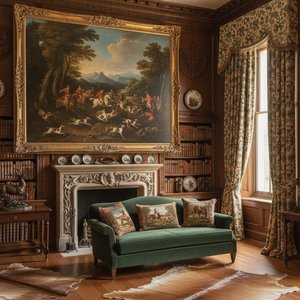
Capturing the Chase: Infusing Interiors with the Dramatic Grandeur of Historical Hunting Scene Artworks
Transform your space with the dramatic grandeur of hunting scene art. OriginalUniqueArt.com offers exquisite, hand-painted oil reproductions of Baroque landscapes and custom historical portraits. Discover museum-quality craftsmanship and bespoke artistry to bring timeless prestige to your home.

The Majesty of Flemish Baroque: A Definitive Guide to Drama, Color, and Grandeur in 17th-Century Masterpieces
Explore the grandeur of Flemish Baroque art. Uncover the dramatic legacy of Peter Paul Rubens and the mastery of light and color. Discover museum-grade, hand-painted oil reproductions and custom commissions at OriginalUniqueArt.com—where history meets fine craftsmanship.

고야의 걸작 25선: 스페인의 영혼을 담은 명화 컬렉션 | OriginalUniqueArt
고야의 걸작 25선을 만나보세요. 스페인 화가 Francisco Goya의 낭만주의 회화, 어두운 색조와 강렬한 감성이 담긴 명화를 OriginalUniqueArt에서 감상하세요. 고품질 유화 복제본으로 예술 작품을 소장하고 홈 데코를 완성해보세요! 지금 바로 컬렉션을 탐험하세요.