

 미리보기
미리보기
 공유하기
공유하기 공유하기
공유하기
 상세 정보
상세 정보

 다운로드
다운로드
 유사 작품
유사 작품 X-레이
X-레이 슬라이드 쇼
 통계 정보
통계 정보The Housewife
 Oil
Oil- WallArt
- Baroque Landscape Painter
 1800
1800- 19th Century
 57.0 x 49.0 cm
 국립 미술관
 더 보기
더 보기
수제 유화 복제품
원하는 크기와 액자로 주문 제작되는, 작가들이 직접 캔버스에 손으로 그린 유화 작품입니다. ( 프린트 판매로 전환 디지털 이미지로 전환)




P118B $10

P118H $10

P118W $10

P438Z $10

P508JH $12

P508YH $12

P805H $10

P805Z $10

P919BZ $10

P919G $10

P919XJ $10

P959ZH $10

P968JZ $12

W106C $8

W218G $10

W218JH $8

W218Y $10

W307PJ $10

W316G $10

W316PJ $8

W316Y $10

W398PJ $8

W4111J $10

W500HY $15

W500JH $15

W692G $12

W849H $8

W940BG $15

W953PJ $8




작품의 원본 비율을 유지하는 미리 설정된 크기 중에서 선택하세요.

특정 프레임이나 공간에 맞도록 직접 크기를 입력할 수 있습니다. 선택하신 크기가 원본 이미지의 비율과 일치하지 않는 경우, 작품을 자르거나 추가적인 손으로 그린 요소를 사용하여 그림을 확장합니다. 제작 시작 전 승인을 위해 디지털 목업을 보내드립니다.
화면 미리 보기는 실제 자르기 또는 확장을 반영하지 않습니다. 최종 구성은 목업을 통해서만 정확하게 확인하실 수 있습니다.
맞춤 크기 제작도 가능하지만, 원본 비율을 유지하기 위해 사전 정의된 목록에서 크기를 선택하시는 것을 권장합니다.
주문 후 OriginalUniqueArt.com 팀에서 상세 안내를 위해 고객님께 이메일을 보내드리며, 미리보기 시안을 제공해 드립니다.


 유리 옵션은 110cm 미만 크기에서만 선택 가능합니다.

The Housewife
재현 기법
복제본 크기
-


최종 결제 금액
$ 300
A Quiet Moment in Domesticity
In the soft, amber glow of an era long passed, Abraham van Strij captures a scene of profound intimacy and stillness in his masterpiece, The Housewife. This evocative portrait transcends a mere depiction of a woman at home; it serves as a window into the soul of eighteenth-century Dutch domestic life. The subject sits ensconced within her private sanctuary, surrounded by the humble yet meaningful artifacts of her daily existence. As she rests or perhaps engages in a quiet moment of contemplation, the viewer is invited to share in the profound peace that permeates the room. There is a palpable sense of warmth radiating from the canvas, an atmosphere where the boundaries between the observer and the observed dissolve into a shared experience of tranquility.
The composition is a masterful study in balance and lived-in detail. Van Strij meticulously arranges the elements of the interior to guide the eye through a narrative of domestic abundance and order. From the sturdy presence of the chairs to the delicate placement of a vase near the center, every object feels intentional, contributing to a sense of settled permanence. The scattered array of bottles, bowls, and cups does not suggest clutter, but rather the rhythmic pulse of a life well-lived—the remnants of recent tasks and the preparation for future ones. This careful arrangement creates a rich, textured environment that speaks to the beauty found in the mundane, making it an ideal centerpiece for those looking to bring a sense of grounded elegance to a contemporary living space.
The Mastery of Light and Dutch Tradition
Rooted in the illustrious tradition of the Dordrecht school, Van Strij employs a technique that honors his lineage while showcasing his individual sensitivity to light. The painting utilizes a subtle interplay of shadows and highlights to breathe life into the textures of wood, ceramic, and fabric. This mastery of chiaroscuro lends a three-dimensional quality to the scene, allowing the viewer to almost feel the weight of the furniture and the coolness of the porcelain. His brushwork, though precise enough to capture the fine details of the household items, retains a soft, painterly quality that enhances the emotional warmth of the subject matter.
For the discerning collector or interior designer, The Housewife offers more than just visual beauty; it offers a historical connection to the Dutch Golden Age's enduring legacy of realism and domestic virtue. The painting functions as an anchor in any room, providing a sophisticated focal point that stimulates conversation and evokes nostalgia. Whether placed in a sunlit breakfast nook or a stately library, this reproduction brings with it the quiet dignity of the 1800s, transforming a modern interior into a curated gallery of historical emotion and timeless grace.
작가 약력
Abraham van Strij I (1753 – 1826): A Dordrecht Landscape Painter
Abraham van Strij was a prominent Dutch landscape painter born in Dordrecht, Netherlands, during the flourishing Baroque period of the eighteenth century. His artistic lineage traced back to Leendert van Strij, who instilled in him and his brother Jacob a passion for painting and draughtsmanship—a tradition that would continue through generations. Educated under the tutelage of Joris Ponse, Abraham’s formative years were spent honing his skills before joining his father's workshop, where he became deeply involved in the artistic community of Dordrecht.- Family Legacy: Van Strij descended from a family renowned for its artistic talent, shaping his early life and fostering an enduring connection to painting.
- Formal Training: Ponse’s guidance provided Abraham with invaluable foundational knowledge, preparing him for the challenges of mastering landscape artistry.
- Guild Membership & Leadership: As a member of Dordrecht’s St Luke Guild and later its director, Abraham actively participated in shaping artistic standards and promoting excellence within his region.
Notable Works & Artistic Style
Abraham van Strij's oeuvre is characterized by serene landscapes imbued with meticulous detail and atmospheric realism—a hallmark of Dutch Baroque painting. He skillfully captured the beauty of Dutch countryside vistas, particularly river scenes and winterscapes, demonstrating a profound understanding of light and color. His paintings often depict idyllic rural life, mirroring the humanist ideals prevalent during the Golden Age.- Recurring Themes: Landscapes featuring rivers, windmills, and pastoral scenes dominated his artistic output, reflecting an appreciation for the natural world.
- Technique: Employing oil paints on canvas with painstaking precision, Abraham achieved remarkable textural qualities and luminous effects—techniques that exemplify Baroque mastery.
- Influences: Rembrandt’s dramatic chiaroscuro and Cuyp's atmospheric realism served as crucial inspirations for his artistic vision.
Legacy & Historical Significance
Abraham van Strij’s contribution to Dutch art history is undeniable. He represents a pivotal figure in the Dordrecht landscape tradition, upholding the legacy of his father and establishing himself as a respected artist and educator. His paintings continue to resonate with viewers today, offering glimpses into a bygone era and celebrating the enduring beauty of the Dutch countryside. Furthermore, he played an important role in nurturing the artistic talent of future generations, ensuring that the St Luke Guild’s tradition would endure for decades to come.Further Exploration
To delve deeper into Abraham van Strij's artistic achievements and influence, consider visiting the Web Gallery of Art (
Abraham van Strij
1753 - 1826 , Netherlands
주요 정보
- Artistic Movement Or Style: Neoclassical Dutch art
- Artists Or Movements Influenced By This Artist: ['Romanticism']
- Artists Who Influenced This Artist: ['Cornelis van Asselen']
- Date Of Birth: 1753
- Date Of Death: 1826
- Full Name: Abraham van Strij I
- Nationality: Dutch
- Notable Artworks:
- A Cherry Vendor at the Door
- Sailing of the Dordrecht Sun
- Italian landscape with herdsmen couple
- Place Of Birth: Dordrecht, Netherlands
관련 기사 더 보기

Dutch Baroque Masters: 10 Paintings That Shaped an Era | OriginalUniqueArt
Journey through the Golden Age with our guide to the Top 10 Dutch Baroque masterpieces! Explore iconic paintings by Rembrandt, Vermeer & Frans Hals. Find museum-quality art reproductions and elevate your home decor at OriginalUniqueArt.com.

Jan van Goyen: Master of Dutch Landscape & Atmospheric Perspective
Discover Jan van Goyen, the master of Dutch landscape painting. Explore his subtle technique, atmospheric realism & lasting influence on art history. Learn about this 17th-century pioneer at OriginalUniqueArt.

렘브란트 반 레인 명작 25선: 빛과 그림자의 거장, 예술의 정수를 만나다
렘브란트 반 레인 명작 25선을 만나보세요. 빛과 그림자의 거장이 그린 역사화, 초상화 속 예술의 정수를 감상하고, 네덜란드 황금시대 바로크 미술의 깊이를 느껴보세요. OriginalUniqueArt.com에서 고품질 복제화를 컬렉션하세요.
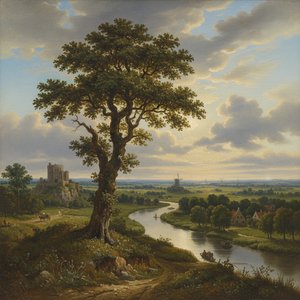
Jacob van Ruisdael: Master of Dutch Landscape & the Evocation of National Identity
Explore the life & work of Jacob van Ruisdael, the preeminent Dutch landscape painter. Discover his technical brilliance, symbolic depth, and lasting influence on art history. Learn about collecting Ruisdael's masterpieces.
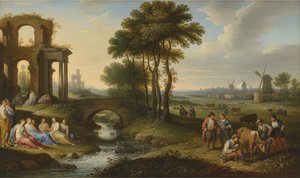
Cornelis van Poelenburch: Bridging Mannerism & the Dutch Baroque Landscape
Discover Cornelis van Poelenburch, a pivotal Dutch Baroque landscape painter bridging Mannerism & Italianate styles. Explore his life, key works, and lasting influence on 17th-century art with OriginalUniqueArt.