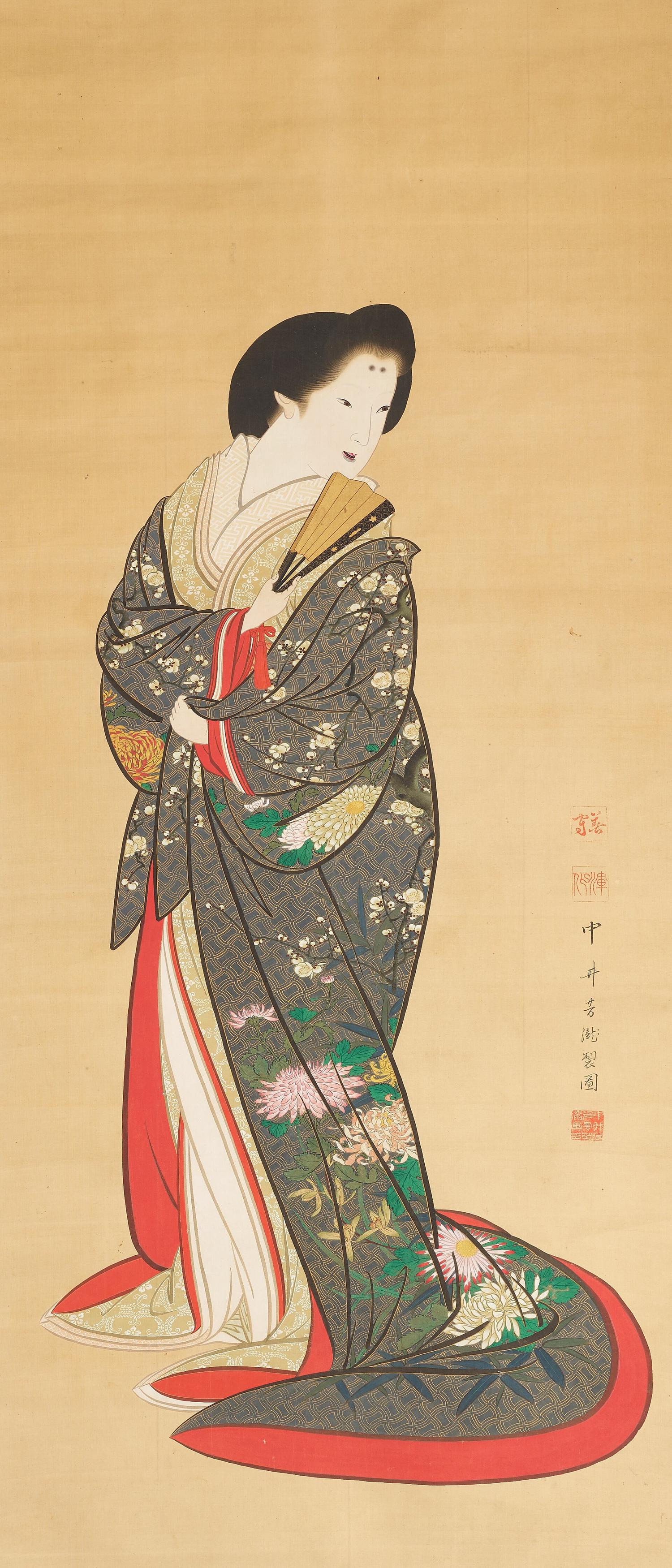
Utagawa Yoshitaki의 초상화

Utagawa Yoshitaki 회화: 갤러리의 시선으로 선별한 가장 유명한 작품 9선

11월 2026 업데이트 · 인기 점수 기준 순위 (각 작품의 검색, 방문 및 주문 수) · 9점의 Utagawa Yoshitaki 작품 (당사 카탈로그 기준)

요약하자면

갤러리가 선정한 Utagawa Yoshitaki의 가장 유명한 작품은 Kabuki Genji. Chapter 22 (1860)이며, 원작은 Bujalance의 Bujalance Collection에 전시되어 있습니다. Kanadehon Chushingura, act 9 (1870)와 Kabuki Genji. Chapter 2 (1880)가 더해져 누구나 한눈에 알아볼 수 있는 완벽한 트리오를 완성합니다. Utagawa Yoshitaki의 작품 9점 중, 갤러리는 가장 유명한 9점을 아래와 같이 소개합니다. 각 작품은 제작 연도, 소장 미술관 및 작품의 특징을 포함한 독창적인 원작입니다.

1841 – 1899, Osaka Ukiyo-e 최다 소장처: Bujalance Collection

갤러리 베스트 10 Utagawa Yoshitaki 작품

1
Kabuki Genji. Chapter 22 (1860) 의 Utagawa Yoshitaki

Kabuki Genji. Chapter 22

1860 · Woodblock Print · Bujalance Collection, Bujalance

In the delicate dance between classical literature and the vibrant energy of the Kabuki stage, Ichiyōsai Yoshitaki captures a moment of profound cultural synthesis in his exquisite woodblock print, Kabuki Genji. Chapter 22. Created around 1860, this work belongs to a masterful series of fifty-four prints that weave together the legendary tales of the Genji monogatari—the masterpiece of Murasaki Shikibu—with the contemporary celebrity of the Kabuki theater. Through his skilled…

2
Kanadehon Chushingura, act 9 (1870) 의 Utagawa Yoshitaki

Kanadehon Chushingura, act 9

1870 · Woodblock Print · Bujalance Collection, Bujalance

In this 1870 woodblock print, the stage of the Kabuki tradition is frozen in a moment of high drama. The scene captures a pivotal sequence from act 9 of the historical play Kanadehon Chushingura. A woman sits grounded on the floor, her posture suggesting a state of vulnerability or quiet resolve. She is surrounded by men in traditional Japanese attire, their silhouettes heavy with the weight of silk and duty.…

3
Kabuki Genji. Chapter 2 (1880) 의 Utagawa Yoshitaki

Kabuki Genji. Chapter 2

1880 · Woodblock Print · Bujalance Collection, Bujalance

In the delicate interplay of color and line found within Kabuki Genji. Chapter 2, we encounter a profound moment where the ephemeral world of the stage meets the timeless elegance of classical literature. Created in 1880 by the master Ichiyōsai Yoshitaki, this exquisite ukiyo-e print serves as a bridge between two pillars of Japanese culture: the dramatic intensity of Kabuki theater and the sweeping romantic narrative of Murasaki Shikibu’s Genji…

4
Kabuki Genji. Chapter 4 (1860) 의 Utagawa Yoshitaki

Kabuki Genji. Chapter 4

1860 · Woodblock Print · Bujalance Collection, Bujalance

In the delicate dance between literature and performance, Kabuki Genji. Chapter 4 emerges as a breathtaking testament to the artistry of Ichiyōsai Yoshitaki. This exquisite ukiyo-e woodblock print serves as a bridge between two of Japan's most cherished cultural pillars: the epic prose of Murasaki Shikibu’s Genji Monogatari and the electrifying spectacle of Kabuki theater. Within this single composition, we witness a profound synthesis of storytelling, where the rhythmic patterns…

5
Kabuki Actors (1870) 의 Utagawa Yoshitaki

Kabuki Actors

1870 · Woodblock Print · Bujalance Collection, Bujalance

The woodblock print depicts three Kabuki actors within a crowded theatrical space. On the left, an actor wears a red plaid robe and a blue scarf around the neck. A second figure, seated in the center, is dressed in a matching red plaid garment and a blue scarf. The third actor, standing to the right, wears a robe with black and white stripes. Several spectators occupy the background, including one…

6
Kabuki Genji. Chapter 2 (1860) 의 Utagawa Yoshitaki

Kabuki Genji. Chapter 2

1860 · Woodblock Print · Bujalance Collection, Bujalance

In the delicate interplay of line and color, Kabuki Genji. Chapter 2 emerges as a breathtaking window into the soul of Japan's Edo and Meiji eras. Created in 1860 by the virtuoso Ichiyōsai Yoshitaki, this exquisite ukiyo-e woodblock print transcends mere portraiture to become a profound dialogue between the ephemeral world of theater and the timeless grandeur of classical literature. The artwork captures a moment of quiet intensity, presenting a…

7
Kabuki Genji. Chapter 7 (1860) 의 Utagawa Yoshitaki

Kabuki Genji. Chapter 7

1860 · Woodblock Print · Bujalance Collection, Bujalance

In the delicate interplay of woodblock printing and classical storytelling, Kabuki Genji. Chapter 7 emerges as a breathtaking masterpiece by the celebrated master Ichiyōsai Yoshitaki. This exquisite ukiyo-e print serves as a profound bridge between two pillars of Japanese culture: the high literature of the Genji Monogatari (The Tale of Genji) and the electric, larger-than-life world of Kabuki theater. Created around 1860, during the twilight of the Edo period, this…

8
Kabuki Genji. Chapter 1 (1860) 의 Utagawa Yoshitaki

Kabuki Genji. Chapter 1

1860 · Woodblock Print · Bujalance Collection, Bujalance

In the delicate dance between literature and performance, Kabuki Genji. Chapter 1 emerges as a breathtaking testament to the golden age of Japanese woodblock printing. Created in 1860 by the master Ichiyōsai Yoshitaki, this exquisite ukiyo-e print serves as a bridge between two of Japan's most cherished cultural pillars: the epic prose of Murasaki Shikibu’s Tale of Genji and the electrifying spectacle of Kabuki theater. The artwork captures a moment…

Utagawa Yoshitaki의 시선을 사로잡은 주제들

이 오리지널 작품들에서 가장 자주 등장하는 네 가지 주제와 그 정수를 보여주는 대표작들.

Utagawa Yoshitaki의 원작을 소장하고 있는 미술관

이 페이지에 있는 작품을 가장 많이 소장하고 있는 2개의 미술관

소장 미술관 도시 Utagawa Yoshitaki의 작품 이 목록의 작품들
Bujalance Collection, BujalanceBujalance Collection Bujalance 8 Kabuki Genji. Chapter 22, Kanadehon Chushingura, act 9, Kabuki Genji. Chapter 2
미니애폴리스 미술관, 미니애폴리스미니애폴리스 미술관 미니애폴리스 1 Standing Beauty

Utagawa Yoshitaki, 10년마다 탄생한 대표작 한 점

연대별 작품 수

그 시대를 정의하는 오리지널 작품을 만나보려면 연대를 선택하세요.

Utagawa Yoshitaki의 작품: 갤러리의 해답

Utagawa Yoshitaki의 작품 중 가장 유명한 작품은 무엇인가요?정답 확인하기

Kabuki Genji. Chapter 22 (1860), Bujalance Collection, Bujalance. 다음은 Kanadehon Chushingura, act 9 (1870)와 Kabuki Genji. Chapter 2 (1880)입니다.

Utagawa Yoshitaki이(가) Kabuki Genji. Chapter 22을(를) 완성했을 당시의 나이는 몇 살이었나요?정답 확인하기

19세: Kabuki Genji. Chapter 22은(는) 1860년 작품이며, Utagawa Yoshitaki은(는) 1841년에 태어났습니다.

Utagawa Yoshitaki의 작품은 몇 점인가요?정답 확인하기

저희 카탈로그에는 1860년부터 1880년 사이의 Utagawa Yoshitaki 작가의 작품 9점이 수록되어 있습니다.

Utagawa Yoshitaki의 가장 유명한 원작들은 어디에 전시되어 있을까요?정답 확인하기

대부분 Bujalance Collection (Bujalance) 및 미니애폴리스 미술관 (미니애폴리스)에 소장되어 있습니다. 위의 박물관 목록에서 전체 목록을 확인하실 수 있습니다.

Utagawa Yoshitaki의 가장 유명한 작품들은 언제 제작되었나요?정답 확인하기

1860s 동안: 이 페이지의 총 9점의 작품 중 5점이 해당 시기에 제작되었으며, 그중 Kabuki Genji. Chapter 22점입니다.

Utagawa Yoshitaki의 초기 및 후기 대표작은 무엇인가요?정답 확인하기

이 페이지에서 가장 오래된 작품은 Kabuki Genji. Chapter 22 (1860)이며, 가장 최근 작품은 Kabuki Genji. Chapter 2 (1880)입니다.

Utagawa Yoshitaki 작가가 가장 자주 다룬 주제는 무엇인가요?정답 확인하기

이 페이지의 9점의 작품에 걸쳐 있는 Kabuki (6), Genji monogatari (5) 및 Japanese print (4)

Utagawa Yoshitaki 작가가 가장 많이 사용한 매체는 무엇인가요?정답 확인하기

이 페이지의 총 9점의 작품 중 8점의 Woodblock Print

Utagawa Yoshitaki은(는) 어떤 미술 사조에 속해 있나요?정답 확인하기

이 페이지의 원작들을 기준으로 볼 때, Ukiyo-e

Bujalance Collection이(가) 소장하고 있는 Utagawa Yoshitaki의 원작은 무엇인가요?정답 확인하기

Kabuki Genji. Chapter 22, Kanadehon Chushingura, act 9 및 Kabuki Genji. Chapter 2: Bujalance Collection, Bujalance은(는) 이 페이지에 있는 작품 중 8점을 소장하고 있습니다.

Utagawa Yoshitaki: 작가

Ichiyosai Yoshitaki: The Maestro of Kabuki Portraits

Ichiyosai Yoshitaki (歌川 芳滝, April 13, 1841 – June 28, 1899), also known as Utagawa Yoshitaki, stands as a towering figure in the history of Japanese woodblock prints. Active primarily during the late Edo and early Meiji periods, he dedicated his life to capturing the dynamism and captivating presence of Kabuki actors—a pursuit that cemented his legacy as Osaka’s most prolific designer of *yakusha-e* (役者絵) for nearly four decades. His output, numbering over 1,200 distinct prints, offers an unparalleled visual record of a vibrant theatrical world, revealing not only the artistry of the actors themselves but also the social and cultural currents of his time. Yoshitaki’s origins were humble; born Nakai Tsunejirō in Shimizucho, Osaka, to a paste merchant father. At the tender age of twelve, he began his artistic apprenticeship under Utagawa Yoshiume (1819–1879), a respected printmaker who had previously studied under the renowned Utagawa Kuniyoshi. This early training instilled in him a foundational understanding of woodblock techniques and design principles, providing a crucial springboard for his future success. Crucially, Yoshitaki quickly surpassed his teacher, establishing himself as an independent artist by 1855, marking the beginning of a remarkable career defined by sheer volume and artistic refinement.

Osaka’s Printmaking Powerhouse

Yoshitaki's rise to prominence was inextricably linked to Osaka’s thriving printmaking scene during the mid-19th century. Unlike Kyoto, which traditionally dominated Japanese art production, Osaka had emerged as a vibrant center for commercial printing, fueled by its bustling port and burgeoning merchant class. Yoshitaki skillfully capitalized on this environment, becoming the dominant designer of *yakusha-e* in Osaka from the 1860s through the 1880s. His workshop became a hub of activity, employing numerous carvers, printers, and binders – a testament to his considerable influence and demand for his work. He wasn’t merely producing prints; he was orchestrating an entire artistic ecosystem.

A Symphony of Color and Form: Artistic Techniques

Yoshitaki's prints are characterized by their remarkable detail, vibrant colors, and dynamic compositions. He mastered the complex techniques of *nishiki-e* (錦絵), utilizing multiple woodblocks to achieve a full spectrum of hues – a significant advancement over earlier monochrome or limited-color prints. His skillful use of shading and perspective created an illusion of depth and movement, effectively capturing the theatricality of the Kabuki stage. He paid meticulous attention to costume design, meticulously recreating the elaborate robes and accessories worn by the actors, reflecting both their individual roles and the broader social status they represented. The influence of Kuniyoshi is evident in Yoshitaki’s bold outlines and dramatic lighting, but he developed a distinctly personal style characterized by a remarkable sensitivity to human expression.

Subjects: The Stars of Kabuki

Yoshitaki's oeuvre is overwhelmingly dominated by portraits of Kabuki actors – *yakusha-e*. He depicted a vast array of performers, from established stars to rising talents, capturing their distinctive personalities and stage mannerisms. His subjects included legendary figures like Enjaku Jitsukawa I (as Saijō Takanori), Wagō Soga Homare no Fuji, and countless others. These prints weren’t simply representations; they were carefully constructed narratives, conveying not only the actors' appearances but also their roles, emotions, and relationships within the larger theatrical drama. His ability to capture a fleeting expression or a dramatic pose was truly remarkable, transforming static images into vibrant snapshots of a dynamic art form.

Legacy and Historical Significance

Ichiyosai Yoshitaki’s prolific output provides an invaluable window into 19th-century Japanese society. His prints reflect the popularity of Kabuki theater, the rise of Osaka as a commercial center, and the evolving tastes of a rapidly changing nation. Beyond their artistic merit, his works offer insights into social hierarchies, fashion trends, and cultural values. Yoshitaki’s influence extended beyond his own lifetime; he trained numerous students who continued to produce *yakusha-e*, ensuring that his style and techniques remained influential for generations. Today, his prints are highly sought after by collectors worldwide, representing a crucial link in the chain of Japanese artistic heritage. They stand as a testament to one man’s dedication, skill, and profound understanding of the captivating world of Kabuki theater.