ვოლფ ჰუბერი პორტრეტი

ვოლფ ჰუბერი-ის ნახატები: 20 ყველაზე ცნობილი ნამუშევარი, গალერეის თcraftით

განახლდა ნოემბერი 2026 · დალაგებულია ჩვენი პოპულარობის ქულების მიხედვით (ძიება, ნახვა და შეკვეთები თითოეული ნამუშწაროსთვის) · 21 ნამუშევარი ვოლფ ჰუბერი ჩვენს კატალოგში

მოკლედ რომ ვთქვათ

გალერეის შეხედულებით, ვოლფ ჰუბერი-ის ყველაზე ცნობილი ნამუშწაროა Landscape with Castle (1545), რომლის ორიგინალი Ducal Graphic Collection-ში, Eggenfeld-ში hangs. Christ taking leave of his Mother. (1519) და Saint Sebastian (1525) ქმნიან იმ ტრიოს, რომელიც ყველამ იცნობს. ჩვენს კატალოგში არსებული ვოლფ ჰუბერი-ის 21 ნამუშწაროდან, გალერეა ქვემოთ წარმოგიდგენთ 20 ყველაზე ცნობილ მათგანს; თითოეული მათგანი არის ორიგინალი, რომლის აღწერა მოიცავს შემოქმედების წელს, მუზეუმს და იმ დეტალებს, რაც მას უნიკალურს ხდის.

1485 – 1553, ფელდკირხი Northern renaissance ყველაზე მეტი ნამشევრი: კუნსტისტორიშეს მუზეუმი

გალერეის ვოლფ ჰუბერი 10 საუკეთესო ნამი에도

3
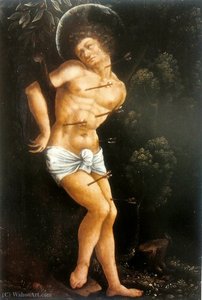
Saint Sebastian (1525) ავტორის: ვოლფ ჰუბერი

Saint Sebastian

A young man with pale skin is positioned slightly off-center, tied to a dark tree trunk within a wooded setting. His body is pierced by several arrows, and his torso shows defined musculature. He wears a white loincloth that contrasts with the deep, earthy tones of the background. The lighting originates from the upper left, casting soft shadows across his chest and abdomen to create a sense of three-dimensional volume.…

4
Allegory of Redemption (1543) ავტორის: ვოლფ ჰუბერი

Allegory of Redemption

Wolf Huber executed Allegory of Redemption, a work also identified as Allegory of Salvation, about 1543. This oil painting was commissioned by Prince-Bishop Wolfgang I, Count Salm. The patron, Wolfgang Graf von Salm, appears within the composition as the kneeling figure in the foreground.

5
Epitaph of the Perger Family (1516) ავტორის: ვოლფ ჰუბერი

Epitaph of the Perger Family

Wolf Huber’s Epitaph of the Perger Family, executed about 1516, presents a dense assembly of figures within a somber funerary or religious setting. The composition is structured through several layers of subjects that create a sense of depth despite a relatively flat perspective, a hallmark of the early 16th-century Northern Renaissance style. On the left, a cluster of men dressed in period-appropriate Renaissance attire occupies the foreground and middle ground,…

6
Christ on the Mount of Olives (1527) ავტორის: ვოლფ ჰუბერი

Christ on the Mount of Olives

The scene unfolds in Christ on the Mount of Olives, a work by the Austrian-German artist Wolf Huber. Born in Feldkirch, Austria, Huber moves through the history of the Northern Renaissance as a versatile creator, working as a painter, printmaker, and architect. This specific composition captures a moment of profound spiritual tension, rendered with the expressive intensity that defines his hand.

7
Portrait of a (35-year-old) Man with Black Hat and Fur-Trimmed Coat (1528) ავტორის: ვოლფ ჰუბერი

Portrait of a (35-year-old) Man with Black Hat and Fur-Trimmed Coat

1528 · Oil

In this 1528 portrait, we encounter a man caught in a moment of quiet contemplation. He is positioned slightly off-center, his gaze directed away from us, as if lost in a thought that we are not permitted to share. The composition is a medium close-up, focusing on the upper body and the heavy textures that define his status. There is a profound sense of stillness here. The monochromatic palette, rendered…

8
Crucifixion of Christ (1522) ავტორის: ვოლფ ჰუბერი

Crucifixion of Christ

The painting titled Crucifixion of Christ was executed by the artist Wolf Huber. This work dates to 1522. The composition depicts the central figure of Jesus on a cross, surrounded by a dense assembly of onlookers, soldiers, and mourners. The scene is framed within an arched structure, presenting a crowded arrangement of human figures against a dark, turbulent sky.

9
The Flight into Egypt (1525) ავტორის: ვოლფ ჰუბერი

The Flight into Egypt

The painting depicts the biblical story of the flight into Egypt, featuring Mary, Joseph, and baby Jesus traveling on a donkey. The scene is set against an expansive backdrop of mountains, which provides a sense of scale to the landscape. Within the composition, several other figures are present, including one man holding a staff and another individual carrying a bowl. Two cows can be seen in the background, with one…

10
The Lamentation of Christ (1524) ავტორის: ვოლფ ჰუბერი

The Lamentation of Christ

1524 · Oil On Panel · ლუვრი, პარიზი

The painting depicts a religious scene centered on the body of Jesus, who lies horizontally across the middle of the frame. He is surrounded by a group of at least twelve figures, some of whom are kneeling while others stand in various states of mourning. The figures are positioned around the central form, their bodies oriented toward the deceased man. In the background, a landscape of mountains rises, providing a…

ვოლფ ჰუბერი-ის ნახატები, რეიტინგით 11-დან 20-მდე

სუბიექტები, რომლებმაც ვოლფ ჰუბერი-ის ყურადღება მიიპყრო

ამ ორიგინალებში ყველაზე ხშირად განმეორებადი არის 네 თემა, რომელთაგან თითოეულს თავისი საუკეთესო ნიმუში წარმოგვიდგება.

მუზეუმები, სადაც ვოლფ ჰუბერი-ის ორიგინალები ინახება

ამ გვერდზე წარმოდგენილი მხატვრობის შედეგების უმეტესობას 8 მუზეუმი ინახავს.

მუზეუმი ქალაქი ვოლფ ჰუბერი შემოქმედებაలు ამ სიიდან მოპოვებული ნახატები
კუნსტისტორიშეს მუზეუმი, ვენაკუნსტისტორიშეს მუზეუმი ვენა 4 Christ taking leave of his Mother., Allegory of Redemption, Crucifixion of Christ
ბავარიის სახელმწიფო ფერწერის კოლექციები, მუნხენიბავარიის სახელმწიფო ფერწერის კოლექციები მუნხენი 2 Epitaph of the Perger Family, Christ on the Mount of Olives
Ducal Graphic Collection, EggenfeldDucal Graphic Collection Eggenfeld 1 Landscape with Castle
ვარშავის ეროვნული მუზეუმი, ვარშავავარშავის ეროვნული მუზეუმი ვარშავა 1 Saint Sebastian
ბერლინის შტატული მუზეუმები, ბერლინიბერლინის შტატული მუზეუმები ბერლინი 1 The Flight into Egypt
ლუვრი, პარიზილუვრი პარიზი 1 The Lamentation of Christ
Staatliche Graphische Sammlung, მუნიხStaatliche Graphische Sammlung მუნიხ 1 Landscape near Feldkirch
ნაციონალური გალერეა, ლონდონინაციონალური გალერეა ლონდონი 1 Christ taking leave of his Mother

ვოლფ ჰუბერი, ერთი ავთენტური ნამუშწარები ათწლეულში

ნამუშევრები ათწლეულების მიხედვით

შეარჩიეთ ათწლეული, რათა ნახოთ ის ორიგინალი ნამუშევარი, რომელიც მას განსაზღვრავს.

ვოლფ ჰუბერი-ის ნახატები: გალერეის პასუხები

რომელი ვოლფ ჰუბერი ტილოა ყველაზე ცნობილი?გაამჟღავნეთ პასუხი

Landscape with Castle (1545), Ducal Graphic Collection, Eggenfeld. შემდეგ მოდიან Christ taking leave of his Mother. (1519) და Saint Sebastian (1525).

რამდენage იყო ვოლფ ჰუბერი Landscape with Castle-ის დასრულებისას?გაამჟღავნეთ პასუხი

60 წლის: Landscape with Castle შექმნილია 1545 წელს, ხოლო ვოლფ ჰუბერი დაიბადა 1485 წელს.

რომელია ვოლფ ჰუბერი-ის 10 საუკეთესო ნამუშწარო?გაამჟღავნეთ პასუხი

Landscape with Castle, Christ taking leave of his Mother., Saint Sebastian, Allegory of Redemption, Epitaph of the Perger Family, Christ on the Mount of Olives, Portrait of a (35-year-old) Man with Black Hat and Fur-Trimmed Coat, Crucifixion of Christ, The Flight into Egypt და The Lamentation of Christ. ზემოთ მოცემული რეიტინგი ასახავს თითოეულის შემოქმედების წელსა და მუზეუმს.

რამდენიმე ნამუშწარები შექმნა ვოლფ ჰუბერი-მა?გაამჟღავნეთ პასუხი

ჩვენს კატალოგში წარმოდგენილია 21 ნამუშწევრი ვოლფ ჰუბერი-ისგან, დათარიღებული 1516-დან 1545-მდე.

სად hanging ვოლფ ჰუბერი-ის ყველაზე ცნობილი ორიგინალები?გაამჟღავნეთ პასუხი

ძირითადად კუნსტისტორიშეს მუზეუმი (ვენა), ბავარიის სახელმწიფო ფერწერის კოლექციები (მუნხენი) და Ducal Graphic Collection (Eggenfeld)-ში. ზემოთ მოცემულ მუზეუმების ცხრილში ისინი ყველა listed.

როდის შექმნა ვოლფ ჰუბერი-მა ყველაზე ცნობილი სურათები?გაამჟღავნეთ პასუხი

1520s-ში: ამ გვერდზე წარმოდგენილი 20 ნამუშწარwerksიდან 8 შეიქმნა მაშინ, მათგან Saint Sebastian.

რომლებიც ვოლფ ჰუბერი-ის ყველაზე ადრეული და ბოლო ცნობილი ნამუშევრებია?გაამჟღავნეთ პასუხი

ამ გვერდზე ყველაზე ადრეული არის Epitaph of the Perger Family (1516), ხოლო ყველაზე გვიანდელი — Landscape with Castle (1545).

რომელ თემებს მიმართავდა ვოლფ ჰუბერი ყველაზე ხშირად?გაამჟღავნეთ პასუხი

Trees (4), Clouds (4) და People (4), ამ გვერდზე წარმოდგენილ 20 ნამუშწარეს შორის.

რა ტექნიკით მუშაობდა ვოლფ ჰუბერი ყველაზე ხშირად?გაამჟღავნეთ პასუხი

Oil On Panel, ამ გვერდზე არსებული 20 ნამუშწაროსგან 8 ცალიდან.

რომელ მიძღვნასთან არის დაკავშირებული ვოლფ ჰუბერი?გაამჟღავნეთ პასუხი

Northern renaissance და Renaissance, ამ გვერდზე წარმოდგენილი ორიგინალების მიხედვით.

რომელი ვოლფ ჰუბერი-ის ორიგინალები ინახავს კუნსტისტორიშეს მუზეუმი?გაამჟღავნეთ პასუხი

Christ taking leave of his Mother., Allegory of Redemption და Crucifixion of Christ: კუნსტისტორიშეს მუზეუმი, ვენა-ში წარმოდგენილია ამ გვერდზე მოცემული ნამუშევრების 4 ცალი.

ვოლფ ჰუბერი: მხატვარი

A Master of the Danube School

In the vibrant tapestry of the Northern Renaissance, few threads are as intricately woven as those belonging to Wolf Huber. An Austrian-German painter, printmaker, and architect, Huber emerged as a leading figure of the Danube School, a movement that revolutionized the role of landscape in European art. While much of the Italian Renaissance focused on the perfection of human form and classical idealism, Huber and his contemporaries turned their gaze toward the untamed beauty of the natural world. His work captures the soul of the landscape, transforming dense forests, misty valleys, and dramatic mountain peaks from mere backdrops into profound, living subjects that resonate with spiritual depth.

Born in Feldkirch, Austria, Huber’s early life remains somewhat shrouded in the mists of history, though his presence in the artistic landscape becomes clearly established by the early sixteenth century. By 1515, he was living and working in Passau, Germany, a city that would serve as the primary stage for much of his illustrious career. Though the specifics of his formal training are unknown, it is believed he may have honed his skills within a family workshop. His artistic language suggests a sophisticated understanding of the Italian Renaissance, likely gained through travels to northern Italy, allowing him to blend the meticulous detail of the North with the masterful use of chiaroscuro and atmospheric perspective found in the South.

The Intersection of Spirit and Nature

Huber’s oeuvre is characterized by a remarkable ability to weave human narrative into the very fabric of the earth. In his religious compositions, such as The Flight into Egypt or Christ Taking Leave of His Mother, the landscape does not simply surround the figures; it participates in their emotional journey. He possessed a rare sensitivity to the lyrical qualities of nature, using expansive mountains and verdant trees to act as emotional extensions of his subjects' internal struggles and divine destinies. This technique allowed him to elevate biblical narratives into cosmic events, where the majesty of the terrain mirrors the weight of the spiritual moment.

Beyond his religious works, Huber’s mastery extended to the intimate realm of portraiture. In pieces like the Portrait of Jacob Ziegler, he demonstrates a profound command over light and texture. Through a meticulous layering of pigments, he achieved a velvety depth that brings the sitter to life, capturing the intellectual fervor and introspective thought of his subjects. His portraits often utilize a soft, frontal illumination that lends a sculptural quality to the human face, creating a dialogue between the individual and the atmospheric world unfolding behind them.

Architectural Legacy and Historical Significance

The versatility of Wolf Huber extended far beyond the easel and the printing press. He was a man of multifaceted talent, serving not only as a painter but also as an architect. His architectural contributions are evidenced by his work for local nobility, most notably his commission from Count Niklas II von Salm to rebuild the Neuberg Palace on the Inn River. The surviving fragments of this project reveal his ability to integrate the grander, decorative styles of the Italian Renaissance into the regional landscape, complete with rich, ornamental paintings.

As a court painter to the Duke of Bavaria, Ernst, Huber occupied a position of significant prestige, further cementing his role as a pillar of the German-Austrian artistic community. His legacy lies in his ability to bridge the gap between the human and the divine, the intimate and the expansive. Through his contributions to the Danube School, he helped establish a new way of seeing—one where the landscape is not just a setting for man, but a profound reflection of the eternal.