თომას კოლი პორტრეტი

თომას კოლი-ის ნახატები: 100 ყველაზე ცნობილი ნამუშევარი, গალერეის თcraftით

განახლდა ოქტომბერი 2026 · დალაგებულია ჩვენი პოპულარობის ქულების მიხედვით (ძიება, ნახვა და შეკვეთები თითოეული ნამუშწაროსთვის) · 596 ნამუშევარი თომას კოლი ჩვენს კატალოგში

მოკლედ რომ ვთქვათ

გალერეის თვალს, თომას კოლი-ის ყველაზე ცნობილი ნამუშწაროა მთის ჰოლიოკიდან კონექტიკუტის ხეობაში ჩადება. The dream of the architect (1840) და გაძევება. მთვარის და ანათების სხივი (1828) ქმნიან იმ ტრიოს, რომელიც ყველამ იცნობს. ჩვენს კატალოგში არსებული თომას კოლი-ის 596 ნამუშწაროდან, გალერეა ქვემოთ წარმოგიდგენთ 100 ყველაზე ცნობილ მათგანს; თითოეული მათგანი არის ორიგინალი, რომლის აღწერა მოიცავს შემოქმედების წელს, მუზეუმს და იმ დეტალებს, რაც მას უნიკალურს ხდის.

1801 – 1848, ბოლტონი Romantic realism ყველაზე მეტი ნამشევრი: New York Historical Society

გალერეის თომას კოლი 10 საუკეთესო ნამი에도

1
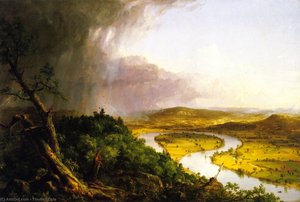
მთის ჰოლიოკიდან კონექტიკუტის ხეობაში ჩადება ავტორის: თომას კოლი

მთის ჰოლიოკიდან კონექტიკუტის ხეობაში ჩადება

ზეთი ტილოზე

ამერიკული რომანტიზმის შედევრი თომას კოლეს „ოქსბოუ“ არის ფუნდამენტური ნაწარმოები, რომელიც ამერიკული ველური ბუნების არსსა და ბუნებასა და ცივილიზაციას შორის არსებულ დაძაბულობას ასახავს. 1836 წელს შექმნილი ეს საკულტო პეიზაჟი ჰადსონის მდინარის სკოლის ქვაკუთხედია — სახელმძღვენელი ხელოვნების სტილისა, რომელიც ამერიკის შეერთებული შტატების ბუნებრივ სილამაზეს ზედმეტად ხაზს უსვამდა. ტილოზე ჩვენს თვალწინ კონექტიკუტის მდინარის ხეობის პანორამული ხედვა იშლება ჭექა-ქუხილის დასრულებისთანავე, რაც დრამატულ კონტრასტს ქმნის მარცხენა მხარეს არსებულ დაუმორჩილებელ ველსა და მარჯვენა მხარეს გადამუშავებულ, ნოყიერ…

2
The dream of the architect (1840) ავტორის: თომას კოლი

The dream of the architect

The work known as The dream of the architect, or The Architect's Dream, is an oil on canvas painting by the artist Thomas Cole. Created in 1840, this large-scale composition was commissioned by Ithiel Town in 1839. The image presents a complex arrangement of architectural forms that do not exist in a single physical location, instead forming an improbable landscape of various historical styles.

3
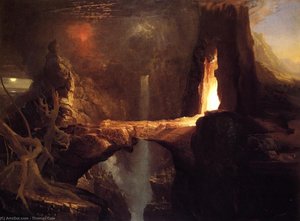
გაძევება. მთვარის და ანათების სხივი (1828) ავტორის: თომას კოლი

გაძევება. მთვარის და ანათების სხივი

1828 · ზეთი ტილოზე · თისენ-ბორნემიმზას მუზეუმი, მადრიდი

თომას კოლის "Expulsion. Moon and Firelight", 1828 წლის ნამუშევარი, 단순한 풍경სურათი არ არის; ეს არის ადრეული ამერიკის უდაბნო, გაუთავებელი სულისკვეთება. ჰადსონ-რივერის სკოლის ჩამოყალიბებისას, კოლი ბუნებას აღადგენს მისი ძალებით, მისტიკური ძალით და ღრმა შიშველით. ტილოში მნახველს გადაჰყავს უზარმაზარი სივრცეში, სადაც მკაცრი ქვები ებრძვიან სიბნელს, ხოლო ძველი ხის ფესვები ეძინებათ, როგორც მგერი. ეს არის სცენა, რომელიც შექმნილია აღფრთოვანების, სასიუმა და შესაძლოა, პირველყოფილი შიშის მოსაყოლად.

4
ფლორენციის ხედი სან-მინიატოდან (1837) ავტორის: თომას კოლი

ფლორენციის ხედი სან-მინიატოდან

1837 · ზეთი ტილოზე · კლივল্যান্ডের ხელოვნების მუზეუმი, კლივლენდი

ტომას კოლის "ფლორენციის ხედი სან მინიატოდან" არის განსაცვიერებული პანორამული ტილო, რომელიც ტკბილად ასახავს ფლორენციისა და იტალიის მარადიულ სილამაზეს. 1837 წელს შექმნილი ეს შედევრი გვთავაზობს ქალაქის გამორჩეული არქიტექტურის შთამბეჭდავ ხედს, რომელიც განფენილია ტლანდ-ტლანდი გორებისა და მოშორიგულ მთების ფონად. სცენა მზის ნავარდის თბილ, რბილ სინათლეშია ნალექი, რაც მშვიდი და მხიბლავი ატმოსფეროს ქმნის, რომელიც დამთვრერს თავისი სიმშვიდით იზიდავს.

5
არკადიის ოცნების შესწავლა (1838) ავტორის: თომას კოლი

არკადიის ოცნების შესწავლა

1838 · ზეთი პანელზე · New York Historical Society, ნიუ-იორკი

თომას კოლის "სწავლება არკადიის ოცნებისთვის" (1838) არის მომხიბლავი ხედი, რომელიც სრულყოფილად ასახავს ამერიკის პეიზაჟის ხელოვნების სიმშვიდეს და სილამაზეს. ეს შესანიშნავი ზეთის საღებავით შესრულებული პანელის ნახატი წარმოადგენს იდვილურ სცენას, რომელიც თბილი მზის შუქით ანათებს, რაც მშვიდი და ნოსტალგიური განწყობას ქმნის. კოლე, როგორც ჰადსონ-რივერის სკოლის ერთ-ერთი დამაარსებელი, მნიშვნელოვანი როლი ითამაშა ამერიკის პეიზაჟული ხელოვნების ჩამოყალიბებაში. მისი ნაშრომები ხშირად გამოხატავს طبیعتისადმი βαθύ εκτίμηση και μια λαχτάρα για την αγροτική απλότητα, რაც ამ ნახვაშიც స్పష్టంగా…

6
The Voyage of Life: Childhood (1842) ავტორის: თომას კოლი

The Voyage of Life: Childhood

1842 · აკრილი ტილოზე · National Gallery of Art, ვაშინგტონი

In the quiet, luminous dawn of Thomas Cole’s monumental series, The Voyage of Life: Childhood emerges not merely as a landscape, but as a profound spiritual threshold. Completed in 1842, this masterpiece serves as the foundational movement of an allegorical symphony, capturing the fleeting, sun-drenched purity of our earliest years. As the viewer’s eye meets the canvas, they are transported to a realm where the boundaries between the physical world…

7
The Voyage of Life: Youth (1842) ავტორის: თომას კოლი

The Voyage of Life: Youth

1842 · Acrylic On Canvas · National Gallery of Art, ვაშინგტონი

Thomas Cole's "The Voyage of Life," specifically the depiction of Childhood, stands as a cornerstone of the Hudson River School movement and embodies its core tenets—a profound engagement with nature imbued with spiritual significance. Completed in 1842, this monumental canvas transcends mere landscape painting; it’s an elaborate allegory designed to illuminate the formative stages of human existence.

8
View on the Catskill, Early Autunm (1837) ავტორის: თომას კოლი

View on the Catskill, Early Autunm

Thomas Cole’s “View on the Catskill, Early Autumn,” painted in 1837, isn't merely a landscape; it’s an invitation. An invitation to step into a world where the grandeur of nature intertwines with a profound sense of peace and contemplation. This iconic work, currently residing within the Metropolitan Museum of Art, stands as a cornerstone of the Hudson River School movement – a period that redefined American art by championing the…

9
Evening in Arcadia (1843) ავტორის: თომას კოლი

Evening in Arcadia

1843 · Oil On Canvas

Thomas Cole’s “Evening in Arcadia,” painted in 1843, is more than just a landscape; it’s a profound meditation on the relationship between humanity and nature. This masterpiece, born from the heart of the Hudson River School, captures a moment of serene beauty – a sunset casting long shadows across a pristine valley, a waterfall cascading into a tranquil pool, and figures thoughtfully observing this spectacle. Cole's work represents a pivotal…

10
Niagara Falls (1830) ავტორის: თომას კოლი

Niagara Falls

1830 · Oil On Canvas · Centennial One Object Exhibit, Unknown

To gaze upon Thomas Cole's Niagara Falls is to be swept away by the sheer, untamed power of creation itself. Painted in 1830, this masterpiece captures more than just a geographical spectacle; it arrests a moment where human contemplation meets an overwhelming natural force. As the founder of the Hudson River School, Cole possessed a singular ability to interpret the landscape not merely as scenery, but as a profound dialogue…

თომას კოლი-ის ნახატები, რეიტინგით 11-დან 100-მდე

11River in the Catskills (1843) ავტორის: თომას კოლიRiver in the Catskills1843 · ბოსტონის fine arts-ის მუზეუმი 12The Mountain Ford (1846) ავტორის: თომას კოლიThe Mountain Ford1846 · მეტროპოლიტენის ხელოვნების მუზეუმი 13The Garden of Eden (1828) ავტორის: თომას კოლიThe Garden of Eden1828 · ამონ კარტერის ამერიკული ხელოვნების მუზეუმი 14View on the Schoharie (1826) ავტორის: თომას კოლიView on the Schoharie1826 15The Voyage of Life: Manhood (1842) ავტორის: თომას კოლიThe Voyage of Life: Manhood1842 · National Gallery of Art 16From the Top of Kaaterskill Falls (1826) ავტორის: თომას კოლიFrom the Top of Kaaterskill Falls1826 · დეტროიტის ხელოვნების ინსტიტუტი 17Sunny Morning on the Hudson River (1827) ავტორის: თომას კოლიSunny Morning on the Hudson River1827 · სან-ფრანცისკოს fine arts მუზეუმები 18View of the Arno (1838) ავტორის: თომას კოლიView of the Arno1838 · თისენ-ბორნემიმზას მუზეუმი 19Falls of the Kaaterskill (1826) ავტორის: თომას კოლიFalls of the Kaaterskill1826 20Falls at Catskill (1829) ავტორის: თომას კოლიFalls at Catskill1829 · სმიტსონის ამერიკული ხელოვნების მუზეუმი 21Distant View of Niagara Falls (1830) ავტორის: თომას კოლიDistant View of Niagara Falls1830 · ჩიკაგოს ხელოვნების ინსტიტუტი 22Daniel Boone Sitting at the Door of His Cabin on the Great Osage Lake, Kentucky (1826) ავტორის: თომას კოლიDaniel Boone Sitting at the Door of His Cabin on the Great Osage Lake, Kentucky1826 23Sunrise in the Catskill Mountains (1826) ავტორის: თომას კოლიSunrise in the Catskill Mountains1826 · National Gallery of Art 24The Consummation of the Empire (1836) ავტორის: თომას კოლიThe Consummation of the Empire1836 · New York Historical Society 25The Hunter (1845) ავტორის: თომას კოლიThe Hunter1845 · ამონ კარტერის ამერიკული ხელოვნების მუზეუმი 26The Voyage of Life, Youth ავტორის: თომას კოლიThe Voyage of Life, Youth 27The Architect (1840) ავტორის: თომას კოლიThe Architect1840 · ტოლედოს ხელოვნების მუზეუმი 28Tree in the Catskills (1844) ავტორის: თომას კოლიTree in the Catskills1844 29Genesee Scenery (1847) ავტორის: თომას კოლიGenesee Scenery1847 30The Voyage of Life, Childhood ავტორის: თომას კოლიThe Voyage of Life, Childhood 31Peace at Sunset (also known as Evening in the White Mountains) (1827) ავტორის: თომას კოლიPeace at Sunset (also known as Evening in the White Mountains)1827 · სან-ფრანცისკოს fine arts მუზეუმები 32Study for The Voyage of Life Youth (1839) ავტორის: თომას კოლიStudy for The Voyage of Life Youth1839 · Albany Institute of History - Art 33The Voyage of Life, Old Age ავტორის: თომას კოლიThe Voyage of Life, Old Age 34The Titan's Goblet (1833) ავტორის: თომას კოლიThe Titan's Goblet1833 · მეტროპოლიტენის ხელოვნების მუზეუმი 35Valley of the Vaucluse (1841) ავტორის: თომას კოლიValley of the Vaucluse1841 · მეტროპოლიტენის ხელოვნების მუზეუმი 36The Angel Appearing to the Shepherds ავტორის: თომას კოლიThe Angel Appearing to the Shepherdsკრაისლერის ხელოვნების მუზეუმი 37In the Simmental, Switzerland (1843) ავტორის: თომას კოლიIn the Simmental, Switzerland1843 38The Voyage of Life: Old Age (1842) ავტორის: თომას კოლიThe Voyage of Life: Old Age1842 · National Gallery of Art 39Landscape with Figures: A Scene from 'The Last of the Mohicans' (1826) ავტორის: თომას კოლიLandscape with Figures: A Scene from 'The Last of the Mohicans'1826 40Frenchman's Bay, Mt. Desert Island (1844) ავტორის: თომას კოლიFrenchman's Bay, Mt. Desert Island1844 41The Voyage of Life: Youth (1840) ავტორის: თომას კოლიThe Voyage of Life: Youth1840 42Landscape Scene from 'The Last of the Mohicans' (1827) ავტორის: თომას კოლიLandscape Scene from 'The Last of the Mohicans'1827 43Winnipesaukee (1827) ავტორის: თომას კოლიWinnipesaukee1827 44The Cross and the World: Study for 'The Pilgrim of the World on His Journey' (1846) ავტორის: თომას კოლიThe Cross and the World: Study for 'The Pilgrim of the World on His Journey'1846 · Albany Institute of History - Art 45The Course of Empire: The Consummation of the Empire (1836) ავტორის: თომას კოლიThe Course of Empire: The Consummation of the Empire1836 · New York Historical Society 46Schroon Mountain, Adirondacks (1838) ავტორის: თომას კოლიSchroon Mountain, Adirondacks1838 47Catskill Landscape (1846) ავტორის: თომას კოლიCatskill Landscape1846 48Autumn Landscape (Mount Chocorua) (1828) ავტორის: თომას კოლიAutumn Landscape (Mount Chocorua)1828 49Italian Scene Composition (1833) ავტორის: თომას კოლიItalian Scene Composition1833 · New York Historical Society 50Niagara Falls (1830) ავტორის: თომას კოლიNiagara Falls1830 51The Voyage of Life: Manhood (detail) ავტორის: თომას კოლიThe Voyage of Life: Manhood (detail) 52A View of the Two Lakes and Mountain House, Catskill Mountains, Morning (1844) ავტორის: თომას კოლიA View of the Two Lakes and Mountain House, Catskill Mountains, Morning1844 · Brooklyn Museum 53View of Mt. Etna (1842) ავტორის: თომას კოლიView of Mt. Etna1842 · ვირჯინიის fine arts-ის მუზეუმი 54View from Mount Holyoke, Northamptom, Massachusetts, after a Thunderstorm (detail) (1836) ავტორის: თომას კოლიView from Mount Holyoke, Northamptom, Massachusetts, after a Thunderstorm (detail)1836 · მეტროპოლიტენის ხელოვნების მუზეუმი 55The Oxbow (also known as The Connecticut River near Northampton) (1836) ავტორის: თომას კოლიThe Oxbow (also known as The Connecticut River near Northampton)1836 56Expulsion from the Garden of Eden (1828) ავტორის: თომას კოლიExpulsion from the Garden of Eden1828 · ბოსტონის fine arts-ის მუზეუმი 57Landscape (1845) ავტორის: თომას კოლიLandscape1845 · Minneapolis Institute of Art 58The Architect's Dream (1840) ავტორის: თომას კოლიThe Architect's Dream1840 · ტოლედოს ხელოვნების მუზეუმი 59View from Mount Holyoke, Northamptom, Massachusetts, after a Thunderstorm (The Oxbow) (1836) ავტორის: თომას კოლიView from Mount Holyoke, Northamptom, Massachusetts, after a Thunderstorm (The Oxbow)1836 · მეტროპოლიტენის ხელოვნების მუზეუმი 60Sketch for View from Mount Holyoke, Northampton, Massachusetts, after a Thunderstorm (The Oxbow) (1836) ავტორის: თომას კოლიSketch for View from Mount Holyoke, Northampton, Massachusetts, after a Thunderstorm (The Oxbow)1836 · მეტროპოლიტენის ხელოვნების მუზეუმი 61The Architect's Dream (detail) (1840) ავტორის: თომას კოლიThe Architect's Dream (detail)1840 · ტოლედოს ხელოვნების მუზეუმი 62The Hunter s Return (1845) ავტორის: თომას კოლიThe Hunter s Return1845 · ამონ კარტერის ამერიკული ხელოვნების მუზეუმი 63L'Allegro (also known as Italian Sunset) (1845) ავტორის: თომას კოლიL'Allegro (also known as Italian Sunset)1845 · লস অ্যাნჯელესის ოლეული ოლქის ხელოვნების მუზეუმი 64The Course of Empire: Destruction (1836) ავტორის: თომას კოლიThe Course of Empire: Destruction1836 · New York Historical Society 65Summer Twilight (1827) ავტორის: თომას კოლიSummer Twilight1827 66Study for Standing Shepherd (1831) ავტორის: თომას კოლიStudy for Standing Shepherd1831 · დეტროიტის ხელოვნების ინსტიტუტი 67A Wild Scene (1832) ავტორის: თომას კოლიA Wild Scene1832 · ბალტიმორის სახელოვნებო მუზეუმი 68The Four Times of Day in Italy (1836) ავტორის: თომას კოლიThe Four Times of Day in Italy1836 · Albany Institute of History - Art 69Indian Pass Tahawus (1847) ავტორის: თომას კოლიIndian Pass Tahawus1847 70View of Florence from San Miniato (1837) ავტორის: თომას კოლიView of Florence from San Miniato1837 71The Voyage of Life: Old Age (1840) ავტორის: თომას კოლიThe Voyage of Life: Old Age1840 72Mount Aetna from Taormina (1843) ავტორის: თომას კოლიMount Aetna from Taormina1843 73The Fountain of Vaucluse (1841) ავტორის: თომას კოლიThe Fountain of Vaucluse1841 74Moonlight - Piazza Vecchia ავტორის: თომას კოლიMoonlight - Piazza Vecchia 75The Course of Empire The Arcadian or Pastoral State - Thomas Cole (2026) ავტორის: თომას კოლიThe Course of Empire The Arcadian or Pastoral State - Thomas Cole2026 76On Catskill Creek (unfinished.) (1836) ავტორის: თომას კოლიOn Catskill Creek (unfinished.)1836 77Prometheus Bound (1847) ავტორის: თომას კოლიPrometheus Bound1847 · სან-ფრანცისკოს fine arts მუზეუმები 78Schroon Mountain, Adirondacks, Essex County, New York, after a Storm (1838) ავტორის: თომას კოლიSchroon Mountain, Adirondacks, Essex County, New York, after a Storm1838 79View of Monte Video Seat of Daniel Wadsworth (1828) ავტორის: თომას კოლიView of Monte Video Seat of Daniel Wadsworth1828 80John Gallier (1799-1881) (1835) ავტორის: თომას კოლიJohn Gallier (1799-1881)1835 · New York Historical Society 81Landscape Composition Italian Scenery (1832) ავტორის: თომას კოლიLandscape Composition Italian Scenery1832 · Memorial Art Gallery 82The Cross and the World: Study for 'Two Youths Enter Upon a Pilgrimage - One to Cross the Other to the World (1846) ავტორის: თომას კოლიThe Cross and the World: Study for 'Two Youths Enter Upon a Pilgrimage - One to Cross the Other to the World1846 83Dead Rising from Tombs (1848) ავტორის: თომას კოლიDead Rising from Tombs1848 84Indian at Sunset (1847) ავტორის: თომას კოლიIndian at Sunset1847 85LA CROIX DANS LA SOLITUDE ავტორის: თომას კოლიLA CROIX DANS LA SOLITUDEლუვრი 86Saint John in the Wilderness ავტორის: თომას კოლიSaint John in the Wilderness 87Campagna di Roma (study for Aqueduct near Rome) (1832) ავტორის: თომას კოლიCampagna di Roma (study for Aqueduct near Rome)1832 88Falls of Kaaterskill (1826) ავტორის: თომას კოლიFalls of Kaaterskill1826 89View near the Village of Catskill (1827) ავტორის: თომას კოლიView near the Village of Catskill1827 · სან-ფრანცისკოს fine arts მუზეუმები 90The Past (1838) ავტორის: თომას კოლიThe Past1838 · Mead Art Museum 91The Departure (1838) ავტორის: თომას კოლიThe Departure1838 · National Gallery of Art 92The Voyage of Life: Childhood (1839) ავტორის: თომას კოლიThe Voyage of Life: Childhood1839 93Arch of Nero, Tivoli (1832) ავტორის: თომას კოლიArch of Nero, Tivoli1832 · დეტროიტის ხელოვნების ინსტიტუტი 94Study for a Wild Scene ავტორის: თომას კოლიStudy for a Wild Scene 95Catskill Creek, New York ავტორის: თომას კოლიCatskill Creek, New YorkNew York Historical Society 96Nude Male with Bow and Arrow ავტორის: თომას კოლიNude Male with Bow and Arrow 97The Vesper Hymn ავტორის: თომას კოლიThe Vesper Hymnიეილის უნივერსიტეტის სახელოვნებო გალერეა 98Study for a Scene from Lord Byron’s “Manfred” (1833) ავტორის: თომას კოლიStudy for a Scene from Lord Byron’s “Manfred”1833 · იეილის უნივერსიტეტის სახელოვნებო გალერეა 99Study for The Angel Appearing to the Shepherds (1831) ავტორის: თომას კოლიStudy for The Angel Appearing to the Shepherds1831 · კრაისლერის ხელოვნების მუზეუმი 100Self-Portrait (1836) ავტორის: თომას კოლიSelf-Portrait1836

თომას კოლი-ის ცნობილი სურათები, პერიოდების მიხედვით

სუბიექტები, რომლებმაც თომას კოლი-ის ყურადღება მიიპყრო

ამ ორიგინალებში ყველაზე ხშირად განმეორებადი არის 네 თემა, რომელთაგან თითოეულს თავისი საუკეთესო ნიმუში წარმოგვიდგება.

მუზეუმები, სადაც თომას კოლი-ის ორიგინალები ინახება

ამ გვერდზე წარმოდგენილი მხატვრობის შედეგების უმეტესობას 8 მუზეუმი ინახავს.

მუზეუმი ქალაქი თომას კოლი შემოქმედებაలు ამ სიიდან მოპოვებული ნახატები
New York Historical Society, ნიუ-იორკიNew York Historical Society ნიუ-იორკი 13 არკადიის ოცნების შესწავლა, The Consummation of the Empire, The Course of Empire: The Consummation of the Empire
მეტროპოლიტენის ხელოვნების მუზეუმი, ნიუ-იორკიმეტროპოლიტენის ხელოვნების მუზეუმი ნიუ-იორკი 11 View on the Catskill, Early Autunm, The Mountain Ford, The Titan's Goblet
National Gallery of Art, ვაშინგტონიNational Gallery of Art ვაშინგტონი 14 The Voyage of Life: Childhood, The Voyage of Life: Youth, The Voyage of Life: Manhood
ტოლედოს ხელოვნების მუზეუმი, ტოლედოტოლედოს ხელოვნების მუზეუმი ტოლედო 5 The dream of the architect, The Architect, The Architect's Dream
სან-ფრანცისკოს fine arts მუზეუმები, სან-ფრანცისკოსან-ფრანცისკოს fine arts მუზეუმები სან-ფრანცისკო 4 Sunny Morning on the Hudson River, Peace at Sunset (also known as Evening in the White Mountains), Prometheus Bound
დეტროიტის ხელოვნების ინსტიტუტი, დეტროიტიდეტროიტის ხელოვნების ინსტიტუტი დეტროიტი 15 From the Top of Kaaterskill Falls, Study for Standing Shepherd, Arch of Nero, Tivoli
Albany Institute of History - Art, ალბანიAlbany Institute of History - Art ალბანი 9 Study for The Voyage of Life Youth, The Cross and the World: Study for 'The Pilgrim of the World on His Journey', The Four Times of Day in Italy
ამონ კარტერის ამერიკული ხელოვნების მუზეუმი, ფორტ-ვორთიამონ კარტერის ამერიკული ხელოვნების მუზეუმი ფორტ-ვორთი 4 The Garden of Eden, The Hunter, The Hunter s Return

თომას კოლი, ერთი ავთენტური ნამუშწარები ათწლეულში

ნამუშევრები ათწლეულების მიხედვით

შეარჩიეთ ათწლეული, რათა ნახოთ ის ორიგინალი ნამუშევარი, რომელიც მას განსაზღვრავს.

თომას კოლი-ის ნახატები: გალერეის პასუხები

რომელი თომას კოლი ტილოა ყველაზე ცნობილი?გაამჟღავნეთ პასუხი

მთის ჰოლიოკიდან კონექტიკუტის ხეობაში ჩადება. შემდეგ მოდიან The dream of the architect (1840) და გაძევება. მთვარის და ანათების სხივი (1828).

რომელია თომას კოლი-ის 10 საუკეთესო ნამუშწარო?გაამჟღავნეთ პასუხი

მთის ჰოლიოკიდან კონექტიკუტის ხეობაში ჩადება, The dream of the architect, გაძევება. მთვარის და ანათების სხივი, ფლორენციის ხედი სან-მინიატოდან, არკადიის ოცნების შესწავლა, The Voyage of Life: Childhood, The Voyage of Life: Youth, View on the Catskill, Early Autunm, Evening in Arcadia და Niagara Falls. ზემოთ მოცემული რეიტინგი ასახავს თითოეულის შემოქმედების წელსა და მუზეუმს.

რამდენიმე ნამუშწარები შექმნა თომას კოლი-მა?გაამჟღავნეთ პასუხი

ჩვენს კატალოგში წარმოდგენილია 596 ნამუშწევრი თომას კოლი-ისგან, დათარიღებული 1826-დან 1848-მდე.

სად hanging თომას კოლი-ის ყველაზე ცნობილი ორიგინალები?გაამჟღავნეთ პასუხი

ძირითადად New York Historical Society (ნიუ-იორკი), მეტროპოლიტენის ხელოვნების მუზეუმი (ნიუ-იორკი) და National Gallery of Art (ვაშინგტონი)-ში. ზემოთ მოცემულ მუზეუმების ცხრილში ისინი ყველა listed.

როდის შექმნა თომას კოლი-მა ყველაზე ცნობილი სურათები?გაამჟღავნეთ პასუხი

1830s-ში: ამ გვერდზე წარმოდგენილი 100 ნამუშწარwerksიდან 34 შეიქმნა მაშინ, მათგან ფლორენციის ხედი სან-მინიატოდან.

რომლებიც თომას კოლი-ის ყველაზე ადრეული და ბოლო ცნობილი ნამუშევრებია?გაამჟღავნეთ პასუხი

ამ გვერდზე ყველაზე ადრეული არის View on the Schoharie (1826), ხოლო ყველაზე გვიანდელი — Dead Rising from Tombs (1848).

რომელ თემებს მიმართავდა თომას კოლი ყველაზე ხშირად?გაამჟღავნეთ პასუხი

Landscape (44), Mountains (21) და Landscape painting (18), ამ გვერდზე წარმოდგენილ 100 ნამუშწარეს შორის.

რა ტექნიკით მუშაობდა თომას კოლი ყველაზე ხშირად?გაამჟღავნეთ პასუხი

Oil On Canvas, ამ გვერდზე არსებული 100 ნამუშწაროსგან 57 ცალიდან.

რომელ მიძღვნასთან არის დაკავშირებული თომას კოლი?გაამჟღავნეთ პასუხი

Romantic realism, ამ გვერდზე წარმოდგენილი ორიგინალების მიხედვით.

რომელი თომას კოლი-ის ორიგინალები ინახავს New York Historical Society?გაამჟღავნეთ პასუხი

არკადიის ოცნების შესწავლა, The Consummation of the Empire და The Course of Empire: The Consummation of the Empire: New York Historical Society, ნიუ-იორკი-ში წარმოდგენილია ამ გვერდზე მოცემული ნამუშევრების 7 ცალი.

შესაძლებელია თუ არა თომას კოლი-ის ნახატის ხელით ასლვა?გაამჟღავნეთ პასუხი

დიახ, როგორც რეპროდუქცია: ორიგინალი რჩება თავის მუზეუმში, თუმცა ამ გვერდზე წარმოდგენილი ნებისმიერი სურათი შეგიძლიათ შეუკვეთოთ ხელნაკეთად, ინდივიდუალურად, სურათის საკუთარი გვერდიდან.

თომას კოლი: მხატვარი

The Life and Art of Thomas Cole

Born on February 1, 1801, in Bolton le Moors, Lancashire, England, Thomas Cole began his life far from the landscapes that would eventually define his name. His family emigrated to the United States in 1818, seeking a new beginning in a land of vast, unmapped territories. In those early years, he was a man of many trades, working as an engraver and later finding steady work as a portrait painter starting in 1822. He was largely self-taught, developing his eye through observation and the study of books rather than formal academic training. This independence of spirit allowed him to look at the American wilderness through a lens that was entirely his own.

His focus eventually shifted from the faces of individuals to the grand scale of the natural world. By founding the Hudson River School, he provided a visual language for a nation still defining itself. His work often sought to find a spiritual resonance within the untamed forests and mountains, moving away from the structured traditions of Europe. He lived a life of constant observation, finding profound meaning in the interplay of light and shadow across the valleys of the New World. This dedication to the landscape continued until his death on February 11, 1848, in Catskill, New York.

Residency in Catskill and New York

After a period of living in Philadelphia, Cole moved to Catskill, New York, in 1825. This relocation proved to be the defining setting of his life and creative output. By 1827, he had established a permanent studio at Cedar Grove, a farm in Catskill that provided both a residence and a workspace. It was within this landscape that he transitioned from his early work as a portrait painter to the focused study of the American wilderness.

His domestic life in the Catskills was marked by a significant union in 1836, when he married Maria Bartow. This period of stability coincided with his most productive years, as he worked from his studio to translate the surrounding topography into his large-scale canvases. The environment of the Hudson River Valley was not merely a backdrop for his subjects but a constant presence in his daily existence.

The end of his life came as abruptly as the seasonal shifts he so often painted. Cole died in Catskill on February 11, 1848, following a struggle with pleurisy. He left behind a body of work that was deeply rooted in the soil and light of the region where he had spent his most formative decades.

Technique and Artistic Style

Cole worked primarily with oil on canvas, a medium that allowed him to develop a reputation for both romantic landscape and history paintings. His approach often involved placing small figures or solitary structures against moody, expansive natural landscapes. These compositions were rarely mere scenery; they were frequently allegorical, using the physical world to suggest deeper moral or spiritual meanings. He possessed a keen ability to render the textures of the American wilderness, often using the interplay of light and shadow to create a sense of atmosphere and depth.

His aesthetic was often viewed as conservative, reflecting a certain resistance to the rapid changes of his era. Through his brushwork, he offered a quiet critique of the contemporary trends of industrialism, urbanism, and the relentless push of westward expansion. He preferred to frame the New World as a pristine, natural eden, a sharp contrast to the smog-filled cityscapes of the Industrial Revolution-era Britain in which he grew up. This preference for the untamed over the built environment gave his work a distinct, often escapist, character.

Key Works and Major Series

Cole’s early output revealed a growing fascination with the raw power of the American landscape. In 1826, he produced Kaaterskill Falls, a work that captured the vertical energy of the wilderness. As his ambitions expanded, he moved toward more complex compositions. Around 1833, he painted The Titan's Goblet, and by 1836, he had completed The Oxbow, a painting that juxtaposed the untamed river valley against the encroaching presence of cultivated farmland. This tension between the wild and the settled became a recurring theme in his visual language.

His most ambitious undertaking was the five-part series The Course of Empire, completed in 1836. Through these canvases, he traced the cyclical rise and fall of civilizations, from a pristine state to inevitable destruction. This interest in the passage of time and the human condition continued into his later years. In 1842, he painted The Voyage of Life, an allegorical series depicting the stages of an individual's existence. His final years saw a shift toward even more profound, often religious or mythological, subject matter. This is evident in The Architect's Dream, painted about 1840, and Prometheus Bound in 1847, a large-scale work based on the Greek tragedy. Even his 1845 work, The Hunter, reflected this ability to place human figures within a vast, sun-drenched valley.

Circle, Rivals and Pupils

Cole’s life was anchored by a network of intimate connections that extended from his immediate family to the most promising talents of his era. His sister, Sarah Cole, shared his inclination toward the landscape, establishing herself as a painter in her own right. Within his own household, the artistic impulse was a shared language; his daughter, Emily Cole, pursued a different but related path, working as a botanical artist with watercolors and applying her skill to the delicate medium of porcelain.

His professional influence was felt most directly through the mentorship of Frederic Edwin Church. By guiding Church, Cole ensured that the principles of the Hudson River School would find a powerful successor. This lineage was not merely a matter of technique but a passing of a specific way of seeing the American wilderness. Beyond his formal pupils, Cole maintained a deep and enduring friendship with Daniel Wadsworth, a connection that provided a steady presence amidst his prolific output.

Legacy and Enduring Influence

The departure of Thomas Cole in 1848 left a void in the American landscape that many spent decades attempting to fill. As the founder of the Hudson River School, he provided the first significant vocabulary for a nation seeking to define itself through its own soil and sky. His work moved beyond the mere recording of scenery, establishing a visual language that allowed subsequent generations of painters to explore the spiritual and moral dimensions of the wilderness. This shift helped transform American art from a provincial imitation of European traditions into a distinct and powerful force.

His influence reached far beyond the immediate circle of his contemporaries. By teaching the importance of direct observation paired with deep philosophical inquiry, he shaped the trajectory of American landscape painting for much of the nineteenth century. His ability to weave allegory into the natural world ensured that his impact was felt not only in the aesthetics of the brushstroke but in the very way the American wilderness was perceived by the public. He remains a cornerstone of American artistic achievement, a figure whose presence is felt in the continued study of the relationship between humanity and the untamed environment.

Where to See the Works Today

To encounter the physical traces of his vision, one must travel to the major repositories of American art. The Metropolitan Museum of Art in New York holds significant pieces of his output, including his study for the "Dream of Arcadia." In Washington D.C., the National Gallery of Art preserves several of his important canvases, such as "The Voyage of Life: Childhood," "The Voyage of Life: Manhood," and "The Voyage of Life: Old Age." These works allow for a direct study of his approach to the human experience through the lens of the natural landscape.

The Museum of Fine Arts in Boston also maintains a collection of his paintings, offering further insight into his development. For those seeking a connection to his personal environment, the Thomas Cole National Historic Site in Catskill, New York, preserves the actual home and studio where he lived and worked. This site, known as Cedar Grove, provides a rare glimpse into the domestic and creative spaces that shaped his life and his observations of the Hudson River Valley.

ყველა 596 ნამუშევარი, რომელიც შემოქმედებითად ეკუთვნის თომას კოლი →