Romanticism · 1836
Self-Portrait (თომას კოლი, 1836)
თომას კოლი (1801–1848)-მა შექმნა Self-Portrait. ის შექმნილ არის 1836 წელს. ის Romanticism მიძღვნილ სტილს მიეკუთვნება. შესრულებულია Oil On Canvas-ით. ზომა არის 55 × 45 cm.
- 1836
- Oil On Canvas
- 55 × 45 cm

 წინასწარი ნახვა

 ხელით შესრულებული ზეთប្រეწერი
 გაგზავნა
 გაზიარება
 სპეცფიკაცია


 ჩამოტვირთვა
 მსგავსები
 რენტგენოგრაფიული კვლევა
 სლაიდშოუ
 კითხვა-პასუხი

 სტატისტიკა
Self-Portrait, მოკლედ
- სათაური
- Self-Portrait
- ავტორი
- თომას კოლი (1801–1848)
- ხატვის წელი და ადგილი
- ბოლტონი, გაერთიანებული სამეფო
- თარიღი
- 1836
- ტექნიკა
- Oil On Canvas
- ზომები
- 55 × 45 cm
- მოძრაობა
- Romanticism
- ეპოქა
- 19th Century
- სუბიექტი
- man, dark coat, high collar, serious expression, dark background
რა არის გამოსახული Self-Portrait-ში?
Identification of the Self-Portrait by Thomas Cole
The gaze of the artist meets us directly in this 1836 oil on canvas work. In this Self-Portrait, Thomas Cole presents himself to the viewer, capturing a moment of quiet intensity. The figure of the artist emerges from a dark, indistinct background, a choice that pulls the eye toward his serious expression and the high collar of his dark coat. He exists here not as a distant figure of history, but as a man caught in a moment of profound contemplation.
Measuring 45 x 55 cm, the scale of the painting feels intimate, as if we are standing within the artist's private studio. This sense of closeness allows the viewer to observe the subtle textures of the oil paint and the deliberate way the subject is framed. There is a weight to his presence that suggests a man deeply engaged with his own identity and the creative impulse that drives him.
Thomas Cole uses this medium to document his own likeness with a realism that feels immediate. The dark tones surrounding his head and shoulders create a sense of depth, ensuring that the focus remains entirely on the man himself. Through this work, the artist provides a window into his own persona, freezing a specific instance of his life within the confines of the canvas.
Composition and Visual Elements of the Portrait
The artist meets the viewer's gaze through a serious expression that holds the space between the subject and the observer. He is dressed in a dark coat featuring a high collar, a choice that anchors his presence within the frame. This attire, combined with his steady look, creates a sense of formal intention. The figure occupies the center of the viewer's attention, commanding the space through a realistic style that captures the weight of his features and the gravity of his posture.
Behind him, the world recedes into a dark and indistinct background. This lack of detail in the surroundings is no accident; it pushes the figure forward, ensuring that nothing distracts from the man himself. The shadows wrap around his silhouette, making the contours of his dark clothing and the lines of his face appear more pronounced. By stripping away the specifics of the setting, the composition focuses entirely on the individual, turning the portrait into a study of character and presence.
Technique and Artistic Materials Used
The artist works with oil on canvas, a medium that lends a heavy, physical presence to the surface. Every movement of the brush remains visible, leaving behind a record of the hand that guided it. These evident brushstrokes create a rhythmic texture across the work, catching the light in ways that reveal the depth of the paint. The tactile quality of the oil allows for a layering of pigment that gives the portrait a sense of substance and weight.
A careful attention to detail permeates the entire composition. Each stroke feels intentional, as if the artist paused frequently to consider the placement of a shadow or the edge of a collar. This deliberate approach suggests a moment of profound focus, where the act of painting is as much about precision as it is about expression. The interplay of light and shadow relies on this controlled application of oil, ensuring that the figure emerges clearly from the dark, indistinct background.
Self-Portrait-ის მაღალი გარ Auflხ resolución-ის გამოსახულებები
საჯარო საკუთრება: მხატვარი გარდაიცვალა 1848 წელს.
თომას კოლი, Self-Portrait (1836). საჯარო საკუთრება
კითხვები Self-Portrait-ზე, პასუხები
რა წელში შეიქმნა "Self-Portrait"?
თომას კოლი-ის „Self-Portrait“ შეიქმნა 1836 წელს.
რა ტექნიკით არის შექმნილი "Self-Portrait"?
თომას კოლი-მა „Self-Portrait“-ის შესაქმნელად Oil On Canvas ტექნიკა გამოიყენა. აღნიშნული ტექნიკა განსაზღვრავს ორიგინალი ნამუშევრის მატერიალურ ბუნებას.
რა არის ორიგინალი თომას კოლი-ის „Self-Portrait“-ის ზომები?
თომას კოლი-ის „Self-Portrait“ ნამუშევრის ზომებია 45 x 55 cm. რეკროდუქციების შეკვეთა შესაძლებელია სხვა ზომებშიც, პროპორციების სრული შენარჩუნებით.
რა თემებია გამოსახული ნამუშევარში თომას კოლი-ის „Self-Portrait“?
სურათის "Self-Portrait" თემებს წარმოადგენს man, dark coat, high collar, serious expression, dark background.
არის თუ არა "Self-Portrait" საავტორო უფლებებისგან თავისუფალი?
რაც შეეხება საავტორო უფლებებს, „Self-Portrait“ არის საჯარო საკუთრებაშია — საავტორო უფლებები ამოწდა.
ვინ შექმნა "Self-Portrait"?
"Self-Portrait" შექმნილია თომას კოლი-ის მიერ. ამ გვერდზე მოცემული ინფორმაცია აღწერს თომას კოლი-ის ორიგინალურ ნამუშევარს.
რომელ სტილს მიეკუთვნება "Self-Portrait"?
თომას კოლი-ის „Self-Portrait“ მიეკუთვნება Romanticism მიმდევრობას. ეს მიმდევრობა ნამუშევარს სტილისტურ კონტექსტს სძენს.
თომას კოლი-ის შემოქმედების რომელი პერიოდის ნაწილია "Self-Portrait"?
"Self-Portrait" წარმოადგენს თომას კოლი-ის შემოქმედებით პერიოდს: Mature Period.
რა ასაკში შექმნა თომას კოლი-მა „Self-Portrait“?
თომას კოლი-მა „Self-Portrait“ 35 წლის ასაკში შექმნა. ხელოვანი დაიბადა 1801 წელს, ნამუშევრის თარიღგადასახელება კი 1836-ია.
ხელပاتარში: თომას კოლი

1801–1848, გაერთიანებული სამეფო
თომას კოლი
The Life and Art of Thomas Cole Born on February 1, 1801, in Bolton le Moors, Lancashire, England, Thomas Cole began his life far from the landscapes that would eventually define his name. His family emigrated to the United States in 1818, seeking a new beginning in a land of vast, unmapped territories. In those early years, he was a man of many trades, working as an engraver and later finding steady work as a portrait painter starting in 1822. He was largely self-taught, developing his eye through observation and the study of books rather than formal academic training.
ასევე თომას კოლი-ის მიერ
 ოქსბოუ
 არქიტექტორის სიზმარი1840
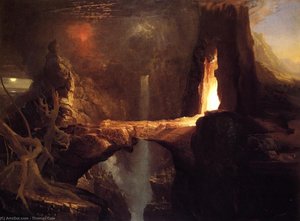 გაძევება. მთვარის და ანათების სხივი1828
 ფლორენციის ხედი სან-მინიატოდან1837
ესეები Self-Portrait-ის შესახებ
 ჯეიმზ უისტლერის 25 შედევრი: ხელოვნების ისტორია თქვენს სახლში | OriginalUniqueArtგაიცანით ჯეიმზ უისტლერის 25 შედევრი! ნოქტიურნები, პორტრეტები და იმპრესიონიზმის სილამაზე. ხელოვნების ისტორია OriginalUniqueArt-ზე - მუზეუმის…
 Mastering the Stroke: The Ultimate Guide to Oil Painting Texture, Impasto, and Artistic Depth for the Modern CollectorUnlock the secrets of oil painting texture. From the sculptural power of impasto to the luminous depth of glazing, our expert guide explore…
 The Art of the Gaze: A Collector's Guide to Mastering Portrait Composition and Emotional DepthMaster the nuances of portrait composition with our expert guide for collectors. Discover how light, gaze, and texture create emotional dep…