გუსტავ მორეუ პორტრეტი

100 ყველაზე ცნობილი გუსტავ მორეუ-ის ნახატი, გალერეის შერჩეული კოლექცია

განახლდა ოქტომბერი 2026 · დალაგებულია ჩვენი პოპულარობის ქულების მიხედვით (ძიება, ნახვა და შეკვეთები თითოეული ნამუშწაროსთვის) · 535 ნამუშევარი გუსტავ მორეუ ჩვენს კატალოგში

მოკლედ რომ ვთქვათ

გუსტავ მორეუ-ის ყველა დატოვებული ორიგინალიდან ყველაზე ცნობილი Oedipus and the Sphinx არის. მისდაក្រោយ ვლინა (1876) და ფაეტონი (1878) მოდიან. ჩვენს კატალოგში გუსტავ მორეუ-ის 535 ნამუშწარებია; გალერეამ შეინافظა ის 100 ნამუშწარო, რომლებსაც მსოფლიო ყველაზე მეტად აღიარებს, რომელთაგან თითოეული წარმოდგენილია თვის, მუზეუმისა და ისტორიის თანხლებით.

1826 – 1898, პარიზი Სიმბოლიზმი ყველაზე მეტი ნამشევრი: Musee Gustave Moreau

გუსტავ მორეუ-ის 10 საუკეთესო ნამუშgeryო: გალერეის არჩევანი

1
Oedipus and the Sphinx ავტორის: გუსტავ მორეუ

Oedipus and the Sphinx

Oil On Canvas

A Mythic Standoff Frozen in Time Oedipus and the Sphinx is far more than a mere depiction of ancient legend; it is a visceral encounter with the unknown. In this monumental work, Gustave Moreau captures the precise, breathless moment of confrontation between the heroic Oedipus and the enigmatic creature that haunts his path. The scene unfolds upon a desolate, rocky precipice, where the isolation of the landscape amplifies the tension…

2
ვლინა (1876) ავტორის: გუსტავ მორეუ

ვლინა

1876 · ზეთი ტილოზე

გუსტავ მორეუს „გამოჩენა“ (1876) არის შედევრი, რომელიც დროს სცდება და სიმბოლიზმის ხელოვნების მომხიბვლელ დისპლეში წმინდას სენსუალურობას აერთიანებს. ეს აკვარელი, რომელიც ორსეს მუზეუმში (Musée d'Orsay) ინახება, ასახავს ბიბლიურ მომენტს, როდესაც სალომე ჰეროდ ანტიპასის წინაშე ცეკვავს და მის ხილვას იოანემა ნათლისმცემლის მოჭრილი თავი აწუხებს. მორეუს რთული კომპოზიცია და ნათელი პალიტრა ქმნის ამქვეყნიურ ატმოსფეროს, რომელიც საუკუნის შემდეგაც კი აუჩლართავად აღფრთოვანებს მაყურებელს.

3
ფაეტონი (1878) ავტორის: გუსტავ მორეუ

ფაეტონი

1878 · ზეთი ტილოზე · ლუვრი, პარიზი

ფაეტონი: მითისა და სიმბოლიზმის სიმფონია გუსტავ მორეს „ფაეტონი“, რომელიც 1878 წელს დასრულდა, სიმბოლიზმის მხატვრობის სუნთქმაგადამკრელი ნიმუშია — ნამუშევარი, რომელიც მხოლოდ რეალობის ასახვას სცდება და მიდის მითის, ემოციისა და ადამიანური არსის სიღრმეებში. ამჟამად პარიზის პრესტიჟულ ლუვრის მუზეუმში დაცული ეს ტილოზე ზეთიანი ფერები მაყურებელს დრამატულ და ფსიქოლოგიურად დატვირთულ ნარატივში ეპატიჟება. გადათქმული მითი: უგუნური ამბიციის სცენა წარმოდგენილი ტილო ბერძნული მითოლოგიის კულმინაციურ მომენტს ასახავს, როდესაც ფაეტონი, მზის ღმერთ ჰელიოსის ვაჟი, ცდილობს მამის ეტლს ცისკენ…

4
The Mermaids, circa 1885 ავტორის: გუსტავ მორეუ

The Mermaids, circa 1885

ზეთი ტილოზე · გრანდ პალასი, Paris

An Underwater Odyssey of the Soul Gustave Moreau’s The Mermaids, painted around 1885, is far more than a mere maritime fantasy; it is a profound gateway into the heart of the Symbolist movement. As viewers descend into this opulent underwater realm, they encounter a trio of mermaids whose presence transcends simple myth.Inspired by the epic tales of Homer’s Odyssey, Moreau reimagines the perilous encounter between Odysseus and the Sirens not…

5
სალომე იოანემაწამებლის თავით (1876) ავტორის: გუსტავ მორეუ

სალომე იოანემაწამებლის თავით

1876 · აკრილი ტილოზე · მეტროპოლიტენის ხელოვნების მუზეუმი, ნიუ-იორკი

გუსტავ მორეს 1876 წლის ზეთოვანი ფერწერას, „სალომე, იოანემაწამის თავით“, არ წარმოადგენს ტრიუმფის სანახაობას ან შემზარავ დისპლეის; იგი უფრო მეტად ფსიქოლოგიური სივრცის ინტიმური და შემაშფოთებელი კვლევაა. სულ რაღაც 22 x 12 სმ ზომისა და ხეზე შესრულებული ეს მცირე ზომის ტილო უზარმაზარ ძალას ფლობს და ამჟამად ნიუ-იორკის მეტროპოლიტენის ხელოვნების მუზეუმის பார்வையელებს თავდაუვიწყარ შთაბეჭდილებას ტოვებს. მორე ჩვენს თვალწინ არ წარმოაჩენს თავად ქმედებას, არც სალომეს გამარჯვებით ტკბობას; ნაცვლად ამისა, ის გვთავაზობს დროში გაყინულ მომენტს…

6
იასონი და მედეა (1865) ავტორის: გუსტავ მორეუ

იასონი და მედეა

1865 · აკრილი ტილოზე · ლუვრი, პარიზი

მორეუს „იასონი და მედეა“ არ არის უბრალოდ ბერძნული მითოლოგიის გამოსახულება; ეს არის ჩაძირვა სამყაროში, სადაც სიბნელე დომინირებს, რომელიც გაჯერებულია შიშის მომგვრელი სილამაზის ციმციмами. 1865 წელს, სიმბოლიზმის აღმავლობის პერიოდში დახატული ეს მონუმენტური ტილო აღემატება უბრალო მოყოლას; ის მიზნად ისახავს ღრმა ფსიქოლოგიურ მდგომარეობებს — შიშს, ვნებას და საბოლოოდ, სასოწარკვეთას — გადმოცემას მეტად დახვეწილი ვიზუალური ენის საშუალებით. მორეუს ამბიცია არ იყო ჰომერული დიდებულების táiქმნა, არამედ მისი არსის კონცენტრირებული ემოციური პანორამაში გადაქცევა, რაც ასახავს…

7
იუპიტერი და სელენა (1890) ავტორის: გუსტავ მორეუ

იუპიტერი და სელენა

1890 · ზეთი ტილოზე · Musee Gustave Moreau, პარიზი

The air thickens with a heavy, electric tension as the boundary between the mortal and the divine dissolves. Within this space, Jupiter, the king of the gods, sits upon a massive throne, his gaze fixed straight ahead with a severe, wide-eyed intensity. He is not merely a figure of myth but a presence that radiates a terrifying splendor. Draped across his right thigh lies Semele, her body caught in the…

8
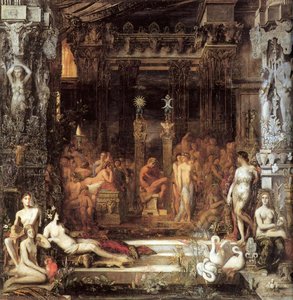
The Daughters of Thespius (1853) ავტორის: გუსტავ მორეუ

The Daughters of Thespius

1853 · Oil On Canvas · Musee Gustave Moreau, პარიზი

A Portal into the Mythic Dreamscape In the heart of nineteenth-century Paris, Gustave Moreau emerged not merely as a painter, but as a weaver of dreams, and nowhere is this more evident than in his monumental work, The Daughters of Thespius. Created in 1853, this breathtaking oil on canvas serves as an early testament to the artist's profound ability to conjure realms that exist at the intersection of reality and…

9
Jupiter and Semele (1895) ავტორის: გუსტავ მორეუ

Jupiter and Semele

1895 · Oil On Canvas

In the grand tapestry of nineteenth-century art, few threads shimmer with as much mystery and nocturnal beauty as Gustave Moreau’s Jupiter and Semele. Completed in 1895, this monumental canvas stands as a cornerstone of the Symbolist movement, embodying a profound fascination with dreamlike imagery and psychological exploration. The painting plunges viewers into a scene brimming with dramatic tension, capturing a pivotal moment from Greek mythology where the celestial and the…

10
გამოვლინება (1876) ავტორის: გუსტავ მორეუ

გამოვლინება

1876 · ზეთი ტილოზე · Fogg Museum, კემბრიჯი

In this oil on canvas, a luminous, floating head occupies the upper center of the frame. A radiant, starburst-like halo of white light surrounds this head, casting beams across the scene. Below this apparition, a woman with long, wavy brown hair stands in an ornate, semi-nude attire. She wears an embroidered open robe, a crown, and various jewels. Her right arm reaches toward the floating figure. To her feet rests…

გუსტავ მორეუ-ის შერჩევა გრძელდება, 11-დან 100-მდე

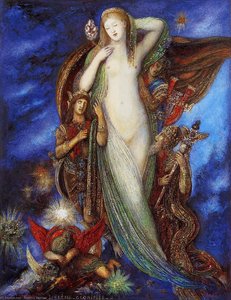
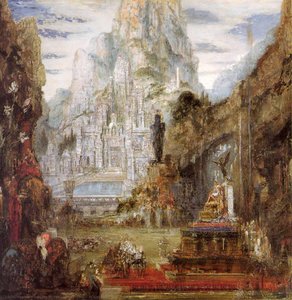
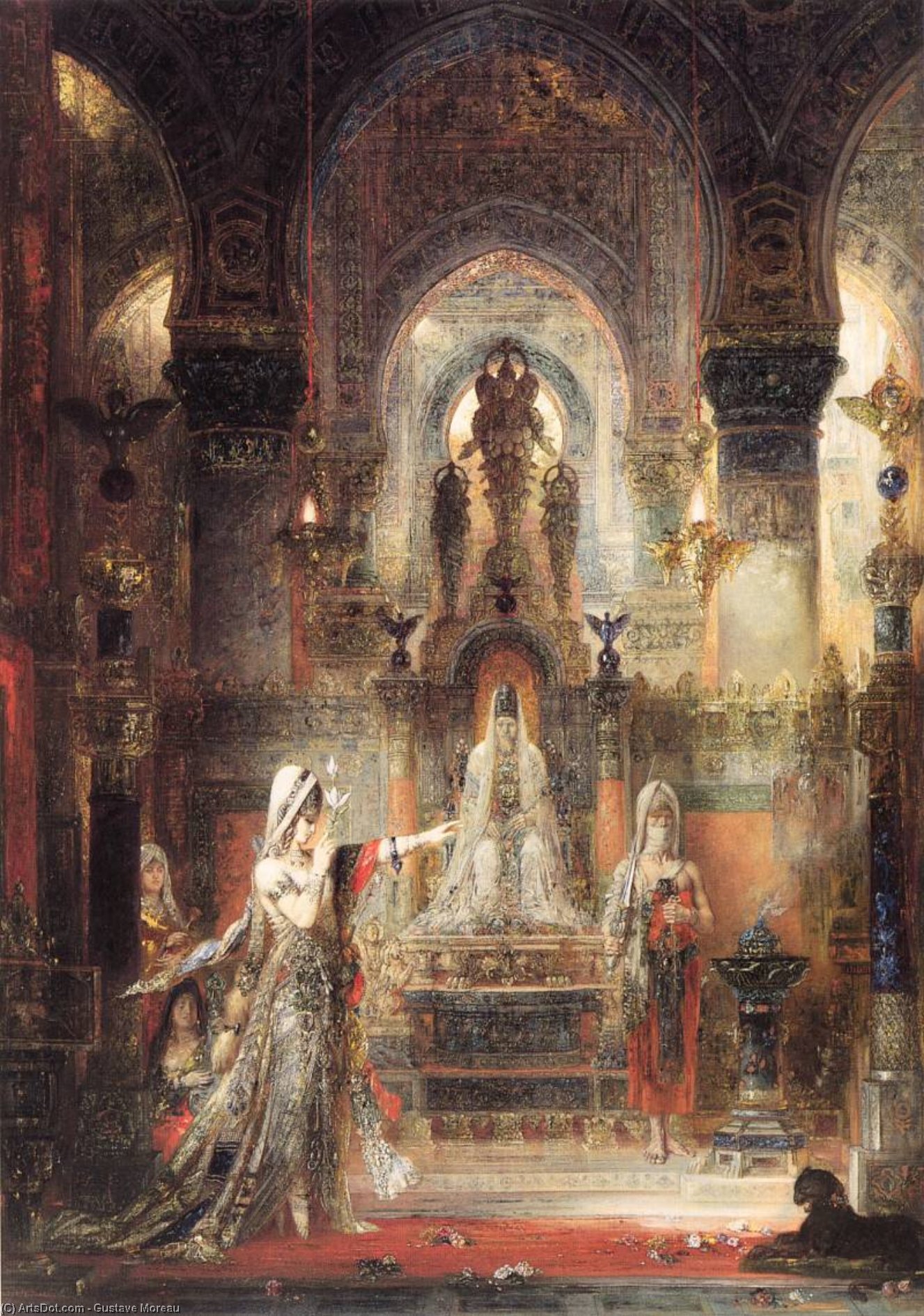
11იაკობი და ანგელოზი (1876) ავტორის: გუსტავ მორეუიაკობი და ანგელოზი1876 · Fogg Museum 12Salome Dancing (1886) ავტორის: გუსტავ მორეუSalome Dancing1886 · Musée d'Orsay 13სალომე ციხეში (1876) ავტორის: გუსტავ მორეუსალომე ციხეში1876 · დასავლეთው მხარეს ხელოვნების ეროვნული მუზეუმი 14Salom Dancing before Herod (1876) ავტორის: გუსტავ მორეუSalom Dancing before Herod1876 · არმანდ ჰამერის სახელობის ხელოვნების მუზეუმი 15The Muses Leaving Their Father Apollo to go and Enlighten th ავტორის: გუსტავ მორეუThe Muses Leaving Their Father Apollo to go and Enlighten thMusee Gustave Moreau 16Hercules and the Lernaean Hydra (1876) ავტორის: გუსტავ მორეუHercules and the Lernaean Hydra1876 · Musee Gustave Moreau 17helene glorifiee ავტორის: გუსტავ მორეუhelene glorifiee 18პიეტა (1854) ავტორის: გუსტავ მორეუპიეტა1854 · შტადელის ხელოვნების ინსტიტუტი და ქალაქის გალერეა 19Sainte Cécile et les Anges de la musique ავტორის: გუსტავ მორეუSainte Cécile et les Anges de la musique 20The Triumph of Alexander the Great (1892) ავტორის: გუსტავ მორეუThe Triumph of Alexander the Great1892 · Musee Gustave Moreau 21Salome Dancing before Herod ავტორის: გუსტავ მორეუSalome Dancing before Herodჰამერის მუზეუმი 22საფოს სიკვდილი (1850) ავტორის: გუსტავ მორეუსაფოს სიკვდილი1850 · Musee Gustave Moreau 23იაკობი და ანგელოზი (1878) ავტორის: გუსტავ მორეუიაკობი და ანგელოზი1878 · Musee Gustave Moreau 24Les Argonautes ავტორის: გუსტავ მორეუLes Argonautes 25The Death of Sappho (1872) ავტორის: გუსტავ მორეუThe Death of Sappho1872 · Musee Municipal 26Pieta ავტორის: გუსტავ მორეუPietaდასავლეთው მხარეს ხელოვნების ეროვნული მუზეუმი 27Hercules and the Hydra (1876) ავტორის: გუსტავ მორეუHercules and the Hydra1876 28The Suitors ავტორის: გუსტავ მორეუThe SuitorsMusee Gustave Moreau 29Prince Hamlet kill King Claudius ავტორის: გუსტავ მორეუPrince Hamlet kill King Claudius 30La Toilette (1885) ავტორის: გუსტავ მორეუLa Toilette1885 · Artizon Museum 31The Sphinx (1864) ავტორის: გუსტავ მორეუThe Sphinx1864 32Jupiter et Sémélé ავტორის: გუსტავ მორეუJupiter et Sémélé 33Ganymede (1886) ავტორის: გუსტავ მორეუGanymede1886 34დამხატავ მალინდა (1875) ავტორის: გუსტავ მორეუდამხატავ მალინდა1875 · Musee Gustave Moreau 35Saint Michael Vanquishing Satan (1882) ავტორის: გუსტავ მორეუSaint Michael Vanquishing Satan1882 36La Vie de l'Humanité l'Age d'or, Adam Le soir. Le Sommeil ავტორის: გუსტავ მორეუLa Vie de l'Humanité l'Age d'or, Adam Le soir. Le Sommeil 37Sappho (1893) ავტორის: გუსტავ მორეუSappho1893 38Les Anges voyageurs ou Les voyageurs ავტორის: გუსტავ მორეუLes Anges voyageurs ou Les voyageurs 39Saint George and the Dragon ავტორის: გუსტავ მორეუSaint George and the Dragon 40Hercule et le Lion de Némée ავტორის: გუსტავ მორეუHercule et le Lion de Némée 41The Birth of Venus ავტორის: გუსტავ მორეუThe Birth of Venus 42Rape of Deianira (1850) ავტორის: გუსტავ მორეუRape of Deianira1850 · Musee Gustave Moreau 43Apollo Vanquishing the Serpent Python (1885) ავტორის: გუსტავ მორეუApollo Vanquishing the Serpent Python1885 · კანადის ეროვნული გალერეა 44Apollo and the Nine Muses ავტორის: გუსტავ მორეუApollo and the Nine Muses 45Prometheus, Variant (1870) ავტორის: გუსტავ მორეუPrometheus, Variant1870 · Musee Gustave Moreau 46Naissance de Vénus ავტორის: გუსტავ მორეუNaissance de Vénus 47Léda ავტორის: გუსტავ მორეუLéda 48Salome with Column (1890) ავტორის: გუსტავ მორეუSalome with Column1890 49სალომე (1875) ავტორის: გუსტავ მორეუსალომე1875 · Musee Gustave Moreau 50Jacob and the Angel ავტორის: გუსტავ მორეუJacob and the Angel 51King David (1878) ავტორის: გუსტავ მორეუKing David1878 · Musee Gustave Moreau 52Pasiphaë (1880) ავტორის: გუსტავ მორეუPasiphaë1880 · Musee Gustave Moreau 53The Peacock complaining to Juno (1881) ავტორის: გუსტავ მორეუThe Peacock complaining to Juno1881 54Salome Carrying the Head of John the Baptist on a Platter (1876) ავტორის: გუსტავ მორეუSalome Carrying the Head of John the Baptist on a Platter1876 55La Vie de l'Humanité l'Age d'or, Adam Le Midi. L'Extase ავტორის: გუსტავ მორეუLa Vie de l'Humanité l'Age d'or, Adam Le Midi. L'Extase 56Hercule et les filles de Thespius ავტორის: გუსტავ მორეუHercule et les filles de Thespius 57St. Elisabeth of Hungary (The Miracle of the Roses) (1879) ავტორის: გუსტავ მორეუSt. Elisabeth of Hungary (The Miracle of the Roses)1879 58L'enlèvement d'Europe ou Jupiter et Europe ავტორის: გუსტავ მორეუL'enlèvement d'Europe ou Jupiter et EuropeMusee Gustave Moreau 59Cleopatra (1887) ავტორის: გუსტავ მორეუCleopatra1887 60Jacob et l'Ange ავტორის: გუსტავ მორეუJacob et l'AngeMusee Gustave Moreau 61The Pietà (1867) ავტორის: გუსტავ მორეუThe Pietà1867 · ჰარვარდის ხელოვნების მუზეუმები 62Salome in the Garden (1878) ავტორის: გუსტავ მორეუSalome in the Garden1878 63Bethsabée ავტორის: გუსტავ მორეუBethsabée 64Delilah (1896) ავტორის: გუსტავ მორეუDelilah1896 · პონსეს ხელოვნების მუზეუმი 65Diana bathing (1900) ავტორის: გუსტავ მორეუDiana bathing1900 · Musee Gustave Moreau 66Galatée ავტორის: გუსტავ მორეუGalatée 67Death of Sappho (1870) ავტორის: გუსტავ მორეუDeath of Sappho1870 68Moïse sauvé des eaux ავტორის: გუსტავ მორეუMoïse sauvé des eauxMusee Gustave Moreau 69Les Licornes ავტორის: გუსტავ მორეუLes Licornes 70The Chimera (1867) ავტორის: გუსტავ მორეუThe Chimera1867 · Fogg Art Museum 71Moses, in Sight of the Promised Land, Takes His Sandals Off (1854) ავტორის: გუსტავ მორეუMoses, in Sight of the Promised Land, Takes His Sandals Off1854 · Musee Gustave Moreau 72Lucretia and Tarquin (1850) ავტორის: გუსტავ მორეუLucretia and Tarquin1850 · Musee Gustave Moreau 73The childhood of Sixtus V. (1853) ავტორის: გუსტავ მორეუThe childhood of Sixtus V.1853 · Musée d'Orsay 74Cléopâtre ავტორის: გუსტავ მორეუCléopâtre 75Hercules and the Stymphalian Birds (1872) ავტორის: გუსტავ მორეუHercules and the Stymphalian Birds1872 · Frances Lehman Loeb Art Center 76The Entombment (1867) ავტორის: გუსტავ მორეუThe Entombment1867 · ჰარვარდის ხელოვნების მუზეუმები 77Sémélé ავტორის: გუსტავ მორეუSémélé 78Life of Humanity (1886) ავტორის: გუსტავ მორეუLife of Humanity1886 · Musee Gustave Moreau 79Evening and Sorrow (1882) ავტორის: გუსტავ მორეუEvening and Sorrow1882 80La Vie de l'Humanité l'Age de fer, Caïn. Le Soir. La Mort ავტორის: გუსტავ მორეუLa Vie de l'Humanité l'Age de fer, Caïn. Le Soir. La Mort 81A Saint in the Desert (1879) ავტორის: გუსტავ მორეუA Saint in the Desert1879 · პატარა პალატა 82The Poet and the Siren ავტორის: გუსტავ მორეუThe Poet and the Siren 83Françoise de Rimini ავტორის: გუსტავ მორეუFrançoise de Rimini 84Ebauche pour Le Triomphe d'Alexandre le Grand ავტორის: გუსტავ მორეუEbauche pour Le Triomphe d'Alexandre le Grand 85Saint Martin (1882) ავტორის: გუსტავ მორეუSaint Martin1882 86Young Man and Death (1865) ავტორის: გუსტავ მორეუYoung Man and Death1865 87The Magi (1860) ავტორის: გუსტავ მორეუThe Magi1860 · Musee Gustave Moreau 88Diomedes Devoured by His Horses (1865) ავტორის: გუსტავ მორეუDiomedes Devoured by His Horses1865 · დეტროიტის ხელოვნების ინსტიტუტი 89untitled (6379) ავტორის: გუსტავ მორეუuntitled (6379) 90Rose thé ავტორის: გუსტავ მორეუRose thé 91Hercules and the Lernaean Hydra (1878) ავტორის: გუსტავ მორეუHercules and the Lernaean Hydra1878 92Voices of Evening (1885) ავტორის: გუსტავ მორეუVoices of Evening1885 · Musee Gustave Moreau 93The Chimera (1867) ავტორის: გუსტავ მორეუThe Chimera1867 94Dalila ავტორის: გუსტავ მორეუDalila 95Diomedes Being Eaten by his Horses (1865) ავტორის: გუსტავ მორეუDiomedes Being Eaten by his Horses1865 96Venice (1885) ავტორის: გუსტავ მორეუVenice1885 · Musee Gustave Moreau 97Les Prétendants ავტორის: გუსტავ მორეუLes Prétendants 98Poète persan ავტორის: გუსტავ მორეუPoète persan 99Mystical Flower (1890) ავტორის: გუსტავ მორეუMystical Flower1890 · Musee Gustave Moreau 100Scottish Horseman (1854) ავტორის: გუსტავ მორეუScottish Horseman1854 · Musee Gustave Moreau

გუსტავ მორეუ-ის ცნობილი სურათები, პერიოდების მიხედვით

სუბიექტები, რომლებმაც გუსტავ მორეუ-ის ყურადღება მიიპყრო

ამ ორიგინალებში ყველაზე ხშირად განმეორებადი არის 네 თემა, რომელთაგან თითოეულს თავისი საუკეთესო ნიმუში წარმოგვიდგება.

მუზეუმები, სადაც გუსტავ მორეუ-ის ორიგინალები ინახება

ამ გვერდზე წარმოდგენილი მხატვრობის შედეგების უმეტესობას 8 მუზეუმი ინახავს.

მუზეუმი ქალაქი გუსტავ მორეუ შემოქმედებაలు ამ სიიდან მოპოვებული ნახატები
Musee Gustave Moreau, პარიზიMusee Gustave Moreau პარიზი 88 იუპიტერი და სელენა, The Daughters of Thespius, The Muses Leaving Their Father Apollo to go and Enlighten th
Musée d'Orsay, პარიზიMusée d'Orsay პარიზი 7 Salome Dancing, The childhood of Sixtus V.
Fogg Museum, კემბრიჯიFogg Museum კემბრიჯი 5 გამოვლინება, იაკობი და ანგელოზი
დასავლეთው მხარეს ხელოვნების ეროვნული მუზეუმი, ტოკიოდასავლეთው მხარეს ხელოვნების ეროვნული მუზეუმი ტოკიო 3 სალომე ციხეში, Pieta
ჰარვარდის ხელოვნების მუზეუმები, კემბრიჯიჰარვარდის ხელოვნების მუზეუმები კემბრიჯი 3 The Pietà, The Entombment
ლუვრი, პარიზილუვრი პარიზი 2 ფაეტონი, იასონი და მედეა
მეტროპოლიტენის ხელოვნების მუზეუმი, ნიუ-იორკიმეტროპოლიტენის ხელოვნების მუზეუმი ნიუ-იორკი 2 სალომე იოანემაწამებლის თავით
პატარა პალატა, პარიზიპატარა პალატა პარიზი 2 A Saint in the Desert

გუსტავ მორეუ ათწლეულების მიხედვით: ორიგინალი, რომელიც განსაზღვრავს თითოეულ მათგანს

ნამუშევრები ათწლეულების მიხედვით

შეარჩიეთ ათწლეული, რათა ნახოთ ის ორიგინალი ნამუშევარი, რომელიც მას განსაზღვრავს.

კოლექციონერთა კითხვები გუსტავ მორეუ-ის ნახატებზე

რა ნამუშწარესით არის ყველაზე ცნობილი გუსტავ მორეუ?გაამჟღავნეთ პასუხი

Oedipus and the Sphinx. შემდეგ მოდიან ვლინა (1876) და ფაეტონი (1878).

რა არის გუსტავ მორეუ-ის 열 иң ცნობილი 열ი ტილო?გაამჟღავნეთ პასუხი

Oedipus and the Sphinx, ვლინა, ფაეტონი, The Mermaids, circa 1885, სალომე იოანემაწამებლის თავით, იასონი და მედეა, იუპიტერი და სელენა, The Daughters of Thespius, Jupiter and Semele და გამოვლინება. ზემოთ მოცემული რეიტინგი ასახავს თითოეულის შემოქმედების წელსა და მუზეუმს.

რამდენი სურათი დატოვა გუსტავ მორეუ-მა?გაამჟღავნეთ პასუხი

ჩვენს კატალოგში წარმოდგენილია 535 ნამუშწევრი გუსტავ მორეუ-ისგან, დათარიღებული 1850-დან 1896-მდე.

რომელ მუზეუმებშია და hangs გუსტავ მორეუ-ის შედევრული ნამუშევრები?გაამჟღავნეთ პასუხი

ძირითადად Musee Gustave Moreau (პარიზი), Musée d'Orsay (პარიზი) და Fogg Museum (კემბრიჯი)-ში. ზემოთ მოცემულ მუზეუმების ცხრილში ისინი ყველა listed.

მათ რომელ წლებში შექმნა გუსტავ მორეუ-მა ყველაზე ცნობილი ნამუშევრები?გაამჟღავნეთ პასუხი

1870s-ში: ამ გვერდზე წარმოდგენილი 100 ნამუშწარwerksიდან 22 შეიქმნა მაშინ, მათგან ვლინა.

რა არის გუსტავ მორეუ-ის პირველი და ბოლო ცნობილი ორიგინალი?გაამჟღავნეთ პასუხი

ამ გვერდზე ყველაზე ადრეული არის საფოს სიკვდილი (1850), ხოლო ყველაზე გვიანდელი — Delilah (1896).

რომელ თემებს ირჩევდა გუსტავ მორეუ ყველაზე ხშირად?გაამჟღავნეთ პასუხი

Mythology (50), Religion (12) და Fantasy (11), ამ გვერდზე წარმოდგენილ 100 ნამუშწარეს შორის.

რომელ ტექნიკას იყენებდა გუსტავ მორეუ ყველაზე ხშირად?გაამჟღავნეთ პასუხი

Oil On Canvas, ამ გვერდზე არსებული 100 ნამუშწაროსგან 39 ცალიდან.

რა ხელოვნების მიმართულებას მიეკუთვნება გუსტავ მორეუ?გაამჟღავნეთ პასუხი

Სიმბოლიზმი, ამ გვერდზე წარმოდგენილი ორიგინალების მიხედვით.

გუსტავ მორეუ-ის რომელ ნამუშევრებს ჰქ나 Musee Gustave Moreau-ში?გაამჟღავნეთ პასუხი

იუპიტერი და სელენა, The Daughters of Thespius და The Muses Leaving Their Father Apollo to go and Enlighten th: Musee Gustave Moreau, პარიზი-ში წარმოდგენილია ამ გვერდზე მოცემული ნამუშევრების 26 ცალი.

შემიძლია შევუკვეთო გუსტავ მორეუ-ის ნახატის რეპროდუქცია?გაამჟღავნეთ პასუხი

დიახ, როგორც რეპროდუქცია: ორიგინალი რჩება თავის მუზეუმში, თუმცა ამ გვერდზე წარმოდგენილი ნებისმიერი სურათი შეგიძლიათ შეუკვეთოთ ხელნაკეთად, ინდივიდუალურად, სურათის საკუთარი გვერდიდან.

გუსტავ მორეუ: ცხოვრება და შემოქმედება

The Life and Art of Gustave Moreau

Gustave Moreau was a French artist who lived a life deeply connected to the streets of Paris. Born in the city on April 6, 1826, he spent his years navigating the shifting currents of the nineteenth century. He was a central figure in the Symbolist movement, a period that looked away from the literal world to find meaning in the unseen. His work was not a pursuit of mere imitation, but an attempt to give form to the internal landscape of the human psyche.

His output was immense. Throughout his life, he produced over 15,000 paintings, watercolors, and drawings. This vast collection reflects a man who was constantly translating myth and religion into a personal visual language. He worked with an intensity that saw him create a massive body of work before he passed away in Paris on April 18, 1898.

His art often focused on the heavy, psychological weight of ancient stories. Rather than simply illustrating a scene, he sought to capture the spiritual essence of his subjects. This approach made him a singular voice in a time when many of his peers were focused on the fleeting light of the natural world. His dedication to this inward exploration left behind a profound record of the human soul.

Early Life, Family and Training

Born into a bourgeois family in Paris, France, Gustave Moreau grew up in a household where structure and melody met. His father, Louis Jean Marie Moreau, worked as an architect and archivist, providing a sense of order and historical depth to their home. His mother, Adèle-Pauline Desmoutier, was a musician, and her influence added a rhythmic sensibility to the family's atmosphere. From a very young age, Gustave showed a natural talent for drawing, a gift that seemed to emerge almost instinctively as he explored the world around him.

His formal education began at Collège Rollin, which is known today as Collège-lycée Jacques-Decour. This early schooling provided the foundation for his later, more specialized studies. He eventually entered the École des Beaux-Arts, where he underwent rigorous academic training. It was here that he studied under figures such as François-Édouard Picot, learning the technical discipline required to master the classical traditions of his time.

Artistic Development and Italian Travels

By the 1850s, Moreau felt the pull of the past, a need to understand the foundations of the art he so deeply respected. This led him to Italy, a period that would fundamentally reshape his vision. He did not merely observe the works of the masters; he lived among them, spending his time making hundreds of copies and studies of Old Master paintings. These were not simple exercises for him. Through the act of replication, he sought to absorb the secrets of composition and the psychological depth found in the works of Michelangelo and Leonardo da Vinci. He studied their anatomy and their ability to capture the human spirit, absorbing their techniques to build his own visual language.

While the Italian masters provided a structural foundation, other influences added a layer of emotional intensity to his developing style. He found himself drawn to the dramatic use of color seen in the works of Eugène Delacroix. This fascination with how color could convey narrative and feeling became a cornerstone of his approach. He was not interested in the objective reality of the world around him, but rather in how light and pigment could express the internal movements of the soul. His time in Italy allowed him to synthesize these diverse influences, blending the classical precision of the Renaissance with a more modern, expressive use of color.

Technique and Symbolic Style

Moreau’s approach to the canvas was a slow, deliberate process. He favored a meticulous layering of paint, building up surfaces that possessed a heavy, physical presence. This method allowed him to create rich textures that seemed to hold light within them. To deepen the spiritual weight of his subjects, he often incorporated gold leaf, a choice that lent his scenes a Byzantine quality. He was less interested in the surface of the natural world and more focused on the expressive power of color and form to convey a specific mood or a hidden meaning.

His paintings are filled with a dense language of symbols. A serpent might appear to represent temptation, while jewels are used to signify earthly desires. These elements do not merely decorate the scene; they act as visual cues for the viewer to look toward the psychological or the spiritual. Through this intricate detail, he built a dreamlike atmosphere where the boundaries of reality felt thin. The figures in his work often seem to exist in a state of suspension, caught between the physical and the ethereal.

Notable Masterpieces and Works

Many of Moreau's most recognized paintings emerged from his deep interest in the stories of antiquity and the Bible. In 1864, he exhibited Oedipus and the Sphinx, a work that helped establish his reputation. His fascination with the figure of Salome led to several different interpretations. One of his most famous works is Salome Dancing before Herod, which captures the tension of the biblical narrative through his unique, detailed approach. He also produced The Apparition between 1874 and 1876, a piece that highlights the strange, dreamlike atmosphere he often sought to create.

As his career progressed, his compositions grew in complexity. In 1885, he painted Voices of Evening, a watercolor that demonstrates his ability to use soft textures to convey a sense of spiritual quietude. Later in his life, in 1895, he completed Jupiter and Semele, a work that reflects the grand, mythological scale he favored. His canvases often felt less like windows into a real room and more like stages for the subconscious, where light and shadow worked together to suggest something beyond the physical world.

Circle, Pupils and Teaching

In his later years, Moreau moved from the quiet seclusion of his studio into the classroom. In 1893, he accepted a professorship at the École des Beaux-Arts, a position that allowed him to pass his ideas to a new generation of painters. He did not teach his students to merely mimic his hand or his specific way of applying paint. Instead, he encouraged them to look inward. He urged them to embrace their own imagination and to find their own unique modes of individual expression, pushing them to move beyond the rigid rules of the academy.

This emphasis on the internal life of the artist left a mark on many who sat in his lectures. Among those who studied under him was Henri Matisse, who would go on to reshape the landscape of modern art. Georges Rouault was another of his pupils, absorbing the lessons of symbolism and personal vision that Moreau championed. Through these students, his belief in the importance of the subconscious and the spiritual became a part of the broader evolution of French painting.

Legacy and Enduring Influence

By the 1890s, Moreau had become a central figure in the Symbolist movement. He did not seek the spotlight, yet his presence was felt deeply by those who followed him. His influence reached into the classrooms of the École des Beaux-Arts, where he encouraged his students to look inward and embrace their own imagination. This focus on individual expression helped pave the way for the modern art that would emerge in the decades following his death.

While his specific style was sometimes met with mixed reactions during his lifetime, his importance was recognized again in the latter half of the 20th century. This period saw a significant reevaluation of his work, as people looked past the surface to find the psychological depth he had spent his life exploring. He is now widely regarded as a precursor to modern art, a man who helped shift the focus of painting from the external world to the internal soul.

The Musée Gustave Moreau in Paris remains a place where his vision is preserved. The building itself, which he helped transform into a museum, keeps his memory alive in the very space where he lived and worked. It is a quiet place that holds the weight of his many years of study and creation.

Where to See the Works Today

To experience his art in the most intimate way, one can visit the Musée Gustave Moreau in Paris, France. This museum is housed in the very building that served as his home and studio. Walking through these spaces allows you to see the environment where he lived and worked, providing a direct connection to his daily life and creative process.

Beyond his personal residence, several major institutions hold his paintings. In Paris, the Louvre also maintains two of his works in its collection. For those traveling further, the Metropolitan Museum of Art in New York holds two more of his paintings, allowing his vision to reach audiences far beyond the streets of France.

ყველა 535 ნამუშევარი, რომელიც შემოქმედებითად ეკუთვნის გუსტავ მორეუ →