ენდი უორჰოლი პორტრეტი

100 ყველაზე ცნობილი ენდი უორჰოლი-ის ნახატი, გალერეის შერჩეული კოლექცია

განახლდა ოქტომბერი 2026 · დალაგებულია ჩვენი პოპულარობის ქულების მიხედვით (ძიება, ნახვა და შეკვეთები თითოეული ნამუშწაროსთვის) · 428 ნამუშევარი ენდი უორჰოლი ჩვენს კატალოგში

მოკლედ რომ ვთქვათ

ენდი უორჰოლი-ის ყველა დატოვებული ორიგინალიდან ყველაზე ცნობილია კამბელის სუპის ქილები (1962), რომელიც ნიუ-იორკი-ში მდებარე MOMA - მოდერნ არტის მუზეუმი-ის კოლექციაშია. მისდაក្រោយ რეკვიემი ხატისთვის: ვარჰოლის *მარილინის დიპტიქის* დეკოდირება Andy Warhol-ის 1962 წლის *მარილინ დიპტიქი* მხოლოდ პორტრეტი არ არის; ეს მონუმენტური განცხადებაა ცნობილობის, სიკვდილისა და მასობრივი მედიის ზრდის შესახებ. მერილინ მონროს ტრაგიკული გარდაცვალების შე (1962) და White car crash 19 times, Private (1963) მოდიან. ჩვენს კატალოგში ენდი უორჰოლი-ის 428 ნამუშწარებია; გალერეამ შეინافظა ის 100 ნამუშწარო, რომლებსაც მსოფლიო ყველაზე მეტად აღიარებს, რომელთაგან თითოეული წარმოდგენილია თვის, მუზეუმისა და ისტორიის თანხლებით.

1928 – 1987, პიტსბურგი Პოპ-არტი ყველაზე მეტი ნამشევრი: ჩიკაგოს ხელოვნების ინსტიტუტი

ენდი უორჰოლი-ის 10 საუკეთესო ნამუშgeryო: გალერეის არჩევანი

1
კამბელის სუპის ქილები (1962) ავტორის: ენდი უორჰოლი

კამბელის სუპის ქილები

1962 · ზეთი ტილოზე · MOMA - მოდერნ არტის მუზეუმი, ნიუ-იორკი

სუბიექტი და იკონოგრაფია ეს საკულტო ნამუშევარი წარმოადგენს ოცდათორმეტი ზედმიწევნით შესრულებული Campbell’s-ის სუპის ქილების ბადეს, რომელთაგან თითოეული ორიგინალური პროდუქციის ხაზის სხვადასხვა გემოს განასახიერებს. ქილები წარმოდგენილია ფრონტალურად, რაც ხაზს უსვამს მათ კომერციულ ბრენდინგსა და ნაცნობ ფორმებს. ყოველდღიური ს ভোক্তা kulttuრის სიმბოლოსავით, ეს ქილები ყოველდღიურ, უბრალო საგნებს ხელოვნების მაღალ სტატუსამდე ამაღლებს და მაყურებელს მოუწოდებს, გადახედოს ზღვარს მაღალკულტურასა და დაბალკულტურას შორის. იდენტური გამოსახულებების რეპეტიცია ხაზს უსვამს მასობრივი წარმოების საქონლის ყველგანმავრცელობას, რაც ძლიერი განცხადებაა მომხმარებლობისა…

2
რეკვიემი ხატისთვის: ვარჰოლის *მარილინის დიპტიქის* დეკოდირება
Andy Warhol-ის 1962 წლის *მარილინ დიპტიქი* მხოლოდ პორტრეტი არ არის; ეს მონუმენტური განცხადებაა ცნობილობის, სიკვდილისა და მასობრივი მედიის ზრდის შესახებ. მერილინ მონროს ტრაგიკული გარდაცვალების შე (1962) ავტორის: ენდი უორჰოლი

რეკვიემი ხატისთვის: ვარჰოლის *მარილინის დიპტიქის* დეკოდირება Andy Warhol-ის 1962 წლის *მარილინ დიპტიქი* მხოლოდ პორტრეტი არ არის; ეს მონუმენტური განცხადებაა ცნობილობის, სიკვდილისა და მასობრივი მედიის ზრდის შესახებ. მერილინ მონროს ტრაგიკული გარდაცვალების შე

1962 · სილ্কგრავირება

ენდი უორჰოლის 1962 წლის ნამუშევარი, *Marilyn Diptych*, არ არის მხოლოდ პორტრეტი; ესაა შთამბეჭდავი განცხადება დიდების, სიკვდილისა და მასობრივი მედიის ძლიერი გავლენის შესახებ. მარilyn მონროს ტრაგიკული გარდაცვალების შემდეგ შექმნილი ეს ტილო უბრალო წარმომადგენლობას აღემატება და ხდება აღმასრულებელი რეფლექსია ცნობილი ადამიანების კულტურისა და მისში არსებულ αντιφάσεις. მისი მასშტაბი – თითქმის ექვსი ფუტი სიმაღლე – იზიდავს მაყურებელს ერთგვარ სამყაროში, სადაც გამოსახულება და რეალობა ურთიერთდაკავშირებულია. ეს არის אייקוניური ნაწილი, რომელიც დღემდე გულისხმობს მრავლობითი ენ观众,…

3
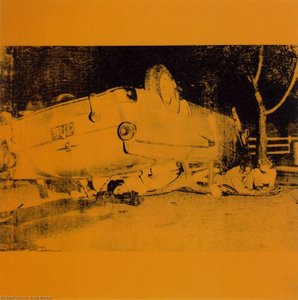
White car crash 19 times, Private (1963) ავტორის: ენდი უორჰოლი

White car crash 19 times, Private

1963 · Silkscreen

Deconstructing Movement: An Exploration of Warhol’s ‘White Car Crash 19 Times’ ‘White Car Crash 19 Times’ (1963) by Andy Warhol is a pivotal work within the Pop Art movement, and a haunting meditation on disaster, media saturation, and the fragmented nature of modern experience. This piece isn't a single image, but rather a grid composed of repeated, almost ghostly depictions of a car crash – specifically, images sourced from police…

4
მერილინი, ლეო კასტელის გალერეა, ნიუ-იორკი (1964) ავტორის: ენდი უორჰოლი

მერილინი, ლეო კასტელის გალერეა, ნიუ-იორკი

1964 · სილ্কგრავირება

მარილინ მონროეს გამოსახულების ხიბლი: ანდი უორჰოლის პოპ-არტის შედევრი ანდი უორჰოლის 1964 წლის "მარილინ, ლეო კასტელის გალერეა, ნიუ-იორკი" არა მხოლოდ ლეგენდარული მსახნიტის გამოსახულებაა, არამედ XX საუკუნის პოპ-კულტურის სიმბოლოდაც ითვლება. ეს არის უორჰოლის ხელოვნების ერთ-ერთი ყველაზე ცნობილი ნაწარმოები, რომელიც კომერციული სახვითი ხელოვნებისა და კლასიკური ფერწერის სინთეზს წარმოადგენს. ტილოზე გამოსახულება მონროეს არსებას ამხატავებს მკვეთად და ხასიათოვანი ფერებით, რაც მას დროის გარშემოცვალებულ შედევრად აქცევს. ფერების სიმ boldness და გრაფიკული სტილი მარილინ მონროეს სახე კომპოზიციის…

5
კემპბელის სუპიანი კონზერვი (ტomatო) ავტორის: ენდი უორჰოლი

კემპბელის სუპიანი კონზერვი (ტomatო)

მელნით შესრულებული ნამუშევრები ქაღალდზე

ენდი უორჰოლის "კამპბელის თხილი (ტomatო)" პოპ-არტის ერთ-ერთი ყველაზე გამორჩეული ნაწარმოებია, რომელიც ჩვეულებრივს გადაქცევს კულტურულ მემკვიდრეობად. ეს ტილო, რომელზეც გამოსახულია მარილ-მწარე თხლის კონზერვის ეტიკეტი, არა მხოლოდ ვიზუალურად მოგვითხრობს ამ პროდუქტის შესახებ, არამედ გვეზიანება საკონ sumerო კულტურის და ყოველდღიური ცხოვრების კომოდიფიკაციის საკითხებზეც. უორჰოლი, თავისი გამორჩეული სტილით, აჩვენებს, როგორ შეუძლიათ ჩვეულებრივ საგნებსაც, ხელოვნების ნაწარმევად იქცნენ და შექმნან ძლიერი კულტურული სიმბოლო.

6
ოქროსფერი მერილინ მონრო ავტორის: ენდი უორჰოლი

ოქროსფერი მერილინ მონრო

აკრილი ტილოზე

სუბიექტი და იკონოგრაფია ეს გამორჩეული ნამუშევარი ასახავს ლეგენდარულ მერილინ მონროეს, რომელიც გლამურის, სილამაზისა და ჰოლივუდის მომხიბვლელობის მარადიულ სიმბოლოს წარმოადგენს. გაბედული, თანამედროვე პერსპექტივიდან შეღებულებული ეს ნამუშევარი ხაზს უსვამს მის სტატუსს, როგორც კულტურულ იკონას და აღძრავს როგორც აღფრთოვანებას, ისე ფიქრებს დიდების წარმავალ ბუნებაზე. მონროეს სახე, რომელიც მკვეთრი კონტრასტებითა და ცოცხალი ფერებით არის გადაწყვეტილი, მაყურებელს მოუწოდებს, დაფიქრდეს სელებრიტულობისა და საზოგადოებრივი აღქმის რთულ ურთიერთობაზე. სტილისტური მიდგომა და ტექნიკა პოპ-არტის გამორჩეული სტილში შექმნილი ეს ნამუშევარი…

7
წითელი რასობრივი არეულობა (1964) ავტორის: ენდი უორჰოლი

წითელი რასობრივი არეულობა

1964 · კოლაჟი

ძლიერი თემატიკა და სოციალური კომენტარი ეს გამორჩეული ნამუშევარი მაყურებელს 1960-იანი წლების სოციალური არეულობისა და რასობრივი დაძაბულობის პირდაპირი, ვიწროთმჭრელი აღწერით აპირისპირებს. ფენებად განლაგებული, კოლაჟის მსგავსი გამოსახულებების მეშვეობით, იგი ასახავს პროტესტის ქაოსსა და დაპირისპირებას, რაც სიმბოლურად გამოხატავს სამოქალაქო უფლებებისა და სამართლიანობისთვის მიმდინარე უფრო ფართო ბრძოლას. მკვეთრი სიუეტები, რომლებიც თვალშისაცემ წითელ ფონზეა მოთავსებული, ქმნის გადაუდებლობისა და ემოციური ინტენსივობის შეგრძნებას, რაც მაყურებელს ეპატიჟებს დაფიქრდეს წინააღმდეგობის, ძალადობისა და საზოგადოებრივი არეულობის მარადიულ თემებზე. მისი პროვოკაციული შინაარსი…

8
ტრიპლ ელვის (1963) ავტორის: ენდი უორჰოლი

ტრიპლ ელვის

1963 · სილ্কგრავირება

Subject and Iconography This striking artwork features a triptych of Elvis Presley, the legendary King of Rock and Roll, captured in a bold, high-contrast style. The repeated image emphasizes Elvis’s status as a cultural icon, symbolizing fame, rebellion, and the transformative power of music. The central figure’s intense gaze and commanding posture evoke a sense of charisma and timeless allure, inviting viewers to reflect on the enduring impact of celebrity…

9
მიკი ავტორის: ენდი უორჰოლი

მიკი

აკრილი ტილოზე

პოპ-ხატის ახლებური ხედვა: ენდი ვარჰოლის „მიკი“ ენდი ვარჰოლის 1982 წლის ნამუშევარი, „მიკი“, პოპ-არტის იმ უნარის ქ klassischen მაგალითია, რომლის მეშვეობითაც მას შეუძლია პოპულარული კულტურა მაღალხელოვნების სფეროში ატ mengangkatოს. ეს ცოცხალი და მყისიერად ამნობადი ნამუშ एग्जामपुर არ არის მხოლოდ მიკი მაუსის გამოსახულება; იგი ახდენს სიმბოლური ფიგურის დეკონსტრუქციასა და ხელახალ წარდგენას, რაც მაყურებელს აიძულებს დაფიქრდეს მომხმარებლობის, სელებრიტეტისა და თანამედროვე საზოგადოებაში გამოსახულების რეპროდუცირების ბუნებაზე. საყვარელი პერსონაჟის დეკონსტრუქცია ნამუშევარში მიკი მაუსის თამამი ვერსია წარმოდგენილია…

10
ახალი სული (დონალდ დიუკი) ავტორის: ენდი უორჰოლი

ახალი სული (დონალდ დიუკი)

ზეთი ტილოზე

A Playful Reimagining: Warhol’s ‘The New Spirit (Donald Duck)’ Andy Warhol's *The New Spirit (Donald Duck)* is a vibrant and instantly recognizable example of Pop Art at its most compelling. Created in 1986 as part of his “Myths” series, this work doesn’t simply depict the beloved Disney character; it elevates him to the status of an icon, examining our cultural fascination with celebrity and mass-produced imagery. The artwork presents a…

ენდი უორჰოლი-ის შერჩევა გრძელდება, 11-დან 100-მდე

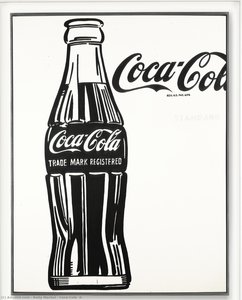
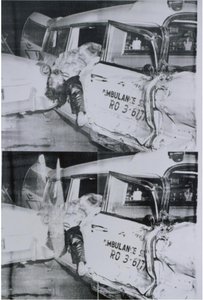
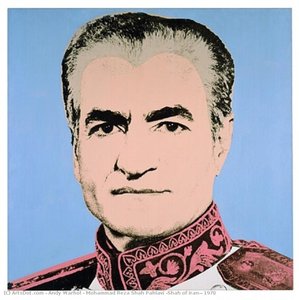
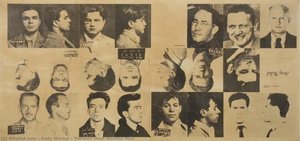
11ხუთი სიკვდილი (1963) ავტორის: ენდი უორჰოლიხუთი სიკვდილი1963 12ჩე გევარა ავტორის: ენდი უორჰოლიჩე გევარა 13ენდი უორჰოლიმ მფლობელი დაწყო კარიერა კომერციული ილუსტრატორისად ნიუ-იორკში ავტორის: ენდი უორჰოლიენდი უორჰოლიმ მფლობელი დაწყო კარიერა კომერციული ილუსტრატორისად ნიუ-იორკში 14სავანდაფერი ანდრი უორჰოლი (1986) ავტორის: ენდი უორჰოლისავანდაფერი ანდრი უორჰოლი1986 15ზებარა ავტორის: ენდი უორჰოლიზებარა 16ყვავილები ავტორის: ენდი უორჰოლიყვავილებიჩიკაგოს ხელოვნების ინსტიტუტი 17გოთე (Gothe) (1982) ავტორის: ენდი უორჰოლიგოთე (Gothe)1982 · The Andy Warhol Foundation for the Visual Arts 18ფლ্যাশ—22 ნოემბერი, 1963 (1968) ავტორის: ენდი უორჰოლიფლ্যাশ—22 ნოემბერი, 19631968 19უტიტლული (3257) ავტორის: ენდი უორჰოლიუტიტლული (3257)Ulyanovsk Oblast Art Museum 20ბაჭია ავტორის: ენდი უორჰოლიბაჭია 21Pat Hearn (1985) ავტორის: ენდი უორჰოლიPat Hearn1985 · ჩიკაგოს ხელოვნების ინსტიტუტი 22დეიბி ჰარი (1980) ავტორის: ენდი უორჰოლიდეიბி ჰარი1980 23მarlon brando (1966) ავტორის: ენდი უორჰოლიმarlon brando1966 24ვესᅱவியუს ავტორის: ენდი უორჰოლივესᅱவியუს 25Pat Hearn (1985) ავტორის: ენდი უორჰოლიPat Hearn1985 · ჩიკაგოს ხელოვნების ინსტიტუტი 26Coca-Cola (3) (1962) ავტორის: ენდი უორჰოლიCoca-Cola (3)1962 27მარილინ ავტორის: ენდი უორჰოლიმარილინ 28მაიკლ ჯექსონი ავტორის: ენდი უორჰოლიმაიკლ ჯექსონი 29ყვავილები ავტორის: ენდი უორჰოლიყვავილებიჩიკაგოს ხელოვნების ინსტიტუტი 30ფლ্যাশ—ნოემბერი 22, 1963 (1968) ავტორის: ენდი უორჰოლიფლ্যাশ—ნოემბერი 22, 19631968 31ის ნიჭი (1981) ავტორის: ენდი უორჰოლიის ნიჭი1981 32Black Lenin ავტორის: ენდი უორჰოლიBlack Lenin 33შანელი ავტორის: ენდი უორჰოლიშანელი 34The Witch (1981) ავტორის: ენდი უორჰოლიThe Witch1981 35(untitled) მზეზე (1972) ავტორის: ენდი უორჰოლი(untitled) მზეზე1972 36სუპერმენი (1981) ავტორის: ენდი უორჰოლისუპერმენი1981 37მაო (1972) ავტორის: ენდი უორჰოლიმაო1972 · Lentos Kunstmuseum Linz 38მაო ავტორის: ენდი უორჰოლიმაო 39Campbells ავტორის: ენდი უორჰოლიCampbells 40ლი자 მინელი (1979) ავტორის: ენდი უორჰოლილი자 მინელი1979 41Sixteen Jackies (1964) ავტორის: ენდი უორჰოლიSixteen Jackies1964 42Beethoven (1987) ავტორის: ენდი უორჰოლიBeethoven1987 43Ambulance Disaster (1964) ავტორის: ენდი უორჰოლიAmbulance Disaster1964 44ოთხი მონა ლიზა (1978) ავტორის: ენდი უორჰოლიოთხი მონა ლიზა1978 · ჩიკაგოს ხელოვნების ინსტიტუტი 45ელვის პრესლი ავტორის: ენდი უორჰოლიელვის პრესლი 46მხატვარეთა პორტრეტები (1967) ავტორის: ენდი უორჰოლიმხატვარეთა პორტრეტები1967 47კამփელსის სოპის ამოცნობები (1962) ავტორის: ენდი უორჰოლიკამփელსის სოპის ამოცნობები1962 · MOMA - მოდერნ არტის მუზეუმი 48მარilyn (1967) ავტორის: ენდი უორჰოლიმარilyn1967 · Lentos Kunstmuseum Linz 49ველური უოლდერგრაუნდი ნიკო ავტორის: ენდი უორჰოლიველური უოლდერგრაუნდი ნიკო 50One Hundred and Fifty Multicolored Marilyns (1979) ავტორის: ენდი უორჰოლიOne Hundred and Fifty Multicolored Marilyns1979 · ბილბაოს გუგენჰაიმის მუზეუმი 51Campbell's Soup Cans (1962) ავტორის: ენდი უორჰოლიCampbell's Soup Cans1962 · MOMA - მოდერნ არტის მუზეუმი 52Mick Jagger ავტორის: ენდი უორჰოლიMick Jagger 53Gun ავტორის: ენდი უორჰოლიGun 54მიკ ჯეგერი ავტორის: ენდი უორჰოლიმიკ ჯეგერი 55ჯუდი გარლანდი და ლიზა მინნელი (1979) ავტორის: ენდი უორჰოლიჯუდი გარლანდი და ლიზა მინნელი1979 56ლი兹 ტეილ러 ავტორის: ენდი უორჰოლილი兹 ტეილ러ჩიკაგოს ხელოვნების ინსტიტუტი 57თავისხატვა, პირადი (1986) ავტორის: ენდი უორჰოლითავისხატვა, პირადი1986 58flashed-novembrishvili-22, 1963 (1968) ავტორის: ენდი უორჰოლიflashed-novembrishvili-22, 19631968 59მამი ავტორის: ენდი უორჰოლიმამი 60Μη Τίτλος (Από την Μάριν Λερό) (1967) ავტორის: ენდი უორჰოლიΜη Τίτλος (Από την Μάριν Λερό)1967 61დრაკულა ავტორის: ენდი უორჰოლიდრაკულა 62Self-Portrait ავტორის: ენდი უორჰოლიSelf-Portrait 63Cow ავტორის: ენდი უორჰოლიCow 64Vesuvius (1985) ავტორის: ენდი უორჰოლიVesuvius1985 · კაპოდიმონტის მუზეუმი 65The Last Supper (1986) ავტორის: ენდი უორჰოლიThe Last Supper1986 66ჟურნალი და ისტორია (1983) ავტორის: ენდი უორჰოლიჟურნალი და ისტორია1983 67მშვილდი (1981) ავტორის: ენდი უორჰოლიმშვილდი1981 68ალი ავტორის: ენდი უორჰოლიალი 69Hand (1959) ავტორის: ენდი უორჰოლიHand1959 70Drag Queen ავტორის: ენდი უორჰოლიDrag Queen 71Flash--November 22, 1963 (1968) ავტორის: ენდი უორჰოლიFlash--November 22, 19631968 72Speed Skater (1983) ავტორის: ენდი უორჰოლიSpeed Skater1983 73მაო (1972) ავტორის: ენდი უორჰოლიმაო1972 74მუჰამედ আলী ავტორის: ენდი უორჰოლიმუჰამედ আলী 75ჯამი ვაიეთისПортреტი ავტორის: ენდი უორჰოლიჯამი ვაიეთისПортреტი 76ფსამები ავტორის: ენდი უორჰოლიფსამები 77National Velvet (1963) ავტორის: ენდი უორჰოლიNational Velvet1963 · San Francisco Museum of Modern Art 78Mohammad Reza Shah Pahlavi (Shah of Iran), 1978 (1978) ავტორის: ენდი უორჰოლიMohammad Reza Shah Pahlavi (Shah of Iran), 19781978 79Self-Portrait (1967) ავტორის: ენდი უორჰოლიSelf-Portrait1967 · ბავარიის სახელმწიფო ფერწერის კოლექციები 80ჩრდილი (1981) ავტორის: ენდი უორჰოლიჩრდილი1981 81Beethoven b (1987) ავტორის: ენდი უორჰოლიBeethoven b1987 82მიკი მაუს ავტორის: ენდი უორჰოლიმიკი მაუს 83ინგრიდ ბერგმანი თავისი სხეულით ავტორის: ენდი უორჰოლიინგრიდ ბერგმანი თავისი სხეულით 84ბერმანი - (2405583) ავტორის: ენდი უორჰოლიბერმანი - (2405583) 85A Boy for Meg (1962) ავტორის: ენდი უორჰოლიA Boy for Meg1962 86Suicide ავტორის: ენდი უორჰოლიSuicide 87Marilyn Diptych (1962) ავტორის: ენდი უორჰოლიMarilyn Diptych1962 · Tate Modern 88ყვავილები ავტორის: ენდი უორჰოლიყვავილები 89სავანდაფერი ანდრი ვარჰოლი (1986) ავტორის: ენდი უორჰოლისავანდაფერი ანდრი ვარჰოლი1986 90უტიტლული (დასახელების არმქონე) ს sunset-იდან (1972) ავტორის: ენდი უორჰოლიუტიტლული (დასახელების არმქონე) ს sunset-იდან1972 91Superman (1961) ავტორის: ენდი უორჰოლიSuperman1961 92Blackglama (ჯუდი გარლენდი) ავტორის: ენდი უორჰოლიBlackglama (ჯუდი გარლენდი) 93Love 311 (1983) ავტორის: ენდი უორჰოლიLove 3111983 94Thirteen Most Wanted Men (1964) ავტორის: ენდი უორჰოლიThirteen Most Wanted Men1964 95მაო ავტორის: ენდი უორჰოლიმაო 96Botticelli (dettaglio) ავტორის: ენდი უორჰოლიBotticelli (dettaglio) 97Green Coca-Cola Bottles ავტორის: ენდი უორჰოლიGreen Coca-Cola Bottles 98ნან კემპნერისПортрет (1973) ავტორის: ენდი უორჰოლინან კემპნერისПортрет1973 99Jackie Kennedy III (1966) ავტორის: ენდი უორჰოლიJackie Kennedy III1966 100Self-portrait ავტორის: ენდი უორჰოლიSelf-portraitჩიკაგოს ხელოვნების ინსტიტუტი

ენდი უორჰოლი-ის ცნობილი სურათები, პერიოდების მიხედვით

სუბიექტები, რომლებმაც ენდი უორჰოლი-ის ყურადღება მიიპყრო

ამ ორიგინალებში ყველაზე ხშირად განმეორებადი არის 네 თემა, რომელთაგან თითოეულს თავისი საუკეთესო ნიმუში წარმოგვიდგება.

მუზეუმები, სადაც ენდი უორჰოლი-ის ორიგინალები ინახება

ამ გვერდზე წარმოდგენილი მხატვრობის შედეგების უმეტესობას 8 მუზეუმი ინახავს.

მუზეუმი ქალაქი ენდი უორჰოლი შემოქმედებაలు ამ სიიდან მოპოვებული ნახატები
ჩიკაგოს ხელოვნების ინსტიტუტი, ჩიკაგოჩიკაგოს ხელოვნების ინსტიტუტი ჩიკაგო 12 ყვავილები, Pat Hearn, Pat Hearn
MOMA - მოდერნ არტის მუზეუმი, ნიუ-იორკიMOMA - მოდერნ არტის მუზეუმი ნიუ-იორკი 4 კამბელის სუპის ქილები, კამփელსის სოპის ამოცნობები, Campbell's Soup Cans
Lentos Kunstmuseum Linz, ლინციLentos Kunstmuseum Linz ლინცი 2 მაო, მარilyn
Tate Modern, ლონდონიTate Modern ლონდონი 3 Marilyn Diptych
ბავარიის სახელმწიფო ფერწერის კოლექციები, მუნხენიბავარიის სახელმწიფო ფერწერის კოლექციები მუნხენი 2 Self-Portrait
The Andy Warhol Foundation for the Visual Arts, LondonThe Andy Warhol Foundation for the Visual Arts London 1 გოთე (Gothe)
Ulyanovsk Oblast Art MuseumUlyanovsk Oblast Art Museum 1 უტიტლული (3257)
ბილბაოს გუგენჰაიმის მუზეუმი, ბილბაობილბაოს გუგენჰაიმის მუზეუმი ბილბაო 1 One Hundred and Fifty Multicolored Marilyns

ენდი უორჰოლი ათწლეულების მიხედვით: ორიგინალი, რომელიც განსაზღვრავს თითოეულ მათგანს

ნამუშევრები ათწლეულების მიხედვით

შეარჩიეთ ათწლეული, რათა ნახოთ ის ორიგინალი ნამუშევარი, რომელიც მას განსაზღვრავს.

კოლექციონერთა კითხვები ენდი უორჰოლი-ის ნახატებზე

რა ნამუშწარესით არის ყველაზე ცნობილი ენდი უორჰოლი?გაამჟღავნეთ პასუხი

კამბელის სუპის ქილები (1962), MOMA - მოდერნ არტის მუზეუმი, ნიუ-იორკი. შემდეგ მოდიან რეკვიემი ხატისთვის: ვარჰოლის *მარილინის დიპტიქის* დეკოდირება Andy Warhol-ის 1962 წლის *მარილინ დიპტიქი* მხოლოდ პორტრეტი არ არის; ეს მონუმენტური განცხადებაა ცნობილობის, სიკვდილისა და მასობრივი მედიის ზრდის შესახებ. მერილინ მონროს ტრაგიკული გარდაცვალების შე (1962) და White car crash 19 times, Private (1963).

რამდენage იყო ენდი უორჰოლი, როდესაც შეიქმნა კამბელის სუპის ქილები?გაამჟღავნეთ პასუხი

34 წლის: კამბელის სუპის ქილები შექმნილია 1962 წელს, ხოლო ენდი უორჰოლი დაიბადა 1928 წელს.

რა არის ენდი უორჰოლი-ის 열 иң ცნობილი 열ი ტილო?გაამჟღავნეთ პასუხი

კამბელის სუპის ქილები, რეკვიემი ხატისთვის: ვარჰოლის *მარილინის დიპტიქის* დეკოდირება Andy Warhol-ის 1962 წლის *მარილინ დიპტიქი* მხოლოდ პორტრეტი არ არის; ეს მონუმენტური განცხადებაა ცნობილობის, სიკვდილისა და მასობრივი მედიის ზრდის შესახებ. მერილინ მონროს ტრაგიკული გარდაცვალების შე, White car crash 19 times, Private, მერილინი, ლეო კასტელის გალერეა, ნიუ-იორკი, კემპბელის სუპიანი კონზერვი (ტomatო), ოქროსფერი მერილინ მონრო, წითელი რასობრივი არეულობა, ტრიპლ ელვის, მიკი და ახალი სული (დონალდ დიუკი). ზემოთ მოცემული რეიტინგი ასახავს თითოეულის შემოქმედების წელსა და მუზეუმს.

რამდენი სურათი დატოვა ენდი უორჰოლი-მა?გაამჟღავნეთ პასუხი

ჩვენს კატალოგში წარმოდგენილია 428 ნამუშწევრი ენდი უორჰოლი-ისგან, დათარიღებული 1959-დან 1987-მდე.

რომელ მუზეუმებშია და hangs ენდი უორჰოლი-ის შედევრული ნამუშევრები?გაამჟღავნეთ პასუხი

ძირითადად ჩიკაგოს ხელოვნების ინსტიტუტი (ჩიკაგო), MOMA - მოდერნ არტის მუზეუმი (ნიუ-იორკი) და Lentos Kunstmuseum Linz (ლინცი)-ში. ზემოთ მოცემულ მუზეუმების ცხრილში ისინი ყველა listed.

მათ რომელ წლებში შექმნა ენდი უორჰოლი-მა ყველაზე ცნობილი ნამუშევრები?გაამჟღავნეთ პასუხი

1960s-ში: ამ გვერდზე წარმოდგენილი 100 ნამუშწარwerksიდან 27 შეიქმნა მაშინ, მათგან კამბელის სუპის ქილები.

რა არის ენდი უორჰოლი-ის პირველი და ბოლო ცნობილი ორიგინალი?გაამჟღავნეთ პასუხი

ამ გვერდზე ყველაზე ადრეული არის Hand (1959), ხოლო ყველაზე გვიანდელი — Beethoven (1987).

რომელ თემებს ირჩევდა ენდი უორჰოლი ყველაზე ხშირად?გაამჟღავნეთ პასუხი

Pop art (17), Andy warhol (16) და Celebrity (13), ამ გვერდზე წარმოდგენილ 100 ნამუშწარეს შორის.

რომელ ტექნიკას იყენებდა ენდი უორჰოლი ყველაზე ხშირად?გაამჟღავნეთ პასუხი

Აკრილი ტილოზე, ამ გვერდზე არსებული 100 ნამუშწაროსგან 37 ცალიდან.

რა ხელოვნების მიმართულებას მიეკუთვნება ენდი უორჰოლი?გაამჟღავნეთ პასუხი

Პოპ-არტი, ამ გვერდზე წარმოდგენილი ორიგინალების მიხედვით.

ენდი უორჰოლი-ის რომელ ნამუშევრებს ჰქ나 ჩიკაგოს ხელოვნების ინსტიტუტი-ში?გაამჟღავნეთ პასუხი

ყვავილები, Pat Hearn და Pat Hearn: ჩიკაგოს ხელოვნების ინსტიტუტი, ჩიკაგო-ში წარმოდგენილია ამ გვერდზე მოცემული ნამუშევრების 7 ცალი.

ენდი უორჰოლი: ცხოვრება და შემოქმედება

The Early Life of Andy Warhol

To understand the mechanics of the modern image, one must look back to the industrial grit of Pittsburgh, Pennsylvania. Andy Warhol was born Andrew Warhola Jr. on August 6, 1928, into a working-class environment that lacked any pretense of high culture. He was the youngest of three sons, born to Andrej Warhola and Julia Zavacky Warhola. His parents were immigrants from the European region that is now Slovakia, a background that anchored him in a specific, unvarnished American reality. This lineage provided the foundational tension between the immigrant experience and the consumerist explosion he would later document.

The stability of his early years was cut short by the realities of industrial labor and disease. His father worked in a coal mine, a job that defined the family's economic landscape until his death in 1942 from tubercular peritonitis. This loss occurred when Warhol was only fourteen, a period that stripped away the domestic security of his youth. The household was shaped by the harshness of the Pittsburgh landscape and the sudden absence of a primary provider. These early years were not a prelude to fame, but a period of stark, material necessity.

Childhood Illness and Early Creativity

The visual language that would eventually define a century began with the forced stillness of a sickroom. A childhood bout with Sydenham's chorea, also known as St. Vitus’ Dance, kept him indoors for long stretches. This confinement was not a void; it was a period of intense, focused observation. He spent these days drawing and constructing scrapbooks from Hollywood magazines, absorbing the glossy, manufactured faces of a distant celebrity culture. His mother provided the essential raw material: comic books and movie magazines. These were the first images he learned to decode, establishing a preference for the mass-produced over the unique.

This early immersion in printed media created a specific way of seeing. He did not look at the world through classical lenses but through the saturated, repetitive imagery of the magazine page. His fascination with the camera emerged alongside this visual training. He enjoyed using the family's Kodak Baby Brownie Special camera to capture his surroundings. This interest was taken seriously by his family; his father and brothers built a darkroom in the basement for him. This setup allowed him to move from mere observation to the technical manipulation of images, a skill that would later underpin his entire approach to reproduction.

Formal Training and Commercial Success

Warhol’s transition from a student to a professional was driven by a technical precision learned through formal education. After attending Holmes Elementary School and Schenley High School, he moved into higher studies at the Carnegie Institute of Technology. He graduated in 1949 with a Bachelor of Fine Art in Pictorial Design. This specific training provided the structural foundation for a career that would eventually dismantle the distinction between high art and commercial imagery. He moved to New York City in 1949, carrying the discipline of a designer into the competitive landscape of Manhattan.

His early professional years were defined by high-stakes commercial illustration. He did not start by challenging the status quo; he mastered it. Working for major names like Tiffany & Co., Vogue, and Harper's Bazaar, he learned how brands manufacture desire. His client list was a map of mid-century American consumption, including The New York Times, I. Miller Shoes, Bonavit Teller, Columbia Records, Fleming-Joffe, and NBC. This period of service was not a detour. It was a rigorous apprenticeship in the mechanics of mass distribution and visual branding. He understood the lifecycle of a product before he ever attempted to deconstruct it on a canvas.

The Rise of Pop Art and The Factory

By the 1960s, the shift from illustrating products to treating the products themselves as subjects changed everything. Warhol stopped drawing the brand and started presenting the object. He adopted the silkscreen printing process to mirror the repetitive nature of consumer culture, a method that stripped away the traditional hand of the artist in favor of a mechanical aesthetic. This wasn't about craft; it was about the logic of the assembly line applied to the canvas.

His studio, known as The Factory, functioned as a central point for a specific New York social circle. It was a hub for avant-garde experimentation that pulled together drag queens, poets, bohemians, musicians, and wealthy patrons. This space blurred the lines between private life and public persona, creating a controlled environment where culture was manufactured alongside the art. Between 1963 and 1968, he expanded this experimentation into film, producing over 600 works that challenged how audiences consumed moving images.

Themes of Consumerism and Celebrity

Warhol’s fascination with the pervasive influence of celebrity culture on American society was not a passive observation; it was a dissection of how fame is manufactured and consumed. He understood that a person could be turned into a product through repetition and media saturation. This logic applied equally to the supermarket shelf and the silver screen. By treating the faces of stars like Marilyn Monroe and Elizabeth Taylor with the same mechanical detachment used for commercial goods, he exposed the artificiality of the public persona. He did not merely paint people; he documented the construction of the modern idol.

This obsession with the repetitive nature of consumption extended into the mundane. His depictions of Campbell’s Soup Cans from 1962 turned everyday objects into subjects of high art, mirroring the mass-produced reality of the mid-century American experience. He saw the supermarket as a landscape as significant as any gallery. However, his gaze was not always bright or colorful. He also interrogated the darker, more violent facets of the American experience, producing series that focused on car crashes and electric chairs. These works stripped away the glamour of the media age to reveal the grim reality of the sensationalism that drives public attention.

His influence even bled into the music industry through his management of the rock band The Velvet Underground. This connection further blurred the lines between high art and the gritty, underground pulse of popular culture. He was interested in the way everything—from a soup can to a rock star—could be packaged, branded, and sold to the masses.

Technique and Artistic Methods

Warhol’s impact stems from his deliberate rejection of the traditional artist's hand. He embraced the silkscreen printing process to achieve a flattened, mechanical aesthetic that mirrored the mass production of the consumer goods he depicted. This method allowed for a detachment from manual brushwork, favoring a repetitive, industrial look. In his earlier work, he utilized the 'blotted line' technique, a method that emphasized the graphic quality of his drawings. His approach was never about the singular touch of a creator, but about the efficiency of the machine.

His experimentation extended into the temporal realm through film. He utilized long, unblinking takes in works like Sleep and Empire to challenge how an audience consumes moving images. These static, extended durations forced a confrontation with the medium itself. He also moved through various photographic and cinematic methods, including 35 mm photography and single-frame cinematography. He frequently used a Polaroid Big Shot to capture his subjects, a practice that informed his visual language of immediacy and repetition.

  • Sleep (1963)
  • Empire (1964)

The Attempted Assassination and Later Career

The trajectory of Warhol's career shifted permanently in 1968 when Valerie Solanas entered his Manhattan studio and shot him. This violent intrusion did more than leave lasting physical injuries; it fundamentally altered the mechanics of his operation. The chaotic, social energy of the early Factory era hardened into a more structured, business-oriented enterprise. He moved away from the unpredictable fringes of the underground and toward a more calculated management of his own brand and media presence.

His later years were defined by an aggressive expansion into publishing and television. He founded Interview magazine, a publication that focused on the intersection of film, fashion, and popular culture. This move mirrored his lifelong obsession with the mechanics of fame. He also moved into the living rooms of the public through television shows, including Andy Warhol's TV (1980–83) and Andy Warhol's Fifteen Minutes (1985–87). These projects were not mere diversions; they were extensions of his interest in how images are consumed and broadcast.

Even as he solidified his commercial standing, he maintained a connection to the emerging avant-garde through significant collaborations. He worked alongside young artists Jean-Michel Basquiat and Keith Haring, bridging the gap between his established Pop Art legacy and the next generation of visual expression. This period proved that his influence was not a static relic of the 1960s, but a continuous, evolving force in the media landscape.

The Final Years and Death

By the end of his life, Warhol had long since abandoned the singular identity of a painter. He had become a multi-media entity, moving through photography, publishing, and television with the same mechanical efficiency he once applied to silkscreening. This expansion was not a departure from his interests but a logical progression of his obsession with the image. He was no longer just making art; he was managing a brand that occupied every available screen and page.

The end came abruptly in New York City. Following surgery to remove his gall bladder, he died on February 22, 1987. The cause was cardiac arrhythmia. He was 58 years old. His death marked the conclusion of a career that had successfully merged the high-brow gallery with the mass-produced reality of the supermarket shelf and the television screen.

The Enduring Legacy of Warhol

Warhol remains the most important artist of the second half of the 20th century. He did not merely observe the media age; he interrogated the very nature of what it means to be seen within it. By turning the repetitive textures of consumerism into a visual language, he predicted a reality defined by digital saturation and constant visibility. He is the man who popularized the expression "15 minutes of fame," a concept that has transitioned from a prediction to a fundamental rule of modern existence. His work anticipated the way celebrity and commodity become indistinguishable in a hyper-connected society.

The market recognizes his influence through sheer economic weight. He has been described as the bellwether of the art market, a figure whose output dictates the direction of high-stakes collecting. His ability to bridge the gap between the supermarket shelf and the gallery wall changed how value is assigned to imagery. He moved art away from the internal soul and toward the external, mass-produced object. This shift ensured that his presence would be felt in every corner of contemporary visual culture, from high-end auctions to the filtered aesthetics of social media.

Where to See His Works Today

To encounter the physical reality of his output, one must look to the institutions that preserved his presence. The Andy Warhol Museum in Pittsburgh holds the most significant concentration of his work, standing as the largest museum in the United States dedicated to a single artist. It remains the primary site for those seeking to understand the scale of his production. Beyond the American landscape, his influence is anchored in major international collections. The Tate Modern in London and the Museum of Modern Art in New York City each hold two works, providing essential touchpoints for the study of his visual language. In Europe, the Lentos Kunstmuseum Linz also maintains two pieces in its collection.

These collections offer more than mere viewing; they provide the specific context of his engagement with mass media and celebrity. Seeing his work in these settings allows for a direct confrontation with the mechanical textures he utilized to mirror consumer culture. The presence of his imagery in such diverse geographic locations confirms the reach of his aesthetic. His work exists in these spaces as a record of a specific, media-saturated era.

ყველა 428 ნამუშევარი, რომელიც შემოქმედებითად ეკუთვნის ენდი უორჰოლი →