პოპ-არტი · 1981
The Witch (ენდი უორჰოლი, 1981)
ენდი უორჰოლი (1928–1987)-მა შექმნა The Witch. ის შექმნილ არის 1981 წელს. ის პოპ-არტი მიძღვნილ სტილს მიეკუთვნება. შესრულებულია აკრილი ტილოზე-ით.
- 1981
- აკრილი ტილოზე

 წინასწარი ნახვა

 ხელით შესრულებული ზეთប្រეწერი
 გაგზავნა
 გაზიარება
 სპეცფიკაცია


 ჩამოტვირთვა
 მსგავსები
 რენტგენოგრაფიული კვლევა
 სლაიდშოუ
 კითხვა-პასუხი

 სტატისტიკა
The Witch, მოკლედ
- სათაური
- The Witch
- ავტორი
- ენდი უორჰოლი (1928–1987)
- ხატვის წელი და ადგილი
- პიტსბურგი, ამერიკის შეერთებული შტატები
- თარიღი
- 1981
- ტექნიკა
- აკრილი ტილოზე
- მოძრაობა
- პოპ-არტი
- ეპოქა
- თანამედროვე ეპოქა
- სუბიექტი
- iconography, მითოლოგია, სელებრიტის კულტურა, სქრინპრინტი, პოპ-არტის მოძრაობა, ბრილიანტის მტვერი
რა არის გამოსახული The Witch-ში?
A Wicked Icon Reimagined: Andy Warhol’s “The Witch”
Andy Warhol's 1981 screenprint, “The Witch,” is far more than a simple depiction of a fairytale villain; it’s a vibrant collision of pop culture iconography and the artist’s signature exploration of fame, representation, and the very nature of myth. Emerging from his *Myths* series, this work doesn't merely illustrate the Wicked Witch of the West—it dissects her, re-presenting her through the cool, detached lens of Warhol’s pop aesthetic. The image is instantly recognizable, a bold, graphic rendering that draws directly on our collective memory of Margaret Hamilton’s unforgettable performance in *The Wizard of Oz*. But to see it filtered through Warhol's silkscreen process is to experience the character anew—stripped of narrative context and elevated to the status of a modern icon.
Deconstructing the Myth: Style and Technique
Warhol’s choice of screenprinting as his medium is crucial to understanding “The Witch.” The technique, with its flat planes of color and slightly imperfect registration, lends itself perfectly to the artist's fascination with mass production. It echoes the very mechanisms that create and disseminate celebrity—the endless reproduction of images until they become ingrained in our consciousness. The limited palette – a striking contrast between vibrant green, deep purple, and stark black – amplifies the image’s impact. The witch’s skin is an almost unnatural shade of green, immediately signaling her otherness, while the bold outlines and geometric shapes contribute to the work's graphic quality. Notice how Warhol doesn’t attempt naturalism; instead, he distills the character down to its essential elements: the pointed hat, the exaggerated expression, the menacing glare. The addition of diamond dust further elevates the print, imbuing it with a subtle shimmer that hints at both glamour and artifice.
Beyond Oz: Symbolism and Cultural Resonance
The *Myths* series as a whole reveals Warhol’s interest in archetypes—figures who embody universal themes and anxieties. By selecting characters like Superman, Mickey Mouse, and Dracula alongside the Wicked Witch, he places her within a pantheon of cultural icons. But why this particular witch? Perhaps it's her enduring power as a symbol of female villainy, or maybe Warhol was drawn to the theatricality of Hamilton’s performance. The exaggerated expression—the wide-open mouth frozen in a maniacal laugh—is particularly compelling. It suggests not just malice but also a performative quality, a sense that the witch is *playing* at being wicked. Warhol's work often blurred the lines between reality and representation, and “The Witch” exemplifies this perfectly. He doesn’t simply show us a witch; he shows us an image of a witch, filtered through layers of media and cultural expectation.
A Legacy of Pop Art: Warhol’s Enduring Influence
Andy Warhol fundamentally altered the landscape of 20th-century art. Born in Pittsburgh in 1928 to Slovakian immigrant parents, his early life was marked by illness and a burgeoning interest in drawing. After establishing himself as a successful commercial illustrator in New York, he turned his attention to fine art, embracing the imagery of consumer culture with unparalleled boldness. His silkscreen prints of Campbell’s Soup cans and Marilyn Monroe became instant classics, challenging traditional notions of artistic subject matter and technique. “The Witch,” created towards the end of his life (he passed away in 1987), stands as a testament to his enduring vision—a playful yet profound exploration of image, myth, and the power of pop culture. Owning a reproduction of this iconic work isn’t just acquiring a beautiful piece of art; it's possessing a fragment of cultural history, a vibrant reminder of Warhol’s revolutionary impact on the world.
The Witch-ის მაღალი გარ Auflხ resolución-ის გამოსახულებები

Protected by copyright: these files are for personal reference, not a licence to republish.
ენდი უორჰოლი, The Witch (1981).
კითხვები The Witch-ზე, პასუხები
რა წელში შეიქმნა "The Witch"?
ენდი უორჰოლი-ის „The Witch“ შეიქმნა 1981 წელს.
რა ტექნიკა გამოიყენეს ენდი უორჰოლი-ის „The Witch“-ის შესაქმნელად?
ენდი უორჰოლი-ის „The Witch“-ის მასალა არის აკრილი ტილოზე. რეპროდუქციების მიზანია ამ ტექნიკის ვიზუალური მხარის ზუსტი გადმოცემა.
რას ეხება "The Witch"?
ენდი უორჰოლი-ის „The Witch“-ზე გამოსახულია: iconography, მითოლოგია, სელებრიტის კულტურა, სქრინპრინტი, პოპ-არტის მოძრაობა, ბრილიანტის მტვერი, მარგარეტ ჰამილტონი, ბოროტი ჯადოქარი.
არის თუ არა "The Witch" საავტორო უფლებებისგან თავისუფალი?
ავტორული უფლებების სტატუსი ნამუშევრისთვის ენდი უორჰოლი-ის „The Witch“: ნამუშევარი არის კვლავ დაცულია საავტორო უფლებით. ეს განსაზღვრავს, შესაძლებელია თუ არა გამოსახულების რეპროდუქციის თავისუფლად წარმოება.
ვინ შექმნა "The Witch"?
„The Witch“ მიკუთვნებულია ენდი უორჰოლი-ს.
რომელ ხელოვნების მიმდევრობას მიეკუთვნება ენდი უორჰოლი-ის „The Witch“?
"The Witch" არის პოპ-არტი სტილის ნამუშევარი. აღნიშნული მიმდინარეობა ასახავს იმ მხატვრულ ტრადიციას, რომლის ნაწილიცაა ეს ნამუშევარი.
ენდი უორჰოლი-ის შემოქმედების რომელი პერიოდის ნაწილია "The Witch"?
"The Witch" ენდი უორჰოლი-ის შემოქმედებითი კარიერის მოწიფული პერიოდი პერიოდს განეკუთვნება. ეს კლასიფიკაცია ნამუშევარს ხელოვანის შემოქმედებითი განვითარების ეტაპთან აკავშირებს.
რა ასაკში შექმნა ენდი უორჰოლი-მა „The Witch“?
ენდი უორჰოლი-მა „The Witch“ 53 წლის ასაკში შექმნა. ხელოვანი დაიბადა 1928 წელს, ნამუშევრის თარიღგადასახელება კი 1981-ია.
რატომ არის "The Witch"-ის საავტორო უფლებების სტატუსი სწორედ ასეთი?
ენდი უორჰოლი-ის ნამუშევარი „The Witch“ არის კვლავ დაცულია საავტორო უფლებით. საავტორო უფლებების ვადა ითვლება ხელოვანის გარდაცვალებიდან; ენდი უორჰოლი კი 1987 წელს გარდაიცვალა.
ხელပاتარში: ენდი უორჰოლი

1928–1987, ამერიკის შეერთებული შტატები
ენდი უორჰოლი
The Early Life of Andy Warhol To understand the mechanics of the modern image, one must look back to the industrial grit of Pittsburgh, Pennsylvania. Andy Warhol was born Andrew Warhola Jr. on August 6, 1928, into a working-class environment that lacked any pretense of high culture. He was the youngest of three sons, born to Andrej Warhola and Julia Zavacky Warhola.
ენდი უორჰოლი-ის შესახებ ენდი უორჰოლი-ის გამორჩეული ნამუშევრები
ასევე ენდი უორჰოლი-ის მიერ
 კამბელის სუპის ქილები1962
 რეკვიემი ხატისთვის: ვარჰოლის *მარილინის დიპტიქის* დეკოდირება
Andy Warhol-ის 1962 წლის *მარილინ დიპტიქი* მხოლოდ პორტრეტი არ არის; ეს მონუმენტური განცხადებაა ცნობილობის, სიკვდილისა და მასობრივი მედიის ზრდის შესახებ. მერილინ მონროს ტრაგიკული გარდაცვალების შე1962
 თეთრი ავტოს კატასტროფა 19-ჯერ, Private1963
 მერილინი, ლეო კასტელის გალერეა, ნიუ-იორკი1964
ესეები The Witch-ის შესახებ
 From Ancient Stencils to Andy Warhol: The Surprising History of ScreenprintingDiscover the evolution of screenprinting from ancient stencils to Andy Warhol. Explore the art of the print now.
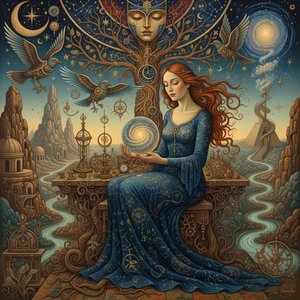 Remedios Varo: A Surrealist Vision of Science, Mysticism & the Female PsycheExplore the captivating world of Remedios Varo, a pioneering Surrealist painter blending science, mysticism & feminist themes. Discover her…
 The Psychology of Playful Imagery: Exploring Humorous and Whimsical Paintings as Catalysts for Emotional Wellbeing and Social ConnectionExplore the psychology of playful art! Discover how humorous & whimsical paintings foster emotional wellbeing & connection. Expert insights…