ჯუზეპე არჩიმბოლდო პორტრეტი

ჯუზეპე არჩიმბოლდო-ის ნახატები: 100 ყველაზე ცნობილი ნამუშევარი, গალერეის თcraftით

განახლდა ნოემბერი 2026 · დალაგებულია ჩვენი პოპულარობის ქულების მიხედვით (ძიება, ნახვა და შეკვეთები თითოეული ნამუშწაროსთვის) · 175 ნამუშევარი ჯუზეპე არჩიმბოლდო ჩვენს კატალოგში

მოკლედ რომ ვთქვათ

გალერეის შეხედულებით, ჯუზეპე არჩიმბოლდო-ის ყველაზე ცნობილი ნამუშწაროა ვერტუმნუსი (ზამთრის ღამე) (1590), რომლის ორიგინალი Skoklosters Slott-ში, ბალსტა-ში hangs. წიგნოსანი (1566) და ზაფხული 1 (1563) ქმნიან იმ ტრიოს, რომელიც ყველამ იცნობს. ჩვენს კატალოგში არსებული ჯუზეპე არჩიმბოლდო-ის 175 ნამუშწაროდან, გალერეა ქვემოთ წარმოგიდგენთ 100 ყველაზე ცნობილ მათგანს; თითოეული მათგანი არის ორიგინალი, რომლის აღწერა მოიცავს შემოქმედების წელს, მუზეუმს და იმ დეტალებს, რაც მას უნიკალურს ხდის.

1527 – 1593, მილანი Მანერიზმი ყველაზე მეტი ნამشევრი: უფიციების გალერეა

გალერეის ჯუზეპე არჩიმბოლდო 10 საუკეთესო ნამი에도

1
ვერტუმნუსი (ზამთრის ღამე) (1590) ავტორის: ჯუზეპე არჩიმბოლდო

ვერტუმნუსი (ზამთრის ღამე)

1590 · ზეთი ტილოზე · Skoklosters Slott, ბალსტა

გიuseppe არკიმბოლდოს "ვერტუმნი" (1590) – ეს არის არა მხოლოდ ტილო, არამედ ერთგვარი ოცნების სამეფო, სადაც ბუნებრივი ფორმები იქმნება ადამიანის სახედ. ეს შედევრი, რომელიც დღეისთვის Skokloster Castle-ში ინახება, წარმოადგენს რენესანსისა და მოგვიანებით ბაროკოს ხანის ერთ-ერთ ყველაზე ორიგინალური და მომხიბლავი ნაწარმოებს. არკიმბოლდო, რომელმაც თავისი ცხოვრება იმპერატორების კარზე გაატარა, შექმნა გამაოგნებელი კომპოზიცია, რომელიც აერთიანებს ხილს, ბოსტნეულს, ყვავილებს და სხვადასხვა მცენარეულ ნაწილებს, რათა წარმოაჩინოს ადამიანის პროფილი – იმპერატორი რუდოლფ II. ეს ტილო არის არტისტიული…

2
წიგნოსანი (1566) ავტორის: ჯუზეპე არჩიმბოლდო

წიგნოსანი

1566 · ზეთი პანელზე

გიuseppe არკიმბოლდოს "ოჯახი", რომელიც დაახლოებით 1566 წელს შეიქმნა, წარმოადგენს მომხიბლავ და საიდუმლოებასთან დამსტურებულ შედევრს. ეს ნაწარმოები, რომელიც შვედეთის სკოკლოსტერის ციხესიმაგრეში ინახება, არკიმბოლდოს უნიკალური გენიალურობის შესანიშნავ მაგალითად გვევლება. ის არის პორტრეტების სერიაში ერთ-ერთი, რომლებიც მთლიანად საგნებითაა შედგენილი – ამ შემთხვევაში, წიგნებით, რომელთა ფრთხილად განლაგებული კომბინაციით ადამიანის ფიგურა იქმნება. ეს ნამუშევარი არა მხოლოდ მხატვრული ნაწარმოებაა, არმედ რენესანსის პერიოდის ინტელექტუალური და კულტურული გარემოს ასახვაცაა.

3
ზაფხული 1 (1563) ავტორის: ჯუზეპე არჩიმბოლდო

ზაფხული 1

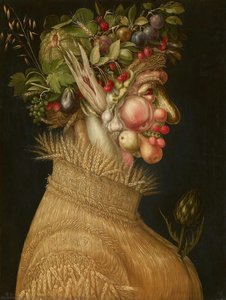
1563 · ზეთი ტილოზე · კუნსტისტორიშეს მუზეუმი, ვენა

ჯუზეპე არჩიმბოლდოს „ზაფხული 1“ არის შედევრი, რომელიც სცდება პორტრეტისა და ნატურმორტის ტრადიციულ საზღვრებს. 1563 წელს შექმნილი ეს მომხიბლავი ნამუშევარი მხატვრის გამჭრიახობისა და რეალიზმისა და ალეგორიული სიღრმის შერწყმის უნარის დასტურია. ამ ნამუშევრის შესწავლისას თქვენ აღმოაჩენთ სამყაროს, სადაც ბუნება და კაცობრიობა ერთმანეთს ებმის და ქმნის ვიზუალურ სიმფონიას, რომელიც ერთდროულადintriguing და ემოციურად რეზონანსულია.

4
მთ შემოდგომა (1572) ავტორის: ჯუზეპე არჩიმბოლდო

მთ შემოდგომა

1572 · ზეთი ტილოზე · დენვერის ხელოვნების მუზეუმი, დენვერი

ჯუზეპე არჩიმბოლდოს 1572 წლის შედევრად ქცეული ნამუშევარი, „შემოდგომა“, სცდება ტრადიციული Still Life-ისა და პორტრეტის საზღვრებს. ეს არის ვიზუალურად მომხიდავი და ინტელექტუალურად სტიმულირებადი კომპოზიცია – ადამიანური პროფილის გონივრულად შექმნილი გამოსახულება, რომელიც მთლიანად მოსავლის სეზონის უხვი სიმდიდრით არის შედგენილი. ეს ნამუშევარი არჩიმბოლდოს გამორჩეულ მხატვრულ ხედვას განასახიერებს, ეჭიდება ტრადიციულ რეპრეზენტაციას და გვიწვევს ფლანგვაზე ადამიანსა და ბუნებას შორის არსებულ ღრმა კავშირზე.

5
불 (Bolisi) ავტორის: ჯუზეპე არჩიმბოლდო

불 (Bolisi)

ზეთი ტილოზე · კუნსტისტორიშეს მუზეუმი, ვენა

Giuseppe Arcimboldo's “The Fire” isn’t merely a painting; it’s an invitation to contemplate the very essence of existence. Born in Milan during a period of profound artistic and intellectual upheaval, Arcimboldo, a master of visual paradox, challenged conventional portraiture with his astonishing ability to construct human likenesses from seemingly disparate objects – in this case, a dramatic assemblage of flames, jewels, and symbolic elements that speaks volumes about the Renaissance…

6
შემოდგომა (1573) ავტორის: ჯუზეპე არჩიმბოლდო

შემოდგომა

1573 · ზეთი ტილოზე · ლუვრი, პარიზი

Giuseppe Arcimboldo’s “Autumn,” painted in 1573, isn’t merely a still life; it’s an audacious declaration of human ingenuity and a profound meditation on the cyclical nature of time. This remarkable work, now residing within the hallowed halls of the Louvre Museum in Paris, transcends the boundaries of traditional portraiture, transforming a single man into a vibrant tapestry of autumnal bounty. Arcimboldo, a master of the Mannerist style, didn’t simply arrange…

7
ყვავილოვანი ნატურმორტი (1591) ავტორის: ჯუზეპე არჩიმბოლდო

ყვავილოვანი ნატურმორტი

1591 · ზეთი ტილოზე

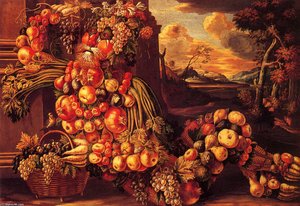
გიუსეპე არკიმბოლდოს 1591 წლის შედევრი, "ყვავილოვანი ნატურმორტი", არის არა მხოლოდ ვიზუალურად შთამთევარი გამოსახულება, არამედ ადამიანისა და ბუნების ურთიერთობის ღრმა ფილოსოფიური მსჯელობა, სილამაზის და სიკვდილის სიმბოლური გამოხატვა ხელოვნურ ფორმებში. მანერისტული პერიოდის განმაპირობებელი ეს ნაწარმოები, ტრადიციულანტა ბეჭედს უხვევს ადამიანური ფიგურების გამოსაჩენს და მას ცოცხალ მცველთაგან შექმნილი სახე-პროფილის კომპოზიციად აქცევს. არკიმბოლდოს უნიკალური სტილი, რომელიც ხშირად გამდიდრებულია სიმბოლოებითა და ალეგორიებით, ამ ნატურმორტს განსაკუთრებულ მნიშვნელობას მინიჭებს.

8
გაზაფხული (1573) ავტორის: ჯუზეპე არჩიმბოლდო

გაზაფხული

1573 · ზეთი ტილოზე · ლუვრი, პარიზი

Giuseppe Arcimboldo’s “Spring,” painted in 1573, is not merely a portrait; it’s an immersive experience, a vibrant testament to the Renaissance fascination with nature, allegory, and the cyclical rhythms of life. This arresting image, now meticulously reproduced on canvas by WahooArt.com, immediately captivates with its audacious composition – a male figure, rendered entirely from an astonishing array of blossoms, fruits, and verdant foliage, his face emerging from a riotous profusion…

9
დედამიწა (1566) ავტორის: ჯუზეპე არჩიმბოლდო

დედამიწა

1566 · ზეთი ტილოზე

This exquisite hand-painted reproduction captures the essence of Giuseppe Arcimboldo's most celebrated works, specifically his 1566 painting "Earth." Measuring 70 x 49 cm, this piece is a testament to Arcimboldo’s unparalleled skill in transforming the mundane into the magnificent – a profound meditation on nature, humanity, and the very fabric of existence. Arcimboldo, born in Milan in 1527, was a pivotal figure within the Italian Renaissance, pushing beyond traditional portraiture…

10
Winter (1573) ავტორის: ჯუზეპე არჩიმბოლდო

Winter

1573 · ზეთი ტილოზე · ლუვრი, პარიზი

Giuseppe Arcimboldo's "Winter," painted in 1573, isn’t merely a portrait; it’s an immersive experience. Within its meticulously constructed frame resides a man – or perhaps a composite of many men – sculpted entirely from the bounty and stark beauty of winter itself. The painting immediately arrests the eye with its audacious composition: a head formed from bare branches, frosted berries, and the ghostly suggestion of snow, all rendered in rich…

ჯუზეპე არჩიმბოლდო-ის ნახატები, რეიტინგით 11-დან 100-მდე

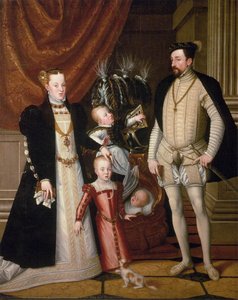
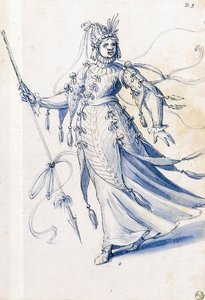
11მიქცევადი თავი ხილის კალთით (1590) ავტორის: ჯუზეპე არჩიმბოლდომიქცევადი თავი ხილის კალთით1590 · French & Company 12მაქსიმილიან II, მისი ცოლი და სამი შვილი (დეტალი) (1563) ავტორის: ჯუზეპე არჩიმბოლდომაქსიმილიან II, მისი ცოლი და სამი შვილი (დეტალი)1563 · კუნსტისტორიშეს მუზეუმი 13The Vegetable Gardener (1587) ავტორის: ჯუზეპე არჩიმბოლდოThe Vegetable Gardener1587 · Museo Civico Ala Ponzone 14Winter (1572) ავტორის: ჯუზეპე არჩიმბოლდოWinter1572 · Menil Collection 15მაქსილიან II, მისი მეუღლე და სამი შვილი (1563) ავტორის: ჯუზეპე არჩიმბოლდომაქსილიან II, მისი მეუღლე და სამი შვილი1563 · კუნსტისტორიშეს მუზეუმი 16Spring (1563) ავტორის: ჯუზეპე არჩიმბოლდოSpring1563 · Королівська академія витончених мистецтв Сан-Фернандо 17ზაფხული (1563) ავტორის: ჯუზეპე არჩიმბოლდოზაფხული1563 · კუნსტისტორიშეს მუზეუმი 18Allegory of Spring (1550) ავტორის: ჯუზეპე არჩიმბოლდოAllegory of Spring1550 · ბავარიის სახელმწიფო ფერწერის კოლექციები 19Summer (1572) ავტორის: ჯუზეპე არჩიმბოლდოSummer1572 · დენვერის ხელოვნების მუზეუმი 20The Four Seasons in one Head (1590) ავტორის: ჯუზეპე არჩიმბოლდოThe Four Seasons in one Head1590 · National Gallery of Art 21Allegorical Portrait- "Summer" (1572) ავტორის: ჯუზეპე არჩიმბოლდოAllegorical Portrait- "Summer"1572 · Denver Art Museum 22Allegory of Autumn (1561) ავტორის: ჯუზეპე არჩიმბოლდოAllegory of Autumn1561 · ბავარიის სახელმწიფო ფერწერის კოლექციები 23L'HIVER ავტორის: ჯუზეპე არჩიმბოლდოL'HIVERლუვრი 24Fire (1566) ავტორის: ჯუზეპე არჩიმბოლდოFire1566 · კუნსტისტორიშეს მუზეუმი 25Scenes from the Old Testament (detail) (1549) ავტორის: ჯუზეპე არჩიმბოლდოScenes from the Old Testament (detail)1549 · მილანის კათედრალი 26Treatise on Silk Culture and Manufacture (Series of Thirteen Drawings, No. 10) (1586) ავტორის: ჯუზეპე არჩიმბოლდოTreatise on Silk Culture and Manufacture (Series of Thirteen Drawings, No. 10)1586 · ბოსტონის fine arts-ის მუზეუმი 27Treatise on Silk Culture and Manufacture (Series of Thirteen Drawings, No. 5, detail) (1586) ავტორის: ჯუზეპე არჩიმბოლდოTreatise on Silk Culture and Manufacture (Series of Thirteen Drawings, No. 5, detail)1586 · ბოსტონის fine arts-ის მუზეუმი 28Costume drawing of a female figure with torch (1585) ავტორის: ჯუზეპე არჩიმბოლდოCostume drawing of a female figure with torch1585 · უფიციების გალერეა 29Le Printemps ავტორის: ჯუზეპე არჩიმბოლდოLe Printempsლუვრი 30Self-Portrait on Paper (detail) (1587) ავტორის: ჯუზეპე არჩიმბოლდოSelf-Portrait on Paper (detail)1587 · Palazzo Rosso 31Costume of the allegorical figure ''Grammar'' (1585) ავტორის: ჯუზეპე არჩიმბოლდოCostume of the allegorical figure ''Grammar''1585 · უფიციების გალერეა 32L'Eté ავტორის: ჯუზეპე არჩიმბოლდოL'Etéლუვრი 33Sketch for a Mask (1585) ავტორის: ჯუზეპე არჩიმბოლდოSketch for a Mask1585 · უფიციების გალერეა 34Treatise on Silk Culture and Manufacture (Series of Thirteen Drawings, No. 12) (1586) ავტორის: ჯუზეპე არჩიმბოლდოTreatise on Silk Culture and Manufacture (Series of Thirteen Drawings, No. 12)1586 · ბოსტონის fine arts-ის მუზეუმი 35Costume of the allegorical figure ''Astrology'' (1585) ავტორის: ჯუზეპე არჩიმბოლდოCostume of the allegorical figure ''Astrology''1585 · უფიციების გალერეა 36Costume of the allegorical figure ''Music'' (1585) ავტორის: ჯუზეპე არჩიმბოლდოCostume of the allegorical figure ''Music''1585 · უფიციების გალერეა 37Self-Portrait (1571) ავტორის: ჯუზეპე არჩიმბოლდოSelf-Portrait1571 · პრაღის ეროვნული გალერეა 38Sketch for a sleigh with figures (1585) ავტორის: ჯუზეპე არჩიმბოლდოSketch for a sleigh with figures1585 · უფიციების გალერეა 39Seated Figure of Summer (1573) ავტორის: ჯუზეპე არჩიმბოლდოSeated Figure of Summer1573 40Costume drawing of a woman with torch (1585) ავტორის: ჯუზეპე არჩიმბოლდოCostume drawing of a woman with torch1585 · უფიციების გალერეა 41Costume of the allegorical figure ''Dialectic'' (1585) ავტორის: ჯუზეპე არჩიმბოლდოCostume of the allegorical figure ''Dialectic''1585 · უფიციების გალერეა 42Nature studies (9) (1575) ავტორის: ჯუზეპე არჩიმბოლდოNature studies (9)1575 · Österreichische Nationalbibliothek 43Bust of a Daughter of Ferdinand I (1563) ავტორის: ჯუზეპე არჩიმბოლდოBust of a Daughter of Ferdinand I1563 · კუნსტისტორიშეს მუზეუმი 44Vertumnus (detail) (1591) ავტორის: ჯუზეპე არჩიმბოლდოVertumnus (detail)1591 · სკოკლოსტერის სასახლე 45Flora (1588) ავტორის: ჯუზეპე არჩიმბოლდოFlora1588 46Bust of a Daughter of Ferdinand I (1563) ავტორის: ჯუზეპე არჩიმბოლდოBust of a Daughter of Ferdinand I1563 · კუნსტისტორიშეს მუზეუმი 47Sketch for a Sleigh Shaped like a Basket of Flowers (1585) ავტორის: ჯუზეპე არჩიმბოლდოSketch for a Sleigh Shaped like a Basket of Flowers1585 · უფიციების გალერეა 48Summer (1573) ავტორის: ჯუზეპე არჩიმბოლდოSummer1573 · ლუვრი 49Costume drawing of a woman bearing a lance (1585) ავტორის: ჯუზეპე არჩიმბოლდოCostume drawing of a woman bearing a lance1585 · უფიციების გალერეა 50Sketch for a sleigh (1585) ავტორის: ჯუზეპე არჩიმბოლდოSketch for a sleigh1585 · უფიციების გალერეა 51Bust of a Daughter of Ferdinand I (1563) ავტორის: ჯუზეპე არჩიმბოლდოBust of a Daughter of Ferdinand I1563 · კუნსტისტორიშეს მუზეუმი 52Study of a Featherless Three-Footed Chick (1571) ავტორის: ჯუზეპე არჩიმბოლდოStudy of a Featherless Three-Footed Chick1571 · Österreichische Nationalbibliothek 53Sketch for a sleigh with figures of sirens (1585) ავტორის: ჯუზეპე არჩიმბოლდოSketch for a sleigh with figures of sirens1585 · უფიციების გალერეა 54Horse harness (1585) ავტორის: ჯუზეპე არჩიმბოლდოHorse harness1585 · უფიციების გალერეა 55Sketch for a sleigh (1585) ავტორის: ჯუზეპე არჩიმბოლდოSketch for a sleigh1585 · უფიციების გალერეა 56The Waiter (1574) ავტორის: ჯუზეპე არჩიმბოლდოThe Waiter1574 57The Cook (1570) ავტორის: ჯუზეპე არჩიმბოლდოThe Cook1570 · Nationalmuseum 58Sketch for a Sleigh with a Siren (1585) ავტორის: ჯუზეპე არჩიმბოლდოSketch for a Sleigh with a Siren1585 · უფიციების გალერეა 59Costume drawing of a cook (1585) ავტორის: ჯუზეპე არჩიმბოლდოCostume drawing of a cook1585 · უფიციების გალერეა 60Costume drawing of a woman bearing a torch (1585) ავტორის: ჯუზეპე არჩიმბოლდოCostume drawing of a woman bearing a torch1585 · უფიციების გალერეა 61Sketch for a Cerberus (1585) ავტორის: ჯუზეპე არჩიმბოლდოSketch for a Cerberus1585 · უფიციების გალერეა 62Scenes from the Life of St John the Baptist (1545) ავტორის: ჯუზეპე არჩიმბოლდოScenes from the Life of St John the Baptist1545 · სან მარიუცિયો ალ მონასტერო მაჯორე 63Study of a Goat's Deformed Hoof (1563) ავტორის: ჯუზეპე არჩიმბოლდოStudy of a Goat's Deformed Hoof1563 · Österreichische Nationalbibliothek 64The Jurist (detail) (1566) ავტორის: ჯუზეპე არჩიმბოლდოThe Jurist (detail)1566 · Gripsholm Castle 65Nature studies (12) (1576) ავტორის: ჯუზეპე არჩიმბოლდოNature studies (12)1576 · Österreichische Nationalbibliothek 66Costume drawing for a female figure with torch (1585) ავტორის: ჯუზეპე არჩიმბოლდოCostume drawing for a female figure with torch1585 · უფიციების გალერეა 67Blackbuck (1570) ავტორის: ჯუზეპე არჩიმბოლდოBlackbuck1570 · Österreichische Nationalbibliothek 68Summer (detail) (1563) ავტორის: ჯუზეპე არჩიმბოლდოSummer (detail)1563 · კუნსტისტორიშეს მუზეუმი 69Costume drawing for a male figure with stave (1585) ავტორის: ჯუზეპე არჩიმბოლდოCostume drawing for a male figure with stave1585 · უფიციების გალერეა 70Pairs of Allegories (1563) ავტორის: ჯუზეპე არჩიმბოლდოPairs of Allegories1563 · კუნსტისტორიშეს მუზეუმი 71Sketch for a sleigh (1585) ავტორის: ჯუზეპე არჩიმბოლდოSketch for a sleigh1585 · უფიციების გალერეა 72Study of a Figure in a Niche (1560) ავტორის: ჯუზეპე არჩიმბოლდოStudy of a Figure in a Niche1560 · მეტროპოლიტენის ხელოვნების მუზეუმი 73Winter (L'Inverno) ავტორის: ჯუზეპე არჩიმბოლდოWinter (L'Inverno)კუნსტისტორიშეს მუზეუმი 74Costume drawing of a woman with lance (1585) ავტორის: ჯუზეპე არჩიმბოლდოCostume drawing of a woman with lance1585 · უფიციების გალერეა 75Nature studies ავტორის: ჯუზეპე არჩიმბოლდოNature studiesÖsterreichische Nationalbibliothek 76Costume of the allegorical figure ''Geometry'' (1585) ავტორის: ჯუზეპე არჩიმბოლდოCostume of the allegorical figure ''Geometry''1585 · უფიციების გალერეა 77The Seasons ავტორის: ჯუზეპე არჩიმბოლდოThe Seasons 78Water ავტორის: ჯუზეპე არჩიმბოლდოWaterMusées Royaux des Beaux-Arts 79Winter (detail) (1563) ავტორის: ჯუზეპე არჩიმბოლდოWinter (detail)1563 · კუნსტისტორიშეს მუზეუმი 80The Lawyer (1566) ავტორის: ჯუზეპე არჩიმბოლდოThe Lawyer1566 · შვედეთის ეროვნული პორტრეტების გალერეა 81Pairs of Allegories (1563) ავტორის: ჯუზეპე არჩიმბოლდოPairs of Allegories1563 · კუნსტისტორიშეს მუზეუმი 82Scenes from the Life of St John the Baptist (1545) ავტორის: ჯუზეპე არჩიმბოლდოScenes from the Life of St John the Baptist1545 · სან მარიუცિયો ალ მონასტერო მაჯორე 83Birds ავტორის: ჯუზეპე არჩიმბოლდოBirdsÖsterreichische Nationalbibliothek 84Nature studies ავტორის: ჯუზეპე არჩიმბოლდოNature studiesÖsterreichische Nationalbibliothek 85Birds ავტორის: ჯუზეპე არჩიმბოლდოBirdsÖsterreichische Nationalbibliothek 86Treatise on Silk Culture and Manufacture (Series of Thirteen Drawings, No. 1) (1586) ავტორის: ჯუზეპე არჩიმბოლდოTreatise on Silk Culture and Manufacture (Series of Thirteen Drawings, No. 1)1586 · ბოსტონის fine arts-ის მუზეუმი 87Nature studies ავტორის: ჯუზეპე არჩიმბოლდოNature studiesÖsterreichische Nationalbibliothek 88Horse harness (1585) ავტორის: ჯუზეპე არჩიმბოლდოHorse harness1585 · უფიციების გალერეა 89Treatise on Silk Culture and Manufacture (Series of Thirteen Drawings, No. 6) (1586) ავტორის: ჯუზეპე არჩიმბოლდოTreatise on Silk Culture and Manufacture (Series of Thirteen Drawings, No. 6)1586 · ბოსტონის fine arts-ის მუზეუმი 90Scenes from the Life of St Catherine of Alexandria (1549) ავტორის: ჯუზეპე არჩიმბოლდოScenes from the Life of St Catherine of Alexandria1549 · მილანის კათედრალი 91Spring (1563) ავტორის: ჯუზეპე არჩიმბოლდოSpring1563 92Spring ავტორის: ჯუზეპე არჩიმბოლდოSpringBayerische Staatsgemaldesammlungen 93Birds ავტორის: ჯუზეპე არჩიმბოლდოBirdsÖsterreichische Nationalbibliothek 94Winter ავტორის: ჯუზეპე არჩიმბოლდოWinterBayerische Staatsgemaldesammlungen 95Archduchess Anna, Daughter of Emperor Maximilian II (1563) ავტორის: ჯუზეპე არჩიმბოლდოArchduchess Anna, Daughter of Emperor Maximilian II1563 · კუნსტისტორიშეს მუზეუმი 96Summer (1573) ავტორის: ჯუზეპე არჩიმბოლდოSummer1573 · ლუვრი 97Reversible Head with Basket of Fruit (1590) ავტორის: ჯუზეპე არჩიმბოლდოReversible Head with Basket of Fruit1590 · French & Company 98Costume of the allegorical figure ''Rhetoric'' (1585) ავტორის: ჯუზეპე არჩიმბოლდოCostume of the allegorical figure ''Rhetoric''1585 · უფიციების გალერეა 99Nature studies ავტორის: ჯუზეპე არჩიმბოლდოNature studiesÖsterreichische Nationalbibliothek 100Costume drawing for a knight (1585) ავტორის: ჯუზეპე არჩიმბოლდოCostume drawing for a knight1585 · უფიციების გალერეა

ჯუზეპე არჩიმბოლდო-ის ცნობილი სურათები, პერიოდების მიხედვით

სუბიექტები, რომლებმაც ჯუზეპე არჩიმბოლდო-ის ყურადღება მიიპყრო

ამ ორიგინალებში ყველაზე ხშირად განმეორებადი არის 네 თემა, რომელთაგან თითოეულს თავისი საუკეთესო ნიმუში წარმოგვიდგება.

მუზეუმები, სადაც ჯუზეპე არჩიმბოლდო-ის ორიგინალები ინახება

ამ გვერდზე წარმოდგენილი მხატვრობის შედეგების უმეტესობას 8 მუზეუმი ინახავს.

მუზეუმი ქალაქი ჯუზეპე არჩიმბოლდო შემოქმედებაలు ამ სიიდან მოპოვებული ნახატები
უფიციების გალერეა, ფლორენციაუფიციების გალერეა ფლორენცია 37 Costume drawing of a female figure with torch, Costume of the allegorical figure ''Grammar'', Sketch for a Mask
კუნსტისტორიშეს მუზეუმი, ვენაკუნსტისტორიშეს მუზეუმი ვენა 20 ზაფხული 1, 불 (Bolisi), მაქსიმილიან II, მისი ცოლი და სამი შვილი (დეტალი)
Österreichische Nationalbibliothek, ვენაÖsterreichische Nationalbibliothek ვენა 30 Nature studies (9), Study of a Featherless Three-Footed Chick, Study of a Goat's Deformed Hoof
ლუვრი, პარიზილუვრი პარიზი 10 შემოდგომა, გაზაფხული, Winter
ბოსტონის fine arts-ის მუზეუმი, ბოსტონიბოსტონის fine arts-ის მუზეუმი ბოსტონი 6 Treatise on Silk Culture and Manufacture (Series of Thirteen Drawings, No. 10), Treatise on Silk Culture and Manufacture (Series of Thirteen Drawings, No. 5, detail), Treatise on Silk Culture and Manufacture (Series of Thirteen Drawings, No. 12)
მილანის კათედრალი, მილანიმილანის კათედრალი მილანი 3 Scenes from the Old Testament (detail), Scenes from the Life of St Catherine of Alexandria
Bayerische Staatsgemaldesammlungen, მუნხენიBayerische Staatsgemaldesammlungen მუნხენი 3 Spring, Winter
დენვერის ხელოვნების მუზეუმი, დენვერიდენვერის ხელოვნების მუზეუმი დენვერი 2 მთ შემოდგომა, Summer

ჯუზეპე არჩიმბოლდო, ერთი ავთენტური ნამუშწარები ათწლეულში

ნამუშევრები ათწლეულების მიხედვით

შეარჩიეთ ათწლეული, რათა ნახოთ ის ორიგინალი ნამუშევარი, რომელიც მას განსაზღვრავს.

ჯუზეპე არჩიმბოლდო-ის ნახატები: გალერეის პასუხები

რომელი ჯუზეპე არჩიმბოლდო ტილოა ყველაზე ცნობილი?გაამჟღავნეთ პასუხი

ვერტუმნუსი (ზამთრის ღამე) (1590), Skoklosters Slott, ბალსტა. შემდეგ მოდიან წიგნოსანი (1566) და ზაფხული 1 (1563).

რამდენage იყო ჯუზეპე არჩიმბოლდო ვერტუმნუსი (ზამთრის ღამე)-ის დასრულებისას?გაამჟღავნეთ პასუხი

63 წლის: ვერტუმნუსი (ზამთრის ღამე) შექმნილია 1590 წელს, ხოლო ჯუზეპე არჩიმბოლდო დაიბადა 1527 წელს.

რომელია ჯუზეპე არჩიმბოლდო-ის 10 საუკეთესო ნამუშწარო?გაამჟღავნეთ პასუხი

ვერტუმნუსი (ზამთრის ღამე), წიგნოსანი, ზაფხული 1, მთ შემოდგომა, 불 (Bolisi), შემოდგომა, ყვავილოვანი ნატურმორტი, გაზაფხული, დედამიწა და Winter. ზემოთ მოცემული რეიტინგი ასახავს თითოეულის შემოქმედების წელსა და მუზეუმს.

რამდენიმე ნამუშწარები შექმნა ჯუზეპე არჩიმბოლდო-მა?გაამჟღავნეთ პასუხი

ჩვენს კატალოგში წარმოდგენილია 175 ნამუშწევრი ჯუზეპე არჩიმბოლდო-ისგან, დათარიღებული 1545-დან 1591-მდე.

სად hanging ჯუზეპე არჩიმბოლდო-ის ყველაზე ცნობილი ორიგინალები?გაამჟღავნეთ პასუხი

ძირითადად უფიციების გალერეა (ფლორენცია), კუნსტისტორიშეს მუზეუმი (ვენა) და Österreichische Nationalbibliothek (ვენა)-ში. ზემოთ მოცემულ მუზეუმების ცხრილში ისინი ყველა listed.

როდის შექმნა ჯუზეპე არჩიმბოლდო-მა ყველაზე ცნობილი სურათები?გაამჟღავნეთ პასუხი

1580s-ში: ამ გვერდზე წარმოდგენილი 100 ნამუშწარwerksიდან 34 შეიქმნა მაშინ, მათგან The Vegetable Gardener.

რომლებიც ჯუზეპე არჩიმბოლდო-ის ყველაზე ადრეული და ბოლო ცნობილი ნამუშევრებია?გაამჟღავნეთ პასუხი

ამ გვერდზე ყველაზე ადრეული არის Scenes from the Life of St John the Baptist (1545), ხოლო ყველაზე გვიანდელი — ყვავილოვანი ნატურმორტი (1591).

რომელ თემებს მიმართავდა ჯუზეპე არჩიმბოლდო ყველაზე ხშირად?გაამჟღავნეთ პასუხი

Renaissance (35), Allegory (32) და Arcimboldo (27), ამ გვერდზე წარმოდგენილ 100 ნამუშწარეს შორის.

რა ტექნიკით მუშაობდა ჯუზეპე არჩიმბოლდო ყველაზე ხშირად?გაამჟღავნეთ პასუხი

Acrylic On Canvas, ამ გვერდზე არსებული 100 ნამუშწაროსგან 28 ცალიდან.

რომელ მიძღვნასთან არის დაკავშირებული ჯუზეპე არჩიმბოლდო?გაამჟღავნეთ პასუხი

Მანერიზმი, ამ გვერდზე წარმოდგენილი ორიგინალების მიხედვით.

რომელი ჯუზეპე არჩიმბოლდო-ის ორიგინალები ინახავს უფიციების გალერეა?გაამჟღავნეთ პასუხი

Costume drawing of a female figure with torch, Costume of the allegorical figure ''Grammar'' და Sketch for a Mask: უფიციების გალერეა, ფლორენცია-ში წარმოდგენილია ამ გვერდზე მოცემული ნამუშევრების 26 ცალი.

ჯუზეპე არჩიმბოლდო: მხატვარი

Early Life, Family and Training

Born in Milan, Italy, in 1527, Giuseppe Arcimboldo entered a world where the boundaries of visual representation were already being tested. His path into the arts was a familial one, guided by his father, Biagio Arcimboldo, an artist who provided the essential foundation for his son's development. This early immersion in the craft ensured that the technicalities of design were ingrained in him from his earliest years.

As his talent matured, his education expanded beyond the domestic sphere. He sought the guidance of established masters, studying under the Milanese painter Giuseppe Meda and Bernardino Campi. These mentors helped refine his eye for detail and his understanding of form. By the age of 21, he had begun his professional career, working as a designer for stained glass and frescoes within local cathedrals. This early work required a disciplined command of color and composition, skills that would later support his more experimental endeavors.

Patrons and Courtly Commissions

Arcimboldo’s career found its most stable and influential footing within the halls of the Habsburg court. His appointment as court portraitist to the royal House of Habsburg marked a significant shift from his earlier design work. For over 25 years, he navigated the complex social and political requirements of imperial service, providing a visual language for one of Europe's most powerful dynasties.

His service began in Vienna, Austria, under the patronage of Holy Roman Emperor Ferdinand I. From this position, his influence expanded as he moved through the successive reigns of the family. He provided his talents to Maximilian II and eventually served the Emperor's grandson, Rudolf II, in Prague. This long-term relationship with the Habsburgs allowed him the freedom to develop his most distinctive and unusual compositions, moving far beyond the standard portraiture expected of a court official.

While his primary duty involved capturing the likenesses of the nobility, his responsibilities were often varied. His role within the court included designing costumes and decorations for festivals, as well as managing the organization of imperial collections. This multifaceted involvement in court life ensured that his presence was felt in both the formal ceremonies and the private intellectual circles of the imperial residences.

Technique and Unique Style

Arcimboldo’s most distinctive contribution to the visual language of the sixteenth century was the development of "composite heads." This method moved beyond the traditional boundaries of portraiture by constructing human likenesses from a meticulous assemblage of disparate objects. He specialized in grotesque symbolical compositions, where the anatomy of a face was reimagined through the arrangement of fruits, vegetables, flowers, animals, books, and various inanimate objects. These works were often viewed as curiosities, yet they required a sophisticated understanding of how to merge the organic with the artificial to create a recognizable human form.

His technical precision allowed him to transform the mundane into the anatomical. To achieve this, he utilized hatching and cross-hatching techniques, creating textures that mimicked the specific surfaces of his chosen materials. A peach might provide the soft curve of a cheek, while the prickly skin of an artichoke or the textured rind of a pumpkin could define a jawline or a nose. This careful manipulation of light and shadow ensured that the individual components, though clearly distinct, coalesced into a singular, coherent visage. His ability to render the velvety skin of fruit or the delicate petals of a flower with such accuracy allowed the viewer to oscillate between seeing a still life and seeing a person.

Key Works and Masterpieces

The artist’s most distinctive approach reached a public milestone on New Year’s Day in 1569, when he premiered his composite heads to Maximilian II. These works, which assembled human likenesses from the bounty of the earth, signaled a departure from the more traditional portraiture of his early career. Among these assemblages, The Librarian emerged as a notable piece, part of a series depicting members of Maximilian's entourage. In this work, the subject is rendered through an accumulation of books, a choice that links the sitter's identity to his intellectual profession.

As his career progressed, his compositions grew in both complexity and botanical detail. In 1589, he completed Flora, a portrait of the Roman goddess of flowers that utilized blossoms and petals to define her features. This period of experimentation continued into his later years, culminating in the 1591 production of Vertumnus. This work, depicting the Roman god of the seasons, utilized a variety of fruits and vegetables to create the likeness of Holy Roman Emperor Rudolf II. The choice of produce was intended to represent the ruler's dominion over the natural and earthly realms.

Legacy and Artistic Influence

The rediscovery of Arcimboldo’s vision arrived long after his death, finding a second life when the twentieth century sought to map the subconscious. His peculiar method of constructing human likenesses from the natural world provided a blueprint for the Surrealist movement. Painters such as Salvador Dalí and Pablo Picasso found a kindred spirit in his ability to manipulate perception, drawing from his habit of assembling disparate objects into a singular, recognizable identity. His work suggests that the boundary between the organic and the artificial is far more porous than traditional portraiture allows.

This eccentric approach is most clearly seen in his depictions of the seasons. In his portraits of Summer and Winter, the human form is entirely subsumed by the textures of the harvest and the cold, creating a visual riddle that demands a second glance. These compositions do more than mimic a face; they transform the anatomy of a person into a landscape of flora and fauna. By treating the human visage as a puzzle of botanical and inanimate parts, he anticipated the dreamlike juxtapositions that would later define modern surrealist thought.

Where to See His Works Today

The physical remnants of Arcimboldo’s imagination are scattered across Europe, preserved within the halls of institutions that once served the very courts he once entertained. In Vienna, the Kunsthistorisches Museum holds a significant portion of his output, including his studies of the seasons and various allegorical figures. These works remain in the city that served as a central hub for his career under the Habsburg rulers.

Other significant collections can be found in the major cultural centers of France and Italy. The Louvre in Paris houses several of his compositions, while the Uffizi Gallery in Florence maintains works that reflect his technical precision. His presence in these museums ensures that his peculiar method of assembling human likenesses from the natural world remains accessible to those studying the Mannerist period.

A notable collection of his paintings resides in Sweden, specifically within the Skokloster Castle. This site preserves works that arrived in the region following the historical movements of the seventeenth century. Visitors seeking to encounter his specific approach to portraiture might find these pieces particularly telling of his service to the imperial entourage.