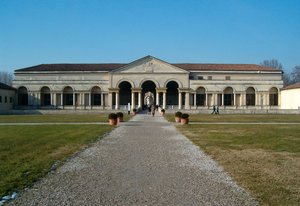
ჯულიო რომანო პორტრეტი

100 ყველაზე ცნობილი ჯულიო რომანო-ის ნახატი, თითოეული მათგანი უნიკალური

განახლდა ნოემბერი 2026 · დალაგებულია ჩვენი პოპულარობის ქულების მიხედვით (ძიება, ნახვა და შეკვეთები თითოეული ნამუშწაროსთვის) · 114 ნამუშევარი ჯულიო რომანო ჩვენს კატალოგში

მოკლედ რომ ვთქვათ

გუმბარი: ღმერთების assembly იუპიტერის ტრონას გარშემო (1532) არის ჯულიო რომანო მხატვრის ის ნამუშწარები, რომელიც ყველაზე მეტ ყურადღებას იქცევს. ამის შემდეგ, მზერა გადადის View of the Sala dei Giganti (vault and south wall) (1526)-სა და Tapestry with Playing Putti (1545)-ზე. ჩვენს კატალოგში არსებული ჯულიო რომანო-ის 114 ნამუშწაროდან ეს 100 ყველაზე ცნობილია; თითოეული მათგანი წარმოადგენს უნიკალურ ორიგინალს, რომელიც წარმოდგენილია წელით, მუზეუმითა და იმ მიზეზით, რის გამოც ის დღემდე ცოცხლობს.

1499 – 1546, რომი Მანერიზმი ყველაზე მეტი ნამشევრი: Palazzo del Tè

ჯულიო რომანო-ის 10 საუკეთესო ნამუშgeryო, გალერეის თcraftით

1
გუმბარი: ღმერთების assembly იუპიტერის ტრონას გარშემო (1532) ავტორის: ჯულიო რომანო

გუმბარი: ღმერთების assembly იუპიტერის ტრონას გარშემო

1532 · ფრესკა

Vault: The Assembly of Gods around Jupiter's Throne is a significant fresco by Giulio Romano. Executed in 1532, the work occupies the ceiling of the Sala dei Giganti within the Palazzo del Tè in Mantua, Italy. This monumental decoration reflects the artist's departure from the classical harmony of the High Renaissance toward the expressive tension of Mannerism.

2
View of the Sala dei Giganti (vault and south wall) (1526) ავტორის: ჯულიო რომანო

View of the Sala dei Giganti (vault and south wall)

1526 · Fresco · Palazzo del Tè, მანტუა

To gaze upon this magnificent fresco, View of the Sala dei Giganti (vault and south wall), is to step directly into the vibrant heart of the High Renaissance. Painted in 1526 by the masterful hand of Giulio Romano, this work transcends mere decoration; it is a profound narrative tapestry woven from human drama, natural vitality, and divine symbolism. The scene explodes with life, drawing the viewer into a monumental gathering…

3
Tapestry with Playing Putti (1545) ავტორის: ჯულიო რომანო

Tapestry with Playing Putti

1545 · Tapestry · Museo Poldi Pezzoli, მილანი

To gaze upon this depiction of a tapestry with playing putti is to step directly into an idealized moment plucked from the heart of the Italian Renaissance. It is more than just a painting; it is a captured breath of youthful exuberance, rendered with the masterful touch characteristic of Giulio Romano. The scene unfolds as a vibrant pastoral tableau, where several cherubic figures—the beloved putti—engage in playful revelry. Their presence…

4
Allegory of the Virtues of Federico II Gonzaga (1531) ავტორის: ჯულიო რომანო

Allegory of the Virtues of Federico II Gonzaga

1531 · Fresco · ჟან პოლ გეტის მუზეუმი, ლოს-ანჯელესი

To stand before an image like the Allegory of the Virtues of Federico II Gonzaga is to step directly into the vibrant, intellectual heart of the Italian High Renaissance transitioning into Mannerism. This monumental work, executed in 1531 by Giulio Romano, is far more than a mere depiction of figures; it is a carefully orchestrated philosophical statement rendered in pigment and plaster. The scene unfolds with an almost theatrical richness,…

5
The Lovers (1525) ავტორის: ჯულიო რომანო

The Lovers

1525 · Oil On Canvas · ერმიტაჟის მუზეუმი, სან-პეტერბურგი

Giulio Romano’s “The Lovers,” painted around 1525, isn't merely a depiction of intimacy; it’s a meticulously crafted tableau brimming with symbolism and echoing the complex currents of the High Renaissance. Born Giulio Pippi in Rome around 1499, Romano swiftly ascended through the ranks of Raphael’s studio, absorbing the master’s classical ideals while simultaneously forging his own distinctive Mannerist style – a style characterized by heightened emotion, distorted forms, and an…

6
Adoration of the Shepherds (detail) (1535) ავტორის: ჯულიო რომანო

Adoration of the Shepherds (detail)

1535 · Oil · ლუვრი, პარიზი

This detail from 1535 captures a fragment of a larger religious narrative, focusing on the human response to a divine presence. A central figure, distinguished by a large staff topped with a cross, anchors the composition. The arrangement of figures creates a sense of depth through overlapping forms and varying scales, drawing the eye from the immediate foreground into a complex, crowded space. The composition avoids the static balance of…

7
The Birth of Bacchus (1533) ავტორის: ჯულიო რომანო

The Birth of Bacchus

1533 · Acrylic On Canvas · ჟან პოლ გეტის მუზეუმი, ლოს-ანჯელესი

Giulio Romano's "The Birth of Bacchus," a monumental charcoal and chalk drawing from 1533, isn’t merely a depiction of a mythological scene; it’s a visceral exploration of human drama, a raw sketch brimming with energy and symbolic weight. Born Giulio Pippi in Rome around 1499, Romano emerged as a pivotal figure within the waning embers of the High Renaissance, swiftly absorbing the influence of Raphael while forging his own distinctive…

8
Flaying of Marsyas (1525) ავტორის: ჯულიო რომანო

Flaying of Marsyas

1525 · Oil On Canvas · ლუვრი, პარიზი

Giulio Romano’s “Flaying of Marsyas” isn't merely a depiction of a mythological punishment; it’s a visceral embodiment of struggle, humiliation, and the brutal intersection of divine power and mortal defiance. Painted in 1525-35 during his tenure as court artist for Duke Federico Gonzaga of Mantua, this monumental fresco – now meticulously reproduced on canvas – plunges the viewer directly into the heart of Ovid’s *Metamorphoses*. The story itself is a…

9
Victory, Janus, Chronos, and Gaea (1532) ავტორის: ჯულიო რომანო

Victory, Janus, Chronos, and Gaea

1532 · Acrylic On Canvas · ჟან პოლ გეტის მუზეუმი, ლოს-ანჯელესი

A Tapestry of Time and Transformation: Giulio Romano’s “Victory, Janus, Chronos, and Gaea” Giulio Romano's "Victory, Janus, Chronos, and Gaea," painted in 1532-1534 during his illustrious tenure as court artist for Federico II Gonzaga of Mantua, is more than just a visually arresting fresco; it’s a profound meditation on the cyclical nature of time, the duality of existence, and the very essence of Roman mythology. Born Giulio Pippi in Rome…

10
View of the Palazzo del Tè (1526) ავტორის: ჯულიო რომანო

View of the Palazzo del Tè

1526 · Acrylic On Canvas · Palazzo del Tè, მანტუა

A Vision of Renaissance Grandeur: Exploring Giulio Romano’s Palazzo del Té Giulio Romano's *View of the Palazzo del Té* stands as a testament to the zenith of Mannerist art and architectural ambition—a project conceived by Federico Gonzaga, Duke of Mantua, between 1526 and 1534. More than just a building, it embodies an entire worldview: a deliberate rejection of linear perspective and idealized beauty in favor of dramatic illusionism and psychological…

ჯულიო რომანო-ის ცნობილი ნამუშევრები, 11-დან 100-მდე ნომრებით

11Evangelist symbols (1522) ავტორის: ჯულიო რომანოEvangelist symbols1522 · კუნსტისტორიშეს მუზეუმი 12View of the Salone dei Cavalli (1526) ავტორის: ჯულიო რომანოView of the Salone dei Cavalli1526 13The Old Woman and Vulcan, Tribute to Apollo (1526) ავტორის: ჯულიო რომანოThe Old Woman and Vulcan, Tribute to Apollo1526 14Nude Child with Open Arms ავტორის: ჯულიო რომანოNude Child with Open Armsუფიციების გალერეა 15The Holy Family (1520) ავტორის: ჯულიო რომანოThe Holy Family1520 · ჟან პოლ გეტის მუზეუმი 16An Allegory of Immortality (1540) ავტორის: ჯულიო რომანოAn Allegory of Immortality1540 · დეტროიტის ხელოვნების ინსტიტუტი 17The Holy Family, St John with a small Bird in his Hand (1530) ავტორის: ჯულიო რომანოThe Holy Family, St John with a small Bird in his Hand1530 · Statens Museum For Kunst 18The Holy Family with the Infant Saint John the Baptist (1520) ავტორის: ჯულიო რომანოThe Holy Family with the Infant Saint John the Baptist1520 · შოტლანდიის ეროვნული გალერეა 19Madonna and Child with the Infant St. John (1516) ავტორის: ჯულიო რომანოMadonna and Child with the Infant St. John1516 20The Virgin and Child (1518) ავტორის: ჯულიო რომანოThe Virgin and Child1518 · Apsley House 21Tarquin and Lucretia (1536) ავტორის: ჯულიო რომანოTarquin and Lucretia1536 · პალაცო დუკალე 22'The Horse ''Morel favorito''' (1526) ავტორის: ჯულიო რომანო'The Horse ''Morel favorito'''1526 23St. John the Baptist in the Wilderness (1520) ავტორის: ჯულიო რომანოSt. John the Baptist in the Wilderness1520 24Nurture of Jupiter (1533) ავტორის: ჯულიო რომანოNurture of Jupiter1533 · Blickling Hall 25Group of three lictors (1530) ავტორის: ჯულიო რომანოGroup of three lictors1530 · ვარშავის ეროვნული მუზეუმი 26Tapestry Cartoon: Two Heads from the Massacre of the Innocents (1522) ავტორის: ჯულიო რომანოTapestry Cartoon: Two Heads from the Massacre of the Innocents1522 · შოტლანდიის ეროვნული გალერეა 27Bacchus and Ariadne (1530) ავტორის: ჯულიო რომანოBacchus and Ariadne1530 · Statens Museum For Kunst 28Vertumnus and Pomona (1530) ავტორის: ჯულიო რომანოVertumnus and Pomona1530 · Statens Museum For Kunst 29Female nude, half figure (1527) ავტორის: ჯულიო რომანოFemale nude, half figure1527 30Vaulted ceiling (8) (1526) ავტორის: ჯულიო რომანოVaulted ceiling (8)1526 31Fresco on the east wall (detail) (1532) ავტორის: ჯულიო რომანოFresco on the east wall (detail)1532 32View of the Sala di Psiche (west wall) (1526) ავტორის: ჯულიო რომანოView of the Sala di Psiche (west wall)1526 33Fresco on the south wall (detail) (9) (1532) ავტორის: ჯულიო რომანოFresco on the south wall (detail) (9)1532 34Jupiter Seducing Olympias (1526) ავტორის: ჯულიო რომანოJupiter Seducing Olympias1526 35Self-portrait (1540) ავტორის: ჯულიო რომანოSelf-portrait1540 36Tomb of Pietro Strozzi (1529) ავტორის: ჯულიო რომანოTomb of Pietro Strozzi1529 · სანტ'ანდრეა 37Virgin and Child with the Infant St John (1523) ავტორის: ჯულიო რომანოVirgin and Child with the Infant St John1523 · ბორგეზეს გალერეა 38Façade (1526) ავტორის: ჯულიო რომანოFaçade1526 · Palazzo del Tè 39The Madonna and Child with Saint John the Baptist (1522) ავტორის: ჯულიო რომანოThe Madonna and Child with Saint John the Baptist1522 · Walters Art Museum 40The Fall of the Gigants from Mount Olympus ავტორის: ჯულიო რომანოThe Fall of the Gigants from Mount Olympus 41Chariot of the Sun (1526) ავტორის: ჯულიო რომანოChariot of the Sun1526 42Frieze (detail) (1532) ავტორის: ჯულიო რომანოFrieze (detail)1532 43Hunting Scene (1527) ავტორის: ჯულიო რომანოHunting Scene1527 44Hunting Scene (1527) ავტორის: ჯულიო რომანოHunting Scene1527 45Polyphemus (1526) ავტორის: ჯულიო რომანოPolyphemus1526 46Ceiling decoration (detail) (12) (1527) ავტორის: ჯულიო რომანოCeiling decoration (detail) (12)1527 47View of the Sala di Psiche (north and east walls) (1526) ავტორის: ჯულიო რომანოView of the Sala di Psiche (north and east walls)1526 48View of the Sala di Psiche (south wall) (1526) ავტორის: ჯულიო რომანოView of the Sala di Psiche (south wall)1526 49Psyche's Second Task (River Deity) (1526) ავტორის: ჯულიო რომანოPsyche's Second Task (River Deity)1526 50Vaulted ceiling (detail) (10) (1526) ავტორის: ჯულიო რომანოVaulted ceiling (detail) (10)1526 51Vaulted ceiling (detail) (18) (1526) ავტორის: ჯულიო რომანოVaulted ceiling (detail) (18)1526 52Psyche Appealing in Vain to Juno (1526) ავტორის: ჯულიო რომანოPsyche Appealing in Vain to Juno1526 53Portrait of a Woman (detail) (1531) ავტორის: ჯულიო რომანოPortrait of a Woman (detail)1531 · Royal Collection 54View of the Sala dei Giganti (south and west walls) (1532) ავტორის: ჯულიო რომანოView of the Sala dei Giganti (south and west walls)1532 55View of the Sala dei Giganti (south wall) (1532) ავტორის: ჯულიო რომანოView of the Sala dei Giganti (south wall)1532 56The Prisoners (1527) ავტორის: ჯულიო რომანოThe Prisoners1527 57View of the Sala di Psiche (east wall) (1526) ავტორის: ჯულიო რომანოView of the Sala di Psiche (east wall)1526 58Vault: The Assembly of Gods around Jupiter's Throne (detail) (1532) ავტორის: ჯულიო რომანოVault: The Assembly of Gods around Jupiter's Throne (detail)1532 59Ceiling decoration (detail) (11) (1527) ავტორის: ჯულიო რომანოCeiling decoration (detail) (11)1527 60Fresco on the north wall (detail) (1532) ავტორის: ჯულიო რომანოFresco on the north wall (detail)1532 61Vaulted ceiling (detail) (17) (1526) ავტორის: ჯულიო რომანოVaulted ceiling (detail) (17)1526 62Vaulted ceiling (detail) (19) (1526) ავტორის: ჯულიო რომანოVaulted ceiling (detail) (19)1526 63Emperor Alexander (1532) ავტორის: ჯულიო რომანოEmperor Alexander1532 64Coat-of-arms (1532) ავტორის: ჯულიო რომანოCoat-of-arms1532 65View of the Sala dei Giganti (west wall) (1532) ავტორის: ჯულიო რომანოView of the Sala dei Giganti (west wall)1532 66River Landscape with Springs (1526) ავტორის: ჯულიო რომანოRiver Landscape with Springs1526 67View of the Salone dei Cavalli (1526) ავტორის: ჯულიო რომანოView of the Salone dei Cavalli1526 68Fresco on the south wall (detail) (1532) ავტორის: ჯულიო რომანოFresco on the south wall (detail)1532 69Vaulted ceiling (detail) (16) (1526) ავტორის: ჯულიო რომანოVaulted ceiling (detail) (16)1526 70Tribute to Apollo (1526) ავტორის: ჯულიო რომანოTribute to Apollo1526 71Vaulted ceiling (1526) ავტორის: ჯულიო რომანოVaulted ceiling1526 72View of the Sala dei Giganti (north wall) (1532) ავტორის: ჯულიო რომანოView of the Sala dei Giganti (north wall)1532 73View of the Sala dei Giganti (east wall) (1532) ავტორის: ჯულიო რომანოView of the Sala dei Giganti (east wall)1532 74Ceiling decoration (1527) ავტორის: ჯულიო რომანოCeiling decoration1527 75Cupid and Psyche (1526) ავტორის: ჯულიო რომანოCupid and Psyche1526 76Design for a Saltcellar (1524) ავტორის: ჯულიო რომანოDesign for a Saltcellar1524 77Fresco on the south wall (detail) (12) (1532) ავტორის: ჯულიო რომანოFresco on the south wall (detail) (12)1532 78Fresco on the north wall (detail) (1532) ავტორის: ჯულიო რომანოFresco on the north wall (detail)1532 79Mars Chasing Adonis from Venus's Pavilion (1526) ავტორის: ჯულიო რომანოMars Chasing Adonis from Venus's Pavilion1526 80Vault: The Assembly of Gods around Jupiter's Throne (detail) (1532) ავტორის: ჯულიო რომანოVault: The Assembly of Gods around Jupiter's Throne (detail)1532 81Fresco on the south wall (detail) (10) (1532) ავტორის: ჯულიო რომანოFresco on the south wall (detail) (10)1532 82The Old Woman and Vulcan (1526) ავტორის: ჯულიო რომანოThe Old Woman and Vulcan1526 83Ceiling (detail) (1526) ავტორის: ჯულიო რომანოCeiling (detail)1526 84Tribute to Apollo (1526) ავტორის: ჯულიო რომანოTribute to Apollo1526 85Ajax Defends Patroclus's Corps (1538) ავტორის: ჯულიო რომანოAjax Defends Patroclus's Corps1538 · პალაცო დუკალე 86View of the Sala di Troia (10) (1536) ავტორის: ჯულიო რომანოView of the Sala di Troia (10)1536 87View of the Sala di Troia (12) (1538) ავტორის: ჯულიო რომანოView of the Sala di Troia (12)1538 88Ajax Defends Patroclus's Corps (1538) ავტორის: ჯულიო რომანოAjax Defends Patroclus's Corps1538 89View of the Sala di Troia (11) (1536) ავტორის: ჯულიო რომანოView of the Sala di Troia (11)1536 90Façade and courtyard view (1526) ავტორის: ჯულიო რომანოFaçade and courtyard view1526 · Palazzo del Tè 91Monteluce madonna ავტორის: ჯულიო რომანოMonteluce madonna 92Venus and Vulcan ავტორის: ჯულიო რომანოVenus and Vulcan 93Satyr and Boy ავტორის: ჯულიო რომანოSatyr and Boy 94Copy after Giulio Romano (1536) ავტორის: ჯულიო რომანოCopy after Giulio Romano1536 · კლივল্যান্ডের ხელოვნების მუზეუმი 95Virgin with the Child (1520) ავტორის: ჯულიო რომანოVirgin with the Child1520 · უფიციების გალერეა 96Triumph of Titus and Vespasian (1537) ავტორის: ჯულიო რომანოTriumph of Titus and Vespasian1537 · ლუვრი 97Study for the Holy Family (1518) ავტორის: ჯულიო რომანოStudy for the Holy Family1518 · ლუვრი 98Banquet of Cupid and Psyche ავტორის: ჯულიო რომანოBanquet of Cupid and PsychePalazzo del Tè 99Saint Mary Magdalene borne by Angels ავტორის: ჯულიო რომანოSaint Mary Magdalene borne by Angelsნაციონალური გალერეა 100The Circumcision ავტორის: ჯულიო რომანოThe Circumcisionლუვრი

ჯულიო რომანო-ის ცნობილი სურათები, პერიოდების მიხედვით

სუბიექტები, რომლებმაც ჯულიო რომანო-ის ყურადღება მიიპყრო

ამ ორიგინალებში ყველაზე ხშირად განმეორებადი არის 네 თემა, რომელთაგან თითოეულს თავისი საუკეთესო ნიმუში წარმოგვიდგება.

მუზეუმები, სადაც ჯულიო რომანო-ის ორიგინალები ინახება

ამ გვერდზე წარმოდგენილი მხატვრობის შედეგების უმეტესობას 8 მუზეუმი ინახავს.

მუზეუმი ქალაქი ჯულიო რომანო შემოქმედებაలు ამ სიიდან მოპოვებული ნახატები
Palazzo del Tè, მანტუაPalazzo del Tè მანტუა 6 View of the Sala dei Giganti (vault and south wall), View of the Palazzo del Tè, Façade
ლუვრი, პარიზილუვრი პარიზი 6 Adoration of the Shepherds (detail), Flaying of Marsyas, Triumph of Titus and Vespasian
ჟან პოლ გეტის მუზეუმი, ლოს-ანჯელესიჟან პოლ გეტის მუზეუმი ლოს-ანჯელესი 5 Allegory of the Virtues of Federico II Gonzaga, The Birth of Bacchus, Victory, Janus, Chronos, and Gaea
Statens Museum For Kunst, კობენჰაგენიStatens Museum For Kunst კობენჰაგენი 3 The Holy Family, St John with a small Bird in his Hand, Bacchus and Ariadne, Vertumnus and Pomona
უფიციების გალერეა, ფლორენციაუფიციების გალერეა ფლორენცია 2 Nude Child with Open Arms, Virgin with the Child
შოტლანდიის ეროვნული გალერეა, ედინბურგიშოტლანდიის ეროვნული გალერეა ედინბურგი 2 The Holy Family with the Infant Saint John the Baptist, Tapestry Cartoon: Two Heads from the Massacre of the Innocents
პალაცო დუკალე, მანტუაპალაცო დუკალე მანტუა 2 Tarquin and Lucretia, Ajax Defends Patroclus's Corps
Royal Collection, ლონდონიRoyal Collection ლონდონი 2 Portrait of a Woman (detail)

ჯულიო რომანო ათწლეულების განმავლობაში: თითოეულ დეკადესთვის ერთი უნიკალური ორიგინალი

ნამუშევრები ათწლეულების მიხედვით

შეარჩიეთ ათწლეული, რათა ნახოთ ის ორიგინალი ნამუშევარი, რომელიც მას განსაზღვრავს.

ჯულიო რომანო-ის ნახატები: კითხვები გალერეისთვის

რა არის ჯულიო რომანო-ის ყველაზე ცნობილი ნამუშწარებიდან ერთერთი?გაამჟღავნეთ პასუხი

გუმბარი: ღმერთების assembly იუპიტერის ტრონას გარშემო (1532). შემდეგ მოდიან View of the Sala dei Giganti (vault and south wall) (1526) და Tapestry with Playing Putti (1545).

რა ასაკში შექმნა ჯულიო რომანო-მა გუმბარი: ღმერთების assembly იუპიტერის ტრონას გარშემო?გაამჟღავნეთ პასუხი

33 წლის: გუმბარი: ღმერთების assembly იუპიტერის ტრონას გარშემო შექმნილია 1532 წელს, ხოლო ჯულიო რომანო დაიბადა 1499 წელს.

ჯულიო რომანო-ის რომელი 열ათმე ნახატია ყველაზე ცნობილი?გაამჟღავნეთ პასუხი

გუმბარი: ღმერთების assembly იუპიტერის ტრონას გარშემო, View of the Sala dei Giganti (vault and south wall), Tapestry with Playing Putti, Allegory of the Virtues of Federico II Gonzaga, The Lovers, Adoration of the Shepherds (detail), The Birth of Bacchus, Flaying of Marsyas, Victory, Janus, Chronos, and Gaea და View of the Palazzo del Tè. ზემოთ მოცემული რეიტინგი ასახავს თითოეულის შემოქმედების წელსა და მუზეუმს.

რამდენი ნამუშწარებია ცნობილი ჯულიო რომანო-ის შემოქმედებიდან?გაამჟღავნეთ პასუხი

ჩვენს კატალოგში წარმოდგენილია 114 ნამუშწევრი ჯულიო რომანო-ისგან, დათარიღებული 1516-დან 1545-მდე.

სად შეიძლება ყველაზე ცნობილი ჯულიო რომანო-ის ორიგინალების ნახვა?გაამჟღავნეთ პასუხი

ძირითადად Palazzo del Tè (მანტუა), ლუვრი (პარიზი) და ჟან პოლ გეტის მუზეუმი (ლოს-ანჯელესი)-ში. ზემოთ მოცემულ მუზეუმების ცხრილში ისინი ყველა listed.

რა პერიოდში შექმნა ჯულიო რომანო-მა ყველაზე ცნობილი სურათები?გაამჟღავნეთ პასუხი

1520s-ში: ამ გვერდზე წარმოდგენილი 100 ნამუშწარwerksიდან 50 შეიქმნა მაშინ, მათგან View of the Sala dei Giganti (vault and south wall).

რომელი ცნობილი ჯულიო რომანო ტილოა ყველაზე ადრეული და რომელი — ყველაზე გვიანდელი?გაამჟღავნეთ პასუხი

ამ გვერდზე ყველაზე ადრეული არის Madonna and Child with the Infant St. John (1516), ხოლო ყველაზე გვიანდელი — Tapestry with Playing Putti (1545).

რა თემებს ანიჭებდა უპირატესობას ჯულიო რომანო?გაამჟღავნეთ პასუხი

Figures (28), People (23) და Woman (21), ამ გვერდზე წარმოდგენილ 100 ნამუშწარეს შორის.

რა მასალებით ხატავდა ყველაზე ხშირად ჯულიო რომანო?გაამჟღავნეთ პასუხი

Fresco, ამ გვერდზე არსებული 100 ნამუშწაროსგან 58 ცალიდან.

ჯულიო რომანო-ის შემოქმედება რომელ მიმდინარეობას მიეკუთვნება?გაამჟღავნეთ პასუხი

Მანერიზმი, ამ გვერდზე წარმოდგენილი ორიგინალების მიხედვით.

რა ჯულიო რომანო-ის ორიგინალების ნახვა შემიძლია Palazzo del Tè-ში?გაამჟღავნეთ პასუხი

View of the Sala dei Giganti (vault and south wall), View of the Palazzo del Tè და Façade: Palazzo del Tè, მანტუა-ში წარმოდგენილია ამ გვერდზე მოცემული ნამუშევრების 5 ცალი.

ჯულიო რომანო: მხატვრის პორტრეტი

რომაული დასაწყისი და მოწაფეობა სახელოვანი მასტერის ქვეშ

გიულიო რომანო, დაბადებული გიულიო პიპი 1499 წელს რომში, წარმოიშვა ეპოქაში, რომელიც უაღრესად ინტენსიური მხატვრული განვითარების პერიოდს აღნიშნავდა. მისი ადრეული ცხოვრების დეტალები გარკვეულწილად მ shadowy რჩება, თუმცა ცნობილია, რომ მან სწრაფად შევიდა რაფაელის ორბიტაში – უდავოდ ეპოქის ყველაზე სახელოვანი მხატვრის. ეს მოწაფეობა გადამწყვეტი აღმოჩნდა, არა მხოლოდ მისი ტექნიკური უნარების ჩამოყალიბებაში, არამედ მომავალი სტილისტური კვლევების საფუძველის დადებაში. ის მხოლოდ სტუდიის ასისტენტი არ იყო; გიულიო სწრაფად გახდა განუყოფელი თანამშრომელი, რომელიც მნიშვნელოვნად მიიღო მონაწილეობა მნიშვნელოვან პროექტებში, როგორიცაა ვატიკანის ოთახების (Stanze) გაფორმება – პაპ იულიუს II-ისა და ლეო X-ის დაკვეთით შესრულებული დიდებული სივრცეები. მისი ხელი შეიძლება გამოირჩეს მონუმენტალურ ფრესკაზე *The Fire in the Borgo*, სადაც მან რაფაელს დაეხმარა სასწაულო ჩარევის დრამატული სცენის აღწერაში. 1520 წელს რაფაელის untimely გარდაცვალების შემდეგ, გიულიომ თავისთავზე აიღო არაერთი დასრულებული შეკვეთის პასუხისმგებლობა, მათ შორის კარდინალ ჯულიანო დე’ მედიჩისთვის Villa Madama-ს ამბიციური გაფორმება. ადრეულმა გამოცდილებამ მასწავლა დიდი პროექტებისადმი მიძღვნილი ყურადღება და არისტოკრატიული პატრონაჟის მოთხოვნები, რაც მის შემდგომ კარიერას განსაზღვრავდა.

მანერიზმის დაბადება: კლასიკური ჰარმონიიდან გადახვევა

რენესანსის ტრადიციებში ღრმად ჩაც entrenchedული გიულიო რომანოს მხატვრული მიდგომა მალევე დაიწყო განვითარება და კლასიკური ბალანსისა და ჰარმონიის პრიორიტეტებისგან გადავიდა. მან მნიშვნელოვანი როლი ითამაშა მანერიზმის განვითარებაში – სტილში, რომელიც ხასიათდება მისი artificiality, elegancy და ხშირად შემაშფოთებელი ფორმის distortions. მიქელანჯელოს ძლიერი ფიგურების და დინამიკური კომპოზიციების ღრმა გავლენით, ასევე მხატვრული ექსპერიმენტების უფრო ფართო კლიმატში, გიულიომ დაიწყო asymmetry, tension და emotional intensity-ის მიღება მის ნამუშევრებში. ეს რენესანსის იდეალების უარყოფა არ იყო, რამდენადაც მათი საზღვრების deliberate exploration, რაც naturalism-ის შეზღუდვებს გასცდა, რათა შეიქმნას უფრო expressive და intellectually stimulating ნაწარმოებები. მან სულ უფრო ხშირად ცვლიდა რაფაელის გეგმებს, რომანულ ხელოვნებაში ახალი sensibility შეჰქონდა – მანერიზმის grand scale-ის გამოხატულება. ეს გარდაქმნა კარგად ჩანს მის ნახატებში, რომლებიც ხაზის საოცარი თავისუფლებას და დრამატული perspective-ს მიდრეკილებას აჩვენებს.

მანტუას მასტერი: Palazzo Te და არქიტექტურული ინოვაცია

1524 წელს გიულიომ Federico Gonzaga, Mantua-ს ჰერცოგის invitation მიიღო court painter-ად და architect-ად. ეს იყო turning point მის კარიერაში, რადგან მას unprecedented creative freedom და resources მიაწოდა. მან ფაქტურად აიღო პასუხისმგებლობა duchy-ში ყველა მხატვრული აქტივობისთვის, ზედამხედველობდა არა მხოლოდ paintings და frescoes-ს, არამედ architectural პროექტებს, garden designs-ს და თეატრალურ წარმოდგენებსაც. მისი ყველაზე სახელოვანი მიღწევა ამ პერიოდში უდავოდ Palazzo Te არის – ექსტრაორდინალური suburban villa, რომელიც მისი innovative genius-ის ტესტამენტად ითვლება. სასახლის interiors გაფორმებულია breathtaking complexity და psychological depth-ით აღსავსე illusionistic frescoes-ებით. მაგალითად, *Sala dei Giganti* (Hall of the Giants) წარმოადგენს ღმერთებსა და giants-ებს შორის chaotic ბრძოლას, რომელიც მაყურებელს figures-ისა და architectural fragments-ის swirling vortex-ში ახვევს. ამ masterpiece-ის manipulation space-ით და perspective-ით იქმნება immersive experience, რომელიც არის როგორც awe-inspiring, ასევე unsettling. Palazzo Te-ს გარდა, გიულიომ მნიშვნელოვანი renovations გააკეთა Mantua-ს ducal palace-სა და cathedral-ში, რაც indelible mark-ს ტოვებს ქალაქის urban landscape-ზე.

მემკვიდრეობა და lasting influence

გიულიო რომანო გარდაიცვალა Mantua-ში 1546 წელს, დატოვა მემკვიდრეობა, რომელიც იტალიის საზღვრებს გასცდა. მისი ნახატები collectors-თვის ძალიან prized იყო, ხოლო მის ნამუშვრებზე დაფუძნებული engravings – განსაკუთრებით Marcantonio Raimondi-ს მიერ – მნიშვნელოვან როლს ასრულებდნენ Italian artistic styles-ის dissemination-ში ევროპაში. ის იმდენად famous იყო გარდაცვალების შემდეგ, რომ Shakespeare-მა მხოლოდ ის “modern” artist მოიხსენიება თავის პიესებში—რაც მისი widespread renown-ის ტესტამენტია. მისი გავლენა ჩანს შემდგომ artists-თა ნამუშევრებში, რომლებმაც მიიღეს მისი dynamic compositions, elongated figures და expressive use of color. მიუხედავად იმისა, რომ მანერიზმმა საბოლოოდ სხვა stylistic movements-ს უступиა ადგილი, გიულიო რომანოს წვლილი remains essential Western art-ის განვითარების გასაგებად. ის წარმოადგენს pivotal moment-ს—გადახდას harmonious ideals-დან High Renaissance-დან უფრო complex და emotionally charged aesthetic-მდე late 16th century-ში. *მისი ნამუშევრები დღესაც აღფრთოვანებს და გამოწვევს მაყურებელს, გვახსენებენ ხელოვნების ძალას, რომელიც არა მხოლოდ ასახავს, არამედ shaping our understanding of the world-ს.*