ცნობილი მხატვრები ქვეყნების მიხედვით
Დიდი ინდოელი მხატვრები
ოსტატები, რომლებსაც ჩვენი მხატვრები მუდმივად უბრუნდებიან. ინდური ფერწერა აერთიანებს მოღოლებისა და რაჯპუტების სასამართლოს მინიატურული ხელოვნების ტრადიციებს, რაჯა რავი ვარმას აკადემიურ ზეთის ფერწერას, ბენგალის სკოლასა და ბომბეის პროგრესული მხატვრების ჯგუფს. Აქ წარმოდგენილია 24 მათგანი; თითოეულის სამი ნამუშევარი დღემდე გვასწავლის მხატვრებს, ასევე მითითებულია მუზეუმები, სადაც მათი ნახვაა შესაძლებელი.
რავი ვარმა (1848–1906), მ. ფ. ჰუსეინი (1915–2011) და Rabindranath Tagore (1861–1941) სათავეში დგას იმ 24 დიდ ინდურიოსნურს შორის, რომლებიც ჩვენს ხელოვანებს შთაგონებას სძენენ; ყველა ისინი ინდოეთი-ში დაფარებულნი არიან და თითოეულ მათგანს სამი საკვანძო ნამუშევარი აქვს.


- 24ამ სიაში მოცემული მხატვრები
- 1472–1954დაბადების წლები
- 434ჩვენს კატალოგში წარმოდგენილი ინდოეთი ქვეყანაში დაბადებული ხელოვანები
- 1 778ჩვენს კატალოგში წარმოდგენილი ნამუშევრებიდან
სია
24 შესანიშნავი ინდოელი მხატვრები
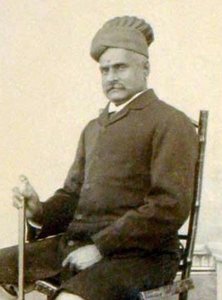


2of 24
მ. ფ. ჰუსეინი 1915–2011
Born in პანდჰარપુરი კუბისტური ნარატიული ფერწერა

His ability to synthesize the structural rigor of Western abstraction with the emotive richness of Eastern storytelling created a unique visual dialect that resonated across continents. To encounter a Husain masterpiece is to witness the heartbeat of a nation—a rhythmic, fragmented, and brilliantly colored celebration of life, struggle, and the eternal dance of the human soul. Born in 1915 in the small town of Pandharpur, Maharashtra, his early years were steeped in the vibrant cultural textures of rural India.
Signature works · The 100 signature works


3of 24
Rabindranath Tagore 1861–1941
Born in კოლკატა Contextual Modernism

Tagore’s upbringing within an intellectually stimulating family nurtured his innate artistic inclinations. His father, Debendranath Tagore, was a philosopher deeply connected to Abanindranath Tagore—who would later become a celebrated Indian artist and the founder of the Bengal School of May Art. Rabindranath Tagore, born May 7, 1861, in Kolkata, stands as an unparalleled figure in Bengali literature and culture—a testament to the transformative power of artistic vision.


4of 24
ანიშ კაპური და lahir 1954
Born in მუმბაი თანამედროვე სკულპტურა

Early Works (1980s): Known for geometric or biomorphic sculptures using simple materials like granite, limestone, marble, pigment, and plaster. Exploration of Matter and Non-Matter: Explored themes of void, space, and perception in his work.


6of 24
Ustad Mansur 1590–1624
Born in New Delhi Mughal painting

Ustad Mansur (c. 1590 – 1624) stands as a singular figure in Mughal art history, recognized universally as “Nadir al-ʿAsr,” meaning “Wonder of the Age.” Born in New Delhi during Akbar’s reign, he ascended to prominence under Jahāngir, becoming one of the most celebrated naturalists and painters of his era. Early Life & Training: Precise biographical details remain elusive.


7of 24
პრადიუმნა კუმარ મહანანდია და lahir 1949
Born in ათმარლიკი პორტრეტული ჟანრი

He utilizes his art as a platform for raising awareness about social injustices and promoting equality. Social Commentary: Mahanandia’s artworks often engage with pressing societal issues, prompting viewers to confront uncomfortable truths and consider alternative perspectives. Beyond his artistic accomplishments, Mahanandia is a vocal champion for Dalit rights—individuals historically subjected to discrimination based on caste.


8of 24
მოლა ბაქშ ხანი 1833–1920
Born in ჯალანდჰარი ქავალი მუსიკა

He skillfully blended classical Indian musical traditions with Persian and Arabic poetic forms—a hallmark of the Chishti Order—creating compositions that conveyed profound spiritual insights. The enduring popularity of his grandson Nusrat Fateh Ali Khan's recordings serves as a powerful indicator of Maula Bakhsh Khan’s lasting impact on musical culture. Musical Training & Instrument Mastery: Recognizing Maula Bakhsh's potential, he sought instruction from Ghasit Khan—a celebrated Qawwal of Gujerat and arguably the most respected musician of his time—who imparted invaluable knowledge regarding classical Indian music and vocal technique.
Signature works · The 100 signature works

9of 24
გაფანტული ბაქავატა পুরাণის ოსტატები და lahir 1520
Born in გუჯრატী Robust patterning; Watercolor technique

Their folios, though now dispersed across prestigious institutions like the Metropolitan Museum of Art and the Museum Rietberg, remain a cohesive testament to a period of intense creative evolution.


Signature works · The 100 signature works

11of 24
ფაუსტინ ელმერ ჩაუდრი 1909–2013
Born in সাহარა cursorPos
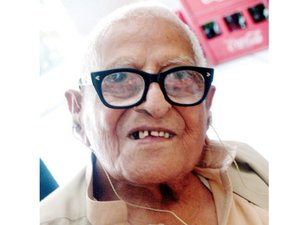
Throughout his long and distinguished career, which included a significant tenure with The Pakistan Times until his retirement in 1973, Chaudhry introduced innovative features to the field of photojournalism.


12of 24
ბასავანი 1560–1600
Born in ნიუ-დელი მোগოლური მინიატურული ხელოვნება

While the Akbarnama undoubtedly represents Basawan’s magnum opus, evidence suggests he engaged in diverse artistic endeavors extending beyond royal commissions. Notable Works: Among Basawan’s surviving paintings are depictions of angels (Peri) riding composite camels—a striking visual representation of Islamic cosmology—and portraits capturing the dignity and solemnity of royal figures.
Signature works · The 100 signature works
 The donkey, in a tiger’s skin, reveals his identity by braying aloud, from a Tuti-nama (Tales of a Parrot): Thirty-first Night
 The hunter throws away the baby parrots, who pretend to be dead, and captures the mother, from a Tuti-nama (Tales of a Parrot): Fifth Night
 The hunter offers the mother parrot to the king of Kamarupa, from a Tuti-nama (Tales of a Parrot): Fifth Night
- 13All 13 works by ბასავანი
13of 24
აჩიუტ პურუშოშტამ კანვინდე 1916–2002
Born in აჩარა ბრუტალიზმი, ფუნქციონალიზმი

He served as President of the Indian Institute of Architects from 1974 to 1976, further solidifying his position as a leading voice in the profession.


14of 24
ფარიდ ალ-დინ ხანი 1472–1545
Born in ბიჰარი მინიატურული ხელოვნება

Farid al-Din Khan stands as a singular figure who bridged the gap between the raw power of the Suri Empire and the refined aesthetic of Afghan artistry.


Signature works · The 100 signature works


18of 24
Bharani Thirunal Rukmini Bayi Maharani Of Travancore და lahir 1940
Born in Trivandrum

Her work is significantly influenced by the style and themes of Raja Ravi Varma, particularly his depictions of Indian mythology and portraits of royal figures. She blends traditional techniques with her own unique artistic vision, creating works that are both historically informed and contemporary in their expression.


19of 24
Meera Mukherjee 1923–1998
Born in Kolkata Modern Bengali sculpture, Dhokra technique

Meera Mukherjee emerged from the vibrant cultural landscape of Kolkata in 1923, not merely as a sculptor, but as a vital bridge between the ancient soul of India and the burgeoning modernism of the twentieth century. Her artistic evolution was deeply shaped by her immersion within the tribal traditions of Chhattisgarh.


20of 24
Mughal Dynasty 1526–1857
Born in Agra Mughal miniature and architecture

Emerging from the Timurid lineage, this powerful house established a cultural zenith that blended Persian, Islamic, and indigenous Indian traditions into a singular, opulent aesthetic.


21of 24
Valentine Cameron Prinsep 1838–1904
Born in კოლკატა Pre-Raphaelite

Sarah Prinsep was related to both the pioneering photographer Julia Margaret Cameron, and Maria Jackson, grandmother to literary giants Virginia Woolf and Vanessa Bell —a familial network that would profoundly shape his future trajectory. The family’s return to England in 1843, settling at Little Holland House in 1851, proved pivotal. Prinsep passed away in 1904 and was laid to rest alongside his wife Florence in Brompton Cemetery, London, marked by a distinctive Roman-style monument.


22of 24
Y. G. Srimati 1926–2007
Born in Mysuru Indian space painting; Bengal School influence

In the early 1960s, Srimati’s journey took her to the United States, where New York became her home for the remainder of her life.


23of 24
Avul Pakir Jainulabdeen Abdul Kalam 1931–2015
Born in Rameswaram Contemporary Influence on Kilim Designs

His work on the Integrated Guided Missile Development Programme, including the creation of the Agni and Prithvi missiles, solidified his reputation as a guardian of national security.


Signature works · The 100 signature works

ფიგურები
სად დაიბადნენ, როდის და სად შეიძლება მათი ნახვის
| კოლკატა | 3 |
|---|---|
| კილიმანჯარო | 1 |
| პანდჰარપુરი | 1 |
| მუმბაი | 1 |
| New Delhi | 1 |
| ათმარლიკი | 1 |
| ჯალანდჰარი | 1 |
| გუჯრატী | 1 |
| 15 საუკუნე | 1 |
|---|---|
| 16 საუკუნე | 4 |
| 18 საუკუნე | 1 |
| 19 საუკუნე | 9 |
| 20 საუკუნე | 9 |
| National Gallery of Modern Art | 4 |
|---|---|
| Sandeep - Gitanjali Maini Foundation | 2 |
| Victoria Memorial Hall | 2 |
| Lahore Museum | 2 |
| Kerala Museum | 2 |
| The Raja Ravi Varma Heritage Foundation | 1 |
| ვიქტორია და ალბერტის მუზეუმი | 1 |
| ბილბაოს გუგენჰაიმის მუზეუმი | 1 |
კითხვები და პასუხები
Დიდი ინდოელი მხატვრები: კითხვები და პასუხები
ვინ არის ყველაზე ცნობილი ინდური მხატვარი?
ჩვენს რეიტინგში რავი ვარმა (1848–1906), შემდეგ კი მ. ფ. ჰუსეინი და Rabindranath Tagore.
რამდენი ინდური მხატვარია თქვენს კატალოგში?
434 ხელოვანები, რომლებიც დაიბადნენ ინდოეთი-ში, 1 778 ნამisწერი; ამ გვერდზე წარმოდგენილია 24 ყველაზე ცნობილი მხატვარი.
რომელ ინდური მხატვარს აქვს ყველაზე მეტი ნამუშგარები თქვენს კატალოგში?
რავი ვარმა, 135 ნამუშწარების შესრულებით.
ამ სიგითის მხატვრებისგან ყველაზე მეტი სად დაიბადა?
კოლკატა-ში: 24-დან 3, Rabindranath Tagore, აბანინდრანათ თაგორი და Valentine Cameron Prinsep.
რომელი ქალი მხატვრებია წარმოდგენილი ამ სიაში?
რა დროს დაიბადა ეს მხატვრები?
უმეტესობა 19 საუკუნე წამს (9 24-დან); დაბადების წლები 1472-დან 1954-მდე მერყეობს.
როგორ არის დალაგებული ეს სია Ჩვენი რეიტინგი ეფუძნება ვიკიპედიას, რედაქტორების მიერ თითოეულ ხელოვანსა და ნამუშევარს მინიჭებულ მანუალურ შეფასებას და ყოველთვიური ვიზიტების რაოდენობას თითოეულ გვერდზე.