ცნობილი მხატვრები ქვეყნების მიხედვით
Დიდი ესპანელი მხატვრები
ოსტატები, რომლებსაც ჩვენი მხატვრები მუდმივად უბრუნდებიან. მადრიდის „ოქროს ხანის“ სამეფო სასახლიდან პარიზის ავანგარდულ წრეებამდე, ესპანელმა მხატვრებმა შეცვალეს ის გზები, რომლებითაც ევროპა სინათლეს, რწმენასა და ადამიანის ფიგურას გამოსახავდა. Აქ წარმოდგენილია 24 მათგანი; თითოეულის სამი ნამუშევარი დღემდე გვასწავლის მხატვრებს, ასევე მითითებულია მუზეუმები, სადაც მათი ნახვაა შესაძლებელი.
პაბლო პიკასო (1881–1973), დიეგო ველასკესი (1599–1660) და ფრანსისკო გოია (1746–1828) სათავეში დგას იმ 24 დიდ ესპანელიოსნურს შორის, რომლებიც ჩვენს ხელოვანებს შთაგონებას სძენენ; ყველა ისინი ესპანეთი-ში დაფარებულნი არიან და თითოეულ მათგანს სამი საკვანძო ნამუშევარი აქვს.


- 24ამ სიაში მოცემული მხატვრები
- 1509–1936დაბადების წლები
- 1 566ჩვენს კატალოგში წარმოდგენილი ესპანეთი ქვეყანაში დაბადებული ხელოვანები
- 21 219ჩვენს კატალოგში წარმოდგენილი ნამუშევრებიდან
სია
24 შესანიშნავი ესპანელი მხატვრები


2of 24
დიეგო ველასკესი 1599–1660
Born in სევილია Spanish Baroque / Spanish Golden Age
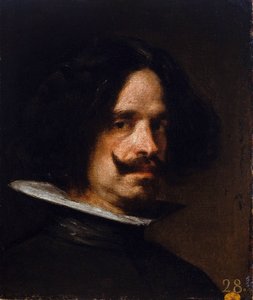
In his early years, Velázquez worked within the boundaries of an idealizing style, one rooted in the strictures of Catholic propriety. Christ in the House of Martha and Mary. Édouard Manet found deep inspiration in the composition of Las Meninas, a work that continues to challenge how we perceive the relationship between the viewer and the painted scene.
Where to see To stand before a Velázquez is to encounter the quiet weight of history.


3of 24
ფრანსისკო გოია 1746–1828
Born in ფუენდეტოდოსი ['როკოკო', 'რომანტიზმი', 'მოდერნიზმი']

Between 1819 and 1823, he painted the Black Paintings directly onto the plaster. These murals, including Saturn Devouring His Son and Asmodea, deal with madness and existential dread. Later, the visceral, distorted energy found in the paintings of Francis Bacon carries echoes of the darkness Goya explored.


4of 24
სალვადორ დალი 1904–1989
Born in ფიგერასი სურრეალიზმი
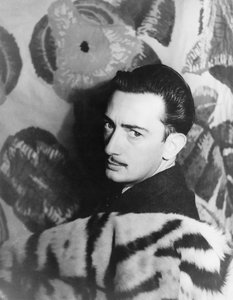
His early training was shaped by the textures of Impressionism and the precise draftsmanship of the Renaissance masters. By 1929, he had joined the Surrealist group, a move that signaled a shift toward the irrational.
Where to see To find his traces, one can travel to Figueres, Spain, where the Dalí Theatre-Museum sits.


5of 24
ჟოან მირო 1893–1983
Born in ბარსელონა ['სურრეალიზმი', 'ფავიზმი', 'ექსპრესონიზმი']
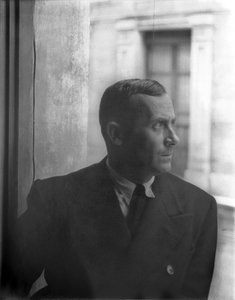
His work often defies easy classification, frequently interpreted as Surrealist but driven by a deeply personal style that resists any single "ism." He moves through media with a feverish energy, experimenting with painting, pastel, printmaking, sculpture, ceramics, collage, muralism, and tapestry. This versatility allows him to escape the constraints of traditional representation. This was followed by the establishment of the Fundació Pilar i Joan Miró in Palma de Mallorca in 1981.
Where to see The most concentrated encounter with his creative output occurs on the Montjuïc hill in Barcelona, Spain.


6of 24
ფრანსისკო დე სურბარანი 1598–1664
Born in ფუენტე-დე-კანტოსი ესპანური ბაროკო, ტენებრიზმი

His style drew from the realism of Caravaggio and his followers, but it was also shaped by the quiet precision of Juan Sánchez Cotán and the influence of polychrome sculpture. Rather than relying on the grand, sweeping movements seen in other Baroque works, he focused on a severe and direct way of seeing. As Murillo rose to prominence in the 1650s, the popularity of Zurbarán's more severe and direct style began to wane.
Where to see In Madrid, Spain, the Prado Museum houses a version of his Agnus Dei, a work that captures the stark, heavy presence of the lamb.


7of 24
ბარტოლომე ესტებან მურილიო 1617–1682
Born in სევილია Spanish Baroque

In his youth, his work carried the weight and gravity of the Baroque tradition, but he eventually found a way to soften those edges. He had a way of building up forms through a layered approach, using delicate glazes and subtle brushwork to create depth. Later artists, including Gainsborough and Greuze, acknowledged the impact of his luminous style on their own approach to light and form.
Where to see In Spain, the Museo del Prado in Madrid holds several of his paintings, offering a direct connection to the spirit of the Golden Age.


8of 24
ხუან გრი 1887–1927
Born in მადრიდი კუბიზმი, სინთეზური კუბიზმი, ანალიტიკური კუბიზმი

He does not simply break an object apart; he reconstructs it through a series of intersecting planes. In many of his works, he moves away from the chaotic, shattering abstraction seen in earlier Cubism, opting instead for a more organized and legible structure. His work grew from the foundations laid by Paul Cézanne, specifically the way the older painter explored the underlying structure of form and space.
Where to see Tracing the physical presence of his work requires a trip through several major collections.


9of 24
იოაკიმ სოროლა 1863–1923
Born in ვალენსია Luminism, Impressionism, Social Realism

He was a painter who preferred the directness of the outdoors, choosing to paint almost all of his works en plein air. This commitment to working in the open air allowed him to confront the shifting elements head-on. The Return from Fishing; Hauling the Boat (1894).
Where to see For those wishing to walk through the spaces that shaped his life, the Museo Sorolla in Madrid offers a rare glimpse into his private world.


12of 24
ანტონი ტაპიესი 1923–2012
Born in ბარსელონა Art Informel, Surrealism

Co-founded the avant-garde movement Dau al Set in 1948, connected to Surrealism and Dadaism. Became a prominent figure in Spanish Informalism, alongside artists like Enrique Tàbara, Antonio Saura, and Manolo Millares. Son of a lawyer and Catalan nationalist, Josep Tàpies i Mestre.


Signature works · The 100 signature works


15of 24
ხუან დე ვალდეს ლიალი 1622–1690
Born in სევილია ბაროკო

The canvases of Valdés Leal reject gentle radiance. This is a visceral art of the Baroque era, where the boundaries between the earthly and the divine dissolve into darkness.


18of 24
ლუის დე მორალესი 1509–1586
Born in ბადახოსი მანერიზმი

La Virgen del Pajarito (ჩიტის ქალწული) (1546), ინახება სან-აგუსტინის ეკლესიაში, მადრიდში. La Piedad (წმინდა მწუხარება) (1560), ინახება ბადახოს საკათედრო ტაძარში. San Juan de Ribera (1564), პრადოს მუზეუმი, მადრიდი.


20of 24
ლუის ფალერო 1851–1896
Born in გრანადა Orientalism, Symbolism

“Lily Fairy” (1888) მაგალითად ასახავს ამ talent-ს – მომხიბლავი depiction of a fairy vibrant flora-ში, radiating enchanting energy. While his works are primarily held within private collections, pieces like the watercolour of ‘Twin Stars’ at the Metropolitan Museum of Art serve as enduring reminders of this remarkable artist's vision.




ფიგურები
სად დაიბადნენ, როდის და სად შეიძლება მათი ნახვის
| სევილია | 3 |
|---|---|
| ბარსელონა | 3 |
| გრანადა | 2 |
| მალაგა | 1 |
| ფუენდეტოდოსი | 1 |
| ფიგერასი | 1 |
| ფუენტე-დე-კანტოსი | 1 |
| მადრიდი | 1 |
| 16 საუკუნე | 5 |
|---|---|
| 17 საუკუნე | 5 |
| 18 საუკუნე | 1 |
| 19 საუკუნე | 9 |
| 20 საუკუნე | 4 |
| პრადოს მუზეუმი | 7 |
|---|---|
| რენა სოფიას სახელობის ეროვნული ხელოვნების ცენტრი | 2 |
| MOMA - მოდერნ არტის მუზეუმი | 2 |
| ფილადელფიის ხელოვნების მუზეუმი | 2 |
| Szépművészeti Múzeum | 2 |
| მუსეო დე ბელას არტეს | 2 |
| კატალონიის ეროვნული ხელოვნების მუზეუმი | 2 |
| ნაციონალური გალერეა | 1 |
კითხვები და პასუხები
Დიდი ესპანელი მხატვრები: კითხვები და პასუხები
ვინ არის ყველაზე ცნობილი ესპანელი მხატვარი?
ჩვენს რეიტინგში პაბლო პიკასო (1881–1973), შემდეგ კი დიეგო ველასკესი და ფრანსისკო გოია.
რამდენი ესპანელი მხატვარია თქვენს კატალოგში?
1 566 ხელოვანები, რომლებიც დაიბადნენ ესპანეთი-ში, 21 219 ნამisწერი; ამ გვერდზე წარმოდგენილია 24 ყველაზე ცნობილი მხატვარი.
რომელ ესპანელი მხატვარს აქვს ყველაზე მეტი ნამუშგარები თქვენს კატალოგში?
პაბლო პიკასო, 2 319 ნამუშწარების შესრულებით.
ამ სიგითის მხატვრებისგან ყველაზე მეტი სად დაიბადა?
სევილია-ში: 24-დან 3, დიეგო ველასკესი, ბარტოლომე ესტებან მურილიო და ხუან დე ვალდეს ლიალი.
რომელი ქალი მხატვრებია წარმოდგენილი ამ სიაში?
რა დროს დაიბადა ეს მხატვრები?
უმეტესობა 19 საუკუნე წამს (9 24-დან); დაბადების წლები 1509-დან 1936-მდე მერყეობს.
როგორ არის დალაგებული ეს სია Ჩვენი რეიტინგი ეფუძნება ვიკიპედიას, რედაქტორების მიერ თითოეულ ხელოვანსა და ნამუშევარს მინიჭებულ მანუალურ შეფასებას და ყოველთვიური ვიზიტების რაოდენობას თითოეულ გვერდზე.