ცნობილი მხატვრები ქვეყნების მიხედვით
Დიდი ჩეხი მხატვრები
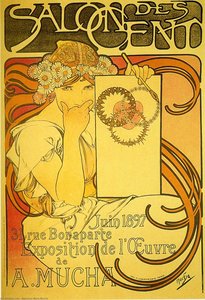
ოსტატები, რომლებსაც ჩვენი მხატვრები მუდმივად უბრუნდებიან. ჩეხმა მხატვრებმა ჩამოაყალიბეს ორი თანამედროვე სტილი: ალფონს მუხას არ ნუვო და ფრანტიშეკ კუპკას ადრეული აბსტრაქციზმი პარიზში. Აქ წარმოდგენილია 24 მათგანი; თითოეულის სამი ნამუშევარი დღემდე გვასწავლის მხატვრებს, ასევე მითითებულია მუზეუმები, სადაც მათი ნახვაა შესაძლებელი.
ალფონს მუხა (1860–1939), ანტონ რაფაელ მენგსი (1728–1779) და ფრანტიშეკ კუპკა (1871–1957) სათავეში დგას იმ 24 დიდ ჩეხიოსნურს შორის, რომლებიც ჩვენს ხელოვანებს შთაგონებას სძენენ; ყველა ისინი ჩეხეთის რესპუბლიკა-ში დაფარებულნი არიან და თითოეულ მათგანს სამი საკვანძო ნამუშევარი აქვს.


- 24ამ სიაში მოცემული მხატვრები
- 1002–1902დაბადების წლები
- 593ჩვენს კატალოგში წარმოდგენილი ჩეხეთის რესპუბლიკა ქვეყანაში დაბადებული ხელოვანები
- 2 854ჩვენს კატალოგში წარმოდგენილი ნამუშევრებიდან
სია
24 შესანიშნავი ჩეხი მხატვრები


3of 24
ფრანტიშეკ კუპკა 1871–1957
Born in ოპავა ['რეალიზმი', 'სიმბოლიზმი', 'ორფიზმი', 'კუბიზმი', 'აბსტრაქცია']

The move to Paris in 1894 changed the direction of his work. The paintings from this era show a departure from the representational style he had practiced in Prague and Vienna. His creative output is often viewed alongside the works of Piet Mondrian and Wassily Kandinsky, marking a shift toward a visual language that prioritized the interaction of color and shape over the depiction of the physical world.
Where to see To see his canvases in person, one might travel to New York City.


4of 24
იოსებ ჩაპეკი 1887–1945
Born in ჰრონოვი კუბიზმი

While history often remembers his brother, Karel Čapek, for introducing the concept of the robot to the world, it was Josef who provided the aesthetic soul to much of this era's avant-garde movement. His early training at the School of Applied Arts instilled in him a rigorous understanding of form, yet his spirit could not be contained by traditional boundaries. Josef Čapek passed away in April 1945 in Bergen-Belsen, leaving behind a legacy that continues to inspire awe.
Signature works · The 100 signature works


5of 24
ადალბერტ შტიფტერი 1805–1868
Born in ჰორნი პლანა ბიდერმაიერი, პეიზაჟი

His writing style is notable for its meticulous detail and understated elegance, reflecting his Biedermeier sensibilities—a movement emphasizing simplicity, realism, and a focus on everyday life. Despite suffering from declining health in his later years – culminating in a tragic suicide in 1868 – Adalbert Stifter’s legacy endures.


7of 24
გაბრიელ Von მაქსი 1840–1915
Born in პრაღა სესესიონისტური, მისტიკური ალეგორიები

Gabriel Cornelius Ritter von Max (1840-1915) was a profoundly singular figure in 19th-century Austrian art, an artist whose work defies easy categorization. Born in Prague to a sculptor father and a musician mother, his early life fostered a deep appreciation for both artistic expression and intellectual curiosity. Beyond his own artistic explorations, Max was deeply influenced by the Blue Rider movement, though he maintained a distinct identity within this broader circle of artists.


8of 24
იოსებ ფიურიხი 1800–1876
Born in ხრაშტავა მე-19 საუკუნე

Born in the quiet landscape of Pless, Prussian Silesia, on February 9, 1800, Josef Ritter von Führich emerged as a profound voice within the nineteenth-century art world.


9of 24
იოსებ მანესი 1820–1871
Born in პრაღა რეალიზმი

He was a painter who found meaning in the details of the natural world and the people who inhabited it. Rather than focusing on mere scenery, his Romantic landscapes aim to capture the soul of the Czech countryside. The respect for his contribution to art led to the creation of the Mánes Union of Fine Arts in 1887, an organization established in his honor.


10of 24
ბოჰუმილ კუბიშტა 1884–1918
Born in ვლჩკოვიცე Cubism, Expressionism, Fauvism

Initially moved by the emotional intensity of Post-Impressionism, particularly the works of Vincent van Gogh and Paul Cézanne, he soon found himself drawn toward the psychological depths of Expressionism. This shift was catalyzed by the transformative 1905 exhibition of Edvard Munch in Prague, which ignited a fascination with the symbolic power of color and the depiction of internal human struggle. As a founding member of the influential group Osma (The Eight), alongside artists like Emil Filla and Antonín Procházka, he helped establish an artistic platform that stood in bold opposition to academic traditions.


11of 24
პეტრ ბრანდლი 1668–1735
Born in პრაღა ბაროკო

Peter Johannes Brandl, also known as Jan Petr Brandl, was not merely an artist but a force of nature within the Bohemian landscape.


12of 24
ალფრედ კუბინი 1877–1959
Born in ლიტომერიცე სიმბოლიზმი და ექსპრესიონიზმი

Psychological Torment: Works such as Self-Reflection (c. 1902) utilize headless figures and fragmented bodies to mirror the disintegration of the self. Beyond his graphic mastery, Kubin was also a gifted writer, most notably composing the single novel The Other Side (Die andere Seite). Throughout his career, Kubin achieved international recognition, illustrating the works of legendary authors such as Fyodor Dostoevsky and Edgar Allan Poe.


13of 24
ვაცლავ ბროჟიკი 1851–1901
Born in ბროჟიკა

Brozik’s oeuvre is dominated by scenes of pastoral life. His paintings are not idealized romanticizations, however; they possess an earthy realism that grounds them in tangible experience. Artists like Jean-François Millet, known for their sympathetic portrayals of peasant life, could have served as inspiration.


14of 24
იაკობ შიკანედერი 1855–1924
Born in პრაღა Romanticism, Realism, Symbolism

Schikaneder’s contribution to the Czech national identity was notably realized through his participation in the decoration of the National Theatre in Prague in 1881. Working alongside Emanuel Krescenc Liška, he contributed to a project that represented a vital national revival of Czech culture.


15of 24
ბრეთესლავ I 1002–1055
შუა ages-ის მონეტის ხელოვნება

In the turbulent tapestry of medieval Europe, few figures loom as large or as formidable as Bretislav I, a ruler whose very name evokes the strength and strategic brilliance of the Přemyslid dynasty.
16of 24
მიკოლაშ ალეში 1852–1913
Born in მიროვიცე Bohemian Art

Though his fame was largely contained within the borders of Bohemia during his lifetime, his ability to weave folklore, history, and meticulous observation into a singular aesthetic has secured his place as one of the most beloved figures in Czech art history. Mikoláš Aleš, born in 1852 in the quiet town of Mirovice, was far more than a mere painter; he was a chronicler of Bohemian identity.


17of 24
გეორგ ფლეგელი 1566–1638
Born in ოლომოუცი მანერიზმი და ადრეული ბაროკო

The historical significance of Georg Flegel lies in his role as a pioneer who helped carve out a space for the still life as a respected, independent genre. Symbolic Depth: Integrating complex Renaissance humanist thought into the arrangement of everyday objects.


18of 24
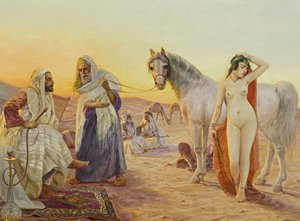
ოტო Pilny 1866–1936
Born in ციურიხი ორიენტალიზმი

Between 1889 and 1892, Pilny returned to Egypt, finding himself deeply embedded in the vibrant, bustling atmospheres of Alexandria and Cairo. It was during this era that his talent garnered significant recognition; his ability to render the nuances of Eastern life so authentically earned him the prestigious appointment as a Court Painter under the Ottoman authorities. Even as he settled in Zürich in 1895 and eventually embraced Swiss citizenship, the echoes of his North African travels remained the primary pulse of his creativity.
Signature works · The 100 signature works


19of 24
ემილ ორლიკი 1870–1932
Born in პრაღა სესესია

His artistic journey was deeply rooted in the vibrant intellectual atmosphere of Central Europe, moving between the creative hubs of Prague, Austria, and Berlin. His formative years were marked by rigorous training, notably at the Academy of Fine Arts in Munich during the 1890s. In Berlin, his collaborative spirit led him to work with Max Reinhardt at the Deutsches Theater, where he contributed to the visual language of the stage.


20of 24
ემილ ფილა 1882–1953
Born in ხროპინი Cubism

His life, which concluded on October 7, 1953, spanned the most turbulent decades of European history, yet his commitment to artistic progress remained unshakable. Leadership in the Avant-Garde: His pivotal role in founding groups like Skupina výtvarných umělců (Group of Visual Artists) and promoting modern discourse through publishing. He leaves behind a body of work that serves as a roadmap for the development of Czech modernism, characterized by: The Integration of International Movements: His ability to synthesize French Cubism and Surrealism with a distinct Central European sensibility.


21of 24
მაქს კურცვაილი 1867–1916
Born in ბზენეცი Vienna Secession

Born amidst the evocative landscapes of Bisenz, Bohemia, Maximilian Franz Viktor Zdenko Marie Kurzweil carried the romantic sensibilities of his youth into the heart of the Austro-Hungarian Empire. Yet, it was his immersion in the light-drenched ateliers of Paris, particularly the Académie Julian, that truly ignited his creative spirit. While he achieved significant professional milestones—including being awarded the prestigious Villa Romana prize in 1905 and serving as a respected professor at the Frauenkunstschule —his personal existence was often shadowed by an innate sense of melancholy.


22of 24
ტოიენი 1902–1980
Born in სმიხოვი სურრეალიზმი

Born into the vibrant, artistic heartbeat of Prague in 1902, Marie Čermívaná was destined to transcend the boundaries of conventional portraiture. As the daughter of a sculptor, her early years were saturated with an appreciation for form and the physical essence of art, providing a sturdy foundation for her later explorations of the intangible.


24of 24
アドルフ・ヘルツェル 1853–1934
Born in ოლომოკი ექსპრესციონიზმი

In the grand tapestry of modern art, few threads are as vital yet subtly woven as those left by Adolf Richard Hölzel.


ფიგურები
სად დაიბადნენ, როდის და სად შეიძლება მათი ნახვის
| პრაღა | 5 |
|---|---|
| ივანჩიცე | 1 |
| უსტი-ნად-ლაბემი | 1 |
| ოპავა | 1 |
| ჰრონოვი | 1 |
| ჰორნი პლანა | 1 |
| ტროპა | 1 |
| ხრაშტავა | 1 |
| 11 საუკუნე | 1 |
|---|---|
| 16 საუკუნე | 1 |
| 17 საუკუნე | 1 |
| 18 საუკუნე | 3 |
| 19 საუკუნე | 17 |
| 20 საუკუნე | 1 |
| National Gallery Prague | 9 |
|---|---|
| ბავარიის სახელმწიფო ფერწერის კოლექციები | 3 |
| Prague City Gallery | 1 |
| Walker Art Gallery | 1 |
| ერმიტაჟის მუზეუმი | 1 |
| მეტროპოლიტენის ხელოვნების მუზეუმი | 1 |
| Museum Kampa | 1 |
| სოლომონ რ. გუგენჰაიმის მუზეუმი | 1 |
კითხვები და პასუხები
Დიდი ჩეხი მხატვრები: კითხვები და პასუხები
ვინ არის ყველაზე ცნობილი ჩეხი მხატვარი?
ჩვენს რეიტინგში ალფონს მუხა (1860–1939), შემდეგ კი ანტონ რაფაელ მენგსი და ფრანტიშეკ კუპკა.
რამდენი ჩეხი მხატვარია თქვენს კატალოგში?
593 ხელოვანები, რომლებიც დაიბადნენ ჩეხეთის რესპუბლიკა-ში, 2 854 ნამisწერი; ამ გვერდზე წარმოდგენილია 24 ყველაზე ცნობილი მხატვარი.
რომელ ჩეხი მხატვარს აქვს ყველაზე მეტი ნამუშგარები თქვენს კატალოგში?
ალფონს მუხა, 338 ნამუშწარების შესრულებით.
ამ სიგითის მხატვრებისგან ყველაზე მეტი სად დაიბადა?
პრაღა-ში: 24-დან 5, გაბრიელ Von მაქსი, იოსებ მანესი, პეტრ ბრანდლი, იაკობ შიკანედერი და ემილ ორლიკი.
რომელი ქალი მხატვრებია წარმოდგენილი ამ სიაში?
ტოიენი და Barbara Krafft.
რა დროს დაიბადა ეს მხატვრები?
უმეტესობა 19 საუკუნე წამს (17 24-დან); დაბადების წლები 1002-დან 1902-მდე მერყეობს.
როგორ არის დალაგებული ეს სია Ჩვენი რეიტინგი ეფუძნება ვიკიპედიას, რედაქტორების მიერ თითოეულ ხელოვანსა და ნამუშევარს მინიჭებულ მანუალურ შეფასებას და ყოველთვიური ვიზიტების რაოდენობას თითოეულ გვერდზე.