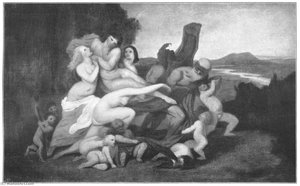
The Poet of Classical Form: The Life and Vision of Anselm Feuerbach
Anselm Feuerbach (1829-1880) stands as a monumental figure in the tapestry of German Romanticism and Neoclassicism, embodying a rare and harmonious fusion of these two powerful artistic currents. Born in Speyer to an intellectually profound lineage—his father, Joseph Anselm Ritter von Feuer डूबing, was a renowned archaeologist—Feuerbach was destined for a life steeped in the study of antiquity. This ancestral connection to the classical world profoundly shaped his artistic sensibilities from his earliest years. His formal education began at the Düsseldorf Academy between 1845 and 1848, where the rigorous tutelage of masters such as Johann Wilhelm Schirmer and Wilhelm von Schadow instilled in him a foundational understanding of classical aesthetics and the meticulous precision of sculptural craftsmanship.
The trajectory of his development was marked by a restless search for a visual language that could bridge the gap between the emotional depth of Romanticism and the structural purity of Neoclassicism. After honing his skills at the Munich Academy, Feuerbach sought inspiration beyond German borders, establishing himself in Antwerp to master the vibrant Venetian colorism under Gustave Wappers. His journey through Paris in 1851 provided a pivotal moment of artistic breakthrough; it was here that he produced Hafiz at the Fountain (1852). This breathtaking work, which infused Arabic poetry with classical idealism, served as a testament to his unique ability to synthesize disparate cultural influences into a singular, transcendent vision.
A Pilgrimage Through Light and Antiquity
Driven by an insatiable fascination with the Italian Renaissance, Feuerbach embarked on a spiritual and artistic pilgrimage to Italy. His immersion in Venice allowed him to absorb the expressive dynamism and rich palette of the Venetian masters, while his time in Florence and Rome cemented his dedication to humanist ideals. During his long residency in Rome, which lasted until 1873, he became a central figure among the Deutschrömer—a group of German artists living in Italy that included luminaries like Arnold Böcklin and Hans von Marées. This period was characterized by an intense focus on the dignity of the human form and the evocative power of mythological themes.
His technique was a sophisticated blend of several key elements:
- Classical Idealism: A commitment to the purity of line and the balanced composition found in Greek antiquity.
- Venetian Colorism: The use of luminous, emotive color to breathe life into static forms.
- Poetic Narrative: An ability to translate literary themes, from Greek myths to Persian poetry, into visual masterpieces.
Legacy and Historical Significance
The work of Anselm Feuerbach remains a profound meditation on the enduring beauty of the classical past. He did not merely imitate the ancients; rather, he reinterpreted their spirit for a modern era, creating compositions that feel both timeless and deeply personal. His paintings, often characterized by elegant figure compositions and a sense of melancholic stillness, continue to captivate audiences with their quiet intensity. By weaving together the structural rigor of Neoclassicism with the soulful lyricism of Romanticism, Feuerbach secured his place as one of the most significant painters of the 19th century, leaving behind a legacy that celebrates the eternal dialogue between humanity and myth.
კითხვები და პასუხები
რომელ ისტორიულ პერიოდში მოღვაწეობდა ანსელმ ფეერბახი?
ანსელმ ფეერბახი მე-19 საუკუნე პერიოდში მოღვაწეობდა. ეს ეპოქა ხელოვანის შემოქმედებას ისტორიულ კონტექსტს სვამს.
სად შეიძლება ანსელმ ფეერბახი-ის ნამუშევრების ნახვა ფერების პალიტრის მიხედვით დაჯგუფებულად?
ანსელმ ფეერბახი-ის ნამუშევრების კონკრეტული ფერების პალიტრის მიხედვით მოსაძებნად ეწვიეთ ხელოვანის პალიტრების მიხედვით გვერდს.
სად შემიძლია ვნახო ანსელმ ფეერბახი-ის ნამუშევრები ატმოსფეროს მიხედვით დალაგებული?
ანსელმ ფეერბახი-ის ნამუშევრების დათვალიერება შესაძლებელია მათი განწყობის მიხედვით, ხელოვანის განწყობის სივრცე გვერდზე, რომელიც ნამუშევრებს მათ შესაბამის განწყობაზე დაყრდნობით აჯგუფებს.
შესაძლებელია თუ არა ანსელმ ფეერბახი-ის ნამუშევრების ვირტუალური მუზეუმით დათვალიერება?
ანსელმ ფეერბახი-ის 3D გალერეა წარმოადგენს გვერდს, სადაც ხელოვანის ნამუშევრები ვირტუალურ სამგანზომილებიან გალერეაშია წარმოდგენილი.