
 ნახვა ინტერьерში
 გაგზავნა
 გაზიარება
 დეტალები
 გზამკვლევი

 ჩამოტვირთვა
 მსგავსები
 რენტგენოგრაფიული კვლევა
 სლაიდშოუ
 კითხვა-პასუხი
 სტატისტიკა
Mount E’mei

 სრული ტექსტის ნახვა
ამ გვერდზე წარმოდგენილი ნამუშევარი დაცულია საავტორო უფლების შესახებ კანონმდებლობით, რაც იმას ნიშნავს, რომ ჩვენ არ გვაქვს მისი იდენტური რეპროდუქციის შექმნის ან გაყიდვის სამართლებრივი უფლება. აღნიშნული დაცვა უზრუნველყოფილია ისეთი საერთაშორისო შეთანხმებებით, როგორიცაა ბერნის კონვენცია და ეროვნული კანონმდებლობით, მათ შორის იმ კანონებით, რომლებიც დეტალურად არის გაწერილი აშშ-ის საავტორო უფლების შესახებ კანონი - თავი 17.
ეს მეთოდი სრულად შეესაბამება საავტორო უფლებების რეგულაციებს, რადგან ის არ გულისხმობს დაცული ნამუშევრის კოპირებას ან დუბლირებას. ამგვარად, ეს წარმოადგენს შემოქმედებით რეინტერპრეტაციას — ახალ ნახატს, რომელიც შთაგონებითაა განპირობებული ორიგინალით, თუმცა არ არის მის იდენტურ ასლს.
გიკლე / ხელოვნების პრინტი
მუზეუმის დონის ჟიკლე ან ტილოზე ბეჭდვა სწრაფი წარმოებისა და დასრულების მოქნილი ვარიანტებით. ( შეიძინეთ ხელით შესრულებული ნახატი გადასვლა ციფრულ გამოსახულებაზე)




































აირჩიეთ ჩვენს მიერ წინასწარ განსაზღვრული ზომებიდან, რომლებიც ნაწარმოების ორიგინალურ პროპორციებს შეესაბამება.

შეიყვანეთ თქვენთვის საჭირო სიგანე და სიმაღლე, რათა იგი მოერგოს თქვენს ჩარჩოს ან კედელს. ბეჭდვისას შესაძლებელია მხოლოდ მისი შემცირება და არა გაზრდა, ამიტომ სხვა ფორმის ზომის შემთხვევაში გამოსახულება ნაწილობრივ იკარგება. სანამ რაიმეს დაბეჭდავთ, ჩვენ გამოგიგზავნით ციფრულ მაკეტს დასდასტურებლად. ამ გვერდზე ნაჩვენები სურათი არ ასახავს რეალურ ჭრას — ამას მხოლოდ მაკეტი გვიჩვენებს.
მიწოდება მთელ მსოფლიოში () 2 კვირაში, სტანდარტული 4/5 კვირის ნაცვლად. (6 ნოემბერი)

უფასო ექსპრეს მიწოდება მთელ მსოფლიოში

მაღალი ხარისხის ტილო

ტრანსპორტირების სრული დაზღვევა

საბაჟო გადასახადების დაბრუნების გარანტია

ფერების სრული შესაბამისობის გარანტია

დაბრუნების 100-დღიანი პერიოდი (მხოლოდ წარმოების დეფექტის შემთხვევაში)

100% თანხის სრული დაბრუნების გარანტია

ფასდაკლება დიდი რაოდენობით შეკვეთისას
 მინის ჩარჩოს არჩევანი ხელმისაწვდომია მხოლოდ 110 სმ-მდე ზომისთვის

Mount E’mei
გიკლე / ხელოვნების პრინტი
რეპროდუქციის ზომა
-


ჯამური ღირებულება
₾ 210
კითხვები და პასუხები
არსებობს თუ არა მსგავსი ნამუშევრები, როგორც "Mount E’mei"?
ნამუშევრებთან მსგავსი ნამუშევრები, როგორიცაა „Mount E’mei“, მოცემულია ამ ნამუშევრის მსგავსი ნამუშევრები გვერდზე.
რას განმარტავს ჟან დაციანი-ის „Mount E’mei“-ის საავტორო უფლებებთან დაკავშირებული მდგომარეობა?
ჟან დაციანი-ის „Mount E’mei“ არის კვლავ დაცულია საავტორო უფლებით. საავტორო უფლებების ვადა ითვლება ხელოვანის გარდაცვალებიდან, რომელიც მოხდა 1983 წელს.
აჩვენებს თუ არა "Mount E’mei" მკვეთრ სინათლისა და სიბნელის კონტრასტს?
ნათელი და ბნელი ფერების კონტრასტი ნამუშევრისთვის „Mount E’mei“ შეფასებულია როგორც Bold. კონტრასტი აღწერს, თუ რამდენად მკვეთრად განსხვავდება ნათელი და ბნელი არეები ერთმანეთისგან.
მხატვრის ბიოგრაფია
ჟან დაციანის ვიზიონერული სინთეზი
ჟან დაციანი, რომელიც 1899 წელს ჩინეთის ნეი-ჯიანგის პროვინციაში დაიბადა, მეოცე საუკუნის ერთ-ერთ ყველაზე გამორჩეულ და გარდამტეხ ფიგურად აღიქმება. მისი ცხოვრება იყო შემთხვევითობებითა და ღრმა კულტურული შთანთქმევით ქსოვილი ტაპესტრი, რომელიც დაიწყო ადრეული ნიჭით, რაც მას მხოლოდ თორმეტი წლის ასაკში ბედისწერის მკითხველობისთვის მოთხოვნას აძლევდა. სულიერებასა და სიმბოლიზმთან ამ ადრეულმა კავშირმა საფუძველი ჩაუყარა იმ სახელოვნებო მოგზაურობას, რომელმაც საბოლოოდ შეძლო ჩინეთის უძველესი ტრადიციები დასავლეთის ავანგარდულ მოძრაობებთან შეეკავშინა. მისი გზა კიდევ უფრო მეტად განსაზმოვდა მოულოდნელმა სირთულეებმა; ბანდიტური თავდასხმის დროს დატყვევების პერიოდი მისი ინტელექტის ქრუშალად იქცა, რამაც გაუღვივდა ღრმა მონატრება პოეზია მიმართ და დახვეწა ის დაკვირვებითი სიზუსტე, რაც მოგვიანებით მის ფუნჯის მანერას განსაზღვრავდა.
ჟანის დიდებულების არსი მდგომარეობს წარსულის პატივისცემისა და მომავლის უშიშარი მიღების უნარში. იგი არ შემოჰყავდა მხოლოდ კლასიკური სტილები, არამედ მათ ახალი სიცოცხლე შესძენდა ფორმის რადიკალური გადააზრების მეშვეობით. მისი ადრეული ძიებები ღრმად იყო ფესვგადგმული კალიგრაფიისა და ტრადიციული მელნით საღებავის ოსტატობაში, თუმცა მას გაუნელებელი შიმშილი ჰქონდა ინოვაციებისადმი. ამ დუალიზმმა საშუალება მისცა იგი გამხდარიყო გეომეტრიული აბსტრაქციის პიონერი ჩინური კონტექსტის ფარგლებში, შექმნა ვიზუალური ენა, რომელიც ერთდროულად მარადიულად ძველებურ world და შთამბეჭდავად თანამედროვეს ჰგავდა.
მოგზაურობა უძველეს იკონოგრფიასა და თანამედროვეობას შორის
ჟან დაციანის განვითარების ერთ-ერთი ყველაზე გადამწყვეტი თავი იყო მისი ღრმა კავშირი დუნხანის ბუდისტურ ხელოვნებათან. ცინგჰაის პროვინციის გუბერნატორის, მა ბუფანგის პატრონირებით, ჟანი მოგზაურობდა დუნხანის დიდებული მღვიმის ფრესკების შესასწავლად. უძველეს იკონოგრფიაში ამ შთანთქმევამ მას სულიერი და ტექნიკური საფუძველი მისცა, რადგან მან ზედმიწევნით შეისწავლა ბუდისტური ფრესკების მკვეთრი ფერები და დინამიკური ხაზები. ამ პერიოდმა განამტკიცა მისი ერთგულება კულტურული მემკვიდრეობის შენარჩუნებისადმი, მაშინაც კი, როდესაც იგი ცდილობდა რეს präsentiertზაციული ხელოვნების საზღვრების მსხვრევას.
როდესაც მისი კარიერა 1930-იან და 40-იან წლებში შანხაიში განვითარდა, ჟანმა დაიწყო ექსპერიმენტები სტილში, რომელიც მისი საფირმო ნიშანი გახდა. ბაუჰაუს პრინციპების სტრუქტურული სიმკაცრისა და რუსული კონსტრუქტივიზმის თამამი ენერგიის გავლენით, იგი მივიდა გამარტივებული, გეომეტრიული ლექსიკისკენ. წრეების, კვადრატებისა და ტრი angle-ების გამოყენებით, იგი ცდილობდა გადმოეტანა ღრმა ემოციური რეზონანსი და უნივერსალური ჭეშმარიტებები არა მხოლოდ ილუზიის, არამედ სტრუქტურის მეშვეობით. ამ ევოლუციამ იგი ჩინური გეომეტრიული აბსტრაქციის მოძრაობის ქვაკუთხედად აქცია და დაამტკიცა, რომ მელნის ტრადიციული საშუალება შეიძლებოდა გამოყენებულიყო თანამედროვე, ფრაგმენტირებული სამყაროს სირთულეების გამოსახატად.
ტექნიკის ოსტატობა და მარადიული მემკვიდრეობა
ჟან დაციანის ტექნიკური ბრწყინვალება ყველაზე თვალსაჩინოა მელნისა და ფერის დინამიკურობის მართვის უნარში, რათა აღძრას ატმოსფერო და ემოცია. მისი ნამუშევრები ხშირად მოძრაობენ კლასიკური პეიზაჟური ხელოვნების ნატიფი სიზუსტესა და თანამედროვე იმპრესიონიზმის ექსპრესიულ თავისუფლებას შორის. ისეთ შედევრებში, როგორიცაა "ბამბუკისა და ალუბლის ყვავილი", იგი იყენებს მელნით საღებავის რთულ დეტალებს გამძლეობისა და სიწმინდის სიმბოლოსთვის, ხოლო
მის ინდივიდუალურ ტილოებზე მიღმა, ჟან დაციანის ისტორიული მნიშვნელობა მდგომარეობს მის როლში, როგორც კულტურულ ხიდში. მან წარმატებით მოახდინა აღმოსავლეთის ესთეტიკური ღირებულებების ინტეგრირება დასავლეთის სტრუქტურულ ინოვაციებთან, შექმნა მემკვიდრეობა, რომელიც აგრძელებს შთაგონების მიღებას მთელ მსოფლიოში. მისი ცხოვრებისეული შრომა ხელოვნების ევოლუციის ძალის დასტურია — მოგზაურობა დუნხანის უძველესი მღვიმებიდან თანამედროვე აბსტრაქციის წვეროვან ზღვრამდე. თავისი ოსტატობით მან უზრუნველყო, რომ ტრადიციული ჩინური ხელოვნების სული არა მხოლოდ გადარჩენილიყო მეოცე საუკუნეში, არამედ ყოფილიყო მისი აყვავების საფუძველი.

ჟან დაციანი
1899 - 1983
მოკლე ფაქტები
- Artistic Movement Or Style: გეომეტრიული აბსტრაქცია და ტრადიციული იმპრესიონიზმი
- Artists Or Movements Influenced By This Artist: ['ჩინური ლანდშაფტური ხელოვნება']
- Artists Who Influenced This Artist: ['დუნჰანგის ბუდაისტური ხელოვნება']
- Date Of Birth: 10 მაისი, 1899
- Date Of Death: 2 აპრილი, 1983
- Full Name: ჟანგ დაციანი
- Nationality: ჩინელი
- Notable Artworks:
- უპერ იანძის গিরაკები
- ნისლიანი ლანდშაფტი
- ბანანი
- Place Of Birth: ნეი ჯიანგი, ჩინეთი
მსგავსი სტატიები

Ephemeral Expressions: Exploring the Nuances of Ink on Paper Through History & Contemporary Art
Explore the captivating world of ink wash painting – from its ancient origins to contemporary masters. Discover techniques, symbolism & conservation insights with OriginalUniqueArt.com.

როμανტიზმის ეპოქის ტენდერება: საუკეთესო 10 შედევრი, რომელმაც განსაზღვრა ლანშაფტური მხატვრობა
აღმოფრთოვანდით რომანტიზმის ეპოქის 10 საუკეთესო ლანშაფტური შედევრით! ტერნერი, კორტო და სხვა მხატვრების ნაწარმოებები. იხილეთ მათი ისტორია და აღმოგეყვინებათ ხელოვნების márgali. შეიძინეთ მაღალი ხარისბის რესტავრაციული ასლები OriginalUniqueArt.com-ზე!

კაცუსიკა ჰოკუსაის 25 შედევრი: იაპონური ხელოვნების გენიალური ნაწარმოებები თქვენს სახლში
გაიცანით კაცუსიკა ჰოკუსაის 25 შედევრი! იაპონური ხელოვნების გენიალური ნაწარმოებები, უქიო-ე სტილი და ფუჯის მთის გამოსახულებები. შეიძინეთ ხატვის რეკონსტრუქციები OriginalUniqueArt.com-ზე და შექმნით თქვენი სახლისთვის განსაკუთრებული ინტერიერი.
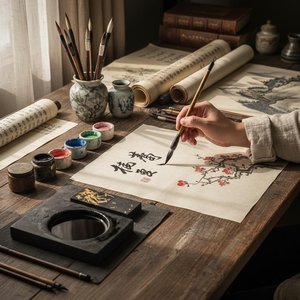
The Alchemy of Ink: Mastering the Timeless Beauty and Art History of Paper and Brush
Embark on a sophisticated exploration of ink wash painting and Sumi-e. Uncover the profound historical lineages, Zen philosophies, and technical mastery behind this timeless medium in our authoritative guide for fine art enthusiasts.
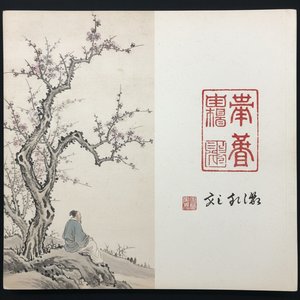
Xie Zhiliu: A Legacy of Ink Wash Painting & Modern Chinese Literati Tradition
Explore the legacy of Xie Zhiliu, a master of Chinese ink wash painting & prominent figure in modern art. Discover his techniques, influences, and contributions to literati tradition. A guide for discerning collectors.
