

 ნახვა ინტერьерში
 გაგზავნა
 გაზიარება
 დეტალები
 გზამკვლევი

 ჩამოტვირთვა
 მსგავსები
 რენტგენოგრაფიული კვლევა
 სლაიდშოუ
 სტატისტიკა
ელიჯა
 აკრილი ტილოზე
- კედლის დეკორი
- zionist decorative art
 1916
1916 90.0 x 91.0 cm
 ისრაელის მუზეუმი
 სრული ტექსტის ნახვა
ამ გვერდზე წარმოდგენილი ნამუშევარი დაცულია საავტორო უფლების შესახებ კანონმდებლობით, რაც იმას ნიშნავს, რომ ჩვენ არ გვაქვს მისი იდენტური რეპროდუქციის შექმნის ან გაყიდვის სამართლებრივი უფლება. აღნიშნული დაცვა უზრუნველყოფილია ისეთი საერთაშორისო შეთანხმებებით, როგორიცაა ბერნის კონვენცია და ეროვნული კანონმდებლობით, მათ შორის იმ კანონებით, რომლებიც დეტალურად არის გაწერილი აშშ-ის საავტორო უფლების შესახებ კანონი - თავი 17.
როგორც პატივისცემით სავსე და კანონიერი ალტერნატივა, ჩვენ გთავაზობთ ორიგინალით შთაგონებულ, ინდივიდუალურ, ხელით შესრულებულ ნამუშევრებს. ჩვენი ოსტატ და პროფესიონალი ხელოვანები საგულდაგულოდ სწავლობენ ორიგინალის სტილს, განწყობასა და მხატვრულ არსს, რათა შექმნან ახალი, უნიკალური ნამუშევარი, რომელიც იგივე ემოციას აღძრავს და, ამავდროულად, თავად წარმოადგენს დამოუკიდებელ, ორიგინალურ შემოქმედებას.
ეს მეთოდი სრულად შეესაბამება საავტორო უფლებების რეგულაციებს, რადგან ის არ გულისხმობს დაცული ნამუშევრის კოპირებას ან დუბლირებას. ამგვარად, ეს წარმოადგენს შემოქმედებით რეინტერპრეტაციას — ახალ ნახატს, რომელიც შთაგონებითაა განპირობებული ორიგინალით, თუმცა არ არის მის იდენტურ ასლს.
ხელით შესრულებული ზეთის საღებავით რეპროდუქცია
ტილოზე შესრულებული ფერწერიანი ზეთប្រდათი, თქვენთვის სასურველი ზომისა და ჩარჩოსთვის, ჩვენი ხელოვანების მიერ შეკვეთის საფუძველზე დამზადებული. ( გადართვა ბეჭდვის რეჟიმზე გადასვლა ციფრულ გამოსახულებაზე)




P118B ₾10

P118H ₾10

P118W ₾10

P438Z ₾10

P508JH ₾12

P508YH ₾12

P805H ₾10

P805Z ₾10

P919BZ ₾10

P919G ₾10

P919XJ ₾10

P959ZH ₾10

P968JZ ₾12

W106C ₾8

W218G ₾10

W218JH ₾8

W218Y ₾10

W307PJ ₾10

W316G ₾10

W316PJ ₾8

W316Y ₾10

W398PJ ₾8

W4111J ₾10

W500HY ₾15

W500JH ₾15

W692G ₾12

W849H ₾8

W940BG ₾15

W953PJ ₾8




აირჩიეთ ჩვენს მიერ წინასწარ განსაზღვრული ზომებიდან, რომლებიც ნაწარმოების ორიგინალურ პროპორციებს შეესაბამება.

შეიყვანეთ თქვენთვის საჭირო სიგანე და სიმაღლე, რათა ნახატი მოერგოს თქვენს ჩარჩოს ან კედელს. ვინაიდან ეს ნამუშევარი ხელით არის შესრულებული, სხვა ფორმის ზომის შემთხვევაში, მხატვარმა შესაძლოა სურათის გარშემო ოდნავ მეტი დატოვოს ან შეამციროს — არჩევანი თქვენზეა. დაწყებამდე, დასამტკიცებლად, ჩვენ გამოგიგზავნით ციფრულ მაკეტს. ამ გვერდზე ნაჩვენები სურათი არ ასახავს რეალურ შედეგს — რეალური სახე მხოლოდ მაკეტზე ჩანს.
შეკვეთის შემდეგ, OriginalUniqueArt.com გუნდი დაგიკავშირდებათ ელექტრონული ფოსტით ინსტრუქციებისთვის და გამოგიგზავნით წინასწარ ნახაზს (mockup).
მიწოდება მსოფლიო მასშტაბით -ში 3/4 კვირაში, სტანდარტული 5 კვირის ნაცვლად. (21 ოქტომბერი). ხარისხზე კომპრომისის გაკეთება არ მოხდება.

უფასო ექსპრეს მიწოდება მთელ მსოფლიოში

მაღალი ხარისხის ტილო

ტრანსპორტირების სრული დაზღვევა

საბაჟო გადასახადების დაბრუნების გარანტია

ფერების სრული შესაბამისობის გარანტია

დაბრუნების 100-დღიანი პერიოდი (მხოლოდ წარმოების დეფექტის შემთხვევაში)

100% თანხის სრული დაბრუნების გარანტია

ფასდაკლება დიდი რაოდენობით შეკვეთისას
 მინის ჩარჩოს არჩევანი ხელმისაწვდომია მხოლოდ 110 სმ-მდე ზომისთვის

ელიჯა
რეპროდუქციის ტექნიკა
რეპროდუქციის ზომა
-


ჯამური ღირებულება
₾ 782
Elijah – A Testament of Faith and Zionist Spirit
The artwork "Elijah" by Wolf Rawicki (Ze’ev Raban), created in 1916, stands as an emblem of the Bezalel School's artistic vision during its formative years. Founded in Jerusalem with a fervent ambition to forge a distinctive Israeli aesthetic rooted in Jewish heritage and national revival, the school sought to translate biblical narratives into tangible art forms—a mission brilliantly realized in pieces like this monumental chair. Measuring 90 x 91 cm, it’s more than just furniture; it's a carefully crafted symbol of Jewish tradition and aspiration for independence.The Bezalel School’s Artistic Language
Established amidst the burgeoning Zionist movement, the Bezalel School deliberately adopted a stylistic approach that blended classical Byzantine influences with elements drawn from Hebrew iconography. Rawicki’s collaborators—skilled artisans hailing from across the school’s workshops—were tasked with embodying this ethos through meticulous carving and inlay work. The overarching goal was to instill national pride by referencing biblical themes – specifically, the prophetic figure of Elijah – who is revered as protector of Jewish ritual observance and a beacon of hope for the future. This deliberate connection to Israel's past served as a powerful motivator for artistic expression.Detailed Decorative Elements: Biblical Scenes and Symbolic Representation
The chair’s surface is adorned with intricate carvings depicting scenes from biblical scripture, mirroring the school’s commitment to conveying profound spiritual messages through visual art. Dominating the composition are depictions of Elijah himself—a central figure in Jewish lore—engaged in prayerful contemplation alongside cherubs rendered in the distinctive Bezalel School style. Furthermore, emblems representing the twelve tribes of Israel are skillfully integrated into the design, reinforcing the chair’s symbolic significance as a representation of Jewish identity and history. The careful placement of these elements underscores the school's intention to communicate complex ideas about faith and national heritage.Technique and Material Considerations
Rawicki’s mastery lies in his ability to translate conceptual ideals into masterful craftsmanship. The chair was constructed from hardwood, meticulously carved with exceptional precision—a testament to the dedication of Bezalel School artisans. Elaborate inlay work, incorporating gold or brass accents, adds a luxurious sheen and enhances the textural richness of the piece. This technique reflects not only aesthetic considerations but also practical ones, ensuring durability and preserving the beauty of the artwork for generations to come. The meticulous attention to detail exemplifies the school’s commitment to excellence in artistic production.A Legacy of Zionist Vision
“Elijah’s Chair” embodies the spirit of its time—a period marked by fervent optimism regarding the establishment of a Jewish homeland and a deep yearning for cultural renewal. It serves as an enduring reminder that art can be instrumental in shaping national identity and transmitting spiritual values. Today, reproductions of this iconic artwork offer collectors and interior designers alike the opportunity to experience firsthand the profound beauty and symbolic depth of the Bezalel School’s pioneering artistic endeavor—a celebration of Jewish heritage and a testament to the transformative power of creative expression.კითხვები და პასუხები
რამდენად მკვეთრია ფერები ნამუშევარში Wolf Rawicki (Ravitzki)-ის „ელიჯა“?
სამ 작품ის „ელიჯა“ ფერების ინტენსივობა არის მონოქრომატული. ინტენსივობა აღწერს, თუ რამდენად მკვეთრად ვლინდება ფერები.
რა არის Wolf Rawicki (Ravitzki)-ის „ელიჯა“-ის აღქმადი სიკაშკაშე?
აღქმული სიკაშკაშის თვალსაზრისით, Wolf Rawicki (Ravitzki)-ის „ელიჯა“ არის ბრწყინვალე.
რამდენად ბევრ სინათლეს ასახავს, თითქოს, "ელიჯა" ფერები?
Wolf Rawicki (Ravitzki)-ის „ელიჯა“-ის სინათლის სიმკვეთრე ნათელი-ია. სიმკვეთრე აღწერს, თუ რამდენ სინათლეს ასახავს ფერები.
მხატვრის ბიოგრაფია
The Pioneering Vision of Ze’ev Raban: From Rawicki to the Soul of Israeli Art
Ze’ev Raban, born Wolf Rawicki in Kaunas, Russia, in 1890, stands as a monumental figure in the genesis of Israeli art. His journey wasn't merely that of an artist finding his voice; it was the forging of a new aesthetic identity for a nation yearning to express itself. Rawicki’s early life, steeped in the cultural currents of Eastern Europe, laid the foundation for a career dedicated to synthesizing tradition and modernity, culminating in works that became iconic symbols of a burgeoning national consciousness. He wasn't simply *a* painter; he was an architect of visual culture, deeply involved in shaping the artistic landscape of the nascent State of Israel.
Early Formation & The Bezalel School
Rawicki’s formal training took him across Europe – Munich, Paris, and Brussels – exposing him to the prevailing styles of the early 20th century. He absorbed the lessons of Jugendstil, Symbolism, and Art Nouveau, but these influences were never adopted wholesale. A crucial turning point came with his arrival at Bezalel Academy in Jerusalem in 1906. Bezalel, founded by Boris Schatz, was more than an art school; it was a crucible for creating a distinctly “Hebrew style.” This wasn’t about replicating historical forms but rather excavating the spirit of Jewish culture and translating it into contemporary artistic expression. Raban quickly became a central figure in this endeavor, embracing the challenge of defining what that aesthetic might look like.
A Synthesis of Tradition & Modernity
Raban's work is characterized by a remarkable ability to blend diverse influences. He sought inspiration not only from European art movements but also from traditional Jewish crafts, Islamic motifs, and the archaeological discoveries unfolding in Palestine. This fusion manifested in his decorative arts – silver Hanukkah lamps, ceremonial objects, furniture—where intricate carvings and stylized forms evoked ancient patterns while remaining firmly rooted in a modern sensibility. He believed that true Hebrew art wasn’t about imitation but about *interpretation* – distilling the essence of Jewish heritage into new artistic languages. His designs weren't merely beautiful; they were imbued with symbolic meaning, reflecting a deep connection to history and faith.
Major Achievements & The Capitoline Wolf
While Raban excelled in numerous mediums, his impact extended beyond individual artworks. He was instrumental in establishing the aesthetic principles of early Israeli design, influencing everything from typography to public monuments. Perhaps his most enduring legacy is the “Capitoline Wolf,” a silver menorah created for the Hebrew University on Mount Scopus in 1926. This piece, inspired by the Roman wolf that suckled Romulus and Remus, became a powerful symbol of Jewish resilience and national aspiration. It wasn’t simply a religious object; it was a statement about reclaiming heritage and forging a new future. The menorah's design, incorporating stylized Hebrew letters and motifs, resonated deeply with the Zionist movement and solidified Raban’s position as a leading artistic voice.
Historical Significance & Lasting Influence
Ze’ev Raban died in 1970, leaving behind a body of work that continues to inspire. He wasn't just an artist; he was a cultural pioneer who helped define the visual identity of Israel. His commitment to synthesizing tradition and modernity, his dedication to creating a distinctly Hebrew aesthetic, and his ability to imbue objects with profound symbolic meaning cemented his place as one of the most important figures in Israeli art history. His influence can be seen in the work of subsequent generations of artists and designers, who continue to grapple with the challenges of balancing cultural heritage with contemporary expression. Raban’s legacy is a testament to the power of art to shape national identity and inspire a sense of belonging.
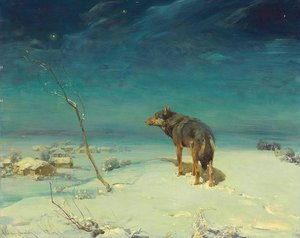
Wolf Rawicki (Ravitzki)
1890 - 1970 , Russia
მოკლე ფაქტები
- Full Name: Ze'ev Raban
- Nationality: Israeli
- Date Of Birth: 1890
- Date Of Death: 1970
- Place Of Birth: Kaunas, Russia
- Notable Artworks:
- Elijah
- Standing Hanukkah Lamp
- Capitoline Wolf
- Artistic Movement Or Style: Bezalel School Style
მსგავსი სტატიები
The Barbizon School: A Professional Guide to Naturalism and Landscape Mastery for Interior Designers
Explore the Barbizon School's mastery of naturalism. An expert guide for hotel designers and procurement managers on sourcing high-quality landscape reproductions to elevate hospitality and corporate interiors with authentic, large-scale fine art solutions.
Elizabeth Adela Forbes: A Pioneering Impressionist of the Newlyn School
Explore the life & art of Elizabeth Adela Forbes, a pioneering Impressionist of the Newlyn School. Discover her captivating paintings, unique style, and lasting legacy with OriginalUniqueArt.

The Hague School: Realism, Atmosphere & the Dawn of Dutch Impressionism
Explore the Hague School's pivotal role in Dutch art history. Discover realism, atmospheric landscapes & its influence on Impressionism. Learn about key artists like Mauve & Maris with OriginalUniqueArt.

The Sublime Landscape: Exploring the Hudson River School Movement
Explore the captivating world of the Hudson River School! Discover the history, artists, and defining characteristics of this iconic American art movement. Learn about Romanticism's influence & find inspiration for your collection.

ჰადსონის դպրոցի լավագույն 10 шеდევры: արվեստը, որ ձեւավորեց Ամերիկայի տեսարժան վայրերը
გაეცանի ჰადსონის դպրոցի լավագույն 10 шеդևրին! Thomas Cole-ից մինչև Albert Bierstadt, բացահայտեք ամերիկյան արվեստի պատմությունը և հասարակության գեղեցիկ տեսարանները: OriginalUniqueArt.com-ում գտնեք թանգարանի որակի վերարձկված նկարներ և ձևավորման ազդեցություն: ուսումնասիրեք ամբողջական հավաքածուն առցանց:
