წინასწარი ნახვა
 გაგზავნა
 გაზიარება
 დეტალები

 ჩამოტვირთვა
 მსგავსები
 რენტგენოგრაფიული კვლევა
 სლაიდშოუ
 სტატისტიკა
Haymaking


 გადასართად დაწვრილებით ნახეთ
ხელით ნაკვეთი ზეთის ტილოს რეპროდუქცია
ტილოზე შესრულებული ფერწერიანი ზეთប្រდათი, თქვენთვის სასურველი ზომისა და ჩარჩოსთვის, ჩვენი ხელოვანების მიერ შეკვეთის საფუძველზე დამზადებული. ( გადართვა ბეჭდზე გადასვლა ციფრულ გამოსახულებაზე)




P118B $10

P118H $10

P118W $10

P438Z $10

P508JH $12

P508YH $12

P805H $10

P805Z $10

P919BZ $10

P919G $10

P919XJ $10

P959ZH $10

P968JZ $12

W106C $8

W218G $10

W218JH $8

W218Y $10

W307PJ $10

W316G $10

W316PJ $8

W316Y $10

W398PJ $8

W4111J $10

W500HY $15

W500JH $15

W692G $12

W849H $8

W940BG $15

W953PJ $8




აირჩიეთ ჩვენს მიერ წინასწარ განსაზღვრული ზომებიდან, რომლებიც ნაწარმოების ორიგინალურ პროპორციებს შეესაბამება.

თქვენ შეგიძლიათ მიუთითოთ თქვენთვის სასურველი ზომები კონკრეტული ჩარჩოს ან სივრცის შესაბამისად. თუ თქვენ მიერ არჩეული ზომა არ შეესაბამება ორიგინალი გამოსახულების პროპორციებს, ჩვენ ან შევაჭრებთ ნაწარმოებს, ან ტილოზე დავამატებთ ხელით მოხატულ ელემენტებს. წარმოების დაწყებამდე, დამტკიცებისთვის გამოგეგზავნებათ ციფრული მაკეტი.
გთხოვთ, გაითვალისწინოთ, რომ ეკრანზე ნაჩვენები წინასწარი შეხედულება არ ასახავს რეალურ შეჭრას ან გაფართოებას. საბოლოო კომპოზიციას ზუსტად მხოლოდ მაკეტი წარმოაჩენს.
მიუხედავად იმისა, რომ შესაძლებელია ინდივიდუალური ზომების შერჩევა, ორიგინალური პროპორციების შენარჩუნებისათვის გირჩევთ, გამოიყენოთ წინასწარ განსაზღვრული სიის ზომები.
შეკვეთის შემდეგ, OriginalUniqueArt.com გუნდი დაგიკავშირდებათ ელექტრონული ფოსტით ინსტრუქციებისთვის და გამოგიგზავნით წინასწარ ნახაზს (mockup).
მიწოდება მსოფლიო მასშტაბით -ში 3/4 კვირაში, სტანდარტული 5 კვირის ნაცვლად. (14 სექტემბერი). ხარისხზე კომპრომისის გაკეთება არ მოხდება.

უფასო ექსპრეს მიწოდება მთელ მსოფლიოში

საბამად მაღალი ხარისხის ტილო

სრული ტრანსპორტირების დაზღვევა

საბაჟო გადასახადების დაბრუნების გარანტია

ფერების სრული შესაბამისობის გარანტია

დაბრუნების 100-დღიანი პოლიტიკა (მხოლოდ დეფექტის შემთხვევაში)

100% თანხის დაბრუნების გარანტია

ფასდაკლება დიდი რაოდენობით შეკვეთისას
 მინის ჩარჩოს არჩევანი ხელმისაწვდომია მხოლოდ 110 სმ-ზე ნაკლები ზომისთვის

Haymaking
რეკლამაციის ტექნიკა
რეკლამაციის ზომა
-


საბოლოო ფასი
$ 300
Winslow Homer’s “Haymaking”: A Rural Symphony of Light and Labor
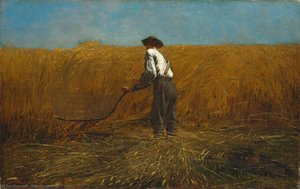
Winslow Homer's "Haymaking," painted in 1864 during the tumultuous years of the American Civil War, is more than just a depiction of agricultural labor; it’s a profound meditation on the rhythms of rural life, the dignity of work, and the quiet beauty found within the commonplace. Housed within the Columbus Museum of Art, this oil-on-canvas masterpiece offers a glimpse into a world both familiar and subtly transformed by the anxieties of a nation at war. Homer, a pivotal figure in American art, masterfully captures not just the visual elements of a hayfield, but also an atmosphere of serene contemplation—a rare and powerful sentiment during a period defined by conflict.
The scene unfolds with remarkable clarity. A solitary man, rendered in meticulous detail, stands amidst a vast expanse of golden wheat, his movements purposeful yet unhurried. He’s not a heroic figure engaged in grand battles, but rather an ordinary farmer, absorbed in the essential task of harvesting hay—a vital contribution to the sustenance of his community. Homer's skill lies in his ability to imbue this simple act with significance. The man’s attire – a worn hat and straw hat – speaks volumes about his life, suggesting resilience and connection to the land. The composition is carefully balanced; the figure occupies a central position, drawing the viewer’s eye while the surrounding trees and sky provide a sense of depth and scale.
A Palette of Peace: Color and Light in Homer's Technique
Homer’s masterful use of color is integral to the painting’s evocative power. He employs a warm, earthy palette—ochres, yellows, and browns—that evokes the comforting warmth of sunlight filtering through wheat stalks. These hues are juxtaposed with cooler blues and greens in the distant trees, creating a harmonious balance between the foreground activity and the expansive landscape. The light itself is crucial; Homer captures the late afternoon sun, casting long shadows across the field and bathing the scene in a golden glow. This isn’t merely realistic representation; it's an intentional orchestration of color and light designed to create a mood of tranquility and contentment.
Technically, “Haymaking” demonstrates Homer’s evolving style. While influenced by his early work as a commercial illustrator, he moves towards a more painterly approach, utilizing loose brushstrokes and a focus on capturing the texture of the hay and the natural world. The detail is remarkable – you can almost feel the roughness of the straw and hear the rustle of the wheat in the breeze. Homer’s ability to translate observation into paint is truly exceptional.
Symbolism and Context: A Reflection of a Nation
“Haymaking” was painted during the Civil War, a period of immense social and emotional upheaval. While seemingly a simple rural scene, the painting carries significant symbolic weight. The man’s solitary labor can be interpreted as a metaphor for the resilience and quiet strength of the American people in the face of adversity. It's a reminder that even amidst national turmoil, life continues—and essential tasks must be performed.
Furthermore, Homer’s choice to depict this scene during wartime was deliberate. He sought to offer a counterpoint to the grim realities of battle, presenting an image of normalcy and continuity. The painting subtly suggests that beauty and purpose can still be found in everyday life, even when surrounded by conflict. The work resonates with themes of American identity and the enduring spirit of its people.
Bringing “Haymaking” Home: Reproduction Possibilities
A hand-painted reproduction of Winslow Homer’s "Haymaking" offers a remarkable opportunity to bring this iconic artwork into your home or office. OriginalUniqueArt meticulously recreates the painting's nuanced color palette, textural details, and atmospheric quality using traditional oil painting techniques. The result is a stunningly accurate representation that captures the essence of Homer’s original vision—a testament to his artistic skill and a poignant reminder of the beauty found in the simple rhythms of rural life.
Consider how this evocative image can enhance your interior design, adding a touch of timeless elegance and quiet contemplation. Whether displayed as a statement piece or incorporated into a more subtle setting, “Haymaking” is sure to become a cherished focal point, inviting viewers to pause and appreciate the enduring power of American art.
მხატვრის ბიოგრაფია
Winslow Homer: ამერიკის სულისკვეთის თავიდან ბოლომდე
Winslow Homer, 1836 წელს ბოსტონში დაბადებული, არ იყო იმპრესიონისტი მხატვარი, რომელიც ტრადიციულ ევროპულ ხელოვნების აკადემიებში იაზარმებოდა. იგი ამერიკის გამოცდილებიდან წარმოიშვა, რაც პρακტიკულობასა და დაკვირვებას უკავშირდებოდა. მისი მოგზაურობა საგანგაშო ისტორიული ტილოებით არ ξεκίνησε, არამედ კომერციული ილუსტრატორად დაიწყო თორმეტი წლის ასაკში Harper's Weekly-ისთვის. ეს ადრეული გაკვეთილი ფორმირებადი იყო, რაც უჩვეულო უნარი ჰქონდა სცენების აღსაზრდელად სიხშირემ და დეტალთან ერთად – უნარები, რომლებიც მისი ზრდასრულობის ნიშანამორაგბად იქცეოდა. ის პარიზში პერსპექტივას არ სწავლობდა; ის ამერიკის ნახულობდა, მის ప్రజებსა და მის განვითარებად მოვლენებს. ბოსტონის აურზაული ქუჩები, რეგიონალური ნიუ-ინგლანდის ცხოვრების მშვიდი ღირებულება – ეს მისი პირველი საგნები იყო, რომლებიც სიზუსტით აღწეული იყო პრესის მოთხოვნების საჭიროების გამო. ამ საფუძველმა მას საშუალება მისცა ζωγραφικήςში გადასვლა, თავდაპირველად акварелью, სანამ სრულად მიიღებდა ზეთის ფერებით გამოხატვის გამოხატვითი პოტენციალი.პასტორალური სცენები ბუნების უშუალო ძალამდე
Homer-ის ადრეულ ნახატებში ხშირად απεικονებოდა იდილური სცენები – ბავშვები თამაშობდნენ, 농부들이 ველებს მოიცავდნენ, ოჯახური ცხოვრების მშვიდი მომენტები. ეს ნამუშევრები, მიუხედავად მათი очарования, υπονοούσαν βαθύτεლ შემოქმედებითი სენსიბილიტეტის არსებობას. ამ μεταμόρφωσης καταλύτης უდავოდ აშ civil war იყო. როგორც Harper's Weekly-სათვის ომის корреспондент, Homer პირველად شاهد شد ბრძოლების მძიმე რეალობაზე. ის არ επικεντρωνόταν героული ბრძოლებზე ან μεγάλα στρατηγικά σχέδια, არამედ დოკუმენტირებდა ჯარისკაცებისა და civilian-ების ყოველდღიურ ცხოვრებას, მწუხარებისა და გამძლეობის მშვიდი მომენტებს ქაოსში. ამ გამოცდილებამ βαθιά შეცვალა მისი მხატვრული ხედვა. პასტორალური სცენები დათმობილი იყო უფრო challenging საგნებისთვის: veterani, რომლებიც ტრავმას ებრძოდნენ, განთავისუფლებული slaves, რომლებიც ახალ სამყაროში էին ნავიგაციაში, და пейзажей მკაცრი красаობა, რომელიც కష్టებით იყო შეხებაში. მან დაიწყო темиების შესწავლა борьбы, απομόνωσης და ადამიანის ბუნებრივი ურთიერთობის 불안ურობის შესახებ – თემები, რომლებიც მისი ყველაზე ძლიერი ნამუშევრების დომინირებას უზრუნველყოფდა. მისი სტილი ასევე განვითარდა, უფრო смелым და პირდაპირით, რაც მან شاهد شد эмоциональной გავლენას ასახავდა.แสง, ტექსტურა და ამერიკის пейзажის დამკვრელობა
Winslow Homer-ის მხატვრული ტექნიკა მაშინვე узнаваем მისი სიმყუდროვისთვის და ტექსტურისთვის. მას არ აინტერესებდა მომენტალური შთაბეჭდილებები; ის కోరుമായിരുന്നു, რომ ტილოზე tangible რეალობის გრძნობა აშენებულიყო. მისი ზეთის ფერებით შესრულებული ნახატები ხასიათდება პირდაპირი ζωγραφικής მიდგომით – ფერის στρώματα, რომლებიც уверенно გამოიყენება, სიღრმეს და φωτεινότητα δημιουργεί. მას უჩვეულო უნარი ჰქონდა φωτός აღებას, იქნება ეს მზის خیرات ზღვასთან ან сельской пейзажის мягкий свет. ეს ਮੁხარინე მისი аквареლებისთვისაც გავრცელებული იყო, სადაც он достигал необычайных атмосферных эффектов яркими цветами и нежными прописками. Breezing Up (A Fair Wind), რომელიც 1876 წელს შეიქმნა, иллюстрирует эту способность – quintessential απεικόνιση ამერიკული морской ζωής, энергия და მოძრაობით სავსე. The Gulf Stream, რომელიც ათწლიან შემდეგ შეიქმნა, შესაძლოა მისი ყველაზე iconic ნამუშევარია, одинокого человека ბრძოლის სიმბოლური απεικόნების мощная და სიმბოლური απεικόნება ბუნებრივი ძალების წინააღმდეგ, ადამიანური борьбы υπερβολικών πιθανοτήτων метафора. ის просто არ ნახულობდა რას ხედავდა; ის გრძნობებს გადასცემდა, эмоциональную правду человеческого состояния.ამერიკული რეალიზმის საფუძველი
მიუხედავად იმისა, რომ Homer-ი восхищался ევროპელ მხატვრებზე, როგორებიც იყვნენ Barbizon school-ის წარმომადგენლები – ცნობილი своими реалистичными деревенскими сценами – და აღიარებდა 영향을 Courbet-ისა და Millet-ისგან, ის საბოლოო ჯერ საკუთარი განსხვავებული ამერიკული გზას გაიხსნა. მან უარყო prevailing academic конвенции და вместо этого сосредотоდა ქვეყნის უნიკალური духа აღწევით. მისი მემკვიდრეობა მდგომარეობს მის способности Америკის честностью და аутентичностью απεικόნებას, რომ არ романтизирует ან идеализирует. მას не было интересно ევროპული სტილის თაყვანება; ის хотел создать искусство, которое будет уникально американским, отражающим его пейзажи, его людей и его вызовы. Innocence, ბავშვობის трогательное απεικόნება природы ფონად, და Man of Science, демонстрирующий его умение захватывать человеческую психологию, являются свидетельством этой приверженности. Его влияние можно увидеть в работах более поздних американских художников, которые стремились изобразить свою страну с той же прямотой и эмоциональной глубиной.- მის ნამუშევრები დღესაც вдохновляет თანამედროვე მხატვრებს.
- Homer-ი остается ключевой фигурой в развитии американского реализма.
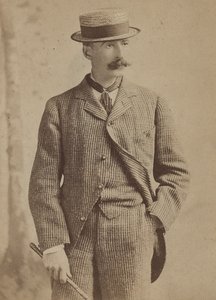
วินซ์โฮมเมอร์
1836 - 1910 , სამხრეთ ამერიკის შეერთებული შტატები
მოკლე ინფორმაცია
- Artistic Movement Or Style: ამერიკული რეალიზმი
- Artists Or Movements Influenced By This Artist: ['ამერიკელი მხატვრები']
- Artists Who Influenced This Artist:
- Barbizon school
- Courbet
- Millet
- Date Of Birth: 1836 წლის 24 თებერვალი
- Date Of Death: 1910 წლის 29 სექტემბერი
- Full Name: Winslow Homer
- Nationality: ამერიკელი
- Notable Artworks:
- Breezing Up
- The Gulf Stream
- Innocence
- Man of Science
- Place Of Birth: Boston, USA
დაკავშირებული სტატიები
უინსლოუ ჰომერის 25 შედევრი: ხელოვნების ისტორია თქვენს სახლში | OriginalUniqueArt.com
აღმოაჩინეთ უინსლოუ ჰომერის 25 გამორჩეული ნახატი! ამერიკული ხელოვნების შედევრები, seascape-ები და რეალიზმის სტილი. შეიძინეთ ხარისხიანი რეკონსტრუქციები OriginalUniqueArt.com-ზე და გააფართოეთ თქვენი სახლის დეკორი ხელოვნების ისტორიით. Explore the full collection online!

American Realism's Defining Works: 10 Masterpieces for Your Home
Explore 10 defining American Realism masterpieces – Hopper, Homer & more. Discover the stories behind these iconic paintings and bring timeless art to your home with OriginalUniqueArt's museum-quality reproductions. Explore the full collection online.

ჯონ კონსტებლის 25 საუკეთესო შედევრი | ხელოვნების რეკრეაციები OriginalUniqueArt-ზე
გაიცანით ჯონ კონსტებლის 25 საუკეთესო შედევრი! ინგლისური პეიზაჟების ისტორია, XIX საუკუნის ხელოვნება და OriginalUniqueArt-ზე ხელოვნების უნიკალური კოლექცია. შეიძინეთ ხარისხიანი რეკრეაციები სახლის დეკორაციისთვის. აღმოაჩინეთ სრულყოფილი შეფერილი ტილოები OriginalUniqueArt.com-ზე!

Evocations of Place: A Historical Journey Through Landscape Art
Explore the rich history of landscape art with OriginalUniqueArt. Discover renowned artists, movements like Impressionism & Romanticism, and expert guidance for collecting timeless pieces. Find your perfect serene escape today!

Grant Wood & American Regionalism: Identity, Myth & the Rural Landscape
Explore the world of Grant Wood & American Regionalism with OriginalUniqueArt. Discover the symbolism behind 'American Gothic', recurring themes, and the movement's lasting impact on art history. High-quality reproductions available.