
 ნახვა ინტერьерში
 გაგზავნა
 გაზიარება
 დეტალები
 გზამკვლევი

 ჩამოტვირთვა
 მსგავსები
 რენტგენოგრაფიული კვლევა
 სლაიდშოუ
 Q&A
Q&A სტატისტიკა
Forest Interior in Autumn


 სრული ტექსტის ნახვა
გიკლე / ხელოვნების პრინტი
მუზეუმის დონის ჟიკლე ან ტილოზე ბეჭდვა სწრაფი წარმოებისა და დასრულების მოქნილი ვარიანტებით. ( შეიძინეთ ხელით შესრულებული ნახატი გადასვლა ციფრულ გამოსახულებაზე)




P118B ₾10

P118H ₾10

P118W ₾10

P438Z ₾10

P508JH ₾12

P508YH ₾12

P805H ₾10

P805Z ₾10

P919BZ ₾10

P919G ₾10

P919XJ ₾10

P959ZH ₾10

P968JZ ₾12

W106C ₾8

W218G ₾10

W218JH ₾8

W218Y ₾10

W307PJ ₾10

W316G ₾10

W316PJ ₾8

W316Y ₾10

W398PJ ₾8

W4111J ₾10

W500HY ₾15

W500JH ₾15

W692G ₾12

W849H ₾8

W940BG ₾15

W953PJ ₾8




აირჩიეთ ჩვენს მიერ წინასწარ განსაზღვრული ზომებიდან, რომლებიც ნაწარმოების ორიგინალურ პროპორციებს შეესაბამება.

შეიყვანეთ თქვენთვის საჭირო სიგანე და სიმაღლე, რათა იგი მოერგოს თქვენს ჩარჩოს ან კედელს. ბეჭდვისას შესაძლებელია მხოლოდ მისი შემცირება და არა გაზრდა, ამიტომ სხვა ფორმის ზომის შემთხვევაში გამოსახულება ნაწილობრივ იკარგება. სანამ რაიმეს დაბეჭდავთ, ჩვენ გამოგიგზავნით ციფრულ მაკეტს დასდასტურებლად. ამ გვერდზე ნაჩვენები სურათი არ ასახავს რეალურ ჭრას — ამას მხოლოდ მაკეტი გვიჩვენებს.
მიწოდება მთელ მსოფლიოში () 2 კვირაში, სტანდარტული 4/5 კვირის ნაცვლად. (31 ოქტომბერი)

უფასო ექსპრეს მიწოდება მთელ მსოფლიოში

მაღალი ხარისხის ტილო

ტრანსპორტირების სრული დაზღვევა

საბაჟო გადასახადების დაბრუნების გარანტია

ფერების სრული შესაბამისობის გარანტია

დაბრუნების 100-დღიანი პერიოდი (მხოლოდ წარმოების დეფექტის შემთხვევაში)

100% თანხის სრული დაბრუნების გარანტია

ფასდაკლება დიდი რაოდენობით შეკვეთისას
 მინის ჩარჩოს არჩევანი ხელმისაწვდომია მხოლოდ 110 სმ-მდე ზომისთვის

Forest Interior in Autumn
გიკლე / ხელოვნების პრინტი
რეპროდუქციის ზომა
-


ჯამური ღირებულება
₾ 208
A Tapestry of Autumnal Splendor
To gaze upon William Trost Richards' Forest Interior in Autumn is to step through a veil into a moment suspended between seasons—a breathtaking immersion into the heart of nature’s magnificent transition. This painting does more than merely depict woods; it captures the very breath of fall itself. The air seems thick with the scent of decaying leaves and damp earth, while the light filters through the canopy in shafts of liquid gold. Richards masterfully orchestrates a scene where every element, from the vibrant crimson foliage to the gentle murmur of the stream, contributes to an overwhelming sense of serene grandeur.
The Artistry of Observation: Technique and Detail
Richards’ approach to landscape painting is marked by a commitment to meticulous observation, a hallmark that distinguishes his work within the tradition of American landscape art. While the emotional resonance of the scene speaks to Romantic sensibilities, the execution reveals an almost scientific fidelity to detail. Observe how the artist renders the texture of bark on the foreground trees, or the delicate scattering of fallen leaves upon the forest floor. The composition itself is a study in balance; the central stream acts as a visual artery, drawing the eye deeper into the painting's depths, while the varied placement of trees creates a natural rhythm that guides the viewer’s gaze effortlessly from the immediate foreground to the hazy distance.
Historical Echoes and Emotional Resonance
Created in 1865, this work emerges from a period when American artists were deeply engaged with defining a national identity through its unparalleled natural beauty. For Richards, nature was not just a backdrop; it was a subject worthy of profound study. The inclusion of the solitary figure near the center adds a poignant human element. This person is not merely placed within the scene; they are absorbed by it, serving as an emotional anchor for the viewer—a silent witness to the cyclical beauty that both comforts and reminds us of time's passage. Autumn, in art, has always symbolized change, maturity, and beautiful decay.
Bringing the Forest Home: For Collectors and Designers
For those who seek to infuse a space with the timeless poetry of the wilderness, a reproduction of this piece offers an unparalleled opportunity. The warm palette—the deep reds, burnt oranges, and rich umbers—possesses an inherent warmth that can transform any room, whether it be a formal drawing-room or a cozy study nook. Its enduring appeal lies in its perfect marriage of vibrant color and profound tranquility. Owning this artwork is not just acquiring a painting; it is curating a permanent portal to the quiet majesty of an autumn day in the American woods.
კითხვები და პასუხები
ცნობილია თუ არა სხვა სახელებით „Forest Interior in Autumn“-ის ავტორი, უილიამ ტროსტ რიჩარდსი?
Forest Interior in Autumn-ის ავტორის, უილიამ ტროსტ რიჩარდსი, სხვა 알려ებული სახელები მოიცავს: W. ტროსტ რიჩარდსი, უილიამ ტროსტ რიჩარდსი (William Trost Richards), რიჩარდსი, უილიამ ტროსტ.
სად იმყოფება "Forest Interior in Autumn" უილიამ ტროსტ რიჩარდსი-ის შემოქმედებისათვის დამახასიათებელ თემებსა და სტილში?
უილიამ ტროსტ რიჩარდსი-ის შემოქმედებაში „Forest Interior in Autumn“ Hudson River School სტილშია შესრულებული და hudson river school influence, nature's beauty captured vividly, meticulous detail focus, american landscape tradition თემებს ეფუძნება.
არსებობს თუ არა სტუდენტებისთვის განკუთვნილი ინფორმაციული ფურცელი უილიამ ტროსტ რიჩარდსი-ის „Forest Interior in Autumn“-ის შესახებ?
უილიამ ტროსტ რიჩარდსი-ის „Forest Interior in Autumn“-ის გზამკვლევი გვერდი გთავაზობთ ბეჭდად ამოსაღებ ორგვერდიან ფაქტების ფურცელს: ნამუშევარს თავისი საიდენტიფიკაციო ცხრილით, დეკადების სარტყელს, რომელიც მას ხელოვანის სიცოცხლის პერიოდს უკავშირებს, ხელოვანის სხვა ნამუშევრებს, გაზომილ ფერల პალიტრას და ასატყვევ ციტატებს ოთხი სხვადასხვა სტილით.
მხატვრის ბიოგრაფია
A Meticulous Vision of Nature: The Life and Art of William Trost Richards
William Trost Richards, born in Philadelphia on November 14, 1833, occupies a unique position within the pantheon of American landscape painters. He wasn’t driven by the dramatic flourishes or romanticized ideals that characterized many of his contemporaries within the Hudson River School; instead, Richards pursued an almost scientific fidelity to nature, rendering scenes with a precision and detail that bordered on photographic realism. His early life provided a foundation for this distinctive approach. While formally educated at Central High School in Philadelphia, it was his apprenticeship between 1850 and 1855 with the German artist Paul Weber, combined with work as a designer of ornamental metalwork, that instilled within him a dedication to meticulous craftsmanship and observation. This blend of artistic training and practical skill would become the hallmark of his mature style. He wasn’t simply painting what he *felt* about nature; he was painstakingly documenting what he *saw*.From European Influences to American Shores
Richards's artistic journey took him to Europe in 1853, alongside fellow painters William Stanley Haseltine and Alexander Lawrie. This period proved formative, exposing him to the Düsseldorf School of painting—renowned for its detailed landscapes. However, upon his return to America, Richards began forging a path distinctly his own. He exhibited at the Pennsylvania Academy of Fine Arts from 1852 until 1905, gaining recognition within the Philadelphia art community. His first major public exhibition came in 1858 with a show organized by Albert Bierstadt in New Bedford, Massachusetts, aligning him, albeit loosely, with the Hudson River School tradition. Yet, even then, his work stood apart. While others sought to capture the sublime grandeur of nature, Richards focused on its intricate details—the texture of rocks, the play of light on water, the delicate structure of foliage. In 1862 he was elected an honorary member of the National Academy of Design and became a full academician in 1871, solidifying his standing within the American art establishment. He also joined the Association for the Advancement of Truth in Art, an American Pre-Raphaelite group, further emphasizing his commitment to realism and detailed observation.The White Mountains and Coastal Reveries
Perhaps Richards is best known for his watercolor views of the White Mountains of New Hampshire. These works, created during summers spent on the East Coast following his European sojourn, are remarkable for their almost clinical accuracy. He didn’t attempt to impose a romantic narrative onto the landscape; he simply presented it as it was—a complex interplay of geological formations, vegetation, and atmospheric conditions. Many of these watercolors now reside in the collection of the Metropolitan Museum of Art, testament to their enduring artistic merit. Later in his career, Richards shifted his focus almost exclusively to coastal scenes, particularly along the shores of New Jersey, Maine, and Rhode Island. These paintings reveal a deep fascination with the ocean’s rhythms—the relentless crashing of waves, the shifting patterns of light on the water's surface, the subtle gradations of color in the sky. He built a house in Jamestown, Rhode Island, in 1881, where he lived and worked until his death, fully immersed in the maritime world that became his primary subject matter.A Legacy of Precision and Observation
William Trost Richards passed away on November 8, 1905, in Newport, Rhode Island, leaving behind a body of work that continues to captivate viewers with its meticulous detail and unwavering commitment to realism. His influence can be seen in the works of later artists who embraced a more objective approach to landscape painting. His rejection of romanticism, his insistence on factual accuracy, and his masterful technique set him apart as a unique voice within American art history. He wasn’t interested in creating idealized visions of nature; he wanted to capture its essence with uncompromising honesty. His paintings are held in numerous prestigious museums across the United States, including the National Gallery, the Saint Louis Art Museum, and the Smithsonian American Art Museum, ensuring that his legacy will endure for generations to come. His daughter, Anna Richards Brewster, also followed in his footsteps as a painter, further extending the family’s artistic contribution.Exploring Further
- Discover more of Richards' work at online art databases like OriginalUniqueArt.com.
- Delve deeper into his life and career through resources such as Wikipedia and the Smithsonian Archives of American Art.
- Explore works by artists influenced by Richards, such as Enrique Arrigoni and his daughter Anna Richards Brewster.
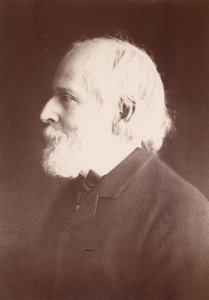
უილიამ ტროსტ რიჩარდსი
1833 - 1905 , საქართველო
მოკლე ფაქტები
- Artistic Movement Or Style: ჰუდსონის სკოლა
- Artists Or Movements Influenced By This Artist: ['Anna Richards Brewster']
- Artists Who Influenced This Artist:
- Paul Weber
- Albert Bierstadt
- Date Of Birth: 14 ნოემბერი, 1833
- Date Of Death: 8 ნოემბერი, 1905
- Full Name: William Trost Richards
- Nationality: ამერიკელი
- Notable Artworks:
- Lago Avernus
- Woodland Landscape
- Place Of Birth (City And Country): ფილადელფია, აშშ
მსგავსი სტატიები
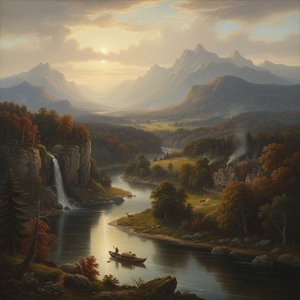
Capturing the American Spirit: A Journey Through Iconic Landscapes and the Legacy of the Hudson River School
Explore the profound beauty of American art history. From the Hudson River School to iconic landscapes, discover a curated journey through the masterpieces that defined a nation's spirit and the enduring legacy of American Romanticism.

Wild & Untamed: The High-Impact Energy of American Romanticism and the Hudson River School
Experience the raw power of American Romanticism. Explore the high-impact energy of the Hudson River School through premium, hand-painted oil reproductions that capture the sublime beauty and untamed spirit of the American wilderness for discerning collectors.

ჰადსონის դպրոցի լավագույն 10 шеდევры: արվեստը, որ ձեւավորեց Ամերիկայի տեսարժան վայրերը
გაეცանի ჰადსონის դպրոցի լավագույն 10 шеդևրին! Thomas Cole-ից մինչև Albert Bierstadt, բացահայտեք ամերիկյան արվեստի պատմությունը և հասարակության գեղեցիկ տեսարանները: OriginalUniqueArt.com-ում գտնեք թանգարանի որակի վերարձկված նկարներ և ձևավորման ազդեցություն: ուսումնասիրեք ամբողջական հավաքածուն առցանց:

Epic Landscapes & Wild Nature: The Power of the Hudson River School's Sublime Artistry
Explore the breathtaking power of the Hudson River School. Journey through epic American landscapes, from Thomas Cole's sublime vistas to Luminist light, and discover how these timeless masterpieces continue to inspire modern collectors and art lovers worldwide.

The Sublime Landscape: Exploring the Hudson River School Movement
Explore the captivating world of the Hudson River School! Discover the history, artists, and defining characteristics of this iconic American art movement. Learn about Romanticism's influence & find inspiration for your collection.