

 ნახვა ინტერьерში
 გაგზავნა
 გაზიარება
 დეტალები
 გზამკვლევი

 ჩამოტვირთვა
 მსგავსები
 რენტგენოგრაფიული კვლევა
 სლაიდშოუ
 სტატისტიკა
The Rookery


 სრული ტექსტის ნახვა
გიკლე / ხელოვნების პრინტი
მუზეუმის დონის ჟიკლე ან ტილოზე ბეჭდვა სწრაფი წარმოებისა და დასრულების მოქნილი ვარიანტებით. ( შეიძინეთ ხელით შესრულებული ნახატი გადასვლა ციფრულ გამოსახულებაზე)




P118B ₾10

P118H ₾10

P118W ₾10

P438Z ₾10

P508JH ₾12

P508YH ₾12

P805H ₾10

P805Z ₾10

P919BZ ₾10

P919G ₾10

P919XJ ₾10

P959ZH ₾10

P968JZ ₾12

W106C ₾8

W218G ₾10

W218JH ₾8

W218Y ₾10

W307PJ ₾10

W316G ₾10

W316PJ ₾8

W316Y ₾10

W398PJ ₾8

W4111J ₾10

W500HY ₾15

W500JH ₾15

W692G ₾12

W849H ₾8

W940BG ₾15

W953PJ ₾8




აირჩიეთ ჩვენს მიერ წინასწარ განსაზღვრული ზომებიდან, რომლებიც ნაწარმოების ორიგინალურ პროპორციებს შეესაბამება.

თქვენ შეგიძლიათ მიუთითოთ საკუთარი ზომები კონკრეტული ჩარჩოსთვის ან სივრცისთვის მოსარგებლებლად. თუ თქვენ მიერ არჩეული ზომა არ შეესაბამება ორიგინალი გამოსახულების პროპორციებს, ჩვენ ან დავჭრით ნამუშევარს, ან გავაფართოვებთ გამოსახულებას სარკული ან ერთფეროვანი კიდეებით. წარმოების დაწყებამდე თქვენს დასამტკიცებლად გამოგეგზავნებათ ციფრული მაკეტი.
გთხოვთ, გაითვალისწინოთ, რომ ეკრანზე ნაჩვენები წინასწარი ნახვა არ ასახავს რეალურ ჭრას ან გაფართოებას. მხოლოდ მაკეტზე იქნება ზუსტად წარმოდგენილი საბოლოო კომპოზიცია.
მიუხედავად იმისა, რომ ინდივიდუალური ზომები ხელმისაწვდომია, ორიგინალური პროპორციების შესანარჩუნებლად გირჩევთ, აირჩიოთ ზომა წინასწარ განსაზღვრული სიისგან.
მიწოდება მთელ მსოფლიოში () 2 კვირაში, სტანდარტული 4/5 კვირის ნაცვლად. (12 ოქტომბერი)

უფასო ექსპრეს მიწოდება მთელ მსოფლიოში

მაღალი ხარისხის ტილო

ტრანსპორტირების სრული დაზღვევა

საბაჟო გადასახადების დაბრუნების გარანტია

ფერების სრული შესაბამისობის გარანტია

დაბრუნების 100-დღიანი პერიოდი (მხოლოდ წარმოების დეფექტის შემთხვევაში)

100% თანხის სრული დაბრუნების გარანტია

ფასდაკლება დიდი რაოდენობით შეკვეთისას
 მინის ჩარჩოს არჩევანი ხელმისაწვდომია მხოლოდ 110 სმ-მდე ზომისთვის

The Rookery
გიკლე / ხელოვნების პრინტი
რეპროდუქციის ზომა
-


ჯამური ღირებულება
₾ 209
The Artist and the Painting
William James Blacklock was a talented artist known for his landscapes and portraits. The Rookery is one of his notable works, featuring a peaceful scene of people strolling down a path in front of a large building with a castle-like appearance. The surrounding trees add to the tranquility of the atmosphere, while a horse in the background brings a sense of liveliness to the scene. Key Features of the painting include:- The use of oil on canvas, which allows for rich and vibrant colors
- The depiction of everyday life in a serene outdoor setting
- The attention to detail in the architecture and natural surroundings
For those interested in purchasing handmade oil painting reproductions, OriginalUniqueArt.com offers a wide range of options, including Walter Launt Palmer by Robert M. Pennie (1854-1888). With its rich colors and attention to detail, The Rookery is a beautiful addition to any art collection.
კითხვები და პასუხები
როგორ ვიპოვო William James Blacklock-ის „The Rookery“-ის მსგავსი ნამუშევრები?
William James Blacklock-ის „The Rookery“-ის მსგავსი ნამუშევრები გვერდი წარმოგიდგენთ მსგავს ნამუშევრებს.
რა ფერების გაჯერებულობა აქვს William James Blacklock-ის „The Rookery“-ს?
William James Blacklock-ის „The Rookery“ ფერების სირთულე (დამკვეთភាព) არის Subtle Color. სირთულე აღწერს, თუ რამდენად მკვეთრი ან მკვდარია ფერები.
რა არის ძირითადი ფერი, რომელიც William James Blacklock-ის „The Rookery“-ში დომინირებს?
William James Blacklock-ის „The Rookery“-ში დომინირებს Ochre to Sepia ტონალობა.
აჩვენებს თუ არა "The Rookery" მკვეთრ სინათლისა და სიბნელის კონტრასტს?
William James Blacklock-ის „The Rookery“-ში დანახულია Statement კონტრასტი ღია და მუქ ფერებს შორის.
შესაძლებელია თუ არა "The Rookery-ის" ნახვა სრულეკრანის სლაიდშოუ რეჟიმში?
ხელმისაწვდომია სლაიდშო: William James Blacklock-ის „The Rookery“-ის სლაიდშოუ გვერდი.
რამდენად ჰარმონიულია William James Blacklock-ის „The Rookery“-ის ფერები?
William James Blacklock-ის „The Rookery“-ის ფერები წარმოადგენს Strong Color Unity ჰარმონიას. ჰარმონია აღწერს, თუ როგორ უკავშირდება ერთმანეთს ფერები.
თარიღის გათვალისწინებით, William James Blacklock-ის შემოქმედების რომელ ეტაპს მიეკუთვნება „The Rookery“?
"The Rookery", რომელიც 1854-ში შეიქმნა, William James Blacklock-ის შემოქმედებითი კარიერის Mature Period პერიოდს განეკუთვნება."
რა არის William James Blacklock-ის „The Rookery“-ის შექმნის თარიღი?
William James Blacklock-ის „The Rookery“ შექმნის თარიღია 1854.
მხატვრის ბიოგრაფია
A Life Immersed in Landscape: The Evocative World of William James Blacklock
William James Blacklock, born in the bustling heart of Shoreditch, London, in 1816, was an artist whose life became inextricably linked with the serene beauty of the British countryside. Though initially rooted in the urban landscape of his birth, a pivotal relocation as a young boy would forever shape his artistic vision. In 1818, his family returned to their ancestral Cumberland roots, settling in Cumwhitton near Carlisle, where they embraced farming and a quieter existence. This immersion into the natural world proved transformative for Blacklock, igniting within him a passion for landscape painting that would define his career. His early training began with an apprenticeship to a local bookseller, but his innate artistic talent soon led him to formal studies at the Carlisle Academy of Art under Matthew Ellis Nutter. Even in these formative years, Blacklock demonstrated a remarkable sensitivity to nature, earning recognition as a “rising artist” upon exhibiting his work locally in 1833 and subsequently at the prestigious Royal Academy from 1836 onwards.Bridging Romanticism and Pre-Raphaelite Sensibilities
Blacklock’s artistic development unfolded against a backdrop of shifting aesthetic currents. His time in London, beginning in 1836, exposed him to the influences of prominent artists such as William Mulready, J.M.W. Turner, David Roberts, and Thomas Creswick. While his style initially echoed the traditions of Romantic landscape painting—characterized by dramatic compositions and emotional intensity—Blacklock soon began to forge a unique path. He possessed an exceptional eye for detail and atmospheric light, qualities that set him apart. A crucial moment in this evolution came with the cleaning of old master paintings at the National Gallery in 1844-45. This experience provided Blacklock with invaluable insights into artistic techniques and the subtle nuances of color and form. It was during this period that he began experimenting with a groundbreaking “white ground” technique, applying luminous glazes over a white base layer to achieve an extraordinary sense of luminosity and depth in his paintings.The White Ground Technique and Artistic Innovation
This innovative approach did not go unnoticed. Blacklock’s "white ground" technique became the subject of intense study among artists associated with the burgeoning Pre-Raphaelite movement, including William Bell Scott and Dante Gabriel Rossetti. The Steps at Haddon Hall (1848), is considered a prime example of this technique, showcasing its ability to capture light and texture with remarkable fidelity. While Blacklock’s meticulous attention to detail often drew comparisons to the Pre-Raphaelites, he consciously rejected Ruskin's emphasis on strict naturalism. He believed that art should not merely replicate nature but rather express the artist’s inner thoughts and imagination. This distinction is crucial to understanding Blacklock’s unique position within 19th-century British art—he stood at a fascinating intersection between Romantic ideals, Pre-Raphaelite precision, and his own deeply personal vision. His notable paintings include Buit’s Castle, Bewcastle, Gilnockie Tower, Landscape with Bridge and Figures, and The Rookery (1854).Recognition, Decline, and Lasting Legacy
Blacklock’s talent garnered recognition from influential figures of his time. William Ewart Gladstone acquired his painting *Lanercost Abbey*, a testament to the artist's growing reputation. Further patronage came from Tyneside industrialists James Leathart and Lord Armstrong, facilitated by the support of William Bell Scott. However, Blacklock’s success was tragically cut short by declining health and eyesight. By 1850, he returned to Cumwhitton, continuing to work in his studio as long as possible. Sadly, he succumbed to mental health challenges, attributed to syphilis, and was admitted to the Crichton Royal Hospital in Dumfries in 1855. Despite his condition, he continued to draw until mid-1857, a poignant testament to his unwavering dedication to art. He passed away in 1858 at the age of 42. Though his life was relatively short, William James Blacklock left an indelible mark on British landscape painting. His work represents a pivotal moment between the early 19th-century landscape school and the innovative spirit of the Pre-Raphaelite movement. As Geoffrey Grigson observed, he belonged to a generation bridging Romanticism and Impressionism, deeply influenced by Italian Renaissance masters like Giorgione and Giovanni Bellini. Today, his paintings are treasured for their evocative beauty, technical mastery, and unique contribution to the rich tapestry of British art history.A Pioneer Remembered
- Early Influences: Turner, Creswick, Roberts, Mulready.
- Key Technique: The “white ground” technique – luminous glazes over a white base.
- Notable Works: *Lanercost Abbey*, *Gilnockie Tower*, *The Steps at Haddon Hall*.
- Patrons: William Ewart Gladstone, James Leathart, Lord Armstrong.
- Historical Significance: Bridged Romanticism and Pre-Raphaelitism; influenced by Italian Renaissance masters.

William James Blacklock
1816 - 1858 , United Kingdom
მოკლე ფაქტები
- Full Name: William James Blacklock
- Nationality: British
- Date Of Birth: 1816
- Date Of Death: 1858
- Place Of Birth: Shoreditch, United Kingdom
- Notable Artworks:
- Buit’s Castle, Bewcastle
- Gilnockie Tower
- Landscape with Bridge
- The Rookery (1854)
- Artistic Movement Or Style: Romanticism & Pre-Raphaelite
- Artists Who Influenced This Artist:
- Mulready
- Turner
- Roberts
- Creswick
- Artists Or Movements Influenced By This Artist:
- Pre-Raphaelites
- Scott
- Rossetti
მსგავსი სტატიები

ჯონ კონსტებლის 25 საუკეთესო შედევრი | ხელოვნების რეკრეაციები OriginalUniqueArt-ზე
გაიცანით ჯონ კონსტებლის 25 საუკეთესო შედევრი! ინგლისური პეიზაჟების ისტორია, XIX საუკუნის ხელოვნება და OriginalUniqueArt-ზე ხელოვნების უნიკალური კოლექცია. შეიძინეთ ხარისხიანი რეკრეაციები სახლის დეკორაციისთვის. აღმოაჩინეთ სრულყოფილი შეფერილი ტილოები OriginalUniqueArt.com-ზე!

William James Müller: Navigating Victorian Sentiment & Realism in British Landscape Painting
Explore the captivating landscapes of William James Müller, the leading artist of the Bristol School. Discover his Victorian masterpieces, Egyptian travels & Lycian sketches – a journey through 19th-century art and technique.

როμανტიზმის ეპოქის ტენდერება: საუკეთესო 10 შედევრი, რომელმაც განსაზღვრა ლანშაფტური მხატვრობა
აღმოფრთოვანდით რომანტიზმის ეპოქის 10 საუკეთესო ლანშაფტური შედევრით! ტერნერი, კორტო და სხვა მხატვრების ნაწარმოებები. იხილეთ მათი ისტორია და აღმოგეყვინებათ ხელოვნების márgali. შეიძინეთ მაღალი ხარისბის რესტავრაციული ასლები OriginalUniqueArt.com-ზე!

Evocations of Place: A Historical Journey Through Landscape Art
Explore the rich history of landscape art with OriginalUniqueArt. Discover renowned artists, movements like Impressionism & Romanticism, and expert guidance for collecting timeless pieces. Find your perfect serene escape today!
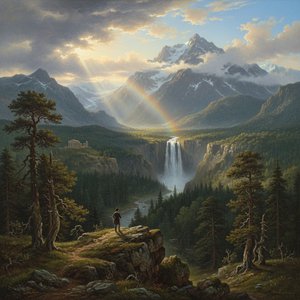
Evoking Nature's Sublime: A Comprehensive Exploration of 19th-Century Landscape Painting
Explore the captivating world of 19th-century landscape painting! Discover renowned artists like Friedrich & Monet, key movements, and find the perfect artwork to bring nature's serenity into your home. Expert insights at OriginalUniqueArt.