
 ნახვა ინტერьерში
 გაგზავნა
 გაზიარება
 დეტალები
 გზამკვლევი

 ჩამოტვირთვა
 მსგავსები
 რენტგენოგრაფიული კვლევა
 სლაიდშოუ
 სტატისტიკა
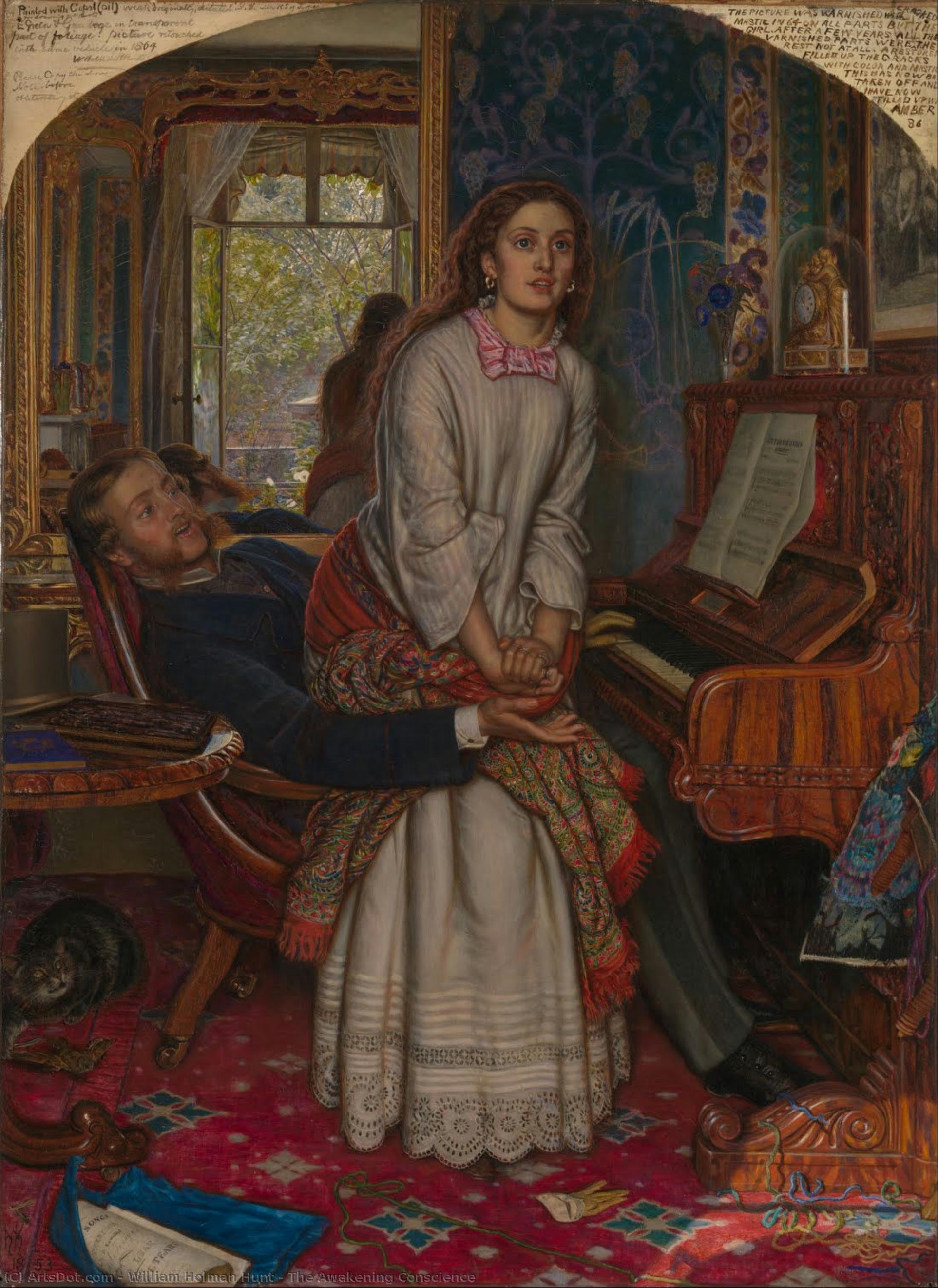
The Awakening Conscience
 Oil On Canvas
- WallArt
- Pre-Raphaelite Brotherhood
 1853
1853 55.0 x 76.0 cm
 Тეატრი ბრიტანია
 სრული ტექსტის ნახვა
გიკლე / ხელოვნების პრინტი
მუზეუმის დონის ჟიკლე ან ტილოზე ბეჭდვა სწრაფი წარმოებისა და დასრულების მოქნილი ვარიანტებით. ( შეიძინეთ ხელით შესრულებული ნახატი გადასვლა ციფრულ გამოსახულებაზე)




P118B ₾10

P118H ₾10

P118W ₾10

P438Z ₾10

P508JH ₾12

P508YH ₾12

P805H ₾10

P805Z ₾10

P919BZ ₾10

P919G ₾10

P919XJ ₾10

P959ZH ₾10

P968JZ ₾12

W106C ₾8

W218G ₾10

W218JH ₾8

W218Y ₾10

W307PJ ₾10

W316G ₾10

W316PJ ₾8

W316Y ₾10

W398PJ ₾8

W4111J ₾10

W500HY ₾15

W500JH ₾15

W692G ₾12

W849H ₾8

W940BG ₾15

W953PJ ₾8




აირჩიეთ ჩვენს მიერ წინასწარ განსაზღვრული ზომებიდან, რომლებიც ნაწარმოების ორიგინალურ პროპორციებს შეესაბამება.

შეიყვანეთ თქვენთვის საჭირო სიგანე და სიმაღლე, რათა იგი მოერგოს თქვენს ჩარჩოს ან კედელს. ბეჭდვისას შესაძლებელია მხოლოდ მისი შემცირება და არა გაზრდა, ამიტომ სხვა ფორმის ზომის შემთხვევაში გამოსახულება ნაწილობრივ იკარგება. სანამ რაიმეს დაბეჭდავთ, ჩვენ გამოგიგზავნით ციფრულ მაკეტს დასდასტურებლად. ამ გვერდზე ნაჩვენები სურათი არ ასახავს რეალურ ჭრას — ამას მხოლოდ მაკეტი გვიჩვენებს.
მიწოდება მთელ მსოფლიოში () 2 კვირაში, სტანდარტული 4/5 კვირის ნაცვლად. (22 ოქტომბერი)

უფასო ექსპრეს მიწოდება მთელ მსოფლიოში

მაღალი ხარისხის ტილო

ტრანსპორტირების სრული დაზღვევა

საბაჟო გადასახადების დაბრუნების გარანტია

ფერების სრული შესაბამისობის გარანტია

დაბრუნების 100-დღიანი პერიოდი (მხოლოდ წარმოების დეფექტის შემთხვევაში)

100% თანხის სრული დაბრუნების გარანტია

ფასდაკლება დიდი რაოდენობით შეკვეთისას
 მინის ჩარჩოს არჩევანი ხელმისაწვდომია მხოლოდ 110 სმ-მდე ზომისთვის

The Awakening Conscience
გიკლე / ხელოვნების პრინტი
რეპროდუქციის ზომა
-


ჯამური ღირებულება
₾ 209
The Awakening Conscience: A Victorian Portrait of Moral Reckoning
William Holman Hunt’s “The Awakening Conscience,” painted in 1853, isn't merely a depiction of a clandestine rendezvous; it’s a meticulously crafted tableau of moral crisis and spiritual awakening, a profound exploration of Victorian sensibilities. This oil-on-canvas masterpiece transcends the conventions of portraiture, offering a window into the anxieties and aspirations of a society grappling with rapid social change and burgeoning religious introspection. Hunt, a founding member of the Pre-Raphaelite Brotherhood, deliberately eschewed the polished idealism of academic art, instead embracing a radical commitment to realism, symbolism, and emotional truth – qualities powerfully evident in this arresting work.
A Scene of Disquiet: Narrative and Composition
At first glance, the painting presents a seemingly straightforward domestic scene: a woman, identified as a fallen woman, sits in the lap of her lover within a lavishly furnished room. However, Hunt’s genius lies in layering multiple narratives and symbolic elements that quickly unravel this initial impression. The setting itself—a recently decorated apartment filled with new furniture, an elaborate tapestry, and gleaming objects—immediately signals a disruption of established order and a transgression against Victorian ideals of domesticity. The woman's posture, initially relaxed, subtly shifts as she turns her head towards the window, drawing the viewer’s eye to the stark contrast between the interior world of temptation and the promise of redemption represented by the vibrant spring garden visible beyond.
- The Lover: Represents worldly indulgence and a source of moral corruption.
- The Woman: Embodies vulnerability, regret, and the potential for spiritual rebirth.
- The Room: Symbolizes the artificiality and superficiality of a life lived outside of genuine faith.
- The Window: Represents an escape from earthly constraints and a pathway to moral awakening.
Symbolism Woven into Reality: Details of Moral Weight
Hunt’s meticulous attention to detail is paramount, imbuing the painting with layers of symbolic meaning. The discarded items scattered around the room—a broken glove, a top hat, a partially finished tapestry—speak volumes about wasted opportunities and shattered dreams. The clock concealed beneath glass serves as a potent reminder of time slipping away, while the music on the piano – Thomas Moore’s “Oft in the Stilly Night” – echoes the woman's lost innocence and longing for a simpler past. The presence of various objects—bells, marigolds, and a star—further reinforces the painting’s moral weight, suggesting both warning and hope. Notably, the mirror reflects not just the room but also the garden outside, emphasizing the allure of a life beyond earthly constraints.
Pre-Raphaelite Vision: Light, Color, and Emotional Resonance
“The Awakening Conscience” is a quintessential example of Pre-Raphaelite aesthetics. Hunt employed rich, saturated colors—deep indigoes, vibrant reds, and luminous greens—to create an intensely atmospheric effect. The use of light is particularly significant; it streams dramatically through the window, illuminating the woman’s face and casting long shadows across the room, highlighting the contrast between darkness and enlightenment. The painting's meticulous detail, achieved through painstaking brushwork and a commitment to naturalistic representation, reflects the Pre-Raphaelites’ desire to capture the beauty and complexity of the world with unprecedented accuracy. The overall effect is one of heightened emotional intensity, inviting viewers to contemplate the profound questions of morality, redemption, and the human condition.
This painting continues to resonate today as a powerful meditation on personal responsibility, spiritual yearning, and the enduring struggle between earthly desires and moral conscience. Reproductions offer a remarkable opportunity to experience the depth and complexity of Hunt’s vision, bringing this poignant portrait into any space with an appreciation for art's ability to provoke thought and inspire reflection.
კითხვები და პასუხები
უილიამ ჰოლმან ჰანტი-ის შემოქმედებითი განვითარების რომელ ეტაპს წარმოადგენს „The Awakening Conscience“?
"The Awakening Conscience" ეკუთვნის უილიამ ჰოლმან ჰანტი-ის შემოქმედებითი კარიერის Mature Period პერიოდს. ეს კლასიფიკაცია ნამუშევარს ხელოვანის შემოქმედებითი განვითარების ეტაპთან აკავშირებს.
რა ტექნიკა გამოიყენეს უილიამ ჰოლმან ჰანტი-ის „The Awakening Conscience“-ის შესაქმნელად?
უილიამ ჰოლმან ჰანტი-ის „The Awakening Conscience“-ის ტექნიკა არის Oil On Canvas. რეპროდუქციების მიზანია ამ ტექნიკის ვიზუალური მხარის ზუსტი გადმოცემა.
რა ემოციას გადმოგვცემს უილიამ ჰოლმან ჰანტი-ის „The Awakening Conscience“?
უილიამ ჰოლმან ჰანტი-ის „The Awakening Conscience“ გადმოგვცემს Melancholic ემოციურ ტონს.
მხატვრის ბიოგრაფია
სიცოცხლის გზა და ხედვა
უილიამ ჰოლმან ჰანტი, რომელიც დაიბადა 1827 წლის 2 აპრილს ჩეაფსაიდში, ლონდონში, მხოლოდ მხატვარი არ იყო; ის ფილოსოფოსი და სულიერი ძიებელი იყო, რომელმაც თავისი ღრმა რწმენები ტილოზე გადმოიტანა. მისი ადრეული ცხოვრება, მიუხედავად მამის საწყობში არსებული ბიზნესის აურაცხელი სამყაროსაგან, შეიცავდა მხატვრულ ტალანტს, რომელიც საბოლოოდ მოელის Expectations-ს დაუპირისპირდებოდა. თავდაპირველად განკუთვნილი იყო მამის კარიერას მიჰყვეოდა, ჰანტიმ ხელოვნებაში ნუგეშაობა და მიზანი იპოვა, დაიწყო ფარულმა ესკიზებით და მოგვიანებით, გარკვეული ბრძოლის შემდეგ, ოფიციალური მომზადება სამეფო აკადემიის სკოლებში. თუმცა, ამ პერიოდის სტაჟირება შეზღუდული აღმოჩნდა. მას ჭირდებოდა მხატვრული გამოხატულება, რომელიც არსებული აკადემიური კონვენციების transcendence-ს მიაღწევდა - სურვილი, რომელმაც მალე ის რევოლუციური ცვლილებებისკენ წაიყვანა. მას ხელოვნებაში არსებულმა ხელოვნურად შექმნილმა გარემომ აშფოთა და მან წინარე რენესანსის ოსტატების სინ sincerity-ს და სიDetal-ს დაბრუნება მოითხოვა, რაც Pre-Raphaelite Brotherhood-ის ჩამოყალიბებაში იყო ცენტრალური. ჰანტის გზა მხოლოდ ესთეტიკაში არ შემოიფარგლებოდა; ის ჭეშმარიტების, მორალისა და სულიერი resonance-ს ძიება იყო ვიზუალური წარმომადგენლობის სფეროში.რევოლუციური Brotherhood-ის გენეზი
1848 წელს, დენტე გაბრიელ როსეტი და ჯონ Everett Millais-თან ერთად, ჰანტმა Pre-Raphaelite Brotherhood (PRB) დააფუძნა. ეს კოლექტივი მხოლოდ მხატვრული მოძრაობა არ იყო; ის რევოლუცია იყო იმის წინააღმდეგ, რაც მათ Raphael-ის შემდეგ ხელოვნების გა deterioration-ს უწოდეს. PRB-მ ზუსტ Detal-ს, ცოცხალ ფერებსა და გულწრფელ თემებზე დაბრუნება მოითხოვა ადრეული იტალიური живописи-დან - Raphael-ის perceived artificiality-მდე. ჰანტის ერთგულება ამ ფილოსოფიას მთელი კარიერის განმავლობაში შეინარჩუნა. ადრეულ ნამუშევრებს, როგორიცაა 1851 წელს დახატული "The Hireling Shepherd", ეს ერთგულება ცხადად ჩანს. ტილოს painstaking realism - ცხვრის wool-ის ტექსტურადან თითოეულ blade of grass-მდე - რევოლუციური იყო. ეს მხოლოდ სოფლის ცხოვრების აღწერა არ იყო; ეს იყო მორალური და სიმბოლიზმის მნიშვნელობის გადაცემის მცდელობა ბუნების ზუსტი დაკვირვებით. ამ პერიოდის "The Awakening Conscience"-მა კიდევ უფრო გაამყარა ჰანტის რეპუტაცია ინტენსიურად naturalistic სცენების ავტორი, რომლებიც psychological depth-ითა და moral weight-ით იყო აღსავსე. ეს ნახატები მხოლოდ ვიზუალურად განსაცვიფრებელი არ იყო; ისინი მხატვრის რწმენა ხელოვნებაში ჭეშმარიტებისა და სულიერი გამოღვიძების საშუალებად იყო. Brotherhood-მა არსებული სამხატვრო წარმოების ნორმებს შეაღწია, უარყო perceived formulaic academic живопись და აირჩია უფრო პირდაპირი და honest engagement გარემოსთან.რელიგიური სტილის პილიგრიმი და სიმბოლიზმის სიღრმე
ჰანტის მხატვრული მოგზაურობა 1850-იან და 60-იან წლებში Holy Land-ში გამგზავრებამ განსაკუთრებული გარდაქმნა განიცადა. ისტორიული და topographical accuracy-ს სურვილით, მან pilgrimage Palestine-სა და Syria-ში დაიწყო, სადაც landscape-ებს, costume-ებსა და customs-ებს meticulously document-ობდა. ამ ერთგულებამ authenticity-ს მისი მოგვიანავი ნამუშევრები მნიშვნელოვნად გამდიდრა, რაც მათ უparalleled sense of realism-ითა და spiritual resonance-ით აღსავსე გახადა. ამ პერიოდში დახატულმა "The Shadow of Death"-მა ძლიერი მაგალითი წარმოგვიდგინა. ნახატი Christ-ის sacrifice-ს ასახავს ისე, რომ ეს ვიზუალურად arresting იყო და ღრმად symbolic - ჰანტის profound religious convictions-ის ასახვა. ალბათ მისი ყველაზე iconic ნამუშევარი, "The Light of the World", რომელიც 1851 წელს დაიწყო და 1853 წელს დასრულდა, ამ სტილის synthesis-ს წარმოადგენს. Christ-ის image, რომელიც კარზე კაკუნებს, გულით გახსნილი ადამიანებისთვის salvation-ს შეთავაზებით, ძალიან popular გახდა და დღესაც ვიქტორიანული ეპოქის ერთ-ერთ ყველაზე ცნობილ religious живопись-ად რჩება. ჰანტის ერთგულებამ representation-ზე მეტიც გადალახა; მან თავისი ნამუშევრები symbolic მნიშვნელობით სავსე გახადა, biblical texts-დან, medieval allegory-დან და contemporary social commentary-დან ამოიღებული ელემენტებით. ის თვლიდა, რომ ხელოვნებას მორალური მიზანი აქვს - uplifting, inspire და viewers spiritual enlightenment-ისკენ წარმართოს.მუდმივი მემკვიდრეობა და მოგვიანავი წლები
მოგვიანავ წლებში მხედველობის დაკარგვამ - painter-ისთვის, რომელიც Detal-ს ასე მიძღვნილი იყო - დიდი დარტყმა მიაყენა. თუმცა, ჰანტიმ ხელოვნებაზე მუშაობა განაგრძო, ხშირად თავის assistant-ის, Edward Robert Hughes-ის დახმარებით. 1905 წელს მან ავტობიოგრაფია გამოაქვეყნა, რამაც მისი მხატვრული ფილოსოფიისა და პირადი ცხოვრების შესახებ бесценный insights მოგვაწოდა. მის ერთგულებას King Edward VII-მ Order of Merit-ით აღნიშნა იმავე წელს. ჰანტის პირადი ცხოვრება სიხარულითა და მწუხარებით იყო ნიშანი; მან ორჯერ იქორწინა, პირველად Fanny Waugh-ზე, რომელმაც რამდენიმე მისი ნახატის model-ად იმუშავა, ხოლო მოგვიანებით - მის დას Edith-ზე, ბრიტანეთის კანონების გარკვეული legal complexities-ის გადალახვის შემდეგ. ის 1910 წლის 7 სექტემბერს გარდაიცვალა და St Paul’s Cathedral-ში похоронили - რაც მისი მნიშვნელოვანი წვლილის მიძღვნა ბრიტანულ ხელოვნებასა და კულტურას იყო. უილიამ ჰოლმან ჰანტის მემკვიდრეობა მის ნახატების სილამაზეს აღემატება. მან ვიქტორიული ხელოვნება რეალიზმის, სიმბოლიზმისა და სულიერი სიღრმის ჩემპიონობით რევოლუციონირა, რაც მომავალ თაობებს შთაგონებს. მისი ნამუშევრები დღესაც აღფრთოვანებასა და contemplation-ს იწვევს, გვაგონებს ხელოვნების ძალას ადამიანის მდგომარეობის განმხილვასა და სტილის mysteries-ის შესწავლაში.ძირითადი გავლენები & თემები
- გავლენები: John Ruskin-ის წერილები ხელოვნებაზე და მორალზე; ადრეული იტალიური რენესანსის живопись (pre-Raphael); biblical texts და medieval

უილიამ ჰოლმან ჰანტი
1827 - 1910 , საქართველო
მოკლე ფაქტები
- Artistic Movement Or Style: პრერაფაელიტიზმი
- Artists Or Movements Influenced By This Artist: ['პრერაფაელიტიზმის ბიძობები']
- Artists Who Influenced This Artist:
- ჯონ რუსკინი
- იტალიური ადრეული მასტერი
- Date Of Birth: 2 აპრილი, 1827
- Date Of Death: 7 სექტემბერი, 1910
- Full Name: უილიამ ჰოლმან ჰანტი
- Nationality: ბრიტანელი
- Notable Artworks (List Of Titles):
- The Light of the World
- The Awakening Conscience
- Place Of Birth (City And Country): ლონდონი, გაერთიანებული სამეფო
მსგავსი სტატიები

დანტე გაბრიელ როსეტის 25 შედევრი: სახვითი ხელოვნების ისტორია თქვენს ინტერიერში | OriginalUniqueArt
აღმოაჩინეთ დანტე გაბრიელ როსეტის 25 შედევრი! პრერაფაელიტური სტილის, სიმბოლიზმისა და რომანტიკული ხატვის ისტორია. შეიძინეთ უმაღლესი ხარისხის ტილოების რეკონსტრუქციები OriginalUniqueArt-ზე და გაამდიდრეთ თქვენი ინტერიერი ხელოვნების ნივთებით. Explore the full collection online!

Sir John Everett Millais: Pre-Raphaelite Rebellion & Victorian Narrative Detail
Explore the revolutionary art of Sir John Everett Millais & the Pre-Raphaelite Brotherhood. Discover their radical realism, symbolic narratives, and lasting impact on Victorian aesthetics. A deep dive into 19th-century masterpieces.
The Pre-Raphaelite Brotherhood: Rebellion, Romance & Medieval Revival
Explore the captivating world of the Pre-Raphaelite Brotherhood! Discover their rebellious spirit, iconic masterpieces & lasting influence on art history. Learn about Rossetti, Millais & more.
The Pre-Raphaelite Brotherhood: Reclaiming Beauty, Nature, and Truth in Victorian Art History
Explore the revolutionary Pre-Raphaelite Brotherhood. Discover how these visionary artists rejected academic tradition to reclaim beauty, nature, and truth through luminous detail and literary depth in Victorian art history.

Pre-Raphaelite Romanticism: A Guide to Vivid Detail and Medieval Beauty in Victorian Art
Explore the vivid detail and medieval beauty of Pre-Raphaelite Romanticism. Discover the history of masters like Rossetti and Millais through our expert guide to Victorian art, perfect for collectors and professionals seeking authentic, museum-quality reproductions.

